

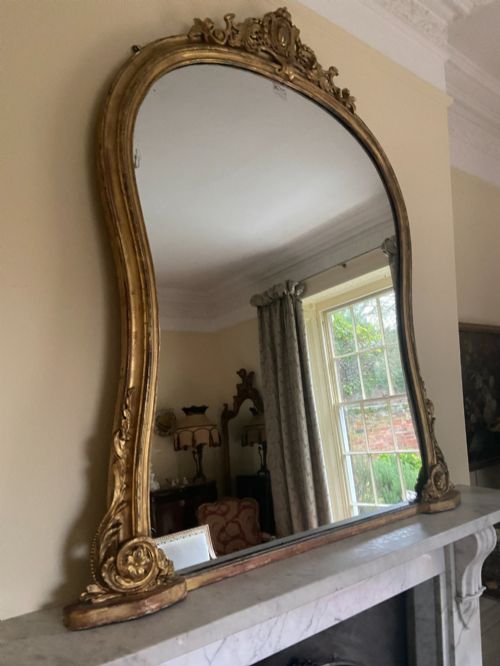
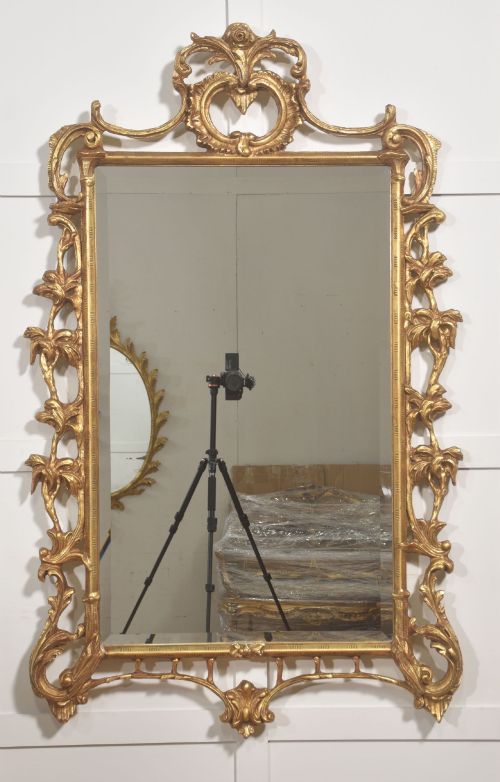
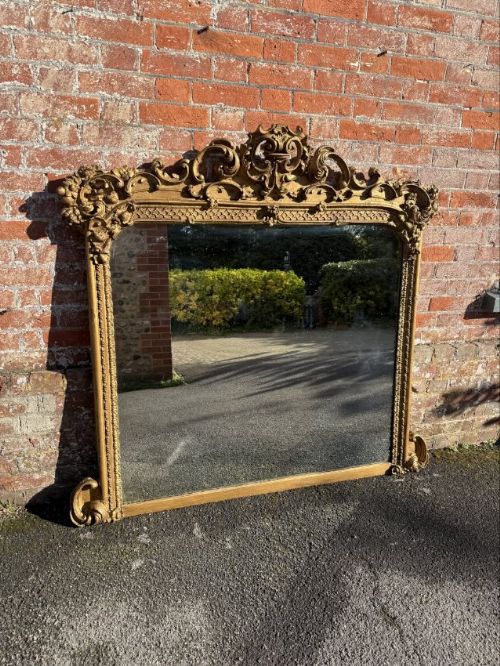
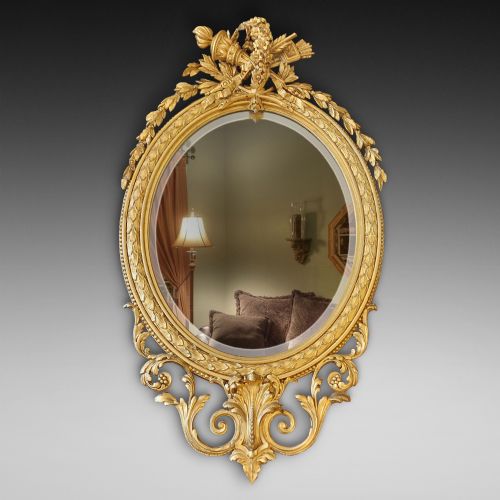
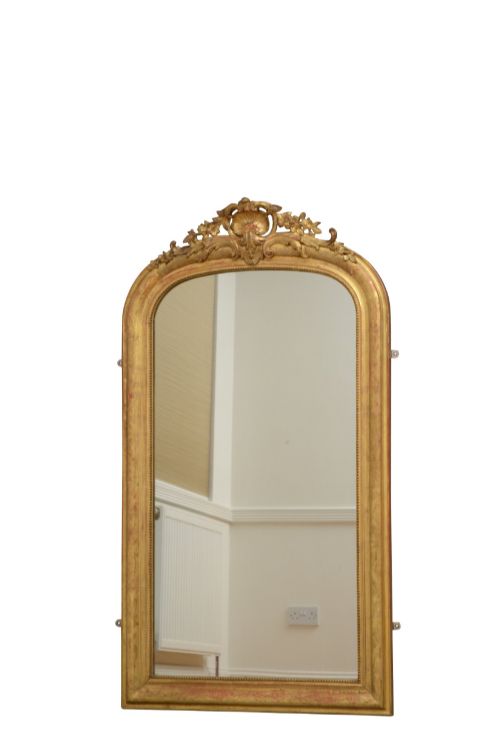
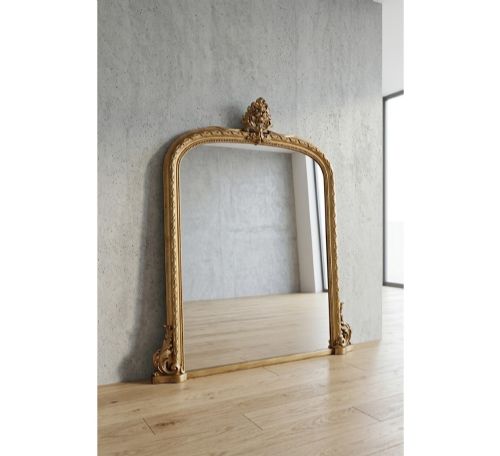
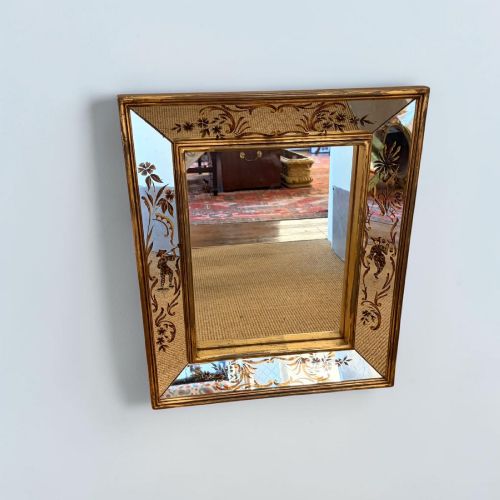
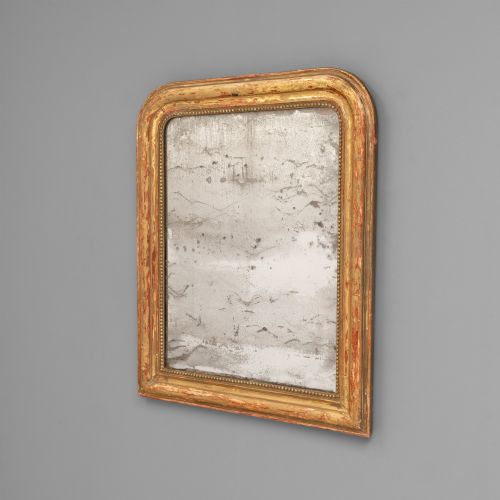
Giltwood Wall Glass
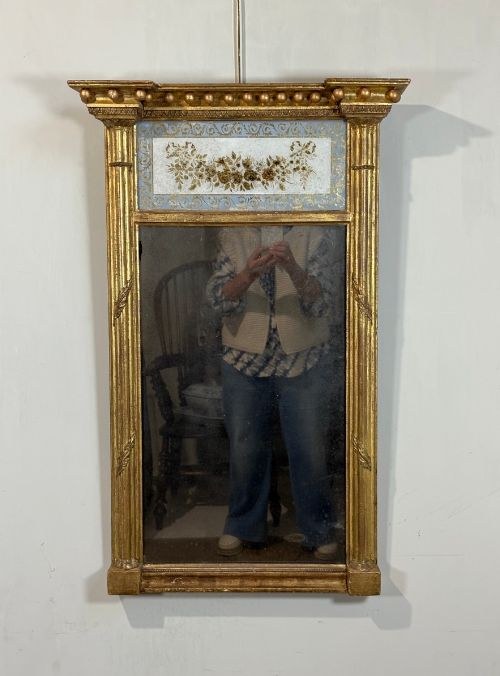
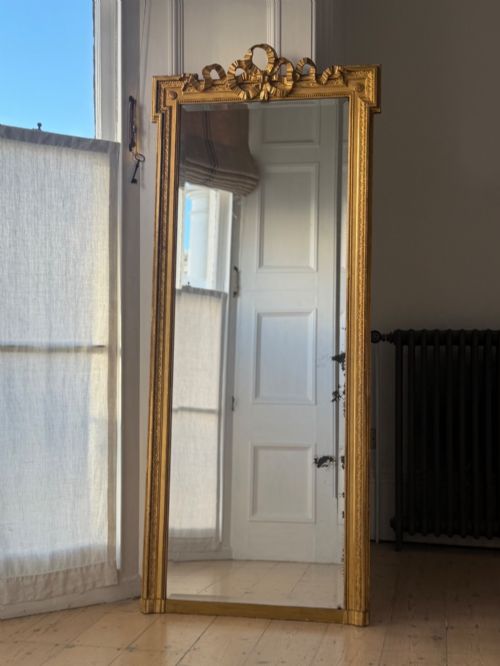
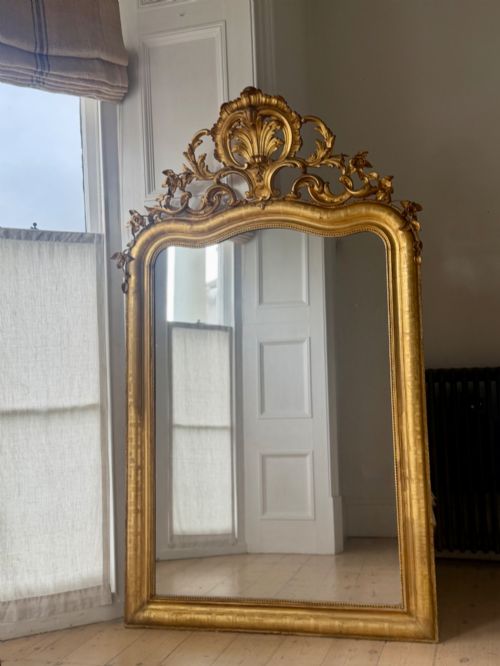
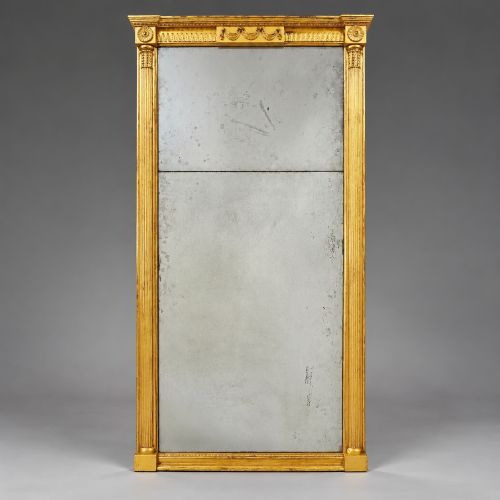
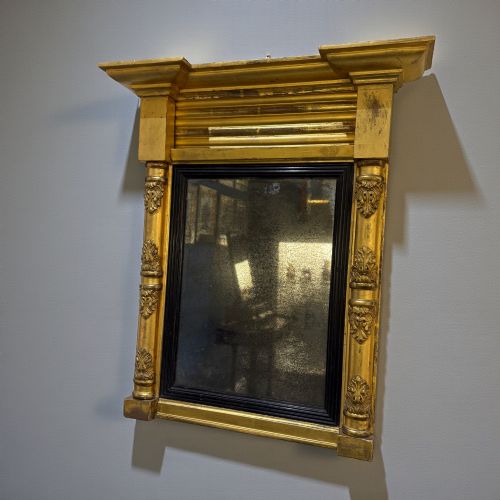
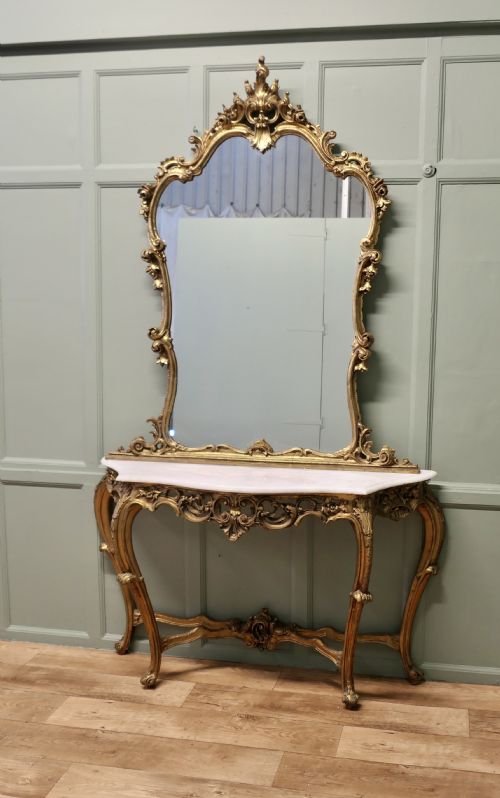
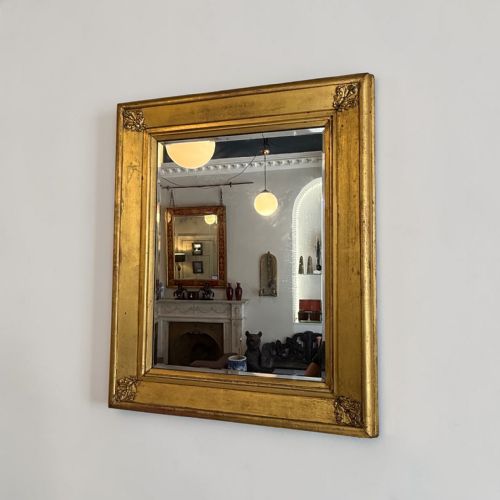
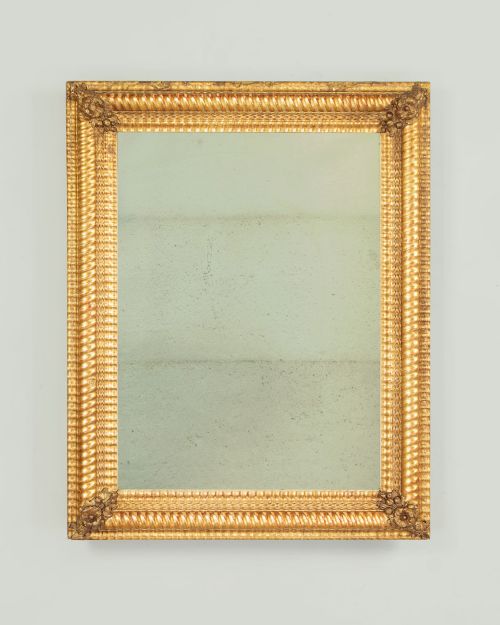
These pieces of giltwood wall glass bring warmth and a sense of space to a room, catching the daylight through carved and gilded frames.
Giltwood Wall Glass
A giltwood wall glass is a decorative mirror designed to hang on a wall, typically featuring a timber frame coated in gold leaf, gesso, or paint. When searching for giltwood wall glass, you encounter pieces intended to reflect light and expand the visual boundaries of a room.
The selections span the eighteenth and nineteenth centuries, taking forms such as grand overmantels, tall pier glasses, and console table sets. French and English workshops dominate the offerings, showing stylistic influences from the Regency, Victorian, and Rococo Revival periods.
The most common items on this page are nineteenth-century wall mirrors and overmantels featuring carved wooden frames, arched crests, and gilded finishes. These range from modest domestic examples to monumental pieces designed for country houses.
Materials and construction
Frames rely on carved wood, often pine or timber, built up with layers of gesso to create crisp relief details before gilding. Artisans applied thin sheets of gold leaf or gold paint over the prepared surfaces to achieve the characteristic metallic sheen.
Mirror plates include early mercury glass, foxed mirror glass, and bevelled glass. Some plates feature hand-painted pastoral scenes or verre eglomise panels set above the main reflecting surface.
Joinery and construction methods reflect the period of origin, with heavy frames often incorporating secured corner joints and original timber backs.
Giltwood Wall Glass Retail Price Guide 2026
Typical asking prices for giltwood wall glass among the pieces listed under this phrase on Sellingantiques today, from the lower quarter to the upper quarter. They describe what is for sale here now, not the wider market.
Some nineteenth-century mirrors retain foxed glass that reflects your face through a gentle constellation of tiny age spots.
Judging quality in giltwood mirrors
The depth and crispness of the wood carving distinguish finer frames from simpler production pieces. Skilled hands produced undercut foliage, rope twists, and pierced crests that retain sharp definition beneath the gilding.
The condition of the original glass plate and the integrity of the gold leaf layer dictate the character of the object. Surviving mercury glass with natural foxing carries a different visual weight compared to later replacement plates.
Proportion and scale play a role in overall execution, where monumental overmantels or balanced pier glasses demonstrate architectural harmony between the frame and the glass.
The Giltwood Wall Glass Glossary
- Giltwood
- Wood that has been covered with gold leaf or a gold-coloured finish. This material forms the primary structure of the decorative frames.
- Gesso
- A plaster mixture applied to the wooden frame as a base for carving and gilding. It allows craftsmen to model intricate relief ornamentation.
- Pier glass
- A tall, narrow mirror designed to hang on the wall between windows, often placed above a console table. These mirrors maximise natural light in period rooms.
- Overmantel mirror
- A large horizontal mirror made to hang above a fireplace mantel. They often feature elaborate arched crests and country house proportions.
- Verre eglomise
- A cold decoration technique where designs are painted and gilded on the reverse side of glass panels. It appears on specialist nineteenth-century frames.
Giltwood Wall Glass: Frequently Asked Questions
How do I hang a heavy giltwood mirror?
Heavy antique mirrors require secure wall fixings distributed across the weight of the timber frame. Professional installation using wall anchors suited to brick or stud construction ensures safety.
Most large overmantels and pier glasses feature sturdy original hanging brackets or benefit from reinforced wire attachments fixed directly to the structural wooden backing.
What is foxed glass?
Foxing refers to the dark spots and mottled ageing that develop behind the glass plate over decades. This natural oxidation occurs as the backing degrades.
Many collectors prize foxed mercury glass for the authentic historic character it brings to an eighteenth or nineteenth-century mirror.
Are these mirrors original to the periods stated?
The listings include pieces dating from the eighteenth century through the Edwardian era, identified by their construction, materials, and decorative motifs. Styles such as Regency and Rococo Revival reflect distinct design eras.
Examining the timber backboards, gesso application, and plate characteristics helps confirm the age of the frame and glass.
How do I clean an antique gilt frame?
Giltwood surfaces require gentle dusting with a soft, dry brush to prevent damage to fragile gold leaf or gesso. Moisture and chemical cleaners must be avoided entirely.
Glass plates can be wiped with a mild glass cleaner applied to a cloth rather than sprayed directly onto the mirror, protecting the surrounding frame from liquid exposure.