
Giltwood Hanging Glass Mirror
A giltwood hanging glass mirror brings warmth and reflective depth to a room through centuries of craftsmanship.
Giltwood Hanging Glass Mirror
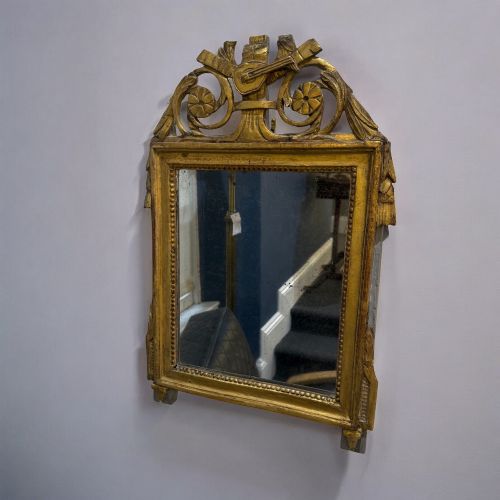
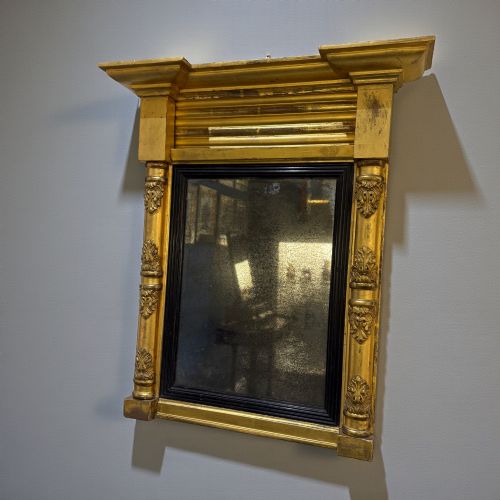
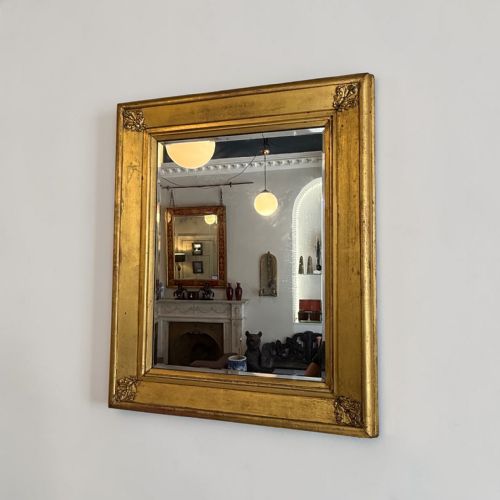
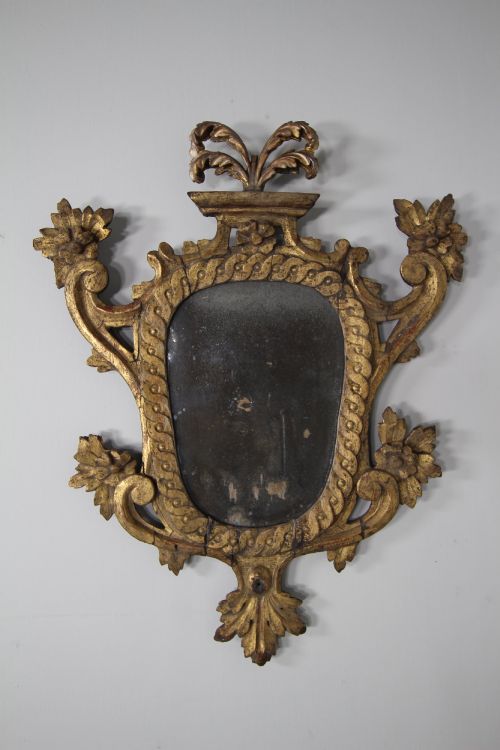
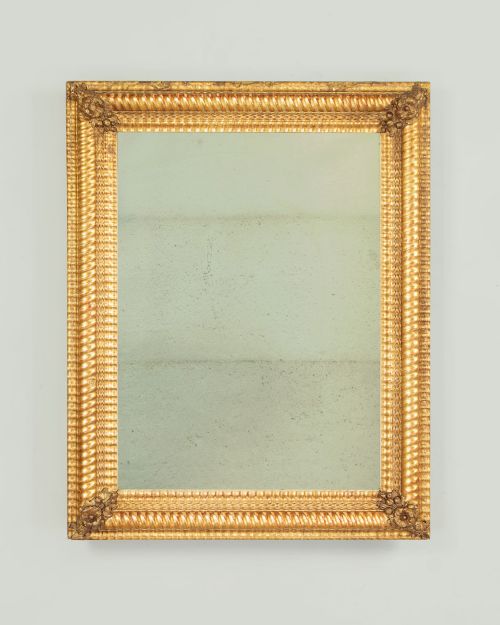
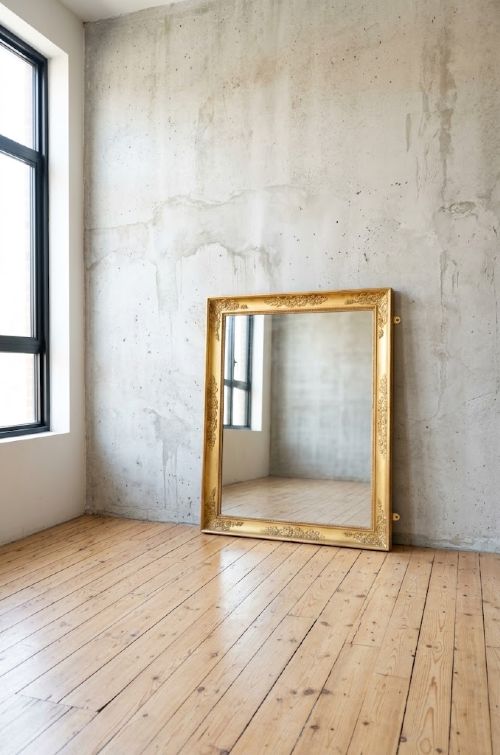
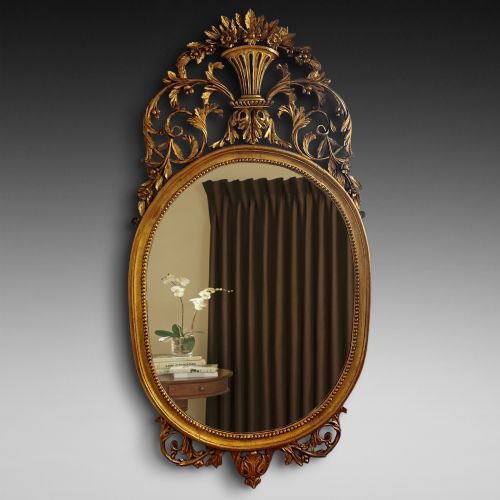
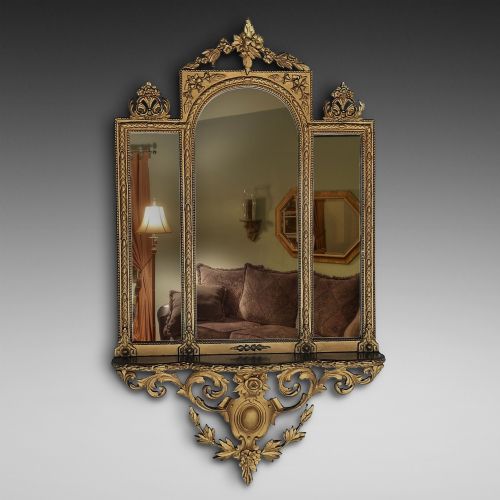
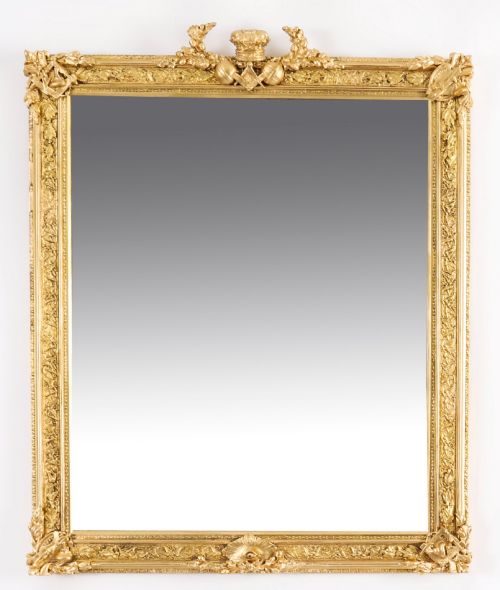
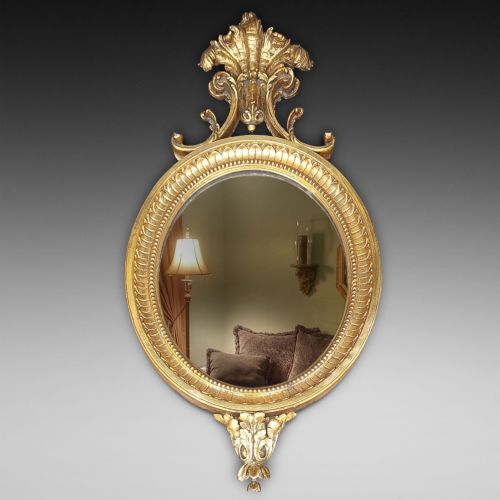
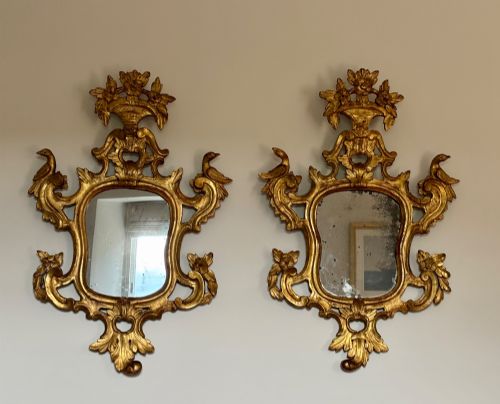
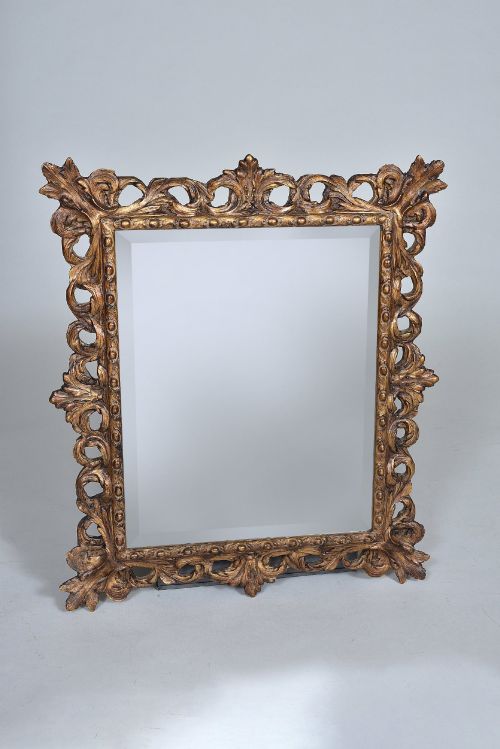
A giltwood hanging glass mirror serves as a striking focal point on any wall, combining functional glass with ornate decorative frames. When searching for a giltwood hanging glass mirror, buyers encounter diverse forms ranging from compact wall pieces to large overmantels.
The selection draws heavily from the nineteenth century and the Georgian era, alongside distinct periods such as the Regency and Victorian years. Pieces frequently display specific regional traits, including French and Italian influences alongside English craftsmanship.
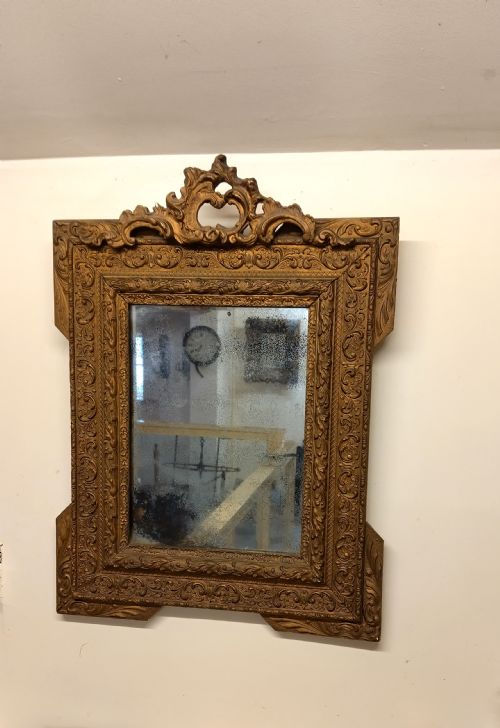
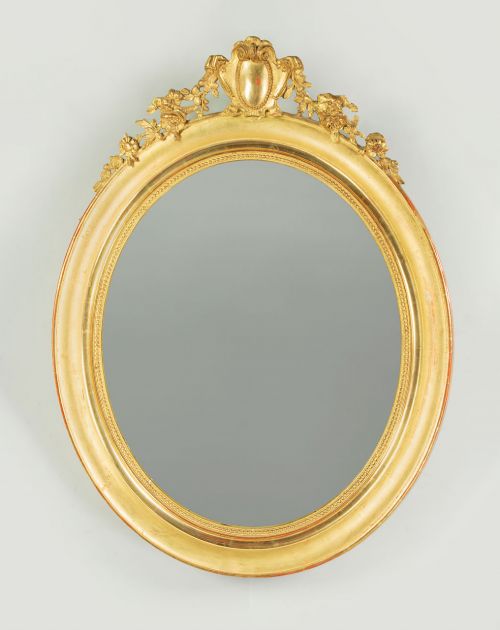
Common formats include oval wall mirrors, pier mirrors, and cushion framed variants decorated with floral and mythological carvings. Many examples reflect revival styles such as Rococo and Adam, echoing earlier eighteenth-century designs.
Materials and construction
Makers built these frames using carved wood, gesso, and composition applied over a wooden base to form intricate relief ornaments. Artisans then finished the surfaces with gold leaf or gilding to achieve a brilliant metallic sheen.
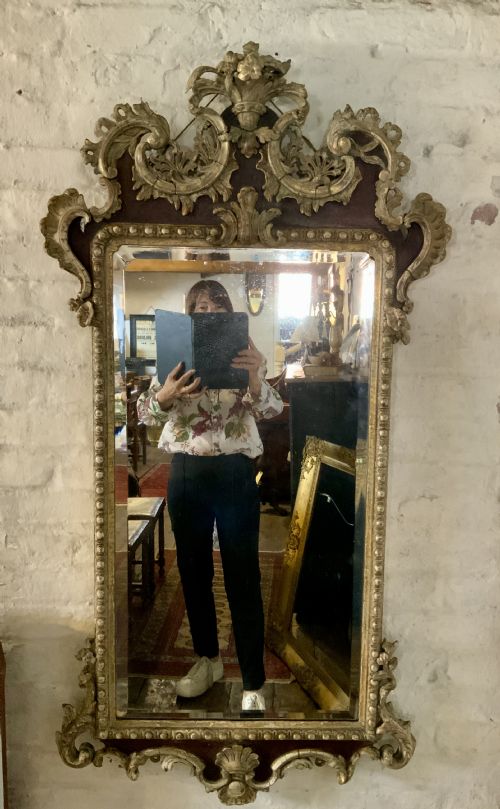
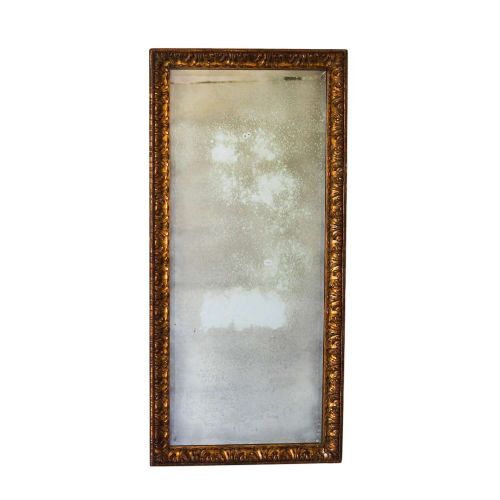
Reflective surfaces consist of traditional mirror glass, occasionally retaining original mercury plates from earlier centuries. Walnut and mahogany also appear in certain parcel gilt and wood frames, combining exposed timber with gilded details.
One exceptional piece carries Masonic symbols, offering a secretive nod to fraternity rites right above the mantelpiece.
Assessing quality and execution
Depth and crispness of the carving distinguish finer pieces from simpler production, particularly where floral and mythological motifs adorn the frame. Hand-carved wooden details show superior definition compared to heavily moulded composition ornament.
The integrity of the original gilding and the preservation of the underlying gesso layer indicate how well a piece has survived over the centuries. Early mercury glass plates add considerable interest for collectors who value untouched historical components.
The Giltwood Hanging Glass Mirror Glossary
- Giltwood
- Wood that has been coated with gold leaf or gold paint. This technique gives the frame a luminous metallic finish that catches and reflects natural light.
- Gesso
- A plaster-like mixture applied to wooden frames as a smooth base for gilding. Artisans carve and shape this layer to create intricate decorative details.
- Pier glass
- A tall mirror designed specifically to hang on the wall between two windows. These pieces often feature narrow proportions to fit architectural spaces.
- Mercury plate
- An early type of mirror glass made using a tin and mercury amalgam backing. It produces a characteristic mottled reflection with a deep, dark lustre.
- Composition
- A moulded material made from whiting, oil, resin, and glue pressed into decorative ornaments. Makers used it to achieve complex relief work economically.
Giltwood Hanging Glass Mirror: Frequently Asked Questions
How do I hang a heavy giltwood mirror?
Heavy giltwood frames require secure wall fixings anchored directly into masonry or substantial timber studs. Professional mirror hangers utilise heavy-duty brackets distributed evenly to support the considerable weight.
Position the mirror at eye level to maximise its reflective impact and ensure the hanging wire or D-rings match the frame's scale.
Are original mirror plates common?
Original mirror plates appear in select pieces from earlier centuries, often displaying characteristic foxing and minor silvering losses. These aged imperfections confirm the historical authenticity of the glass.
Many later mirrors feature replacement glass installed during the nineteenth or twentieth century to provide a clearer reflection.
What is a pier mirror?
A pier mirror is a tall, vertical wall glass designed to hang on the narrow wall space between windows. Eighteenth and nineteenth-century homes utilised these to bounce light deeper into the room.
They frequently pair with console tables or sit above low furniture, featuring elongated proportions and restrained architectural frames.
How do I clean an antique giltwood frame?
Dust giltwood frames gently with a very soft, dry brush to remove surface particles without disturbing the fragile gold leaf. Avoid liquid cleaners, moisture, and chemical sprays entirely, as they damage historic gilding.
Professional conservators should handle any deep cleaning or structural repairs to preserve the original surface integrity.