
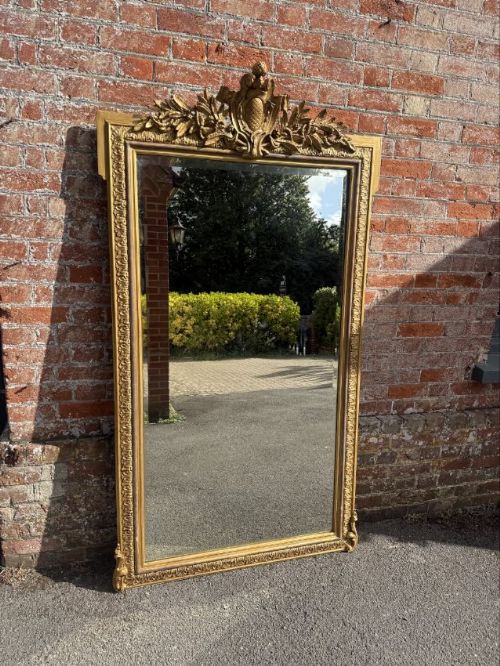
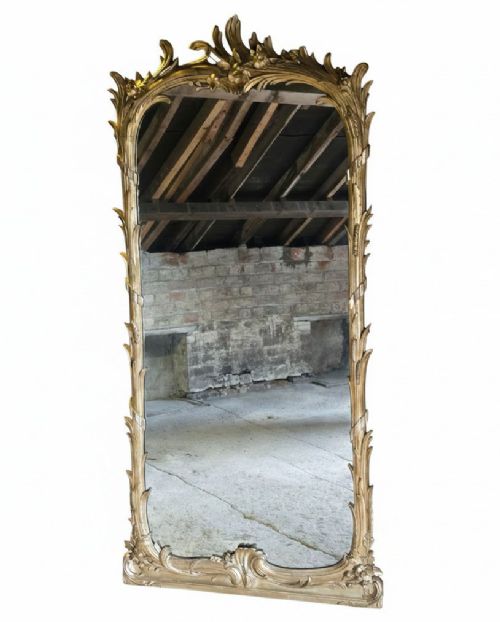
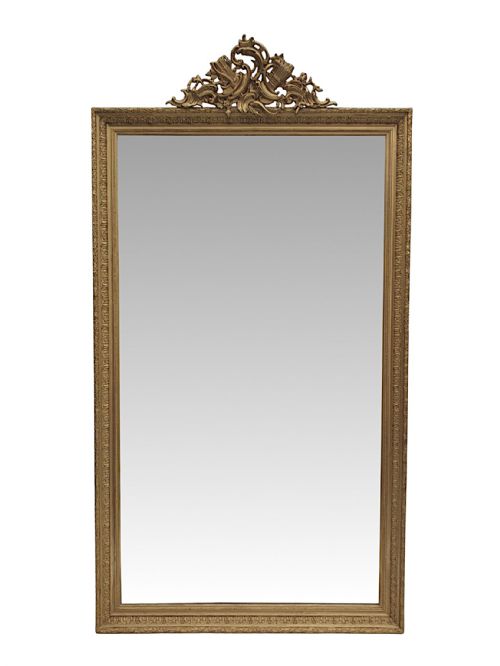
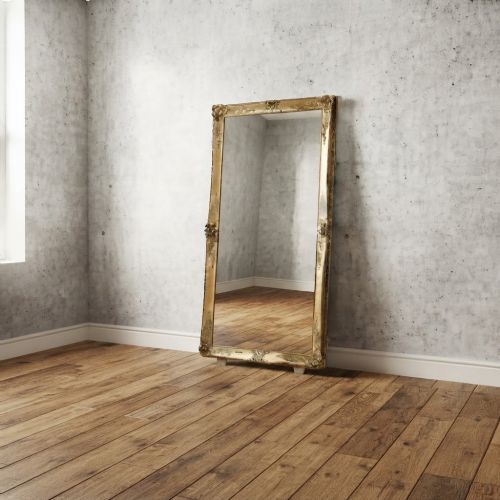

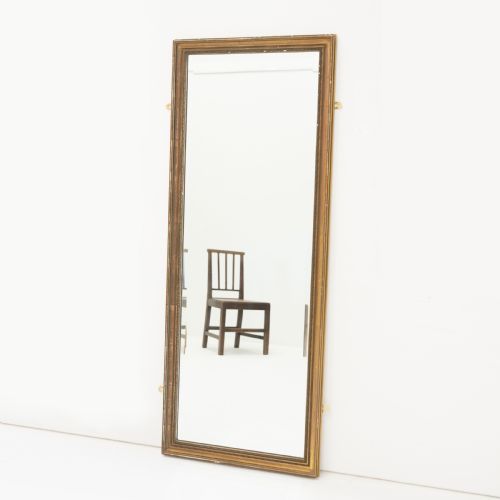


Giltwood Full Length Mirror
A giltwood full length mirror brings instant light and stature to a room, framing reflections in carved, gilded wood.
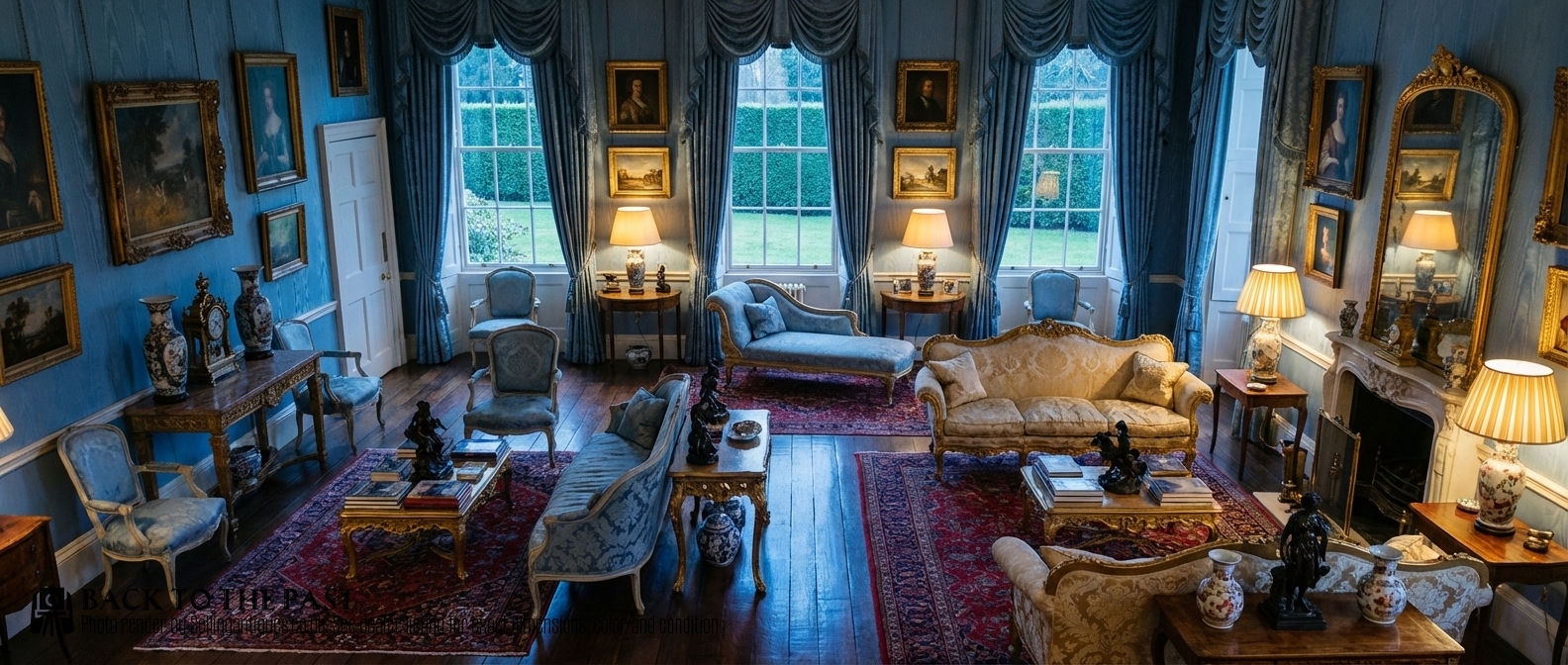
Giltwood Full Length Mirror
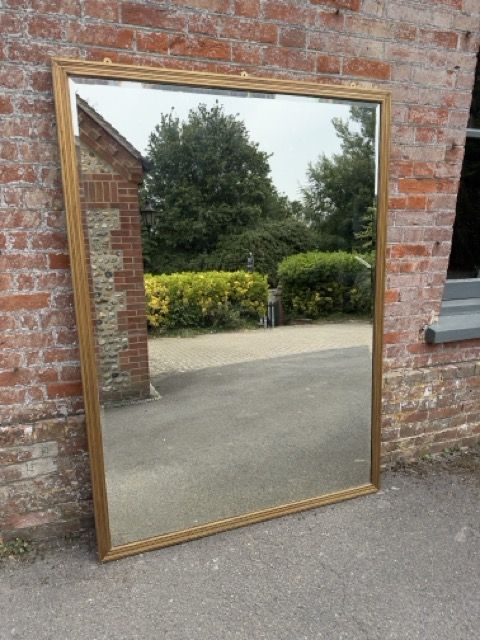
A giltwood full length mirror offers a commanding vertical presence, designed to reflect light and expand the sense of space in a room. When searching for a giltwood full length mirror, buyers typically encounter grand wall-hanging pieces, tall leaner mirrors, and floor-standing cheval designs originating from the nineteenth century onward.
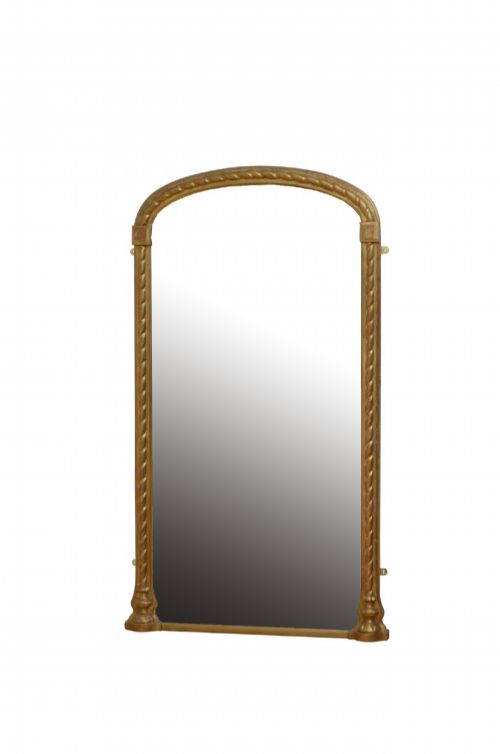
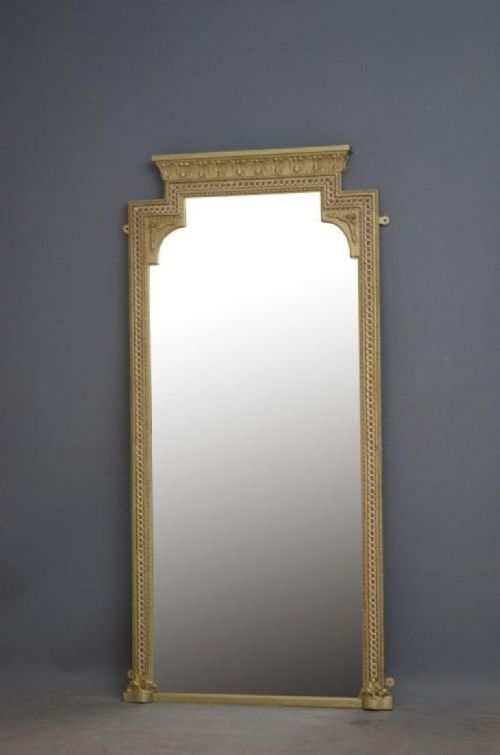
Makers and craftsmen utilised substantial timber frames, applying elaborate crests, rope carvings, and wavy edges to catch the eye. Whether sourced from a French chateau or an English drawing room, each piece carries the distinct hallmarks of its period of manufacture.
How they were made
Makers constructed the core structure primarily from wood, often utilising carved wood, gesso, and plaster to build up complex decorative reliefs and mouldings. Artisans then applied gold leaf or gilt paint over the prepared surfaces to achieve a brilliant metallic sheen.
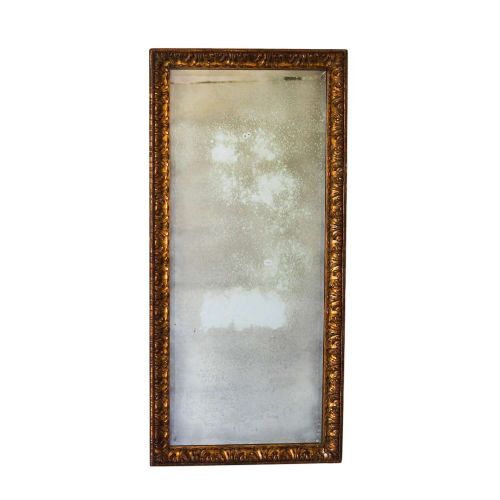
Mirrored glass plates, sometimes showing original distress or foxing over the decades, were set securely into the heavy frames. Structural integrity relied on robust joinery to support the substantial weight of both the timber and the large glass panels.
Materials recorded across the inventory include mirrored glass, gesso, plaster, gold leaf, and structural wood frames.
What varies in quality
The distinction between tiers of quality rests in the depth and crispness of the hand-carved ornamentation upon the wood and gesso. Superior examples display deeply undercut foliage, clean architectural lines, and finely rendered crests rather than shallow, repetitive moulded plaster.
The integrity of the gilding and the preservation of the original mirrored glass plate further separate standard domestic items from high-status statement pieces. Heavier framing timbers and retained original backboards indicate superior original construction.
The Giltwood Full Length Mirror Glossary
- Giltwood
- Timber that has been coated with gold leaf or gilt paint. This finish creates a luminous, reflective surface that defines the character of nineteenth-century frames.
- Gesso
- A plaster-like mixture applied to wood frames as a base for carving and gilding. Artisans mould and carve this substance to create intricate relief decoration.
- Cheval mirror
- A freestanding full-length mirror supported by a pivoting frame between two upright pillars. This design allows the glass to tilt to various angles.
- Pier glass
- A tall, narrow mirror traditionally hung on the pier wall between two windows. These pieces maximise natural light in grand reception rooms.
- Overmantel mirror
- A wide mirror designed to sit directly above a fireplace mantel. They often reflect the length of the room and anchor the decorative scheme.
Giltwood Full Length Mirror: Frequently Asked Questions
How do I secure a heavy leaner mirror?
Heavy leaner mirrors require proper wall anchoring to prevent accidental tipping. Brackets attached securely to the wall behind the frame keep the piece stable.
Position the base firmly on the floor while distributing the upper weight safely against the wall surface.
Where should I place a tall mirror?
Tall mirrors work best opposite windows to maximise natural light distribution. Placing them in hallways or reception rooms also creates an illusion of extended depth.
Ensure the wall can support the considerable weight of timber and glass before installation.
How do I clean antique giltwood frames?
Dust the carved wooden surfaces gently using a soft, dry brush. Avoid moisture and chemical cleaning agents that can damage the delicate gold leaf.
Clean the glass plate separately with a mild glass cleaner applied to a cloth rather than sprayed directly.
What defines a French Rococo Revival mirror?
French Rococo Revival mirrors feature asymmetrical scrollwork, naturalistic floral motifs, and crests such as the camel-crested Louis XV style. These designs emphasise flowing curves over strict symmetry.
Craftsmen working in the nineteenth century revived these eighteenth-century motifs with deep, dramatic carving.