
Louis XV Carved Mirror
A louis xv carved mirror brings sculptural asymmetry and warmth into a room, holding centuries of French design within its gilded frame.
Louis XV Carved Mirror
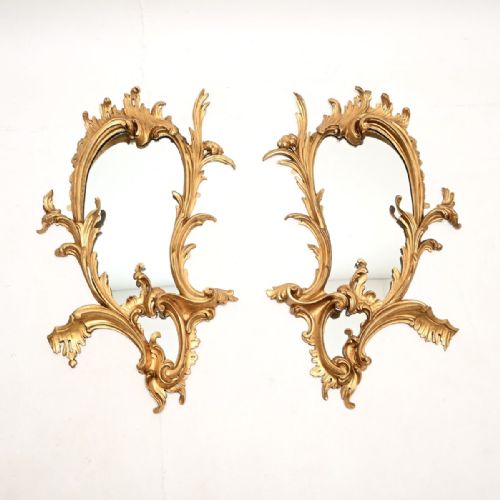
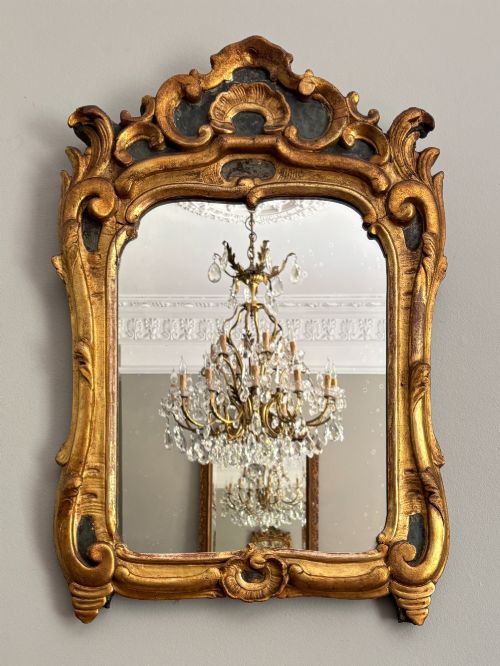
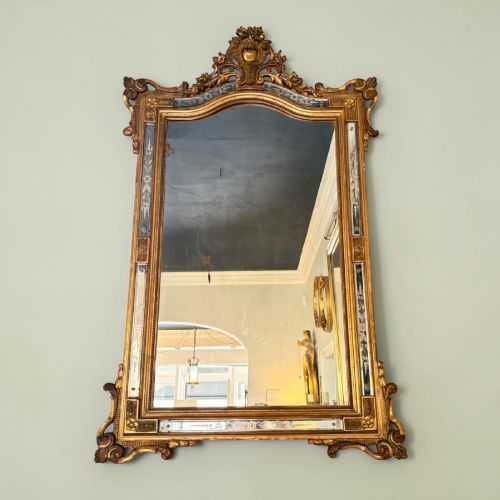
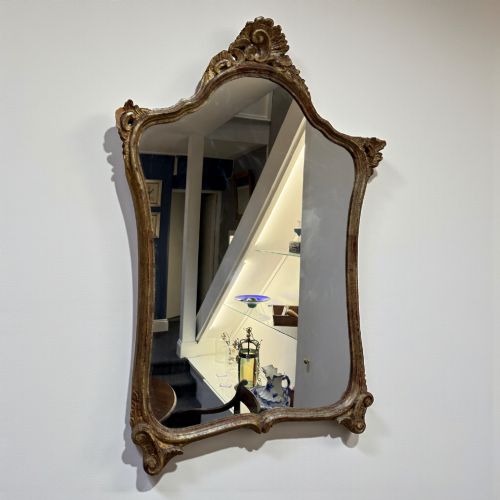
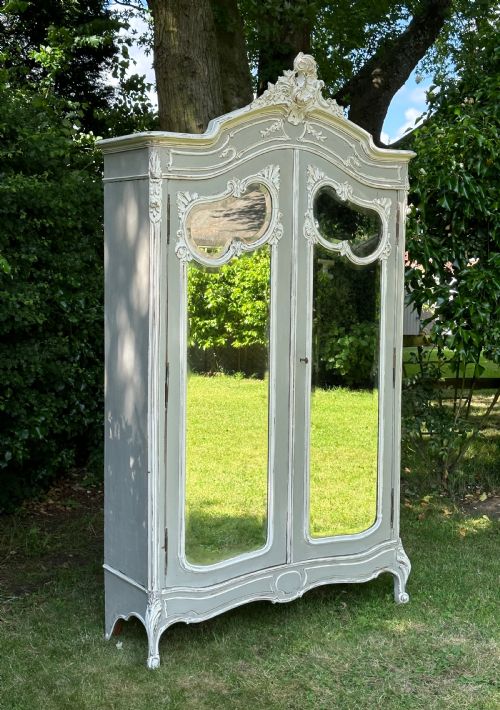
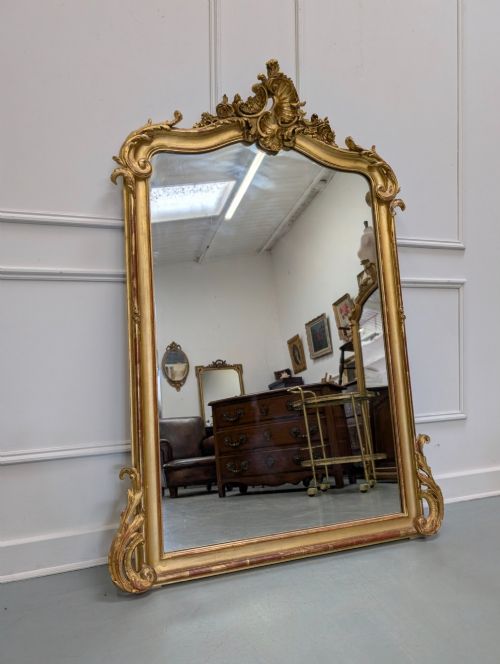
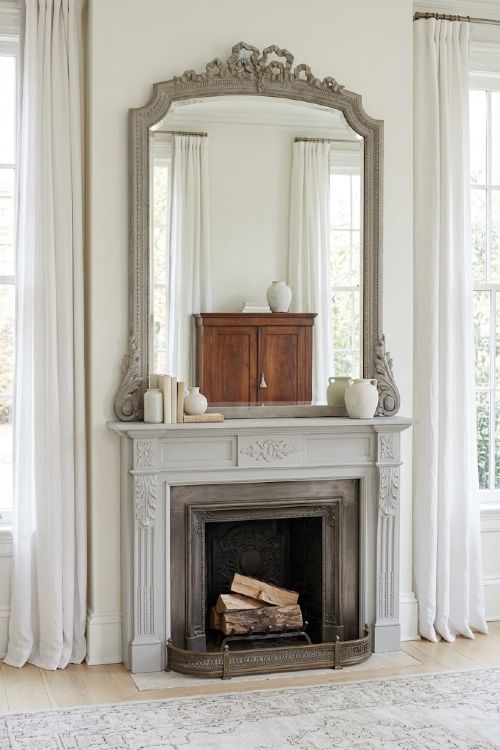
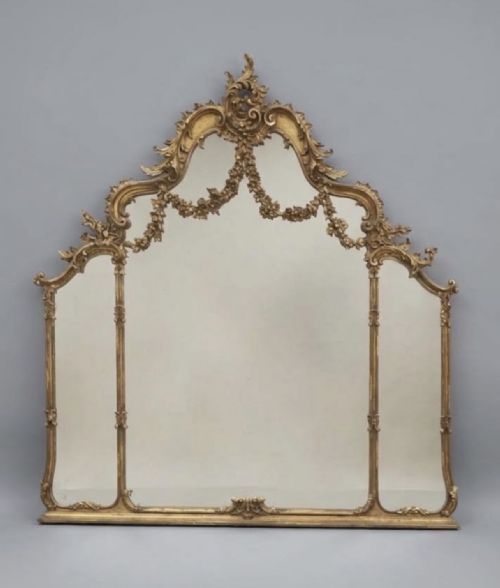
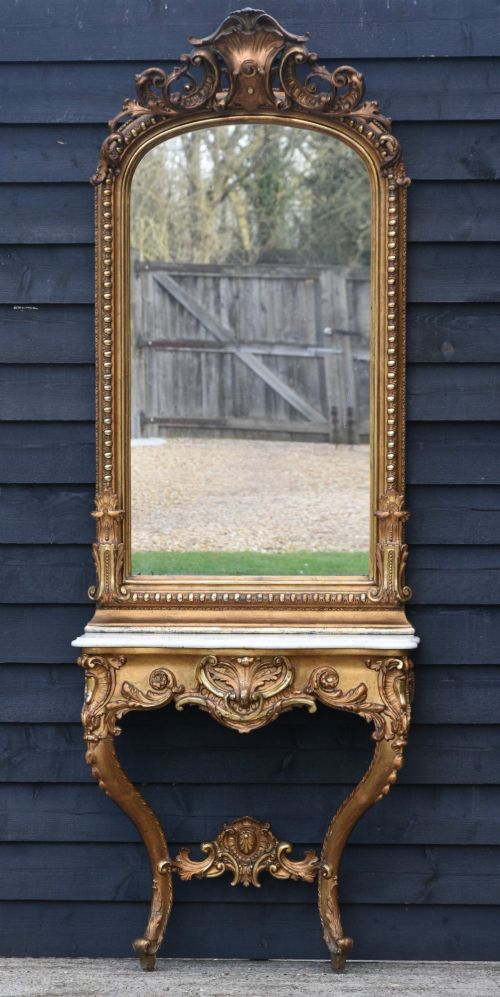
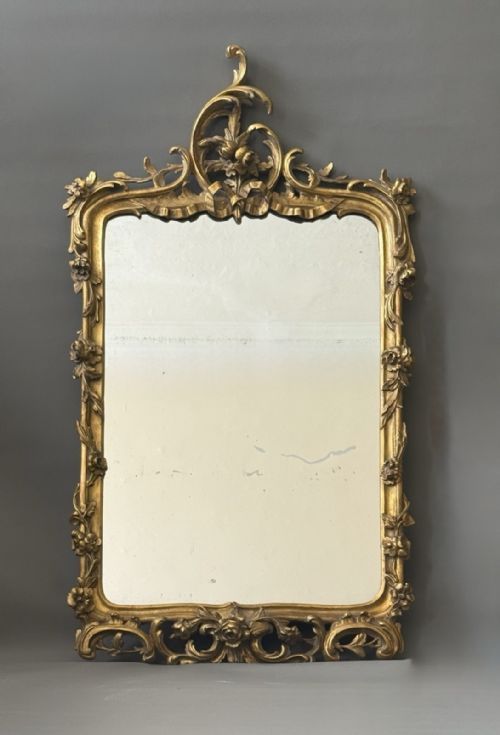
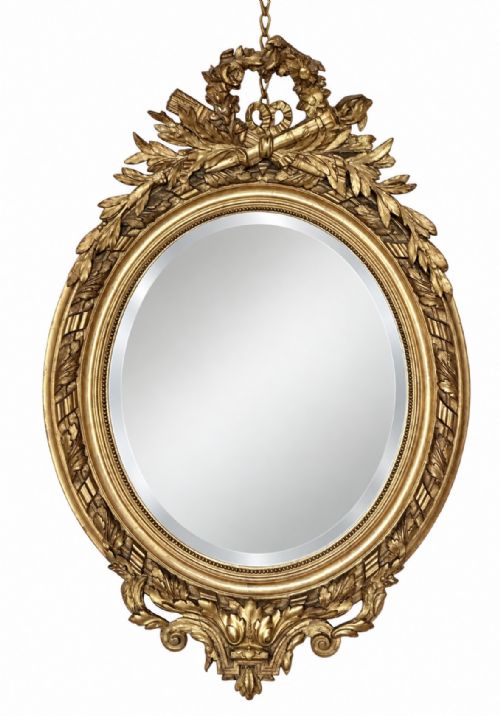
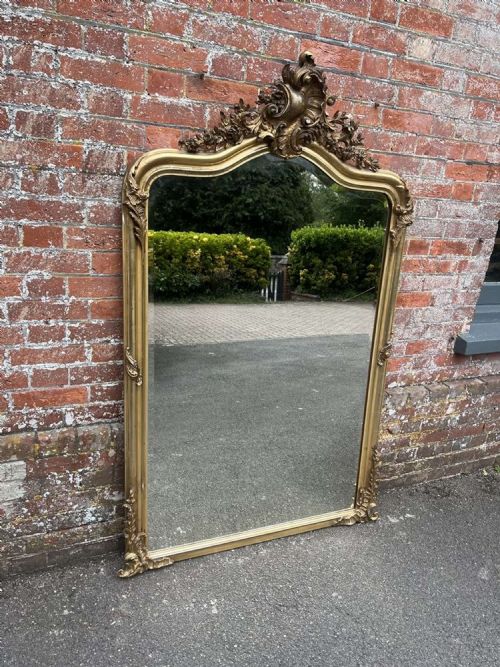
When you search for a louis xv carved mirror, you encounter wall hanging frames, overmantels, and pier glasses originating mostly from France across the eighteenth, nineteenth, and early twentieth centuries. The dominant form on this page is the giltwood wall mirror, displaying the asymmetric scrolls, C-scrolls, and naturalistic foliage characteristic of the Rococo style.
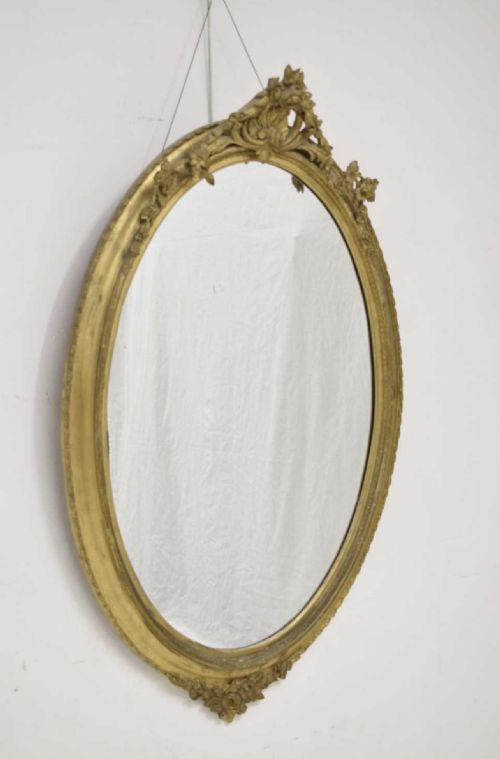
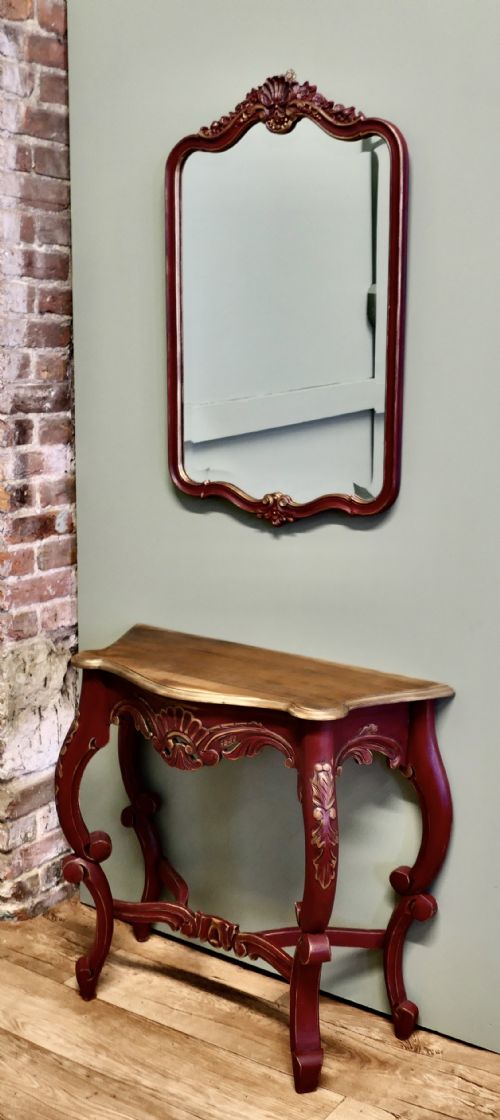
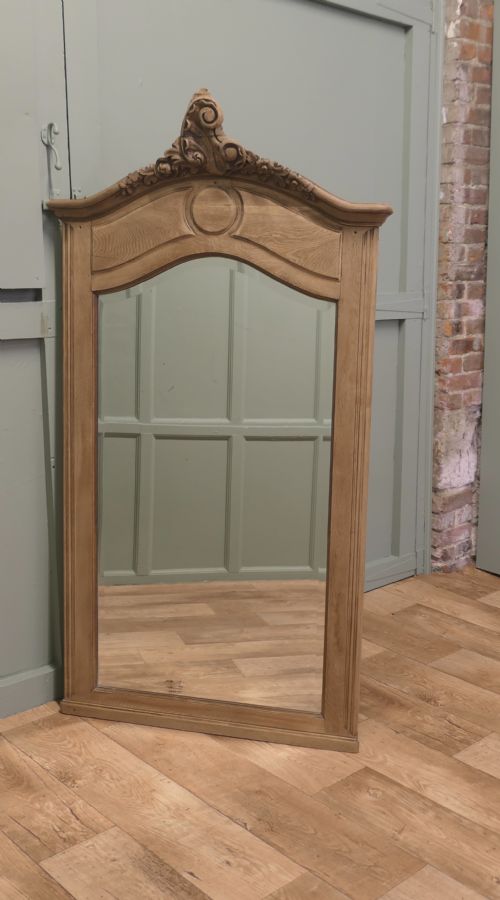
Examples range from genuine eighteenth-century pieces with original mercury plates to nineteenth-century Revival interpretations made in walnut, bleached oak, and parcel gilt wood. You also find trumeau mirrors designed to integrate into architectural panelling above mantels or consoles.
How they were made
Carvers shaped softwoods and hardwoods such as oak, walnut, and pine before applying layers of gesso to create crisp relief details. Artisans then laid gold leaf or applied gilt paint over the prepared surfaces to achieve the characteristic metallic lustre.
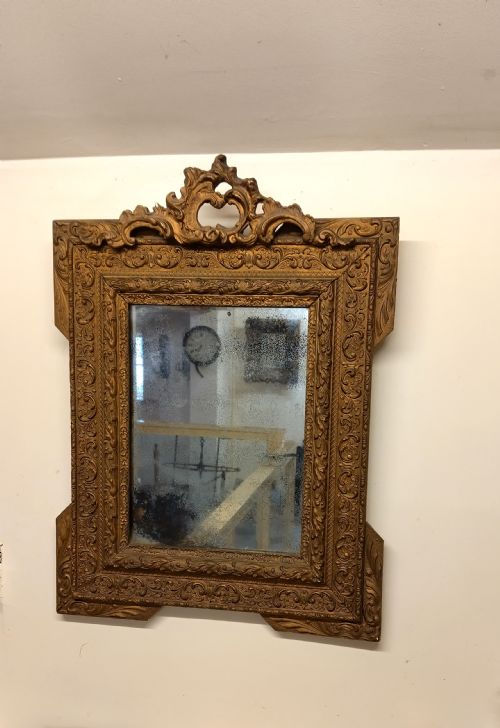
Mirrors from the earlier periods incorporate hand-silvered mercury glass plates, frequently showing foxing and age spots, while later nineteenth and twentieth-century iterations utilise standard bevelled mirror plate.
Some eighteenth-century mirrors have spent more time watching French drawing rooms than most human dynasties last.
What varies in quality
The distinction between tiers rests upon the depth and fluidity of the hand carving rather than surface decoration alone. Superior examples display undercut foliage and confident, asymmetrical scrolls where the wood or gesso shows no mechanical stiffness.
Originality of components also dictates value, distinguishing pieces retaining their primary mercury glass plates and original gilding from those re-gilt or re-plated during later restorations.
The Louis XV Carved Mirror Glossary
- Giltwood
- Timber coated with gold leaf over a prepared gesso ground. This technique creates a warm, reflective metallic surface that ages with a soft patina.
- Mercury glass
- A double-walled blown glass mirror filled with a silvering mixture containing mercury. It creates a dark, atmospheric reflection distinct from modern silver nitrate mirrors.
- Trumeau mirror
- A decorative mirror integrated into a wooden wall panel or overmantel. It frequently combines painted woodwork with carved gilded motifs.
- Cartouche form
- An ornamental frame design resembling a rolled piece of parchment or a shield with scrolled edges. This shape defines many Rococo wall mirrors.
- Foxing
- Brown spots and speckles that develop on old mirror plates as the silvering degrades over time. Collectors prize this ageing for the visual depth it adds.
Louis XV Carved Mirror: Frequently Asked Questions
How do I date a carved mirror?
Dating relies upon examining the construction of the wooden frame, the backboards, and the composition of the glass plate. Eighteenth-century examples often display hand-cut joinery and heavy gesso layers over pine or oak.
Nineteenth-century revival pieces utilise machine-sawn timber and different fastening methods. The presence of foxed mercury glass strongly points to an earlier manufacture date.
Can I hang these heavy mirrors safely?
Most antique giltwood and carved wooden mirrors carry substantial weight due to dense timber frames and thick plaster gesso work. Professional wall fixings suited to your specific wall construction are essential for secure installation.
Weight distribution should be spread across multiple brackets or heavy-duty wire attached directly to the primary frame structure rather than secondary backing boards.
What is the difference between Rococo and Louis XV style?
Rococo is the broader artistic movement characterised by asymmetrical curves, shell motifs, and organic scrollwork that emerged in France during the eighteenth century. Louis XV style specifically references the furniture and decorative arts produced during that monarch's reign.
Nineteenth-century revival pieces adopt these exact eighteenth-century design vocabularies. Dealers often use both terms interchangeably to describe the flowing, undulating aesthetic.
How do I clean an antique giltwood frame?
Dusting requires a very soft, dry brush to remove particles without disturbing delicate gesso or flaking gold leaf. Moisture and chemical cleaning agents must be avoided entirely.
Water or commercial sprays will strip fragile gilding and damage underlying wooden substrates. Gentle maintenance preserves the historical surface integrity.