



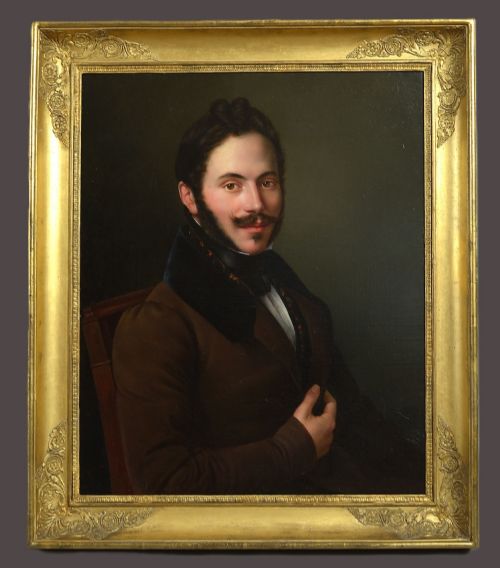


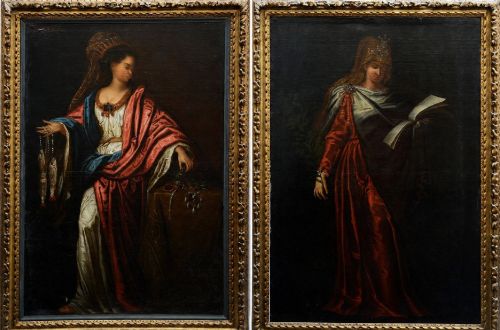
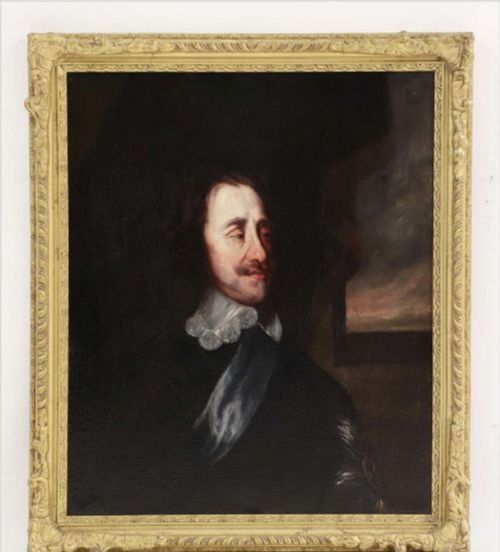
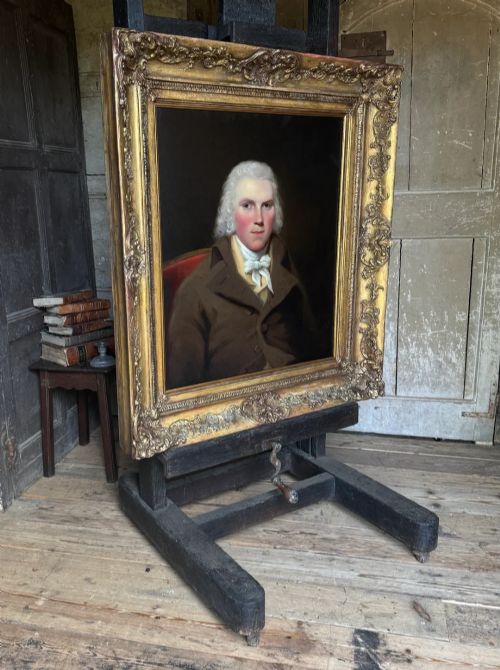

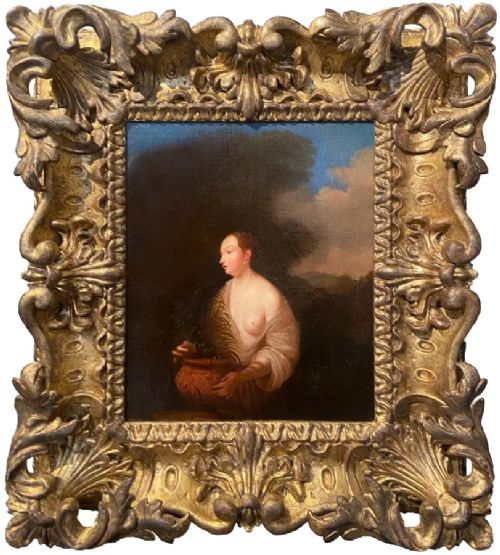
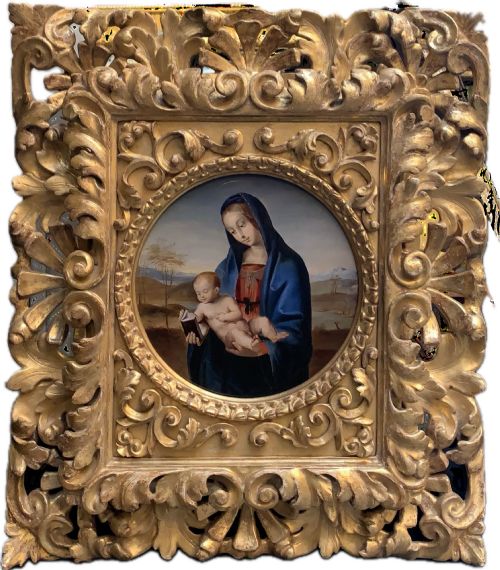
Giltwood Framed Oil Portrait
A giltwood framed oil portrait brings centuries of painted character and gilded reflection into a room.
Giltwood Framed Oil Portrait
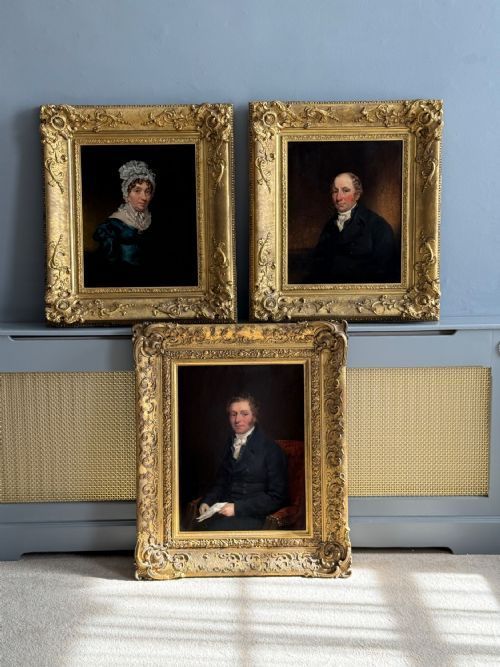
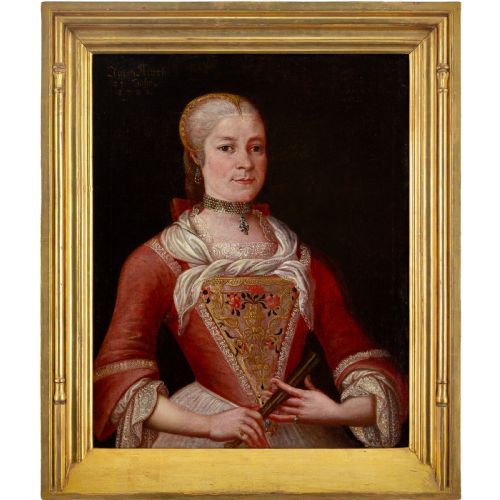
A giltwood framed oil portrait captures historical sitters, nobility, and everyday subjects rendered on canvas or panel within ornate wooden borders. These works span from the sixteenth century through the nineteenth century, encompassing distinct regional schools such as the Dutch Golden Age, British school, and French Baroque.
Most pieces encountered on this page date from the eighteenth and nineteenth centuries, reflecting Georgian and Victorian aesthetic preferences. Portraits range from intimate depictions of children and physicians to grand representations of officers and monarchs.
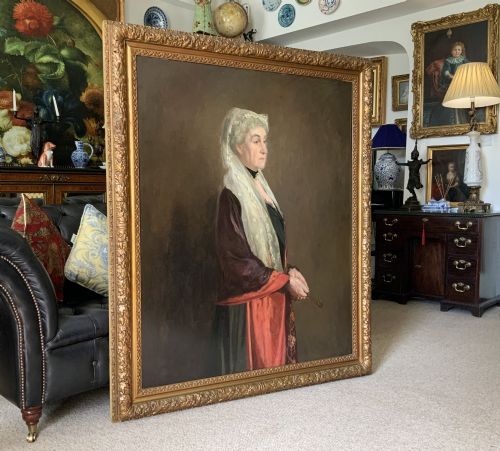
The combination of oil paint and carved, gilded surrounds creates a substantial visual presence on a wall. Buyers select these artworks to anchor a traditional interior scheme with authentic period craftsmanship.
Materials and construction
Artists painted primarily with oil on stretched canvas or wooden panels, applying layers of pigment to build depth in clothing, skin tones, and background details. Canvases were prepared with gesso grounds before painting commenced.
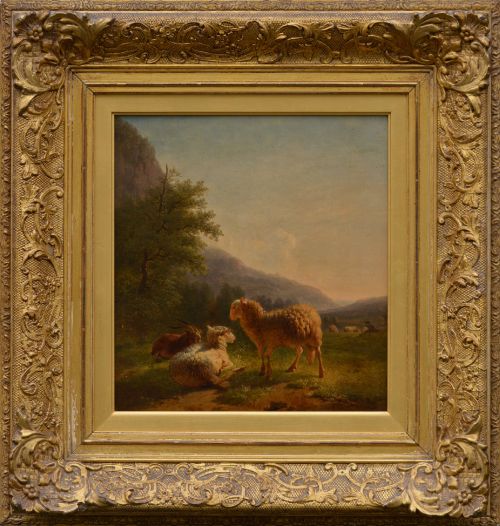
Frames consist of carved wood, often pinewood or hardwoods, coated in gesso and finished with layers of gold leaf or metallic gilt. Artisans carved intricate moulding, scrolling foliage, and corner cartouches to complement the status of the sitter.
Listings feature works spanning the sixteenth to the twentieth centuries, utilising oil on canvas, wood panels, and carved giltwood frames.
Distinctions in quality
The craftsmanship of the enclosing frame contributes significantly to the overall merit of the piece. Deeply carved wooden mouldings with hand-applied gold leaf represent superior workshop output compared to simpler, flat profiles or later replacement frames.
Joseph Clover RA·Sir Anthony van Dyck·Thomas Murray·Edouard Pingret·Sir Joshua Reynolds RA·Nicolaes Maes
The Giltwood Framed Oil Portrait Glossary
- Giltwood
- Wood carved and coated with gold leaf or metallic powder over a gesso base. This finish provides the bright, reflective border characteristic of period frames.
- Gesso
- A plaster mixture applied to wood panels or frame moulding to create a smooth surface for gilding or painting. It accepts fine carving detail before finishing.
- Oil on Canvas
- Pigment mixed with drying oils applied to woven fabric stretched over a wooden frame. This medium allows for rich colour blending and gradual drying times.
- Periwig
- A bulky, artificial hairstyle popular among men during the seventeenth and early eighteenth centuries. Its presence helps date portraits from the restoration period onward.
- School
- A grouping of artists working in a particular region, period, or under the influence of a master. It denotes stylistic origins when a direct attribution is uncertain.
Giltwood Framed Oil Portrait: Frequently Asked Questions
How do I date an oil portrait?
Clothing, hairstyles, and framing styles offer the primary clues for dating an antique portrait. Sitters often wore the height of contemporary fashion, which can be cross-referenced with historical costume records.
Techniques in canvas preparation and stretcher construction also evolve over the centuries. Examining the reverse of the canvas often reveals old stencils, stamps, or lining materials that narrow down the period of creation.
Where should I hang a framed portrait?
These works require wall space away from direct sunlight and excessive moisture to protect both the oil pigments and the delicate gilt frame. Placing them at eye level in principal rooms allows the detail of the brushwork to be appreciated.
Traditional settings include dining rooms, libraries, and hallways where darker backgrounds complement gilded mouldings. Adequate wall lighting enhances the depth and luminosity of the oil layers.
Are original frames important?
The frame contributes significantly to the historical integrity and visual harmony of the artwork. Period frames designed specifically for the canvas reflect the aesthetic standards of the time when the portrait was painted.
While frames are sometimes replaced or regilded over centuries, matching a seventeenth-century canvas with a contemporary carved giltwood moulding preserves the intended presentation.
How do I care for giltwood frames?
Giltwood surfaces require gentle maintenance using a soft, dry brush to remove dust from intricate carvings. Moisture and liquid cleaners can damage the fragile gesso and gold leaf layers.
Stable indoor humidity prevents the underlying wood from warping and cracking the gesso. Careful handling avoids chipping the delicate raised ornaments along the corners and edges.