


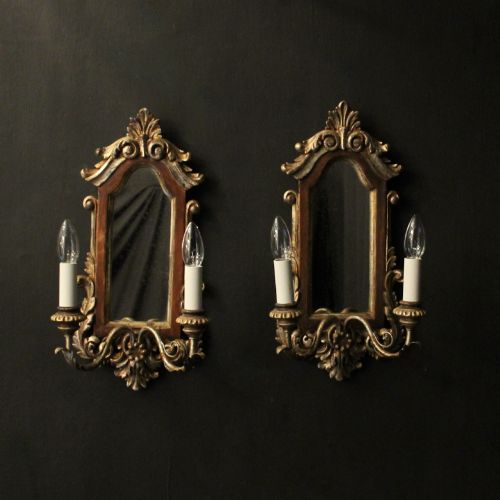
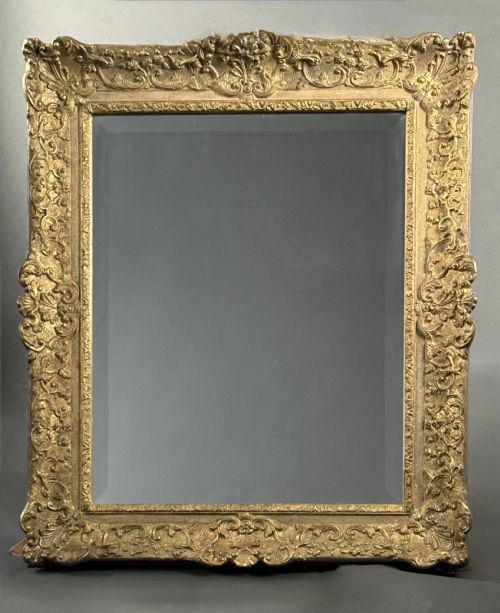
Giltwood Framed Mirror
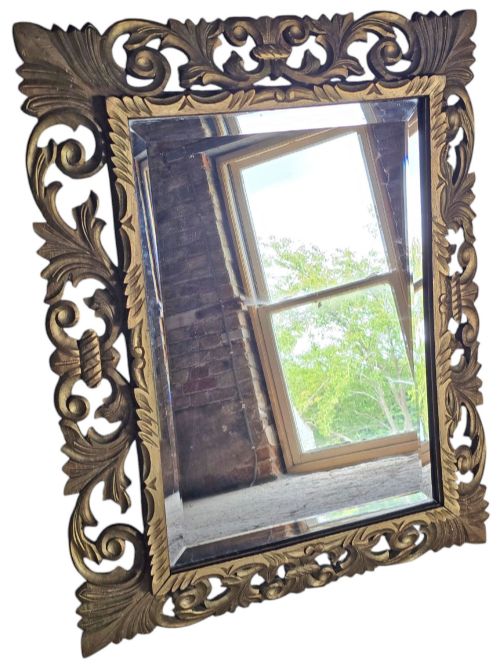
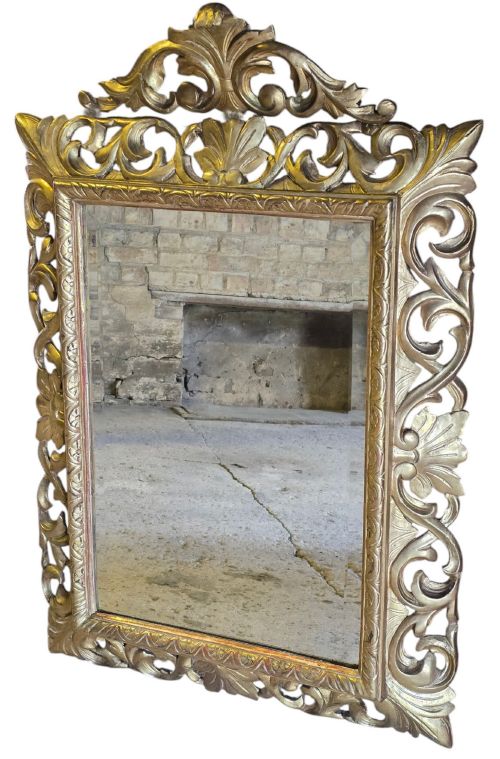
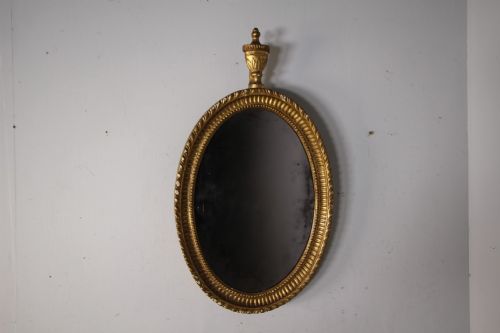
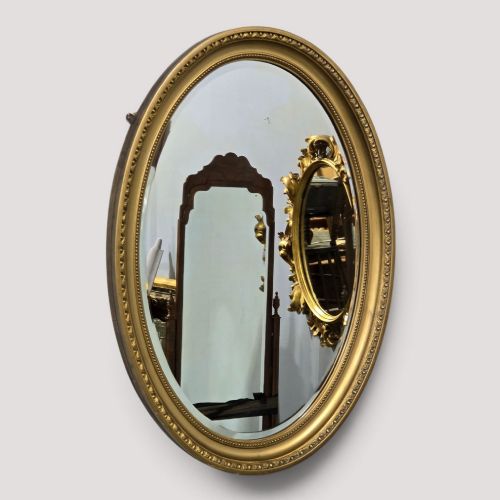
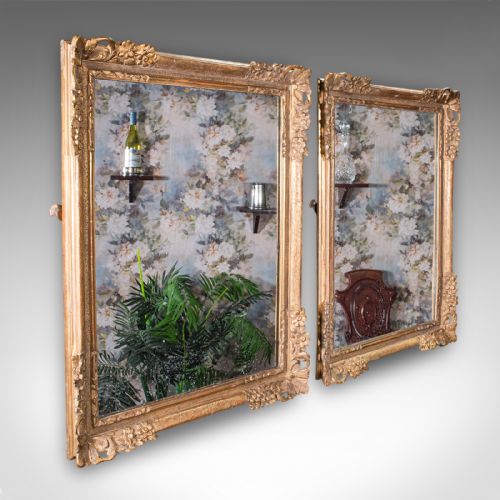
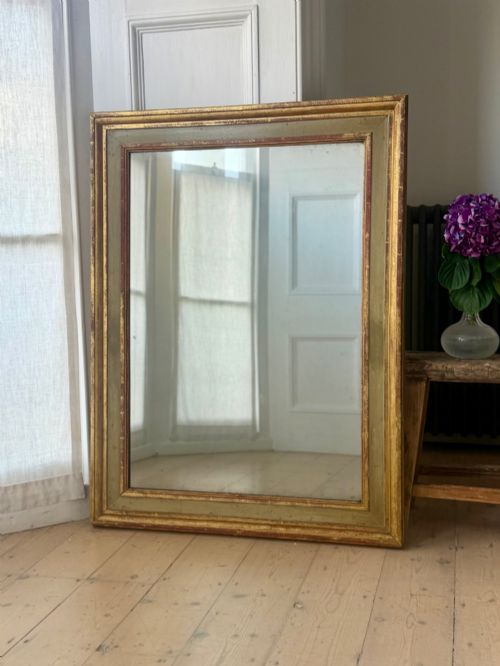
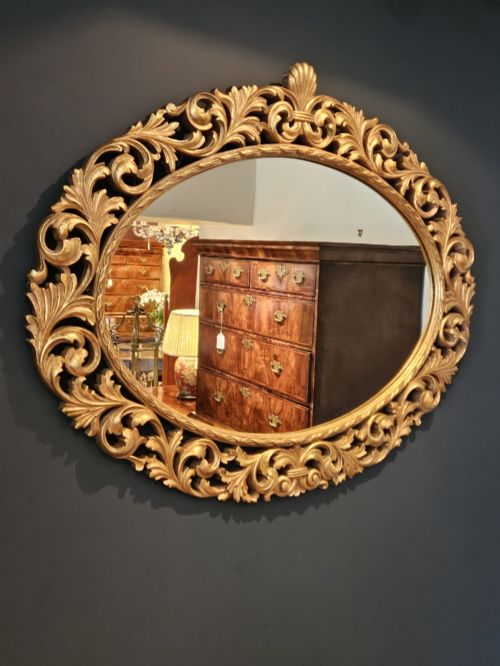
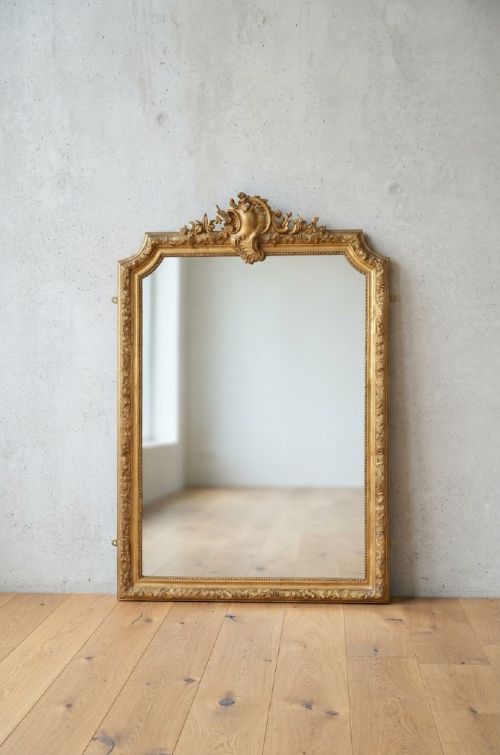
A giltwood framed mirror brings warmth and reflective depth to a room through carved timber surfaces finished in gold leaf or gesso.
Giltwood Framed Mirror
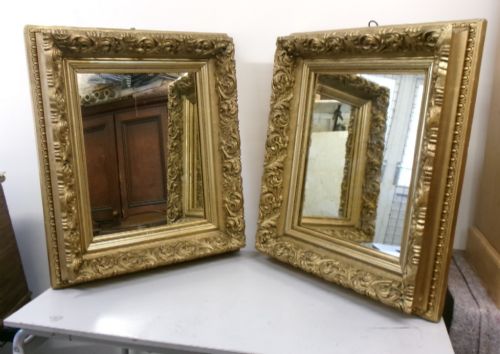
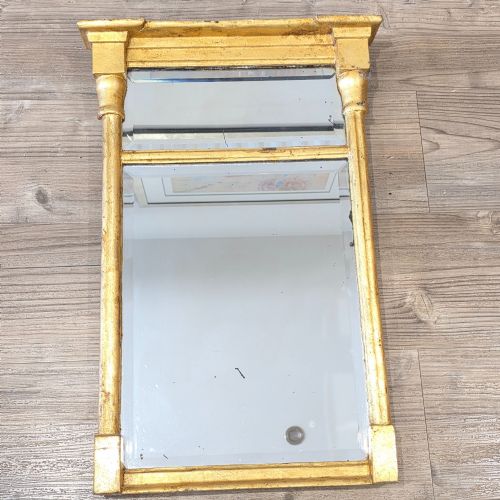
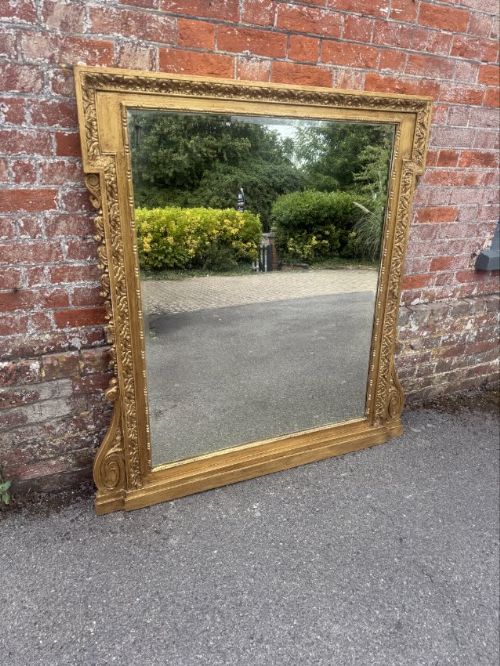
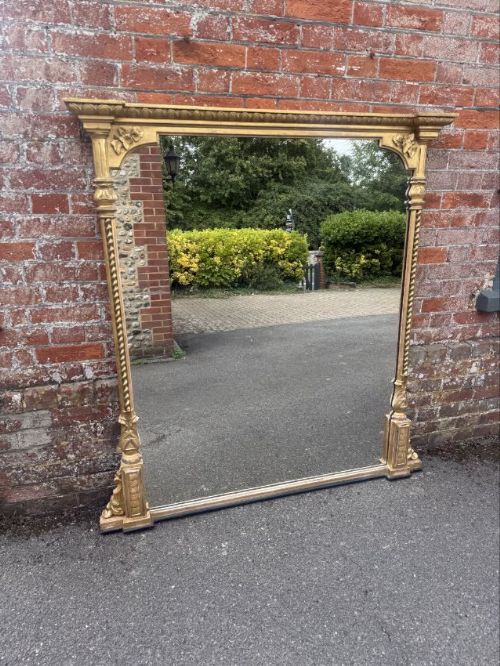
A giltwood framed mirror is defined by its wooden structure coated in gold leaf, gesso, or composition, encompassing forms such as large overmantels, tall pier mirrors, and compact girandoles. Buyers searching for a giltwood framed mirror encounter pieces spanning the eighteenth, nineteenth, and early twentieth centuries, with Victorian and nineteenth-century examples appearing frequently alongside Regency and French neoclassical designs.
Overmantel mirrors dominate the larger formats, often designed to sit above a fireplace with substantial proportions and ornate carvings. Wall mirrors and oval formats offer alternative scales, while pier mirrors provide vertical presence suited for narrow wall spaces between windows or doors.
Materials and construction
The construction of a giltwood framed mirror typically involves carved timber, such as pine or walnut, built with mortise and tenon joints or layered with applied gesso to receive intricate ornamentation. Artisans applied thin layers of gold leaf or silver-gilt over the prepared ground, sometimes combining carved wooden elements with moulded composition details to achieve deep relief.
Glass plates within these frames range from early mercury glass, which exhibits characteristic foxing and mottling, to later bevelled mirror plates set into rebated timber backs. Original backboards and pine framing timbers frequently show hand-cut joinery and historic fixings consistent with their period.
Listings feature eighteenth-century walnut and parcel gilt examples alongside nineteenth-century French Louis Philippe styles and Victorian gesso designs.
Assessing craftsmanship
The quality of a giltwood framed mirror rests upon the crispness of the hand-carved ornamentation and the depth of the gilding technique. Superior examples display sharp undercutting in acanthus leaves, floral motifs, and rope twists, whereas simpler pieces rely on moulded composition that lacks the same sculptural definition.
The integrity of the surface finish and the preservation of the original mercury glass plate contribute significantly to the character and standing of the piece. Subtle ageing, such as minor losses to the gold leaf or natural foxing on the glass, distinguishes authentic period items from later reproductions.
The Giltwood Framed Mirror Glossary
- Giltwood
- Timber that has been coated with gold leaf or gold paint. This finish gives the frame its characteristic metallic sheen and warmth.
- Gesso
- A plaster-like mixture applied to wood frames to create a smooth surface for gilding. It allows carvers to shape intricate relief details before applying gold leaf.
- Mercury glass
- A double-walled glass blown type silvered with a mercury amalgam between the layers. This material develops a mottled, foxed appearance over time.
- Overmantel mirror
- A large horizontal mirror designed specifically to hang above a mantelpiece. These pieces often feature grand proportions and elaborate carved crests.
- Pier mirror
- A tall, narrow mirror designed to hang on the wall space between windows. They frequently incorporate candle arms or matching console tables.
Giltwood Framed Mirror: Frequently Asked Questions
How do I hang a heavy overmantel mirror?
Heavy overmantel mirrors require secure wall fixings anchored directly into masonry studs or structural timber battens. Due to the substantial weight of the carved wood and glass plate, professional installation ensures the frame is properly supported.
Positioning the mirror at the correct height above the fireplace balances the proportions of the room and distributes the physical load evenly across the mounting brackets.
What is mercury glass?
Mercury glass is a type of double-walled blown glass silvered internally with a reflective liquid mixture. This historical technique produces a distinctive cloudy or speckled appearance behind the glass surface.
Over decades, chemical reactions create dark spots known as foxing, which collectors value as an indicator of genuine age.
How do I clean a giltwood frame?
Cleaning a giltwood frame involves gently dusting the carved surfaces with a very soft, dry brush or feather duster. Moisture and chemical cleaners damage fragile gold leaf and historical gesso.
Keeping the frame away from direct sunlight and excessive humidity preserves the delicate metallic finish and prevents the timber from warping.
How can I tell a Victorian mirror from a Regency one?
Regency mirrors frequently feature classical motifs like balls, reeded columns, and convex plates reflecting neoclassical influences. Victorian examples often display heavier, deep-relief carving incorporating naturalistic elements such as acanthus leaves and rose vines.
Examining the construction methods on the reverse, including the type of screws and timber grain, helps clarify the period of manufacture.