


19th Century Gesso Wall Mirror
A 19th century gesso wall mirror brings reflective depth and heavy architectural ornament to a room through traditional plaster moulding over timber frames.
19th Century Gesso Wall Mirror
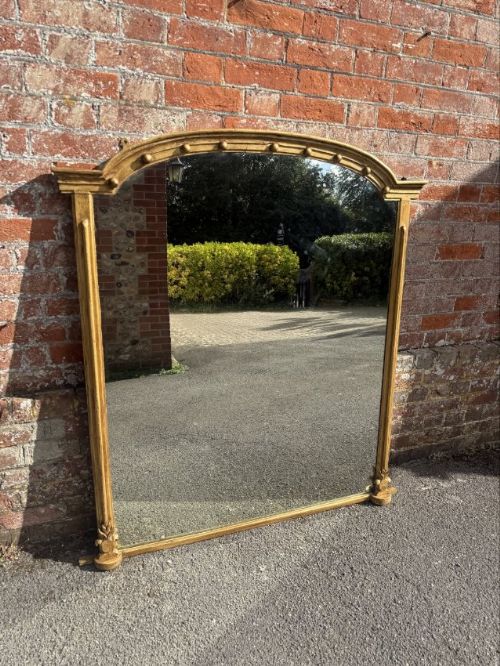
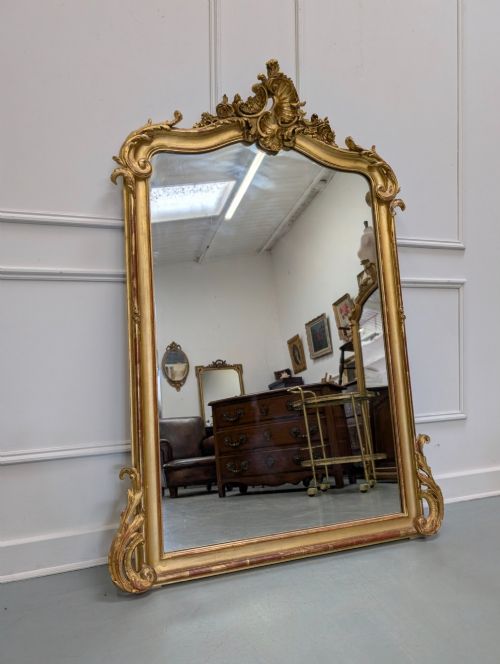
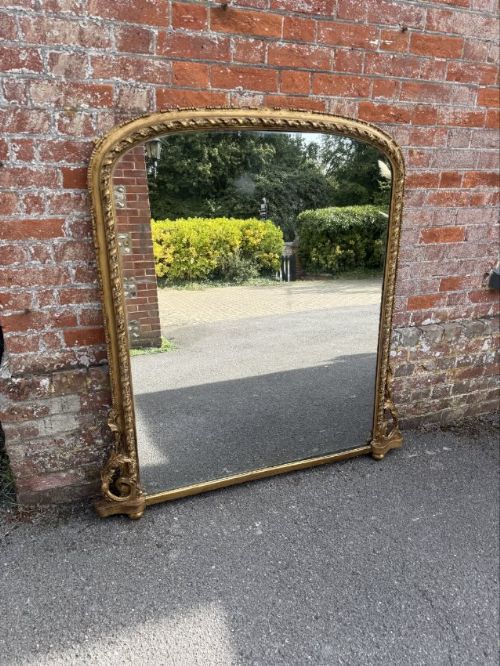
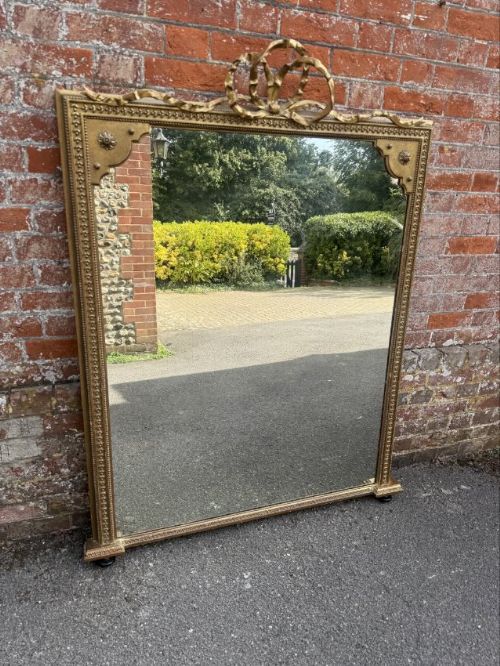
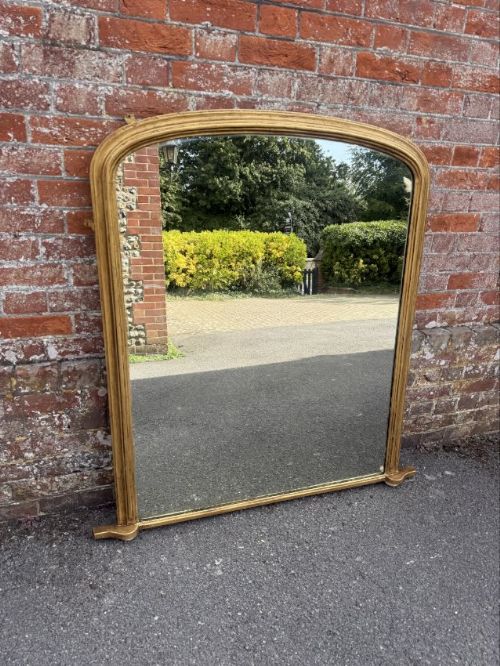
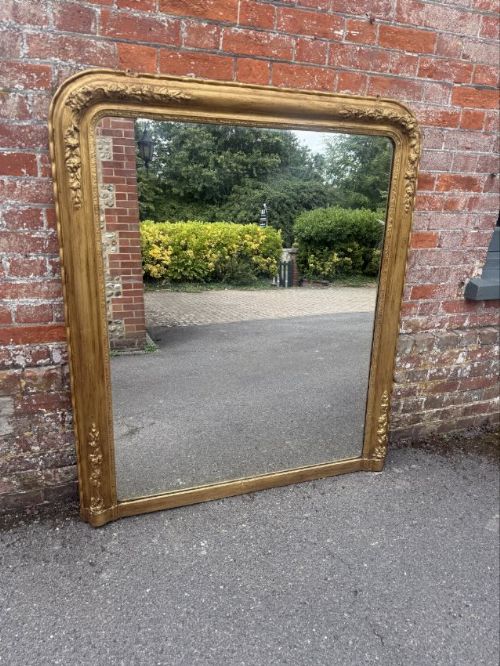
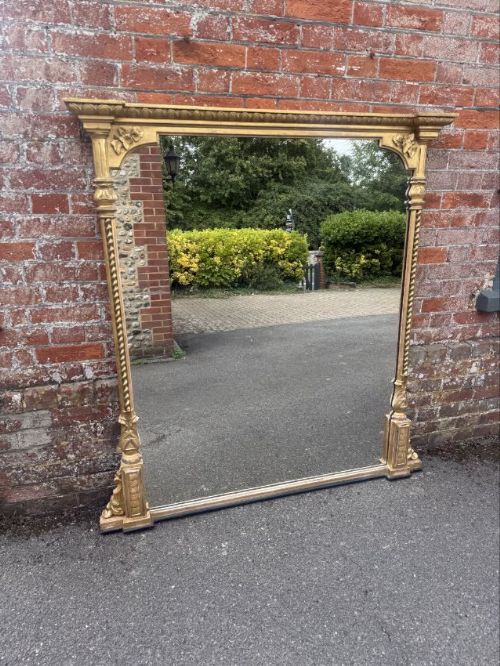
A 19th century gesso wall mirror typically takes the form of large overmantels, arched top pier mirrors, and decorative French chateau or Rococo Revival wall pieces. These items serve to bounce light around a room while anchoring a fireplace or main wall with substantial decorative presence.
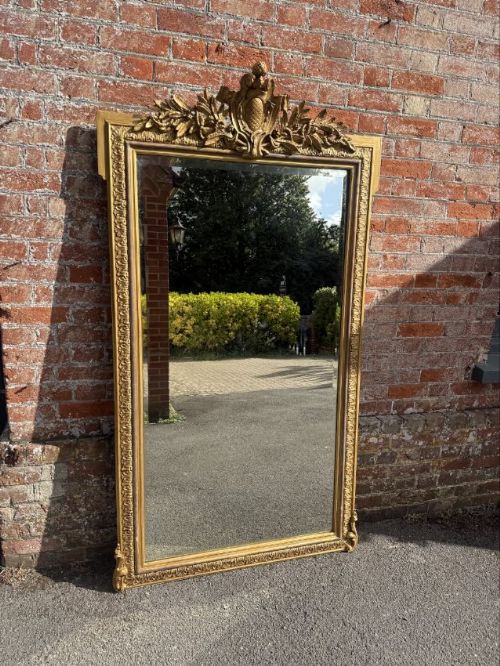
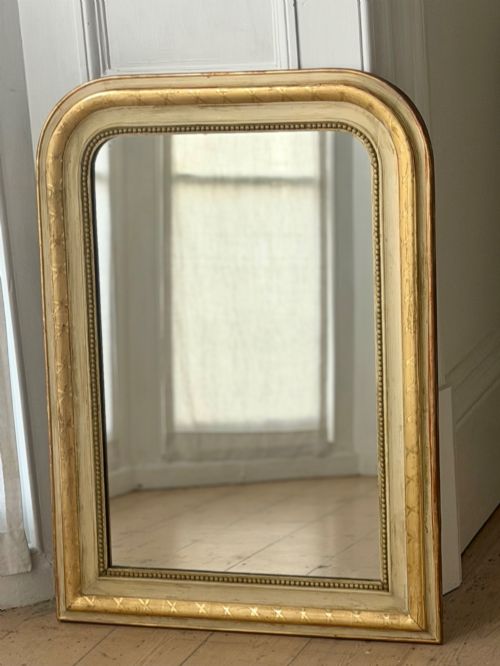
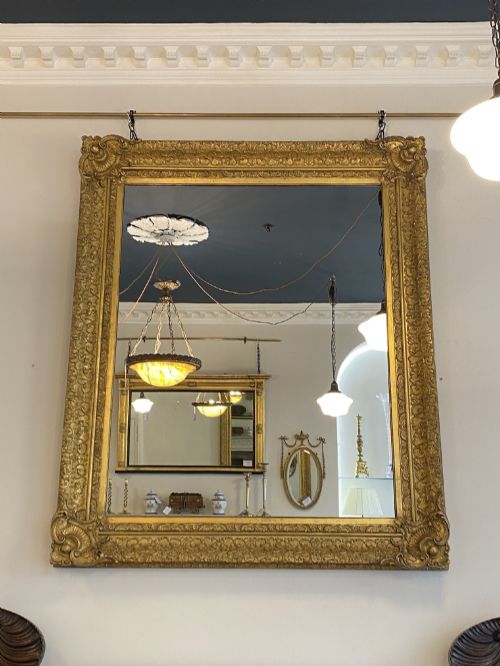
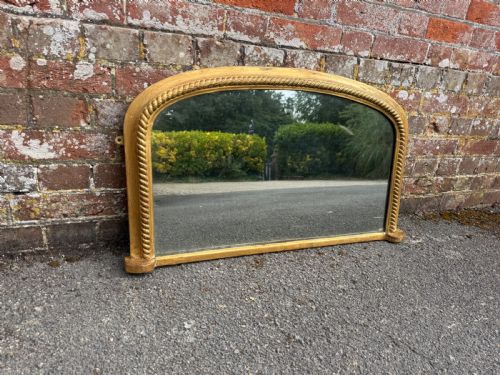
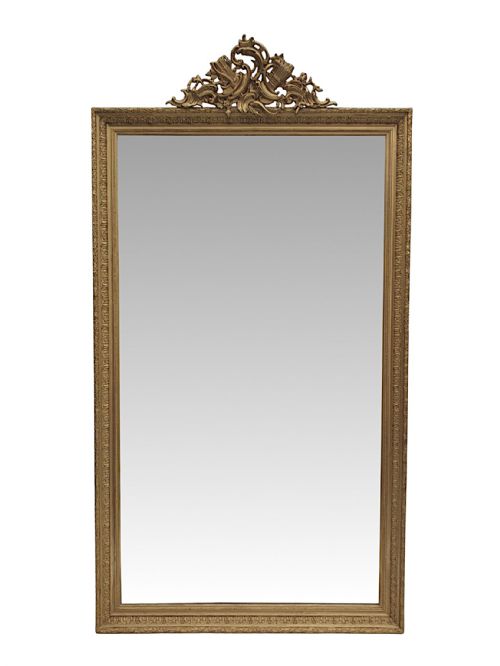
The inventory on this page leans heavily toward English overmantel mirrors with arched tops and French variants featuring ornate floral, scroll, or Louis Philippe styling. Pieces span the Victorian era, the Regency period, and mid to late nineteenth-century continental workshops.
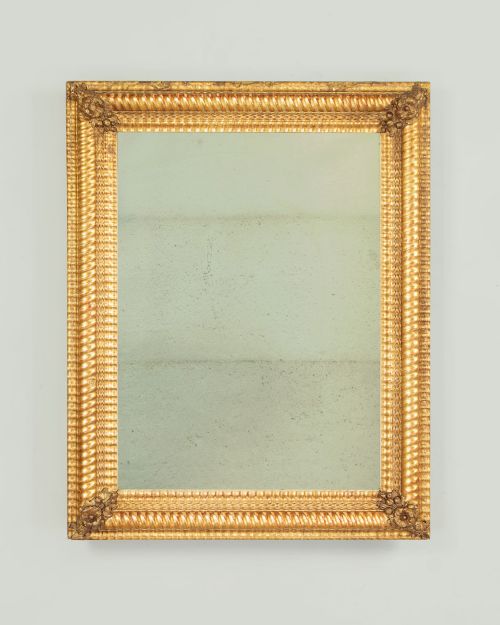
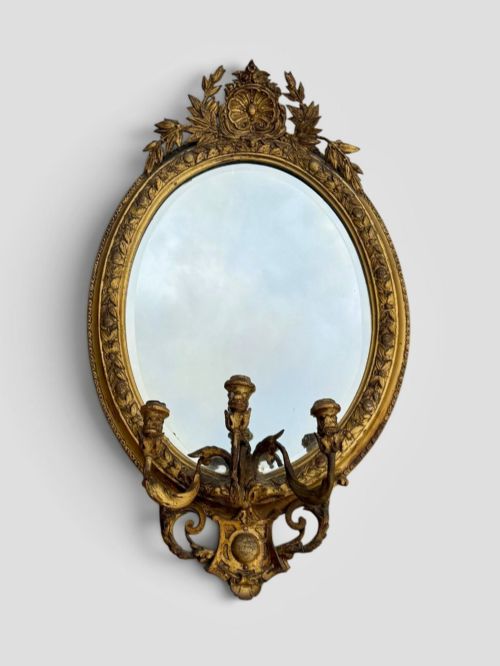
Buyers encounter both grand formats meant for hanging above mantelpieces and smaller dressing or girandole styles designed for intimate spaces. Frames exhibit distinct profiles such as rope twists, ribbed mouldings, columns, and tulip motifs.
Materials and construction
Makers built the foundational structure using carved wood, typically pine or oak, which provided a sturdy armature for heavy hanging. Onto this timber base, artisans applied successive layers of gesso, a mixture of chalk and binder, to build up deep relief details.
Giltwood elements or gold leaf were then applied over the prepared gesso surfaces, alongside painted finishes in cream, red, or silvered tones. Mirror glass, often original to the period, was fitted into the rebate behind secure wooden backboards.
Several French models feature hand-modelled cherubs peering out from the gesso foliage, keeping a silent watch over the room.
Distinguishing quality
The depth and crispness of the carved gesso relief separate standard output from superior pieces, as skilled modellers achieved sharper floral motifs and cleaner architectural lines. The integrity of the original gilding or layered paintwork also dictates the visual success of the surface.
Proportion plays a major role, with well-balanced frames possessing harmonious borders that do not overpower the central mirror glass. Surviving plates with authentic foxing or original mercury backing hold greater historical appeal than modern replacement glass.
The 19th Century Gesso Wall Mirror Glossary
- Gesso
- A plaster-like material made from chalk, gypsum, and a binding agent, applied to wood frames to create a smooth or raised surface for gilding.
- Overmantel Mirror
- A large horizontal or arched mirror specifically designed to hang above a fireplace mantel.
- Giltwood
- Wood that has been thinly coated with gold leaf or gold paint, frequently utilised on decorative nineteenth-century frames.
- Girandole
- A wall mirror featuring attached candle sconces that reflect and multiply candlelight into the room.
- Louis Philippe
- A mid-nineteenth-century French style characterised by simple curved top corners, understated frames, and restrained ornamentation.
19th Century Gesso Wall Mirror: Frequently Asked Questions
How do I hang a heavy overmantel mirror safely?
Due to the substantial weight of timber, thick gesso, and glass, these mirrors require secure wall fixings anchored directly into masonry or heavy studs.
Professional mirror hangers often utilise specialised heavy-duty brackets or French cleats distributed across the frame width to support the load safely.
Are the mirror plates original?
Many nineteenth-century mirrors retain their original glass, which often displays characteristic light oxidation, minor speckling, or age spots known as foxing.
While some pieces have received replacement glass over the decades, original plates offer a softer, more atmospheric reflection.
How do I clean gesso and gilt surfaces?
These delicate surfaces require dry dusting with a very soft brush or microfibre cloth to remove accumulated particles without disturbing the fragile plaster relief.
Water and chemical cleaning solutions must be avoided entirely, as moisture softens historical gesso and strips away gold leaf or painted finishes.
What is the difference between Victorian and French styles?
Victorian English mirrors often emphasise architectural utility through heavy overmantels, rope twists, and column frames suited to domestic hearths.
French pieces from the same era, such as Rococo Revival or Louis Philippe designs, tend to focus on flowing organic motifs, asymmetrical scrolls, and softer painted or cream-gilt palettes.