


Giltwood Chimney Glass
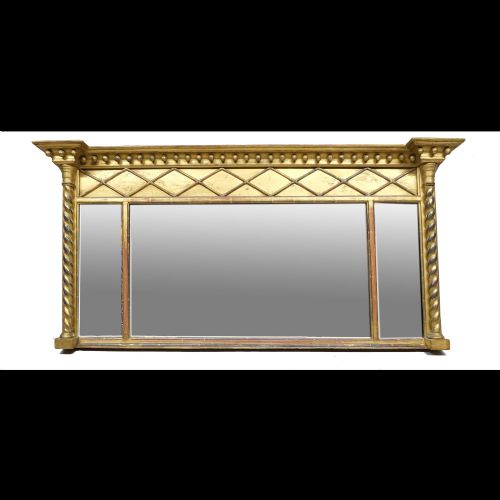
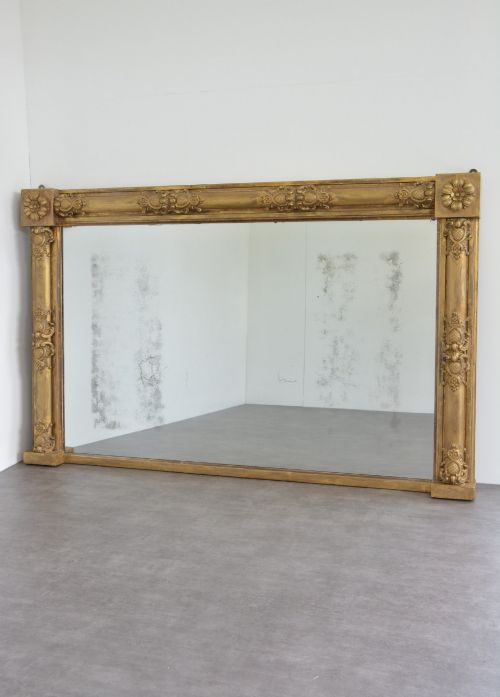
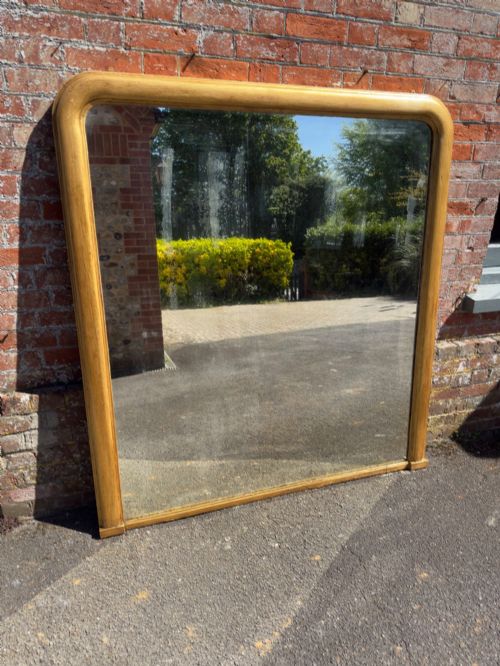
A giltwood chimney glass brings warmth and reflected light to a room, anchoring the hearth with traditional craftsmanship.
What these pieces are
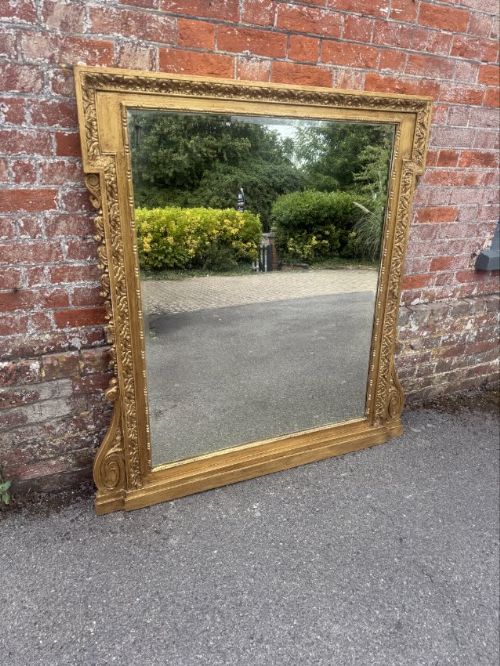
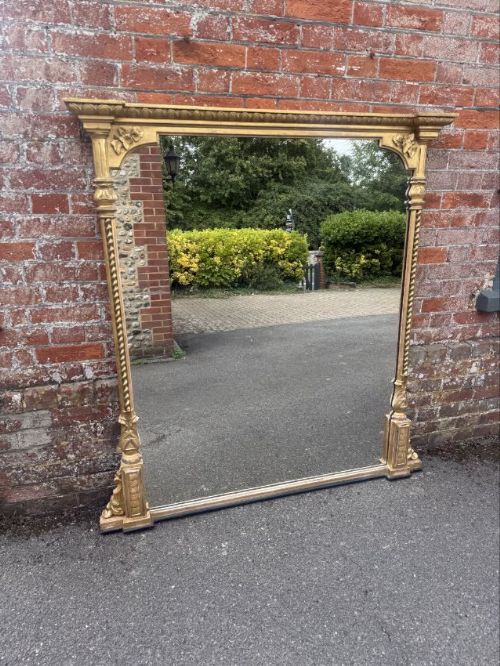
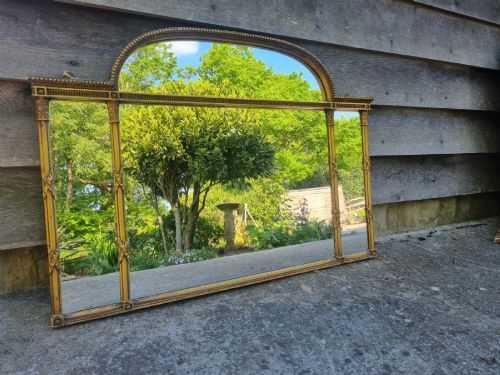
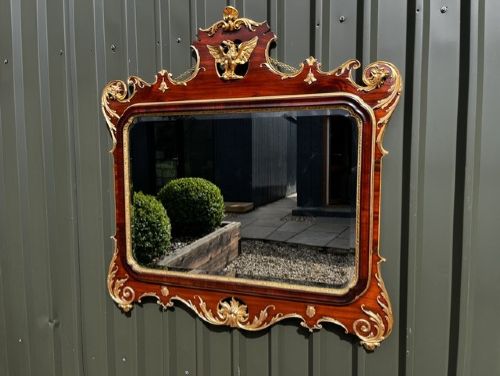
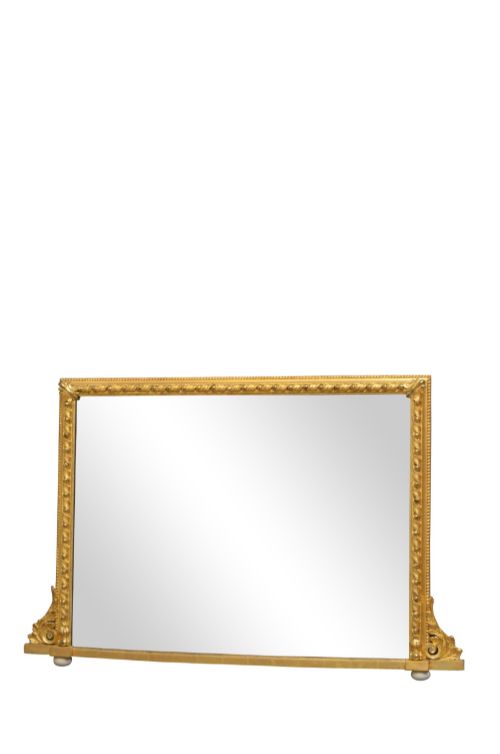
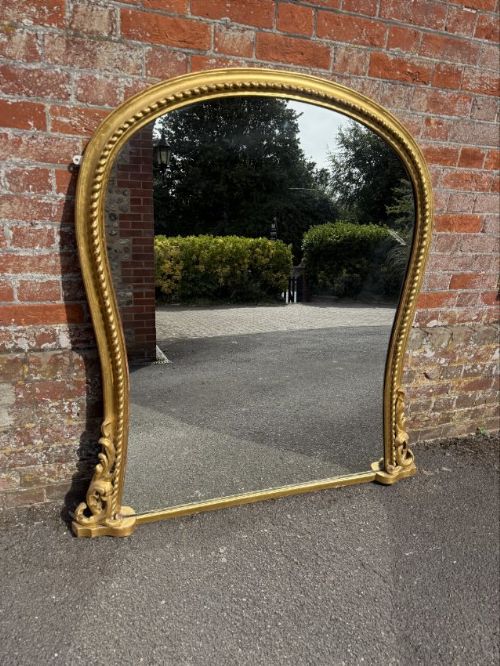
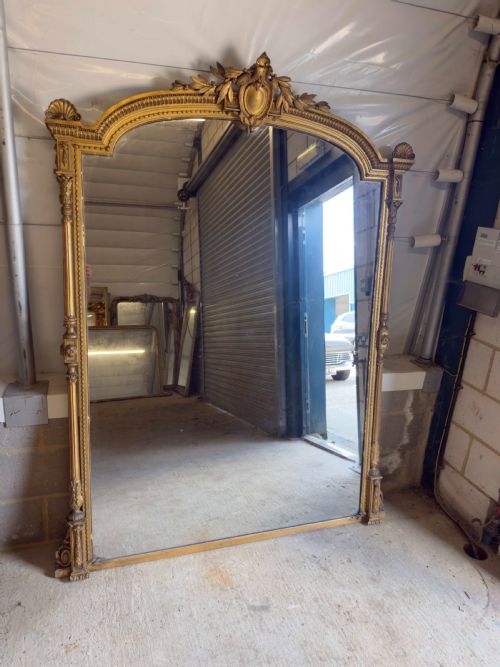
When you search for giltwood chimney glass, you are looking at large architectural mirrors designed to hang above a fireplace mantelpiece. The pieces found here span multiple periods, including the Regency era, the eighteenth century, eighteen fifty, nineteen hundred, and nineteen twenty.
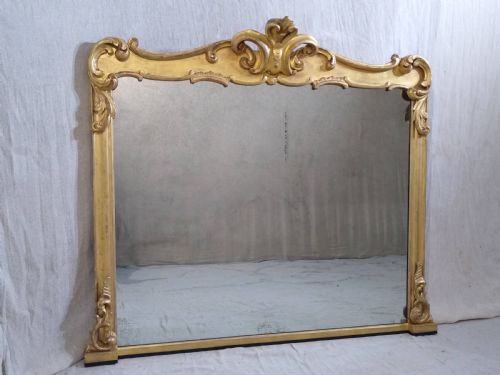
The forms listed on this page appear primarily as overmantel mirrors and broader mirror types. Styles range from Regency and Chippendale to Victorian Rococo Revival and French Chateau aesthetics.
Most examples you encounter on this page utilise classic giltwood frames combined with traditional glass plates. Their origins reflect varied periods of British and continental design history.
How they were made
Makers constructed these frames using timber foundations such as pine and mahogany, upon which they applied layers of gesso. Artisans then carved intricate details directly into the preparation layers before gilding.
Surfaces received finishes of gold leaf to create the characteristic bright metallic sheen. Glaziers fitted original mirror glass or mercury glass plates into the rebated frames to complete each piece.
Retail Price Guide 2026
Typical UK retail prices for giltwood chimney glass, calculated from the Sellingantiques database of over a million retail prices indexed since 2003. This retail price guide relies exclusively on Sellingantiques data; no external sources or auction records are used, so the figures do not describe the wider market.
Some nineteenth-century mirrors retain subtle foxing spots that act as tiny maps of time, reflecting centuries of family life.
What varies in quality
The sophistication of the carved wooden ornamentation dictates the visual distinction of each piece. Finer examples display deeply undercut foliage and crisply defined pediments executed by skilled hands.
The character of the glass plate also separates standard items from superior works. Older mercury glass displays characteristic speckling and depth that modern replacements lack.
The Giltwood Chimney Glass Glossary
- Giltwood
- Timber carved and coated with gold leaf. This finish provides the characteristic metallic brilliance seen on traditional frames.
- Mercury glass
- A double-walled glass blown with a silvering mixture between the layers. This material creates a dark, mottled reflection typical of older mirrors.
- Gesso
- A plaster mixture applied to wood frames to create a smooth surface for carving and gilding. Artisans built up this layer before applying gold leaf.
- Overmantel mirror
- A large mirror specifically proportioned to hang above a fireplace. These pieces dominated the wall space in formal nineteenth-century rooms.
Frequently Asked Questions
What is the difference between mercury glass and modern glass?
Mercury glass uses a silvering solution poured between double walls of blown glass, producing an uneven, moody reflection. Modern mirror plates offer a crisp, uniform image without historical foxing.
Collectors often prefer the softer appearance of mercury glass for period authenticity. The spotting on the surface indicates considerable age.
How do I clean a giltwood frame?
Dust giltwood surfaces gently with a soft, dry brush to remove particles without disturbing the delicate gold leaf. Avoid liquid cleaners and harsh chemicals entirely.
Moisture can strip the gesso and gilding from the underlying timber. Regular dusting preserves the historic finish.
Can I place a chimney glass in a modern room?
These mirrors work well in contemporary interiors by introducing historic texture and warm metallic tones. The large glass plates reflect natural light and open up smaller spaces.
Mixing period frames with clean architectural lines creates a balanced aesthetic. The scale of an overmantel piece commands attention in any setting.