


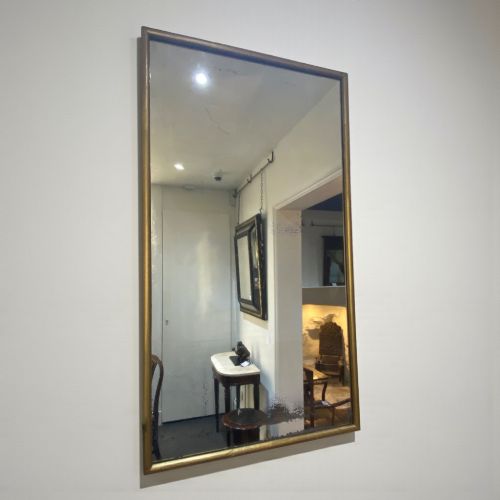
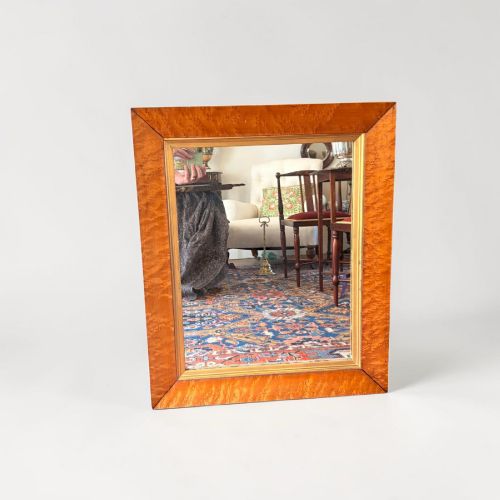
Gilt Wood Wall Frame
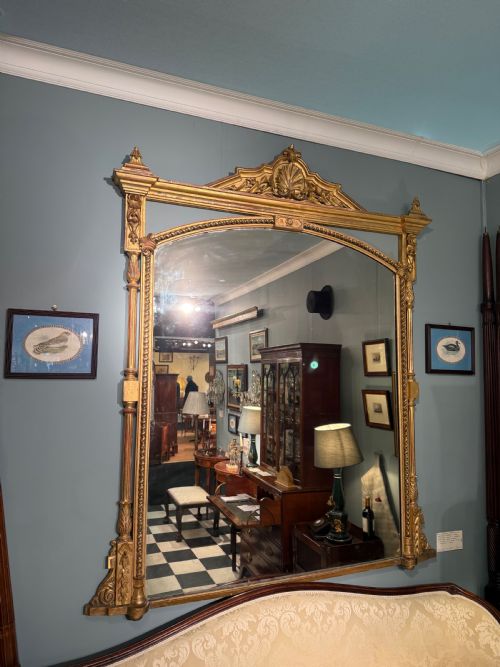
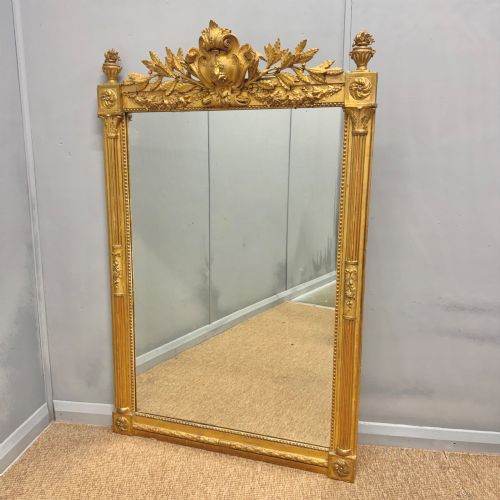
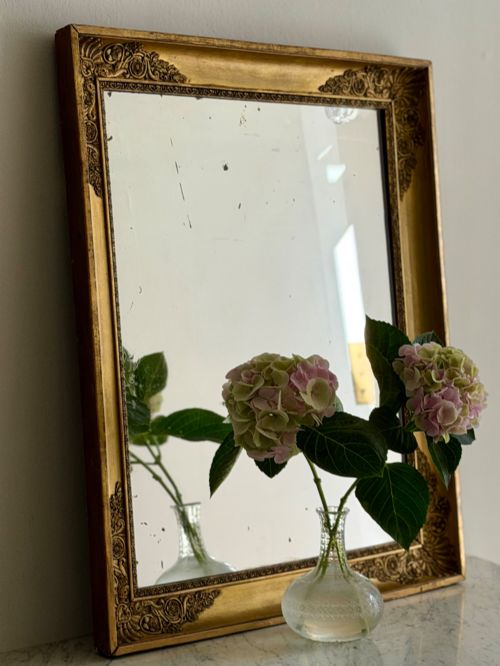
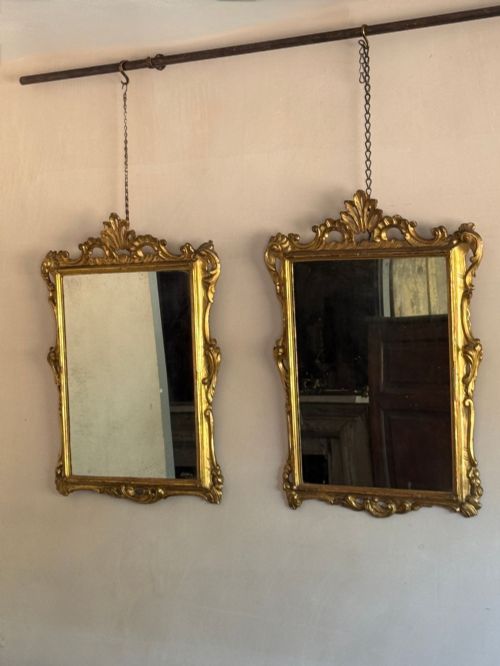
A gilt wood wall frame brings warmth and polished reflection to a room, enclosing mirrors, paintings, and portraits from past centuries.
Gilt Wood Wall Frame
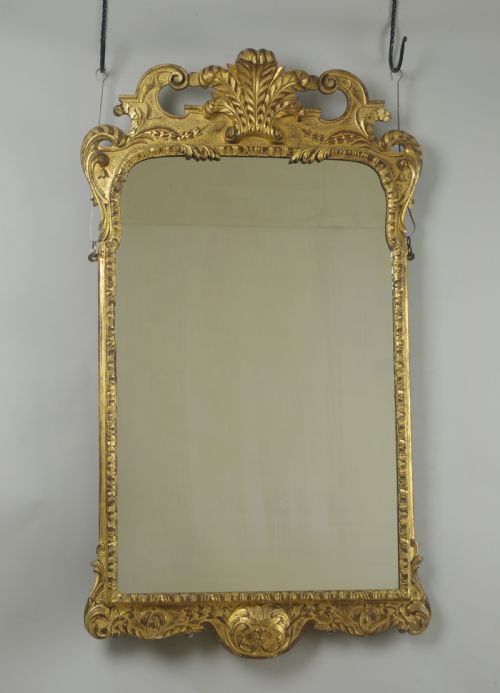
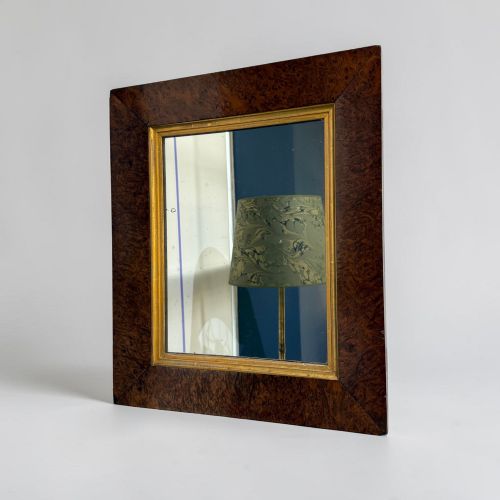
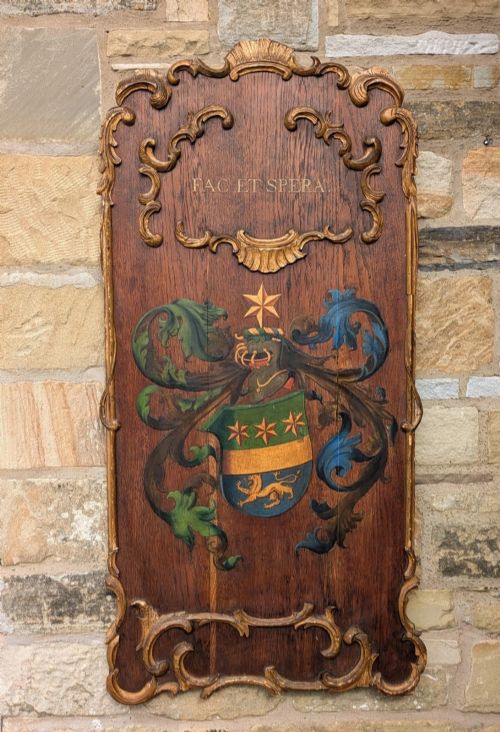
When searching for a gilt wood wall frame, a buyer encounters pieces designed to hold mirrors, oil paintings, and pastel portraits upon interior walls.
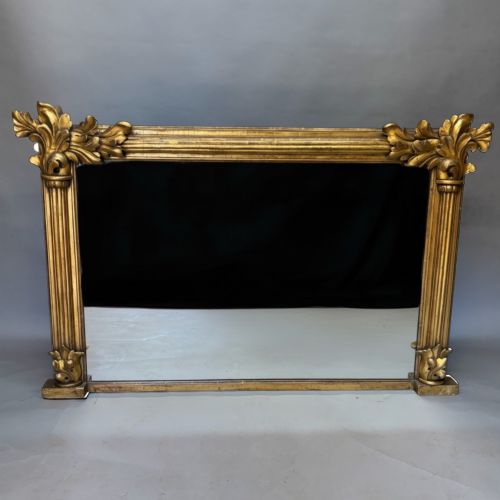
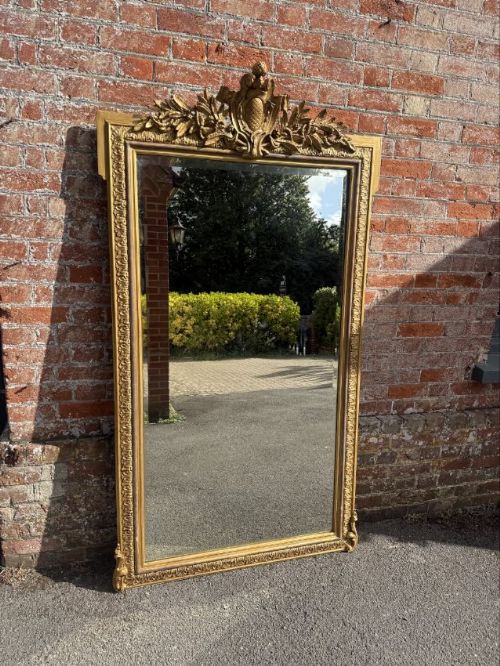
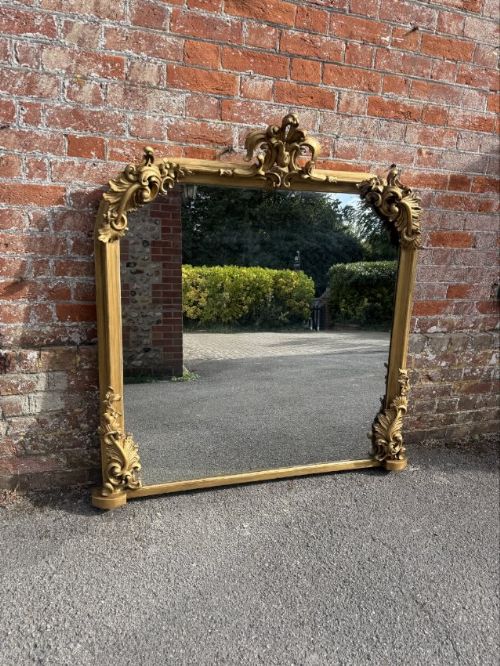
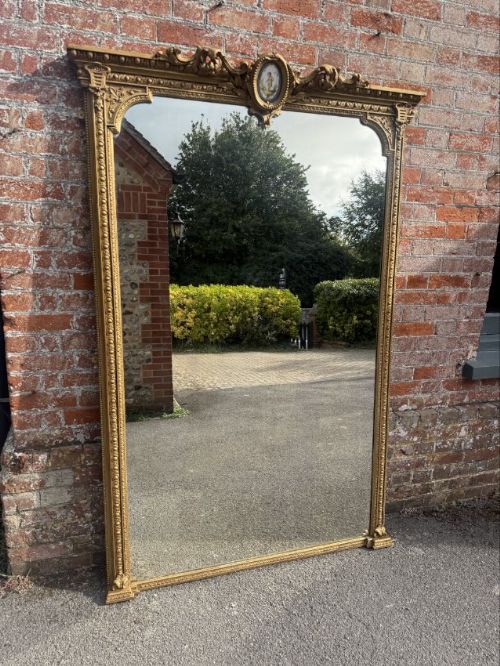
The selections available here predominantly span the eighteenth and nineteenth centuries, taking the form of large overmantel mirrors, arched wall glasses, and carved wooden surrounds.
Originating largely from English, French, and Italian workshops, these items range from restrained Georgian profiles to heavily ornamented Victorian and Regency designs.
Materials and construction methods
The foundational structure relies on carved timber, often pine or hardwood, which is then built up with layers of gesso to create crisp sculptural relief before gilding.
Gilding is achieved by applying thin sheets of gold leaf over the prepared surface, sometimes complemented by areas of painted detail or parcel gilt on walnut.
Mirrors within these frames frequently utilise antique glass plates, including mercury glass variants that display natural foxing and ageing over time.
Materials recorded across the inventory include gesso, mercury glass, walnut, and gold leaf applied to carved timber.
Distinguishing quality in craftsmanship
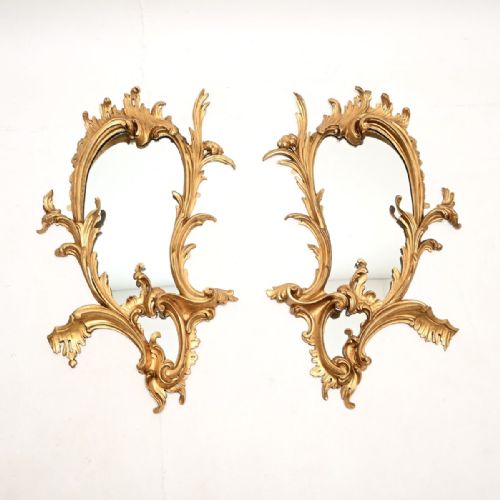
Quality reveals itself in the depth and sharpness of the hand-carved wooden ornament, where crisp acanthus leaves, ribbons, and floral motifs retain their original definition.
The integrity of the gesso and the adherence of the gold leaf dictate the visual richness of the surface, distinguishing finely preserved pieces from those with heavy losses.
Proportion and structural balance also separate standard utilitarian surrounds from exceptional statement pieces commissioned for principal reception rooms.
Joseph Clover RA
The Gilt Wood Wall Frame Glossary
- Gesso
- A plaster-like mixture applied to wood frames as a smooth base for carving and gilding. It allows craftsmen to model intricate three-dimensional details before applying gold leaf.
- Giltwood
- Timber that has been decorated with gold leaf or gold paint. This technique protects the underlying wood while imparting a luminous metallic sheen.
- Overmantel
- A large mirror or painting designed specifically to hang above a fireplace mantel. These pieces usually feature horizontal proportions tailored to domestic hearths.
- Mercury glass
- Silvered glass manufactured by applying a mercury amalgam behind the pane. It produces a characteristic dark, mottled reflection known as foxing.
- Pier glass
- A tall, narrow mirror designed to hang on the wall space between two windows. They often incorporate decorative crests and matching console tables.
Gilt Wood Wall Frame: Frequently Asked Questions
How do I date a gilt frame?
Dating relies upon stylistic cues, such as the symmetrical restraint of Georgian designs versus the exuberant foliate carving of the Victorian era. Construction methods, including the type of wood and the composition of the underlying gesso, further assist in determining the period.
Examination of the mirror plate, if present, also provides clues; bevelled edges, thickness variations, and natural foxing patterns correspond to specific manufacturing epochs from the eighteenth century onwards.
Can these frames hold modern mirrors?
Many antique frames retain their original glass plates, which contribute significantly to their historic character and value. Replacing the glass is occasionally necessary if the original plate is broken beyond repair.
When replacement occurs, restorers typically source antique or distressed mirror glass to maintain the visual harmony and period authenticity of the piece.
Where should I hang an overmantel?
An overmantel traditionally hangs directly above a fireplace, anchoring the room's proportions and reflecting light from opposing windows. Ensuring secure wall fixings is essential due to the substantial weight of carved timber and gesso.
Beyond the fireplace, these large frames function effectively on principal living room walls where they can serve as a central decorative focal point.
How do I clean giltwood safely?
Maintenance requires gentle dusting with a soft, dry brush to prevent the accumulation of particles within the carved recesses. Moisture and chemical cleaners must be avoided entirely, as they damage delicate gold leaf and historical gesso.
Professional conservation is recommended for any structural repairs or areas where the gilding shows active flaking or detachment.