


Gilt Wood Settee
A gilt wood settee brings continental grandeur to a room, offering carved frames and gilded surfaces designed for formal entertaining.
Gilt Wood Settee
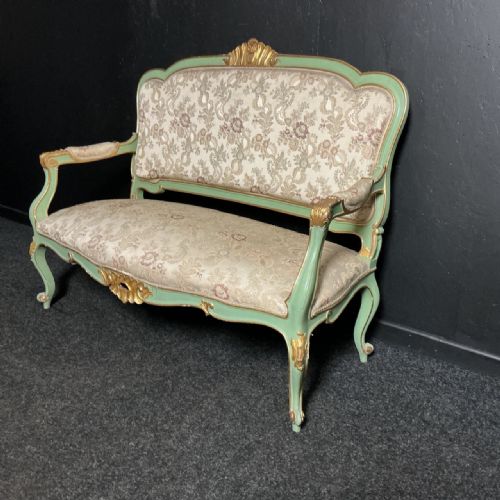
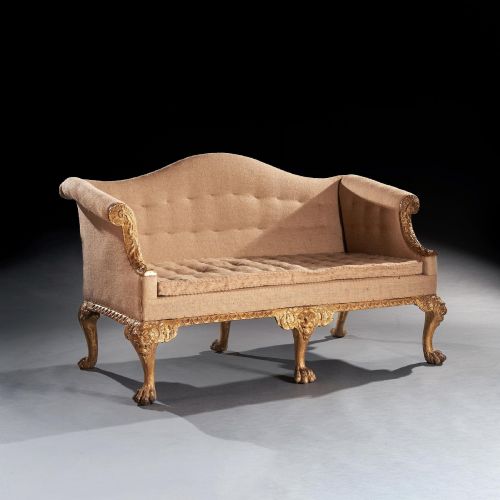
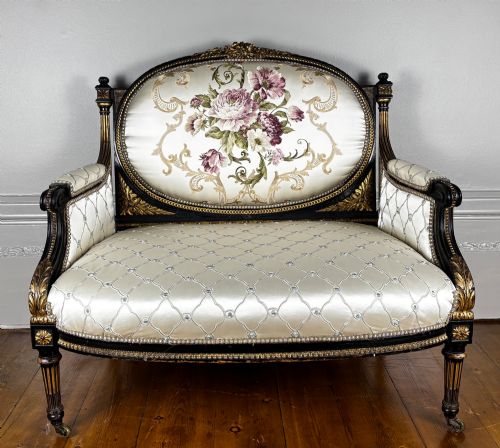
A gilt wood settee provides formal seating for multiple occupants, taking the form of an elongated chair or small sofa designed for reception rooms. When you examine a gilt wood settee on this page, you encounter pieces originating mostly from the nineteenth and eighteenth centuries.
The selection ranges from English Regency and George II examples to continental pieces shaped in Louis XV and Louis XVI styles. French workshops and English makers alike produced these seats for high-status interiors, frequently pairing the main settee with matching salon chairs.
Most entries show two or three seat configurations upholstered in fabric, timber or silk damask. You will also find variants described as canapes, couches or salon suites rather than strictly by the search phrase.
How They Were Made
Carpenters carved structural frames from timber, utilising woods such as ebonised wood, painted wood and solid giltwood. Artisans then applied gold leaf or gilding to the wooden structure to create a brilliant metallic finish.
Upholsterers fitted the seats and backs with padding covered in textiles like silk damask and patterned fabric. Frame construction combined hand carving with traditional joinery methods to support the weight of multiple sitters.
What Varies in Quality
The definition of the carving separates standard joinery from exceptional craftsmanship on these frames. Deep, crisp relief work on acanthus leaves, scrollwork and lion mask hairy paw feet indicates a higher standard of workshop production.
The application of the gold leaf and the survival of the original gilding dictate the visual impact of the piece. Subtle burnishing and intact layers of gold over the wood ground distinguish superior examples from heavily restored or later painted alternatives.
Giles Grendey
The Gilt Wood Settee Glossary
- Giltwood
- Wood that has been coated with thin sheets of gold leaf or gold powder. This surface treatment was standard for formal seating intended to reflect candle and window light in a grand salon.
- Canapé
- A traditional French term for an upholstered sofa or settee with an exposed wooden frame. These pieces often feature carved backs and arms matching the style of contemporary armchairs.
- Louis XVI Style
- A neoclassical design aesthetic characterised by straight tapered legs, geometric symmetry and architectural carvings. Pieces from this vocabulary emphasise restraint and classical proportions compared to earlier curves.
- Salon Suite
- A matched set of seating furniture comprising a settee and several armchairs designed for a drawing room. Such suites share identical wood finishes, upholstery textiles and decorative carving details.
Gilt Wood Settee: Frequently Asked Questions
How are these settees cleaned?
Dust the gilded wooden frames gently with a dry, soft brush to protect the delicate gold leaf surfaces.
Vacuum the fabric or silk damask upholstery regularly using a low suction setting through a protective mesh screen.
Where did these sit?
These seats occupied formal drawing rooms, parlours and reception spaces in grand houses and town mansions.
Owners placed them against walls or within salon suites where guests gathered for conversation and entertainment.
Are these seats comfortable?
They provide firm, upright seating designed for formal posture rather than lounging or relaxed reclining.
The supportive padding relies on traditional stuffing methods inside the upholstered back and seat compartments.
How do I identify periods?
Examine the decorative motifs and leg shapes to determine whether the piece follows Rococo curves or neoclassical straight lines.
Consult the recorded timber types and construction joints to verify nineteenth-century manufacturing traits against earlier eighteenth-century work.