



Gilt Wood Sculpture
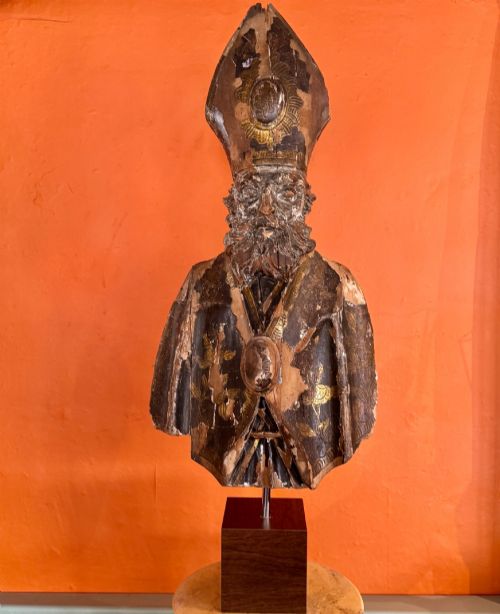
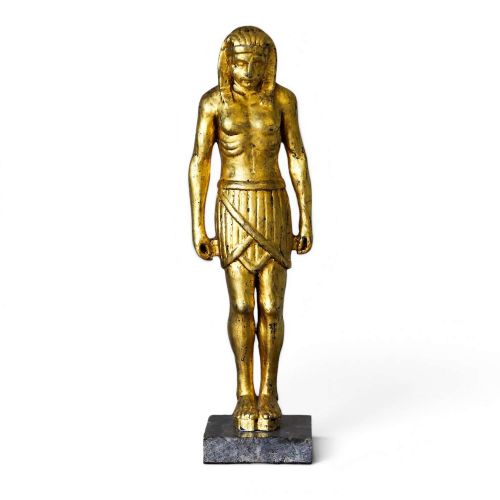
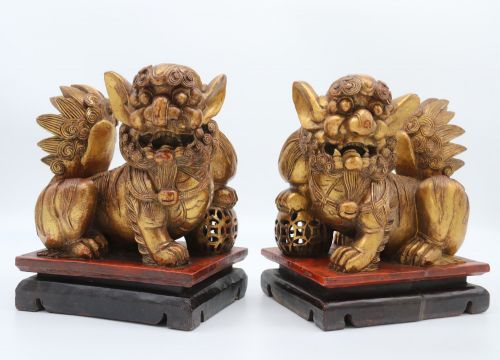
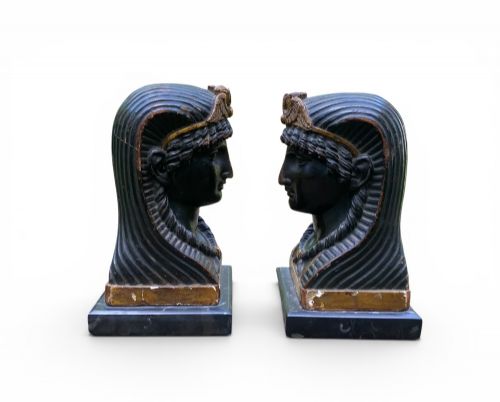
These pieces of gilt wood sculpture span centuries of devotional and decorative carvers, offering rich surface texture for interior spaces.
Gilt Wood Sculpture
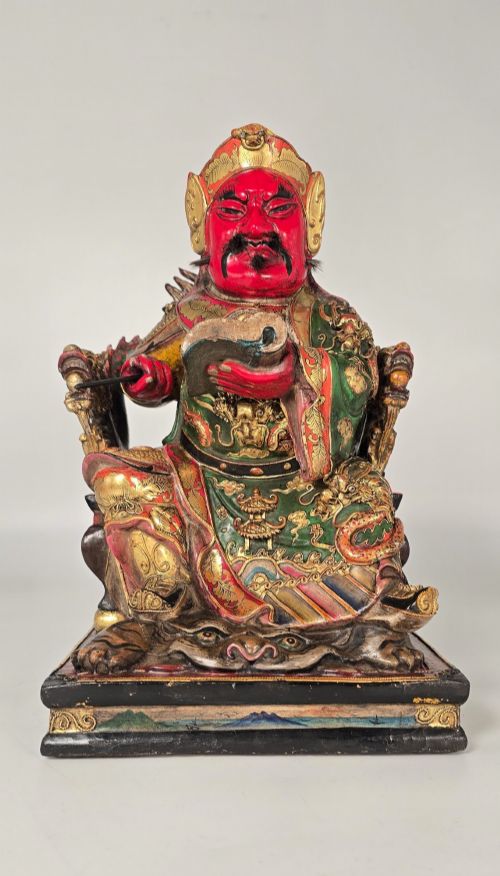
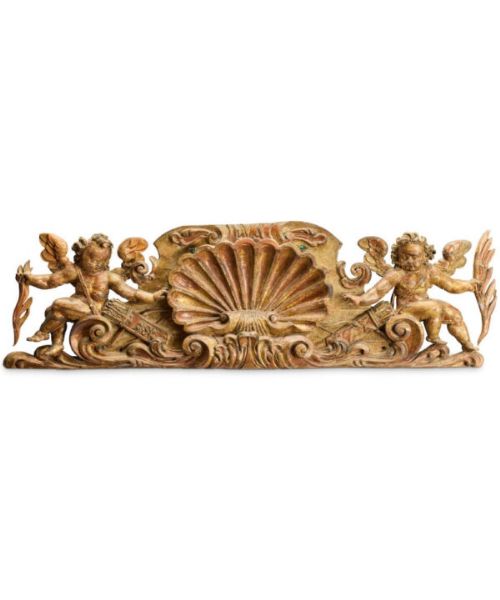
A search for gilt wood sculpture brings together carved timber figures, religious statues, architectural fragments, and decorative animals originating from European and Asian workshops. The inventory spans centuries from the seventeenth through the early twentieth, encompassing baroque church fittings, neoclassical ornaments, and eastern temple figures.
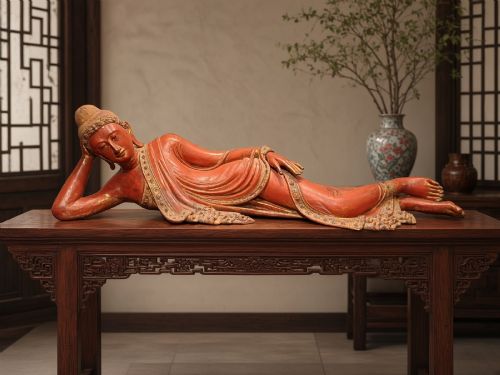
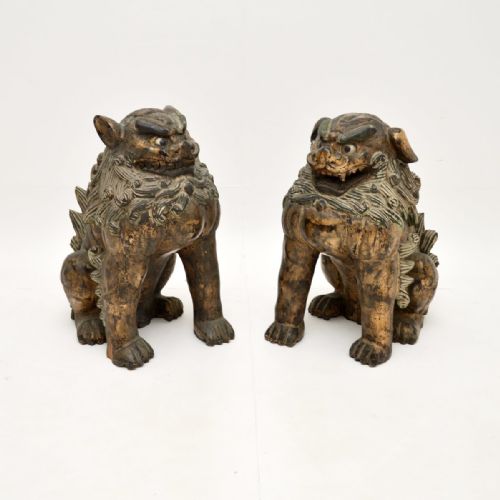
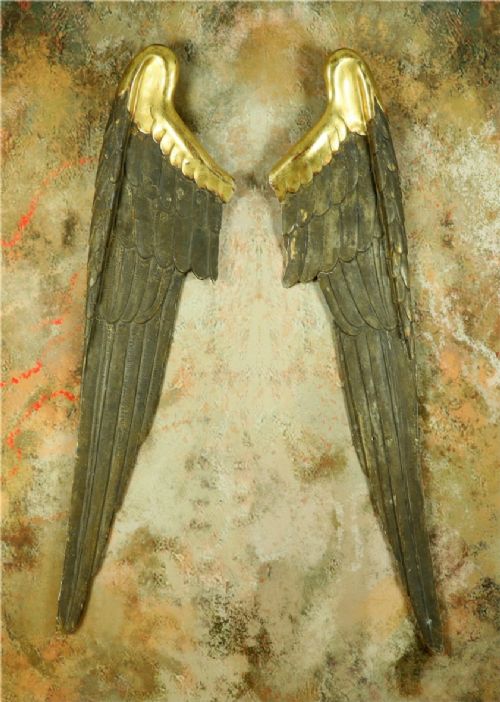
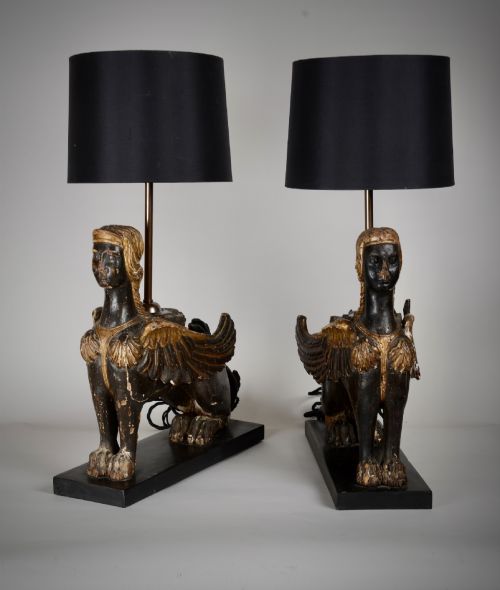
Buyers encounter diverse subjects ranging from Christian saints, angels, and putti to Chinese Buddhist lions, temple guardians, and mythical beasts like sphinxes. These items appear as freestanding statues, wall-mounted elements, pedestals, and standard lamps finished in gold leaf or gilt gesso.
European examples frequently display the dramatic curves of Venetian taste or French regional styling, while Asian pieces combine carved timber with polychrome paint and lacquer. The selection captures both intimate devotional carvings and monumental architectural ornaments.
Materials and technique
Makers shaped these sculptures from dense hardwoods like limewood, pine, or various Asian timbers, employing chisels and gouges to establish deep relief and anatomical detail. The timber received a preparation layer of gesso, a fine plaster mixture that provided a smooth, stable ground for subsequent gilding.
Artisans applied beaten gold leaf over a red or yellow bole base, burnishing the metal to achieve a bright metallic sheen or leaving it matte for a softer appearance. Many pieces also incorporate polychrome paint and lacquer, particularly in Asian temple figures and Venetian decorative works where colour complements the gold.
An eighteenth-century Italian carved swan proves that master carvers could make waterfowl look remarkably haughty in solid timber.
Craftsmanship and preservation
Quality rests upon the crispness of the initial carving and the skill with which the wood handles drapery, expression, and form. Superior execution reveals confident tool marks and naturalistic proportions rather than heavy, blunt detailing.
The integrity of the surface finish plays a major role in distinction, as original gold leaf and untouched gesso layers hold superior aesthetic weight compared to later repainting. Natural ageing, such as subtle craquelure and gentle wear to the gilding, distinguishes authentic historical pieces from later reinterpretations.
Thomas Hope·Gillow & Co.
The Gilt Wood Sculpture Glossary
- Gesso
- A mixture of plaster of Paris or chalk with glue, applied to wood to create a smooth surface for gilding. It provides the foundational layer that carvers and gilders build upon.
- Polychrome
- The practice of decorating architectural elements, sculpture, or pottery in a variety of colours. It appears frequently alongside gilding on religious and decorative figures.
- Parcel-gilt
- An object decorated with gilt in only some parts, leaving other areas with exposed wood or painted surfaces. This technique highlights specific architectural details or drapery folds.
- Bole
- A fine, earthy clay used as a preparatory layer for gold leaf in water gilding. Its warm reddish tone imparts depth and a rich undertone to the burnished gold above.
- Putto
- A figure of a small chubby male child, often winged, common in Renaissance and Baroque art. These decorative motifs appear frequently in architectural wood carvings and church furnishings.
Gilt Wood Sculpture: Frequently Asked Questions
Where should I place these sculptures?
Position statues and architectural fragments away from direct sunlight, heating vents, and damp walls to protect the timber core from splitting and the gesso from cracking.
Stable indoor humidity levels ensure the wood does not expand or contract, preserving both the structural timber and the gold leaf finish.
How do I identify the period of a sculpture?
Examine the tool marks, the composition of the gesso ground, and the style of the carving to match regional characteristics of specific centuries.
European baroque and neoclassical pieces show distinct regional chisel techniques, whereas Asian temple figures exhibit specific dynasty traits and lacquer formulations.
Are these figures purely decorative?
Many items began as functional or devotional objects, including church saints, architectural pediments, standard lamps, and temple guardians from religious sanctuaries.
Over time, these pieces transitioned into interior ornaments prized for their sculptural form and historical surface texture.