



Gilt Wood Pedestals
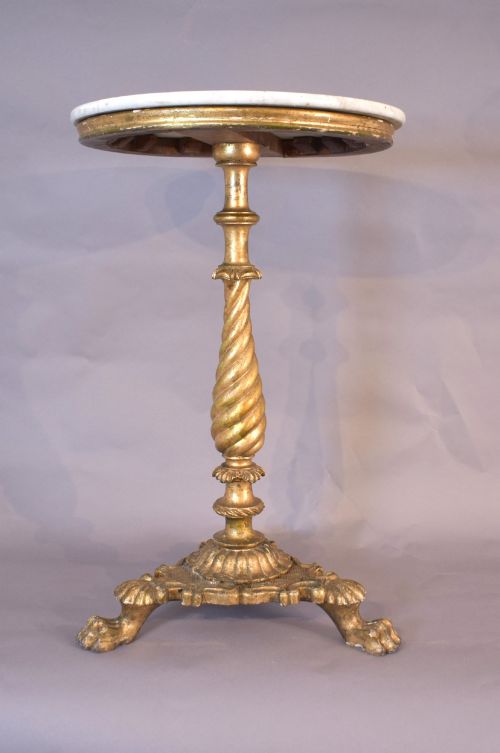
These gilt wood pedestals bring sculptural height and reflective surface to a room, drawing the eye upwards through carved detail and metallic sheen.
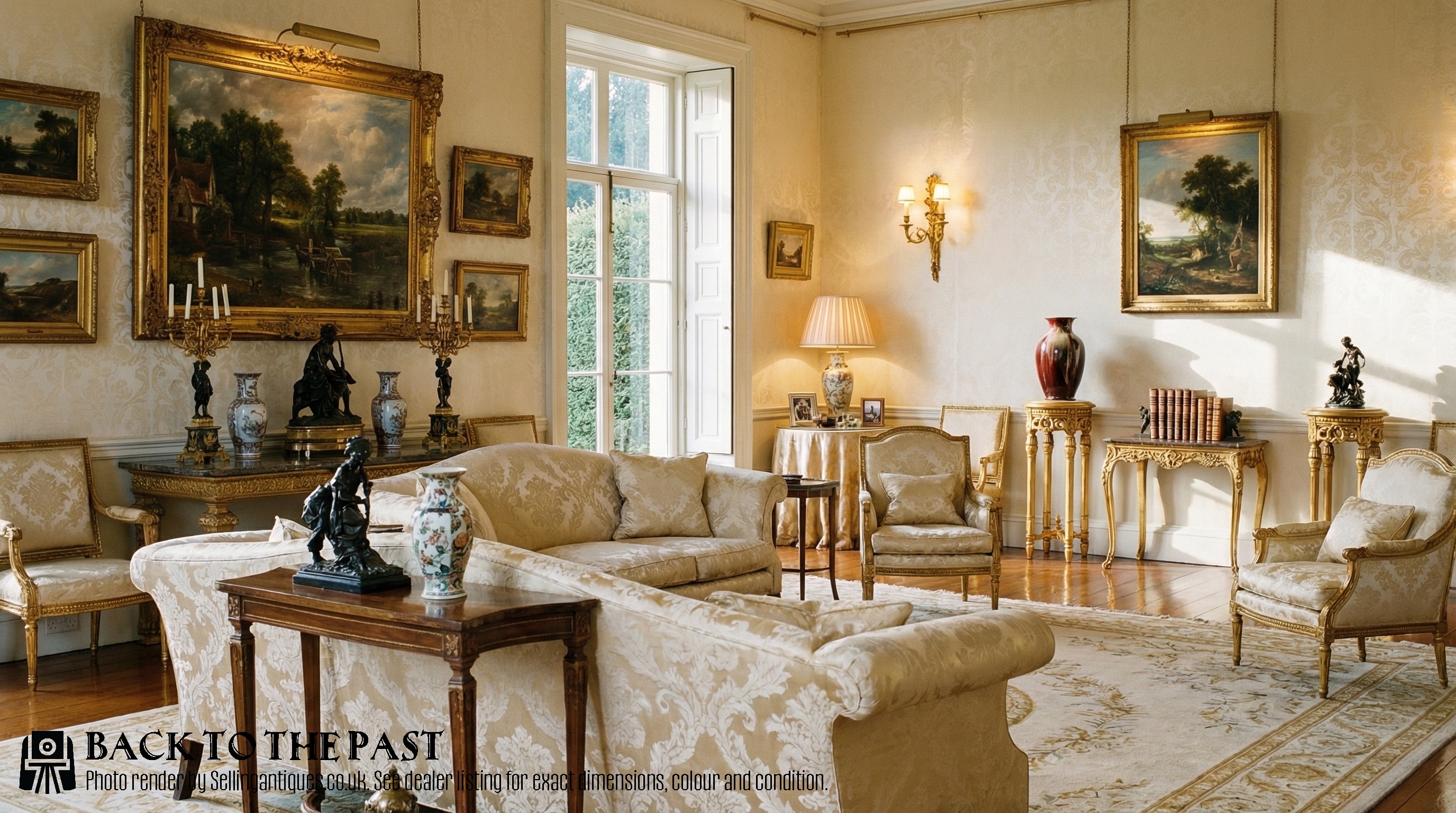
Gilt Wood Pedestals
When you search for gilt wood pedestals, you encounter stands, columns, and torcheres designed to elevate urns, sculptures, or lamps. The examples recorded here span the eighteenth century through to the early twentieth century, taking in Regency, Victorian, and Neoclassical Revival styles.
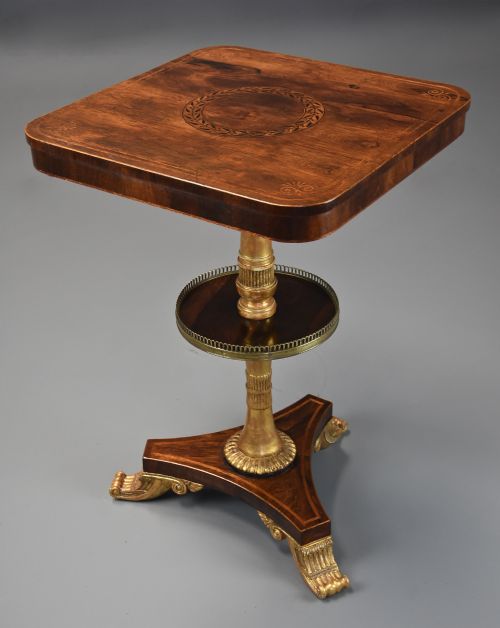
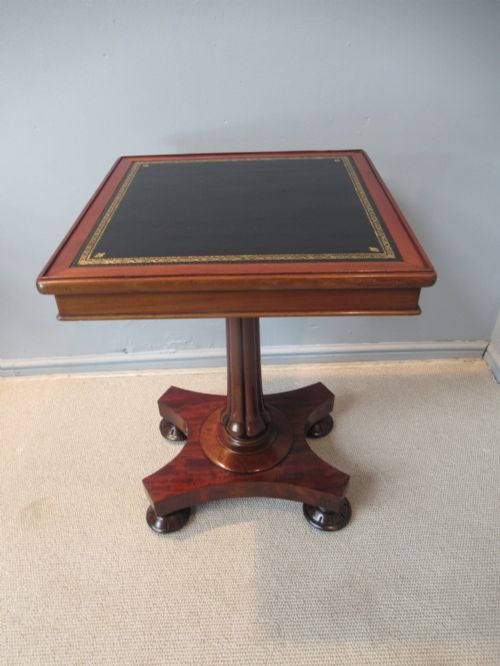
Most entries combine carved wood structures with applied gold leaf, gesso, or paint, alongside forms such as circular tables and torchere stands. Pieces range from Italian carved figures on stands to French theatrical columns and English low pedestals.
Buyers select these items to support decorative objects or function as standalone architectural elements within a room. Their presence introduces varied regional aesthetics, from Venetian Baroque to French Empire influences.
Materials and construction
Maker workshops relied heavily on native and exotic timbers as a base for intricate carving, gesso preparation, and subsequent gilding with gold leaf. Ormolu, brass mounts, and occasional marble tops provide additional weight and varied tactile contrast.
Surface decoration frequently involves layered paint, polychrome finishes, or parcel gilding over carved wood forms such as dolphins, swans, or classical columns. These techniques allowed makers to achieve high reflectivity and texture suited to grand interiors.
The listings span eight distinct materials, combining gesso, marble, and ormolu with traditional giltwood.
Distinguishing quality in the range
Quality reveals itself in the crispness of the carved wood detail and the skill with which the gold leaf or gesso has been applied to complex forms. Pieces showing deeper relief work and more intricate figurative or botanical motifs occupy the upper tier of the selection.
The integrity of the underlying timber structure and the preservation of original polychrome or parcel gilt surfaces dictate the standing of an individual pedestal. Greater subtlety in proportion and historical adherence to styles such as Regency or Venetian Baroque distinguish the finer examples from simpler production.
Gillow & Co.·George Bullock·Jackson & Graham·Lamb Of Manchester·Marguerite
The Gilt Wood Pedestals Glossary
- Giltwood
- Wood that has been coated with gold leaf, gold dust, or a similar metallic finish. This technique creates a luminous, reflective surface on decorative furniture and stands.
- Torchere
- A tall ornamental stand designed to hold a lamp or candle. These slender supports often feature elaborate carved decoration and gilt surfaces.
- Gesso
- A plaster mixture used as a smooth base for paint or gold leaf on wood. It allows carvers to achieve sharp, refined details beneath the final metallic layer.
- Ormolu
- Gilded bronze used for mounts, feet, and decorative accents on furniture. The technique was widely employed in French and English cabinet making during the eighteenth and nineteenth centuries.
- Regency
- An English design period spanning the early nineteenth century. Characteristics include classical motifs, bold forms, and classical revival influences.
Gilt Wood Pedestals: Frequently Asked Questions
What were gilt wood pedestals used for originally?
These pieces served as elevated display stands for sculptures, urns, or lighting in grand reception rooms. Their height drew attention to specific decorative objects placed upon them.
In period interiors, they functioned both as functional furniture and as architectural statements that reflected candlelight from their gilded surfaces.
How do I style a pedestal at home?
Place a single column or torchere in an empty corner to introduce vertical interest and architectural form to a room. They work effectively when topped with a ceramic vase, bronze figure, or lamp.
Pairing matching columns on either side of a doorway or fireplace creates a balanced, formal arrangement drawn from nineteenth-century interior design.
How do I distinguish Regency from Victorian examples?
Regency pieces often display restrained classical motifs, clean architectural lines, and influences from ancient Greece and Rome. They favor rosewood or finely carved parcel-gilt surfaces.
Victorian pedestals tend to incorporate heavier ornamentation, diverse revival styles, and denser surface carving, reflecting the period's taste for elaborate display.
Are these pedestals sturdy enough for heavy items?
Most solid wood and marble-topped variants provide substantial weight and stable foundations for heavy decorative objects. The internal timber construction bears the primary load.
Lighter torchere stands with slender legs suit delicate porcelain or bronze pieces rather than exceptionally heavy stone sculptures.