
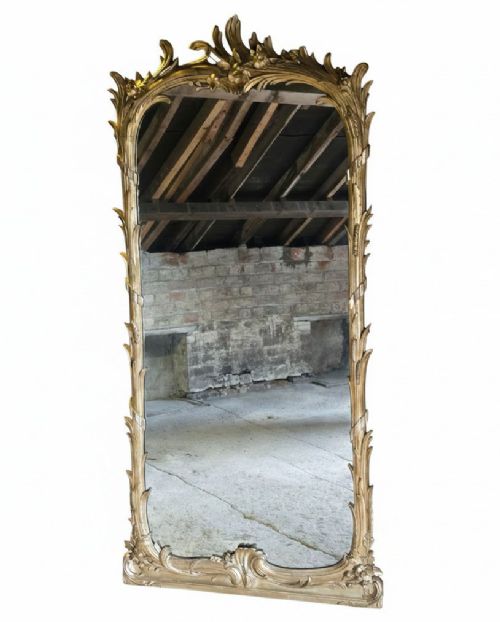
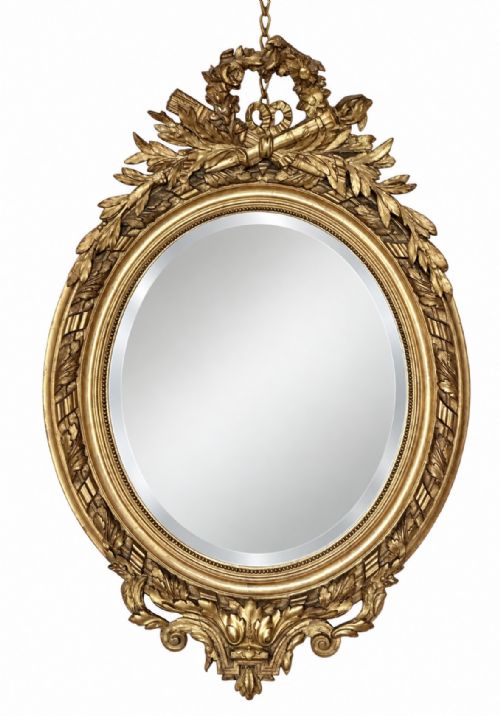
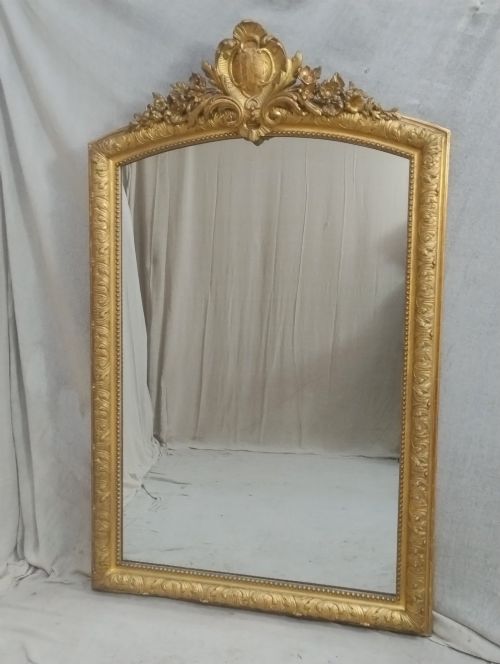
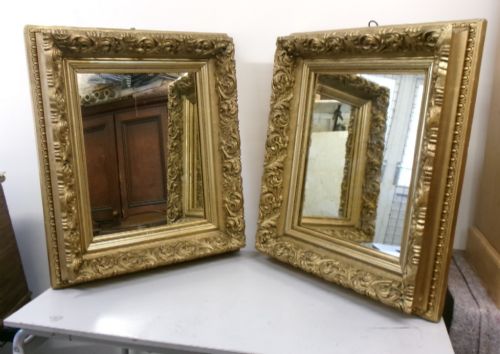


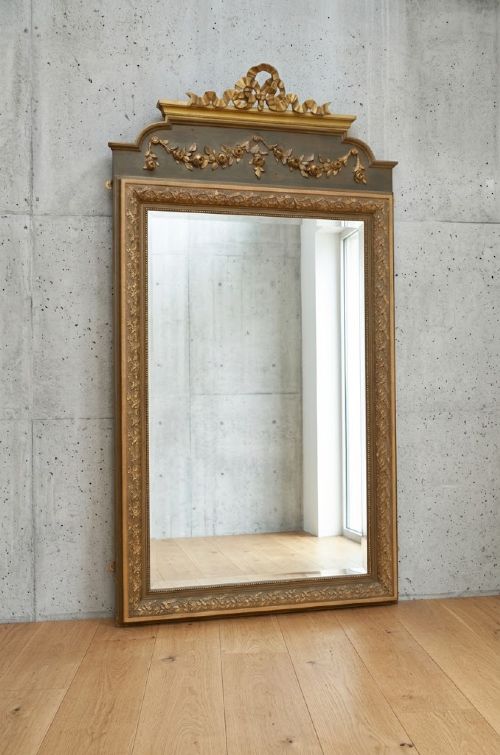
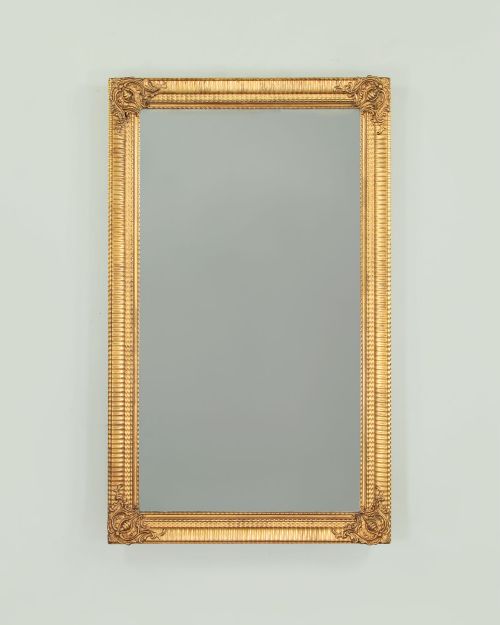
Gilt Wood Overmantel
A gilt wood overmantel occupies the chimney breast with presence, reflecting light and shifting the scale of a room.
Gilt Wood Overmantel
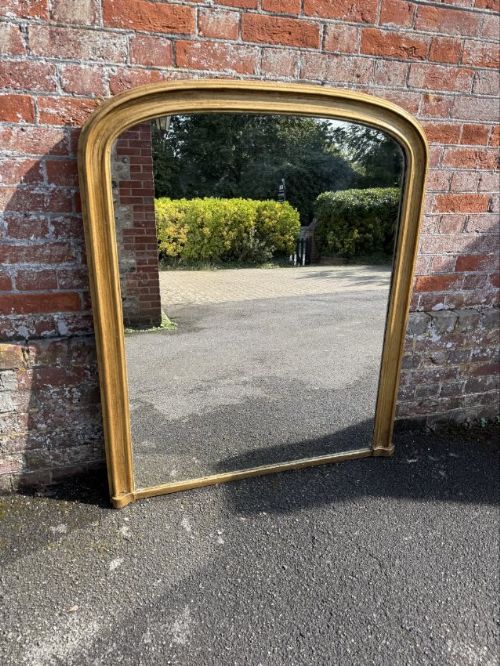
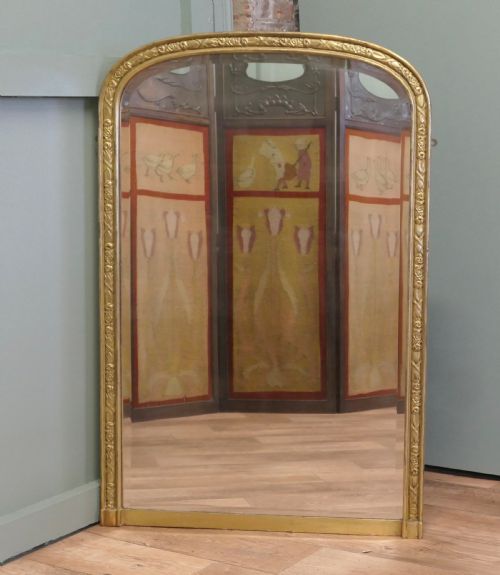
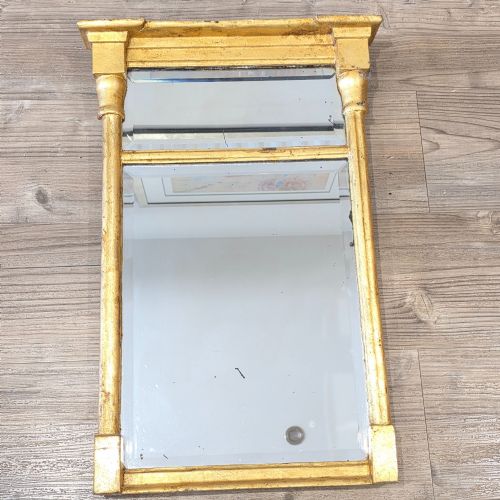
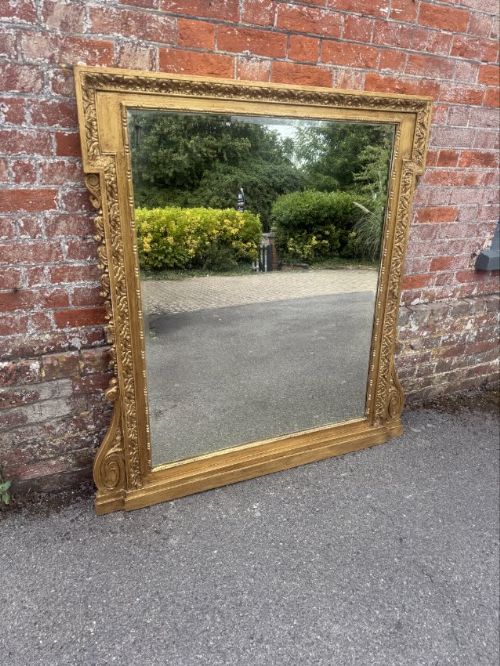
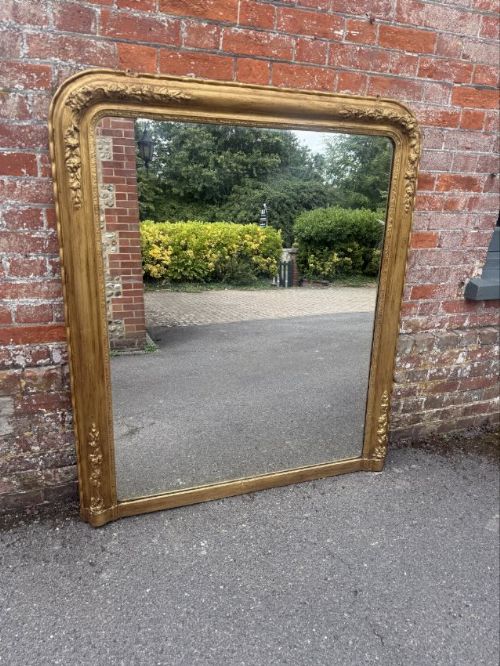
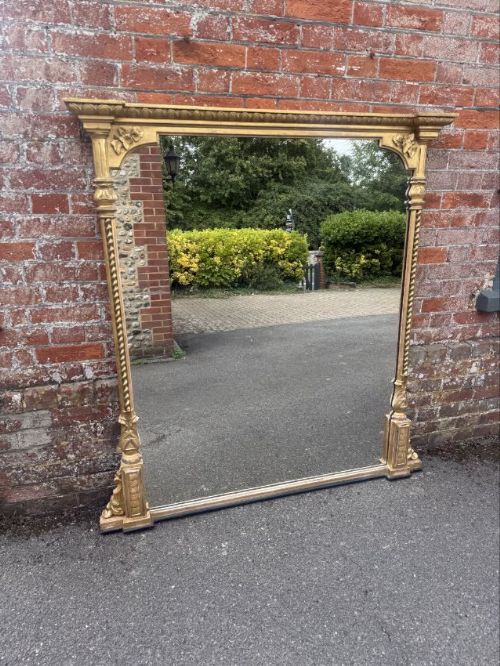
A gilt wood overmantel is a large mirror specifically designed to hang above a fireplace mantelpiece, serving as a focal point in a reception room. These pieces appear frequently in nineteenth-century English and French formats, often featuring arched tops or triple plate configurations.
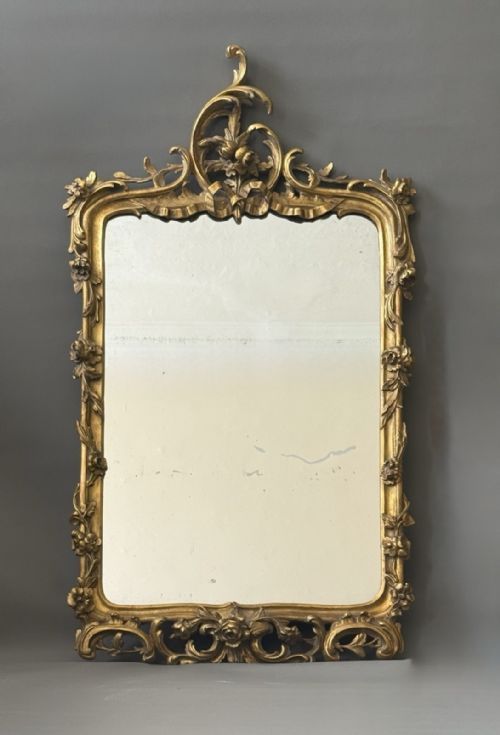
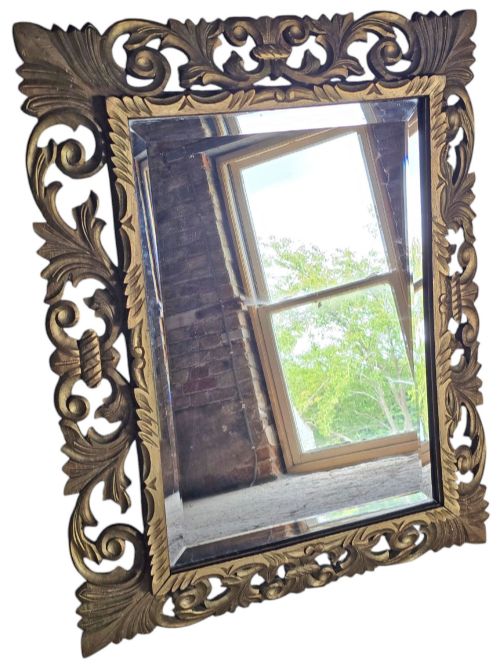
The selection ranges from restrained Louis Philippe wall mirrors to heavily ornamented Rococo revival and Victorian carved frames. Many examples utilise composite mouldings and gesso over a wooden base to achieve intricate relief details.
Origins span English Victorian workshops and continental centres, embracing styles from Neoclassical to Chinese Chippendale. Buyers encounter rectangular formats, cartouche shapes, and landscape proportions suited to period interiors.
Materials and Construction
Makers constructed the foundational frames using timber such as pine or hardwood, applying layers of gesso to build up high-relief ornamentation before gilding. This mixture of chalk and glue created a smooth surface capable of holding sharp carved details and crisp mouldings.
Water gilding or oil gilding techniques applied thin sheets of gold leaf or metal leaf over the prepared gesso ground. Artisans occasionally utilised composition, a pliable mixture of resin, oil, and whiting pressed into moulds for repetitive floral or acanthus motifs.
Mirror glass was set into the rebate, historically comprising silvered mercury plates in eighteenth-century examples or later standard silver-plate glass. Backboards of plain deal boards secured the glass, often bearing remnants of past framers' notes.
Certain nineteenth-century frames preserve traces of old candle soot trapped deep within the gesso acanthus leaves from decades above a flickering hearth.
Judging the Standard
The depth and crispness of the hand-carved or moulded enrichment separate standard production from superior examples. High-grade frames display sharp undercutting in the foliage and scrolls rather than soft, filled-in contours.
The integrity of the original gold leaf surface dictates the visual weight and warmth of the object. Pieces retaining their untouched patination without heavy over-gilding present greater historical honesty.
Proportion relative to scale determines architectural success, where the width of the frame balances the plate glass and the intended mantel breadth. Original mirror plates showing natural foxing add depth without distorting the reflection.
E James Bruton Road London
The Gilt Wood Overmantel Glossary
- Gesso
- A mixture of chalk, gypsum, and glue used as a base layer on wood frames to prepare the surface for gilding. It allows artisans to carve or impress fine decorative details before applying gold leaf.
- Mercury glass
- A type of double-walled glass blown with a mercury amalgam inside, common in eighteenth-century mirrors. It produces a distinctive mottled or foxed appearance that scatters reflections softly.
- Overmantel
- A mirror or painting specifically scaled to hang on the wall directly above a fireplace mantel. These pieces were traditionally sized to match the opening of the hearth below.
- Composition
- A moulded material made from whiting, resin, glue, and linseed oil pressed into shape while warm. It provided a cost-effective alternative to hand carving for repetitive decorative mouldings.
- Trumeau
- A decorative wall mirror or panel featuring an oil painting or carved motif incorporated into the upper section. Originating in France, these pieces often coordinate with interior wall panelling.
- Pier glass
- A tall mirror designed to hang on the wall space between two windows. They frequently match the height of adjacent overmantels in formal reception rooms.
Gilt Wood Overmantel: Frequently Asked Questions
How do I hang a heavy overmantel mirror?
These frames carry substantial weight due to the wood, gesso, and glass construction. Professional wall fixings into masonry or secured studs are essential to support the load safely.
Distribute the weight using heavy-duty mirror plates or French cleats screwed directly into the structural frame rather than relying on old hanging wire.
Can these mirrors be cleaned safely?
Dust the gilded surface gently with a soft, dry brush to prevent disturbing fragile leaf or composition details. Avoid moisture and chemical cleaning agents entirely on the frame.
Clean the glass plate using a minimal amount of standard glass cleaner applied to a cloth rather than sprayed directly, ensuring liquid does not seep behind the rebate.
How do I date an antique overmantel?
Examine the construction of the wooden backing boards, the type of screws or nails used, and the composition of the gesso layer. Eighteenth-century examples often feature hand-beveled plates and foxed mercury glass.
Stylistic cues such as Victorian acanthus carving, Regency ebonised details, or Louis Philippe plain frames offer reliable chronological markers when aligned with material evidence.
What is foxing on mirror glass?
Foxing refers to the small dark spots and mottled patches that develop on antique mirror plates over decades. This oxidation occurs as air interacts with the backing silvering or mercury.
Collectors prize authentic foxing because it proves the age of the glass and imparts a characteristic soft, atmospheric reflection.