
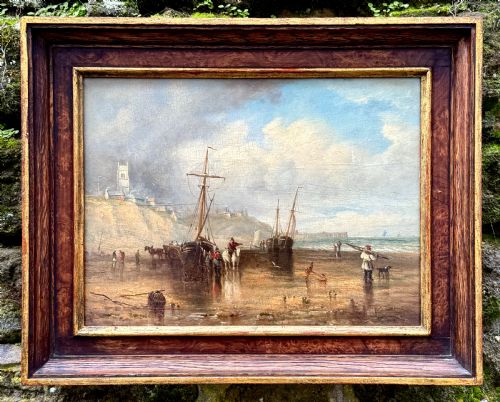
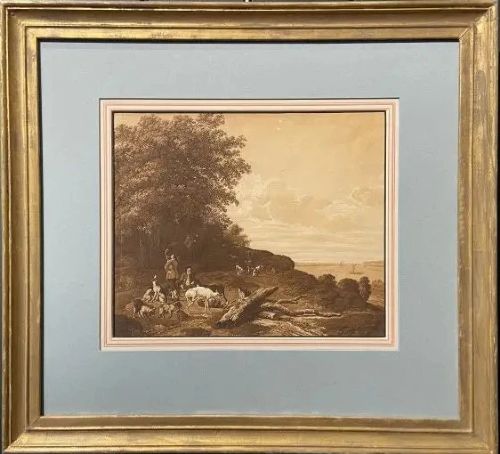
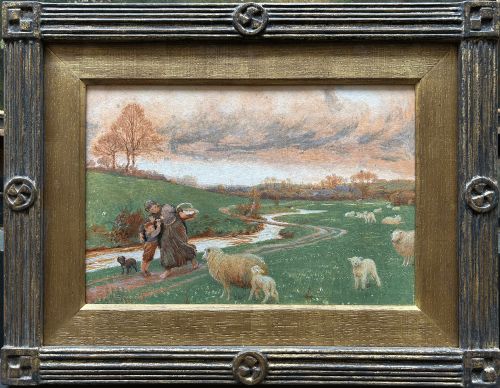
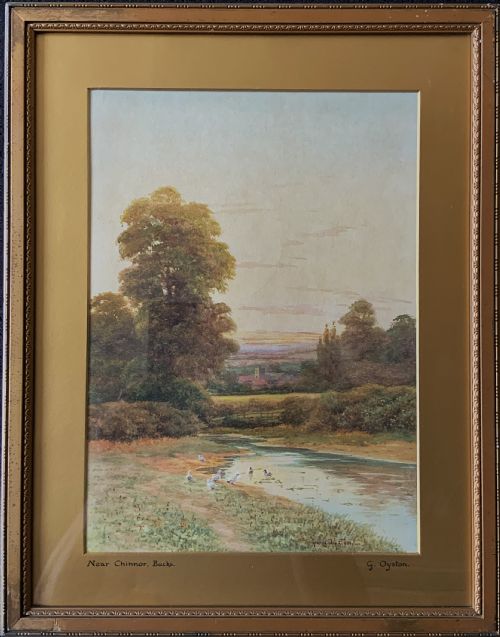
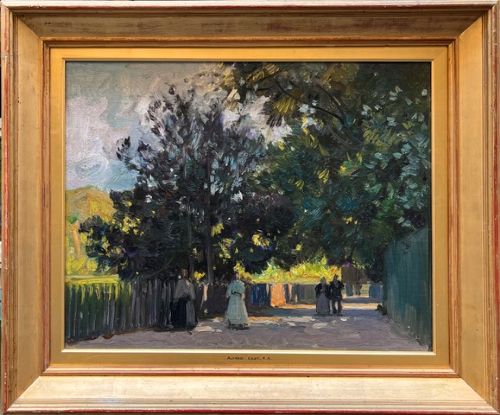
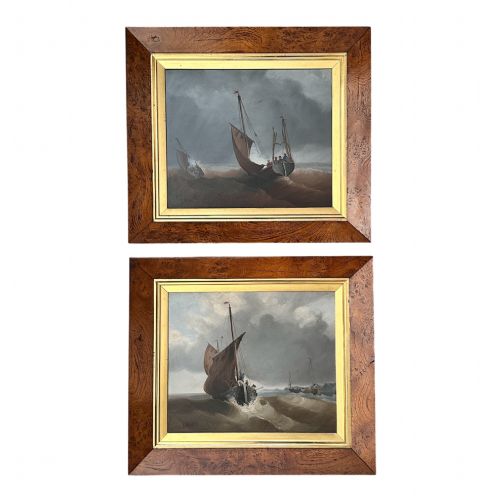


Gilt Wood Landscape Artwork
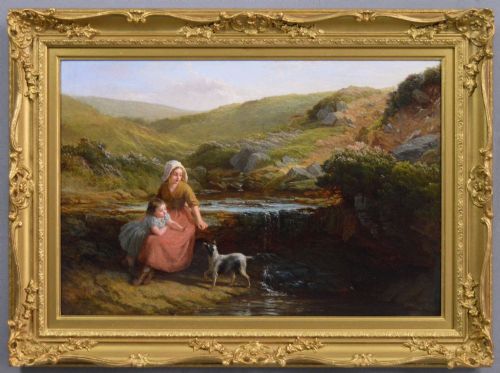
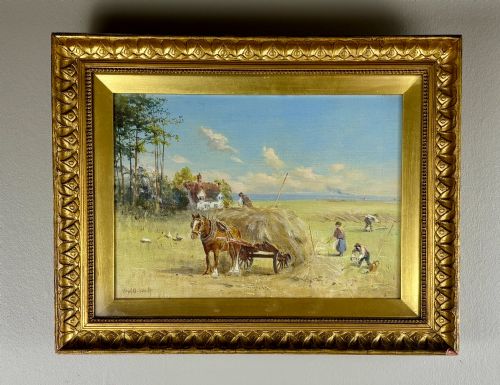
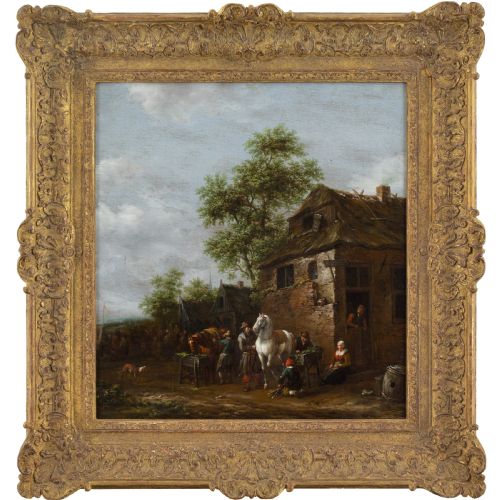
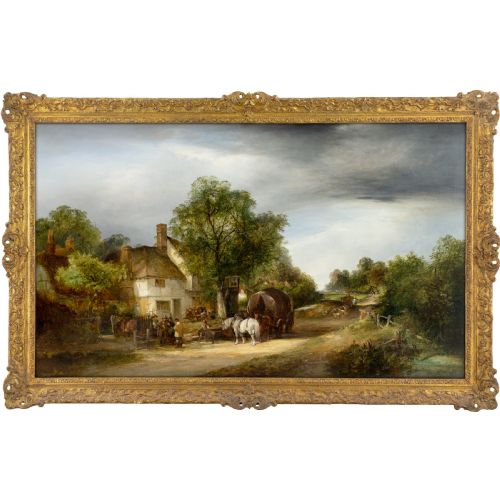
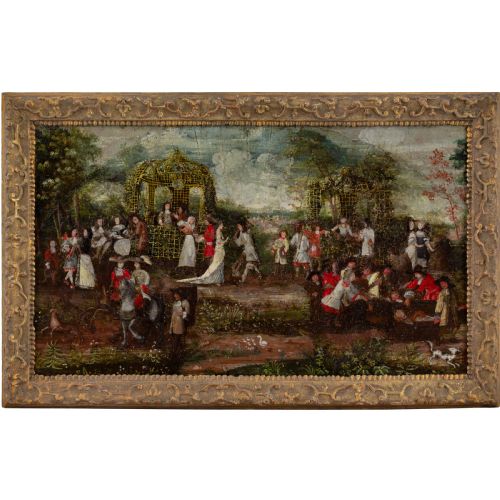
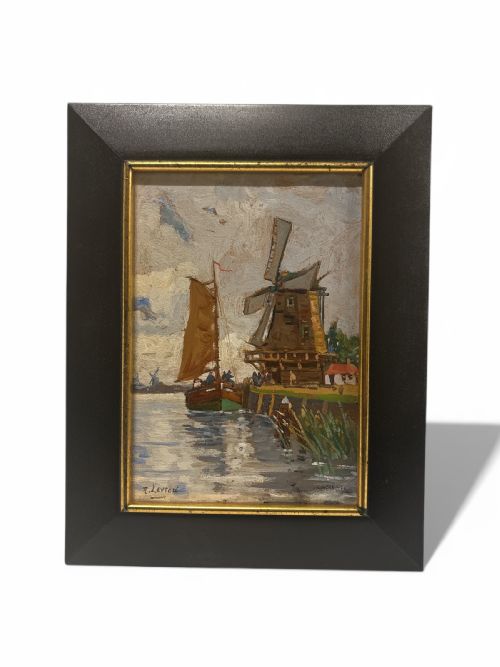
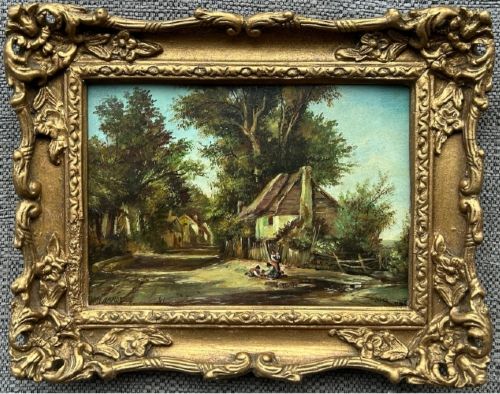
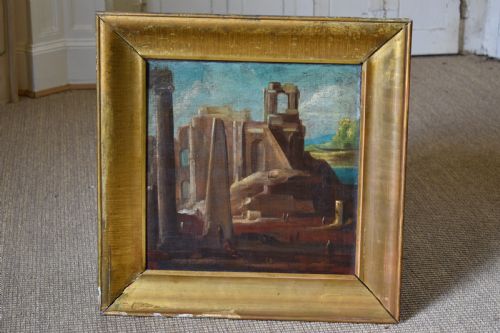
These gilt wood landscape artwork pieces capture pastoral scenes and coastal views within period frames.
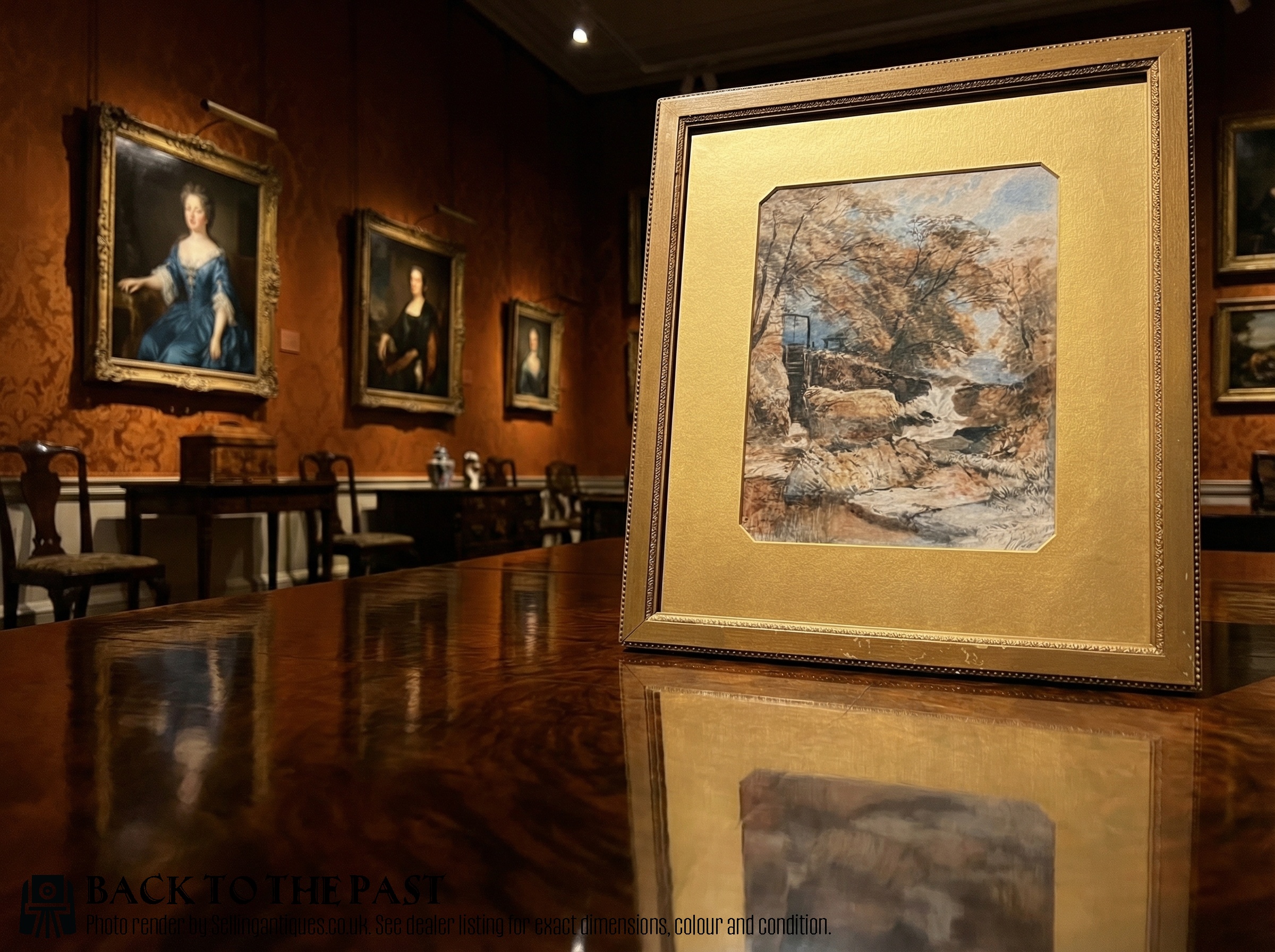
Gilt Wood Landscape Artwork
A search for gilt wood landscape artwork leads to framed oil paintings, watercolours, and panels depicting natural scenery, rivers, and coastal views. These works span the Georgian, Victorian, and Edwardian periods up to the mid-twentieth century, capturing British and continental subjects.
Most examples on this page combine landscape imagery with period frames constructed from wood and finished with gilt. The selection ranges from pastoral watercolours under glass to substantial oil on canvas compositions housed in ornate gilded mouldings.
Materials and construction methods
Artists painted primarily using oil on canvas or panel, alongside watercolour and gouache on paper, applying pigments with brushes to build texture and light. Frames were constructed from timber before receiving layers of gesso and gold leaf to create the characteristic gilt finish.
Makers joined frame corners using traditional mitres and reinforced splines to support the weight of the wood and glass where fitted. Canvases were stretched across wooden frames and secured behind these gilded surrounds to protect the edges of the artwork.
Several artists painted sheep so repeatedly their wool practically deserves its own provenance record.
Assessing quality in framing and painting
Quality rests in the harmony between the painting and its frame, particularly where original gilt wood surrounds complement the depth and palette of the scene. Superior works display confident brushwork and balanced composition, whether in detailed realism or looser impressionist strokes.
The execution of the gilding itself indicates standard, with hand-applied gold leaf showing greater nuance than later metallic paint or mass-produced composition ornament. Original matching frames that have remained with the canvas since creation carry higher distinction.
Thomas Creswick·Benjamin Williams Leader·William Mellor·George Oyston·John Moore of Ipswich
The Gilt Wood Landscape Artwork Glossary
- Gilt
- Covered thinly with gold leaf or gold paint. This finish defines the ornate wooden frames enclosing many period paintings.
- Oil on Canvas
- Pigment mixed with drying oil applied to a woven fabric support. This combination provides durability and allows rich colour blending.
- Watercolour
- Paint made with water-soluble pigments on paper. This medium produces translucent washes often protected behind glass.
- Pastoral
- Depicting country life and idealized rural scenery. These subjects form a major theme within nineteenth-century art.
Gilt Wood Landscape Artwork: Frequently Asked Questions
How do I date a gilt frame?
Dating relies on the construction of the wooden corners, the profile of the mouldings, and the composition of the gesso beneath the gold leaf. Earlier frames often employ carved wooden enrichment, while later Victorian examples frequently use moulded plaster ornaments.
Examining the reverse reveals the age of the wood, panel construction, and fixing methods used by the framer. Original nails and backing boards offer reliable clues to chronology.
Are these paintings on canvas or panel?
The selection includes both woven canvas stretched over wooden bars and rigid wooden panels. Canvas allows for larger sweeping landscapes, whereas panels provide a stable surface for detailed brushwork.
Each support medium requires different conservation care, particularly regarding environmental humidity and temperature control.
How should I clean a gilt wood frame?
Dusting requires only a soft, dry brush to prevent abrasive particles from scratching the delicate gold leaf surface. Moisture and chemical cleaners can dissolve historical gilding and gesso layers.
Professional conservators should handle repairs to missing ornaments or worn areas of the wooden substrate to preserve the piece.
What defines a Victorian pastoral scene?
These compositions focus on idealized rural life, featuring rivers, woodlands, cottages, and agricultural workers. Artists of this era emphasised naturalism and atmospheric light.
Such works reflect contemporary romantic attitudes towards the countryside amidst rapid industrialization.