

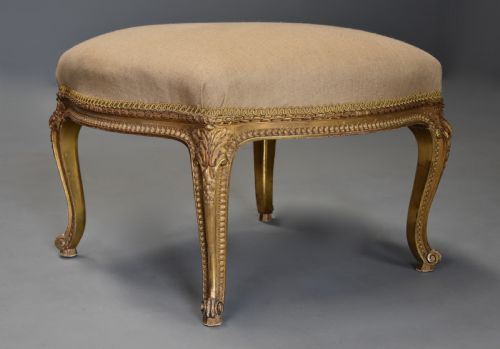


Gilt Wood Dressing Stool
A gilt wood dressing stool brings gilded elegance and practical comfort to a bedroom, uniting period character with decorative flair.
Gilt Wood Dressing Stool
A gilt wood dressing stool provides a decorative and functional seat traditionally placed before a dressing table or vanity. These pieces emerge in various forms across the nineteenth century and into the early twentieth century, showing influences from continental revivals and neoclassical design.
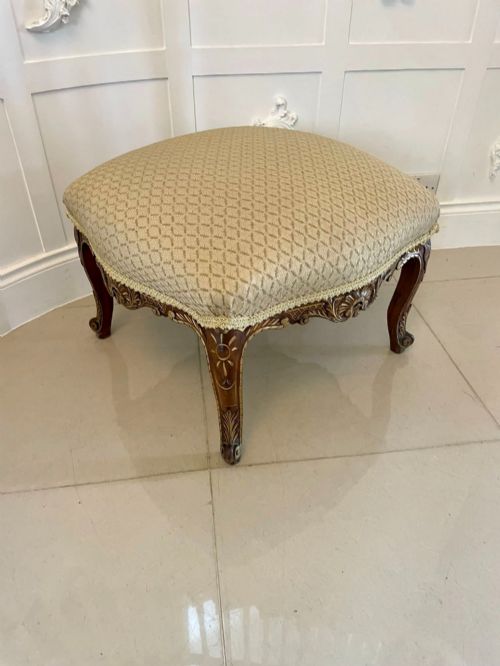
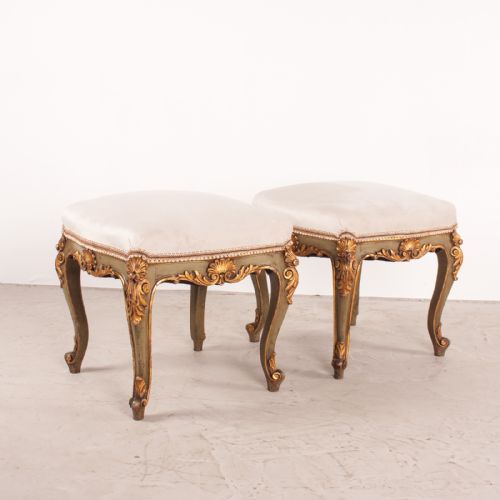
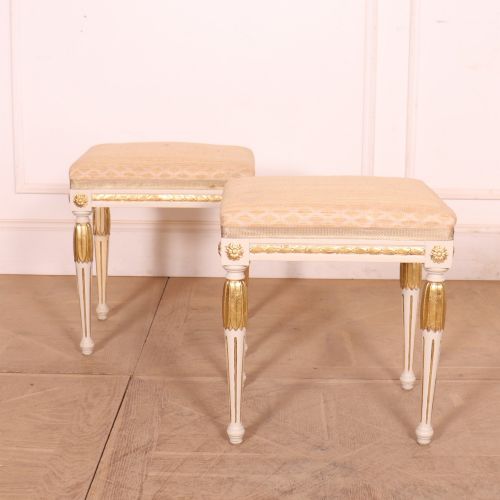
The pieces appearing here span specific eras including Victorian, Gustavian, and Louis XVI styles, alongside French and Italian interpretations. Buyers encounter compact footstools, curule forms, and longer bench variants finished in gold leaf, parcel gilt, or painted wood.
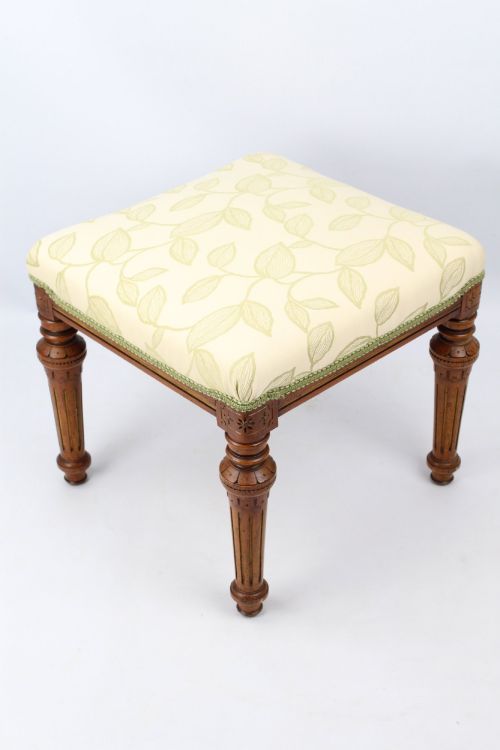
Makers and workshops across Europe produced these items using hardwoods such as walnut and oak, complemented by traditional upholstery in fabric and linen. The resulting items function equally well as standalone decorative accents or as usable seating.
Construction and materials
Makers fashioned the structural frames from timber such as oak, walnut, and general wood before applying decorative finishes. Surfaces received layers of gesso, paint, gold leaf, or parcel gilt to achieve the desired metallic lustre.
Upholstery completed the pieces, utilising traditional textiles like linen and various decorative fabrics secured over padded seats. Carved details frequently adorn the wooden rails and legs, reflecting the prevailing style of the period.
One recorded piece carries a maker stamp from Paris, proving that even humble seats occasionally travelled abroad for a better view.
Assessing quality and craftsmanship
Quality reveals itself in the crispness of the wood carving and the integrity of the gilded or painted surface. Finer examples display meticulous hand-carved details on the frame rather than heavily moulded or uniform decoration.
The structural stability of the joints and the preservation of the original gold leaf or parcel gilt distinguish superior items from later, simpler reinterpretations. Furthermore, maker stamps and documented workshop origins elevate the historical interest of a piece.
Loidrault Freres Paris·Whytock and Reid
The Gilt Wood Dressing Stool Glossary
- Giltwood
- Wood that has been coated with gold leaf or gold dust. This finish gives the frame a bright, reflective metallic appearance.
- Curule stool
- An ancient Roman chair shape featuring X-shaped legs. These stools often fold or present a balanced, symmetrical profile.
- Parcel gilt
- A decorative technique where only specific portions of an object are gilded. The remaining areas typically show painted wood or natural grain.
- Gustavian
- The Swedish interpretation of French neoclassical style. It is characterised by lighter colour palettes and restrained, elegant carvings.
- Gesso
- A plaster mixture applied to wood surfaces as a base for gilding or painting. It provides a smooth foundation for fine detail work.
Gilt Wood Dressing Stool: Frequently Asked Questions
What is a gilt wood dressing stool used for?
A gilt wood dressing stool serves primarily as a seat for a dressing table or vanity in a bedroom or dressing room. Their decorative frames also allow them to function as footstools or accent pieces in living spaces.
Historically, these pieces provided comfortable, movable seating that matched the ornate furniture suites of private chambers. Today, they remain versatile items that add a touch of period style to modern interiors.
How do I identify a Victorian gilt stool?
Victorian examples often feature heavier timber frames made from oak or walnut with substantial carved detailing. They frequently incorporate revival styles such as French Rococo or classical motifs.
Examining the construction methods and the wear on the gilding helps determine the age. Nineteenth-century pieces typically display traditional joinery and period-appropriate upholstery materials like linen and heavy fabrics.
What is the difference between Gustavian and French styles?
Gustavian style originates from Sweden and tends to feature simpler, more restrained neoclassical lines with lighter painted finishes. French styles, such as Louis XV and Louis XVI revivals, often showcase more elaborate carvings and richer giltwood surfaces.
Both aesthetics value symmetry and elegance, but Swedish pieces generally emphasise a brighter, airier palette suited to northern light. French designs lean toward ornate curves and decorative extravagance.
How should I care for antique gilded wood?
Antique gilded wood requires gentle handling to preserve the delicate gold leaf and gesso layers. Dusting should be done softly with a dry, lint-free cloth without applying chemical polishes or cleaning agents.
Keeping the stool away from direct sunlight and excessive moisture prevents the wood from warping and protects the fragile metallic finish over time.