

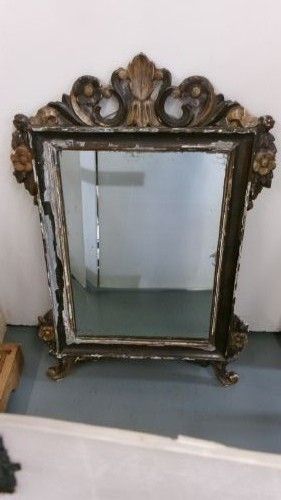


Gilt Wall Looking Glass
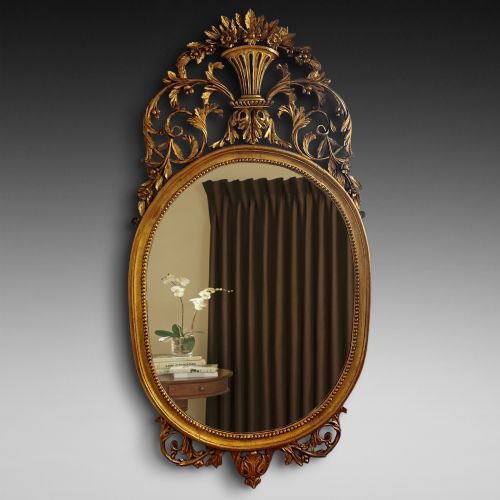
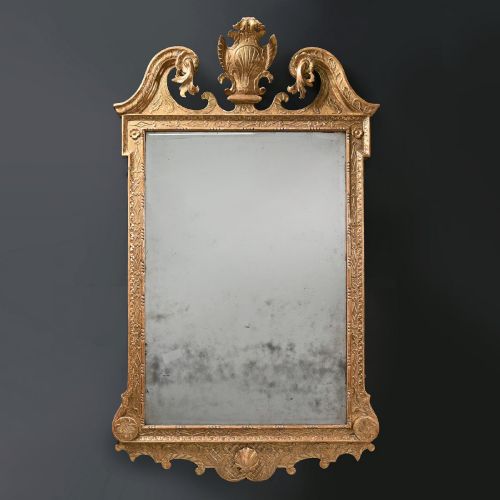
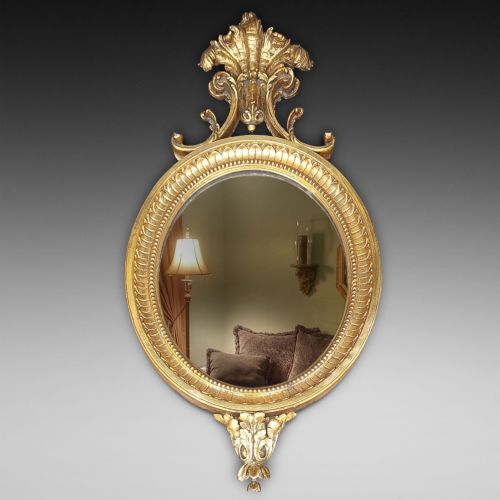
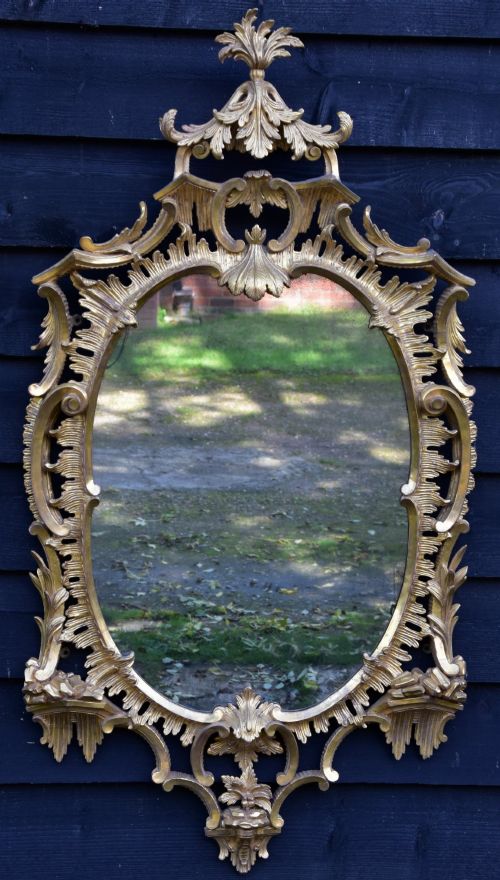
A gilt wall looking glass brings depth and reflective warmth to a room, using gold leaf and carved wood to catch the light.
Gilt Wall Looking Glass
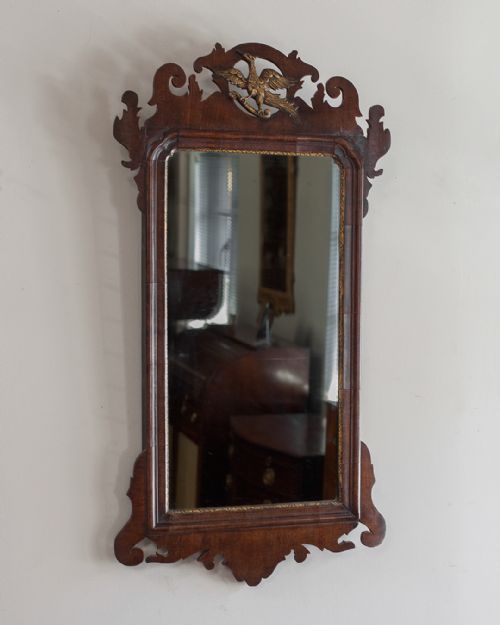
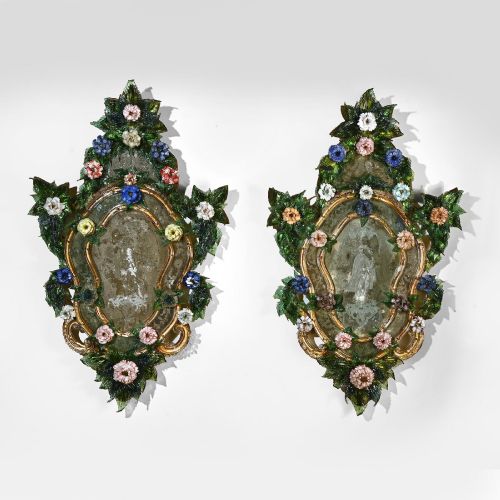
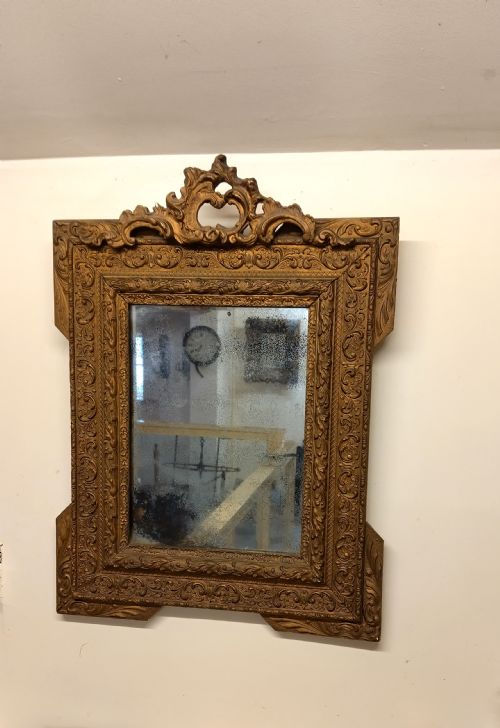
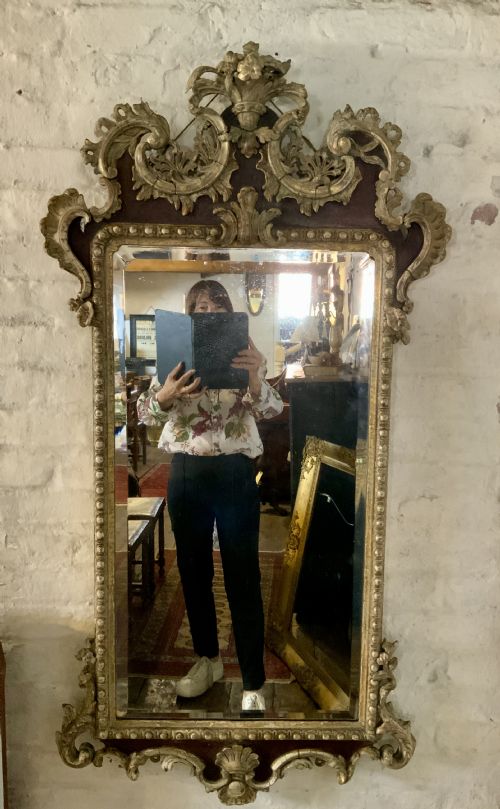
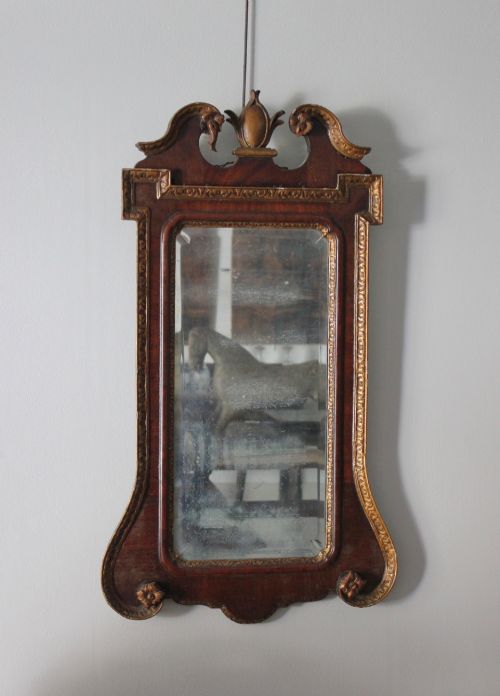
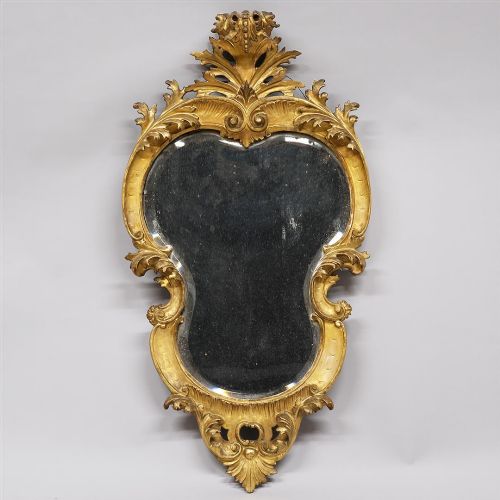
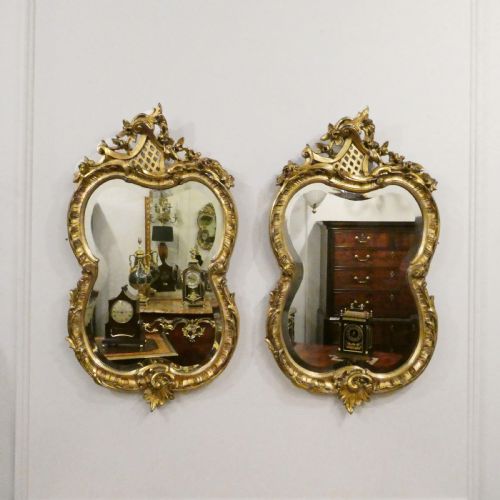
When you search for a gilt wall looking glass, you encounter wall mirrors shaped by centuries of changing taste, from the architectural rigour of the Georgian period to the fluid asymmetry of the Rococo Revival. The version you are most likely to meet on this page is a 19th century or 18th century piece finished in giltwood or gesso, often displaying classical motifs or intricate foliate carving.
These reflective furnishings served practical and decorative functions in period homes, designed to hang above mantelpieces, piers, or consoles to amplify natural daylight. Surviving examples range from neat fretwork mirrors in mahogany or walnut to large, ornate overmantle frames that anchor a room's interior scheme.
How They Were Made
Makers constructed the foundational frames using timber such as pine, mahogany, walnut, or sycamore, often shaping them through fretwork or intricate joinery before applying decoration. Artisans then built up surface relief using gesso, a mixture of chalk and binder, which was hand-carved or moulded into delicate scrolls and floral patterns.
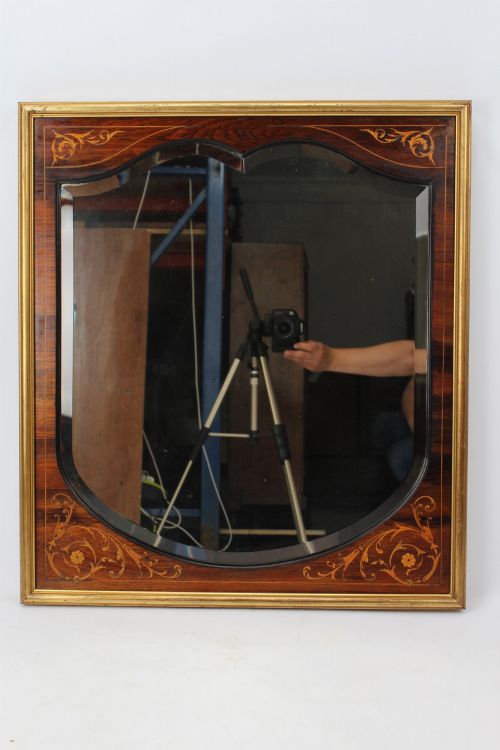
The characteristic golden finish relied on the application of gold leaf or silver gilt, sometimes water-gilt to allow for burnishing, or treated with sand-moulded techniques to create contrasting matte textures. Mirror plates themselves were traditionally hand-blown or cast, showing subtle distortions, bevelling, or silvering variations unique to early glass production.
Early glass makers occasionally left tiny air bubbles trapped inside the molten plate, giving modern viewers a delightfully wonky view of the room.
What Varies in Quality
The distinction between ordinary and exceptional pieces lies in the crispness of the carver's hand and the depth of the gesso relief beneath the gilding. Superior examples display sharply defined ornamentation without clogging or softening in the finer details, whereas lesser items show blunt edges from worn or heavy-handed recasting.
Proportion and originality dictate the standing of a frame, separating pieces that retain their untouched gilding and original glass plates from those heavily restored or re-gilded over time. The integrity of the wooden substrate and the harmony of the overall scale govern how successfully a piece holds its presence on a wall.
Benjamin Goodison·William Kent
The Gilt Wall Looking Glass Glossary
- Giltwood
- Wood that has been coated with gold leaf or gold paint. This technique provides a luminous surface finish characteristic of fine antique frames.
- Gesso
- A plaster mixture applied to wood frames to create a smooth surface for carving and gilding. Artisans apply it in multiple layers before tooling the intricate details.
- Fretwork
- Ornamental woodwork perforated with patterns, often associated with smaller Georgian mirrors. It is typically cut from thin boards of mahogany or walnut.
- Pier mirror
- A tall, narrow mirror designed to hang on the wall space between windows. These pieces often matched console tables placed directly beneath them.
- Girandole
- A decorative wall mirror featuring attached candle sconces or arms. The reflective glass multiplies the flickering light of the candles.
Gilt Wall Looking Glass: Frequently Asked Questions
How do I date a gilt wall looking glass?
Dating relies on observing the construction methods of the wooden frame, the composition of the gesso, and the style of the carving. Assemblage techniques and joinery hidden at the back often reveal the period of manufacture.
Mirror glass plates also offer clues, as early plates feature bevels, thickness variations, or slight imperfections distinct from uniform modern glass. Comparing the decorative motifs against known historical periods confirms the approximate era.
What is a pier mirror used for?
Pier mirrors were specifically designed to hang on the narrow expanse of wall between two windows, known as the pier. By positioning a mirror in this spot, Georgian and Victorian rooms captured and bounced natural light back into the interior.
They frequently stood directly above matching console tables or pier tables. This arrangement created a unified decorative scheme that anchored the formal reception rooms of grand houses.
Are original mirror plates common?
Original glass plates survive in many older pieces, showing age through subtle clouding, foxing, or slight distortion. These characteristics are valued by collectors as proof of authenticity and historical integrity.
Many pieces, however, received replacement glass over the centuries due to breakage or deterioration. Examining the mounting at the back helps determine whether the glass remains contemporary with the frame.
How do I hang a heavy antique mirror?
Hanging a substantial giltwood frame requires locating wall studs or using heavy-duty fixings suited to the weight of the timber and gesso. Professional mirror hangers often employ French cleats or robust steel brackets screwed securely into the wall.
The hanging wire or D-rings attached to the back of the frame must be inspected to ensure they can support the vertical load safely without straining the antique joints.