



Gilt Triple Mirror
A gilt triple mirror brings architectural width and reflected light into a room, most commonly seen here in substantial nineteenth-century overmantel forms.
Gilt Triple Mirror
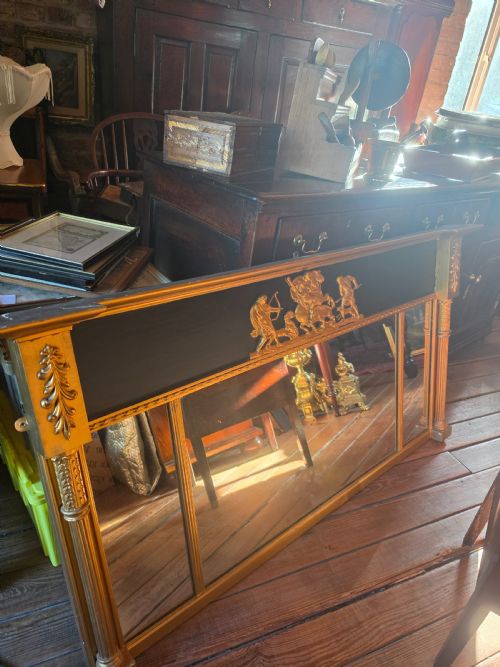
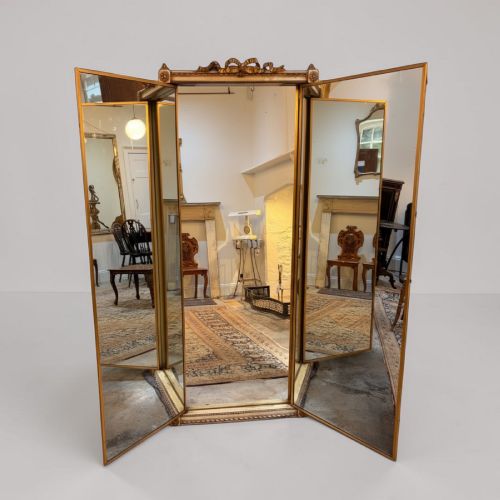
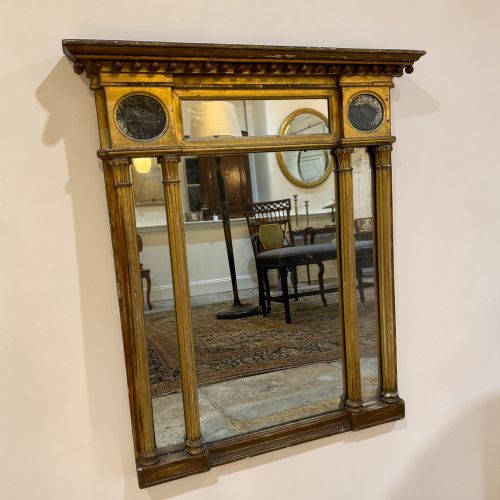
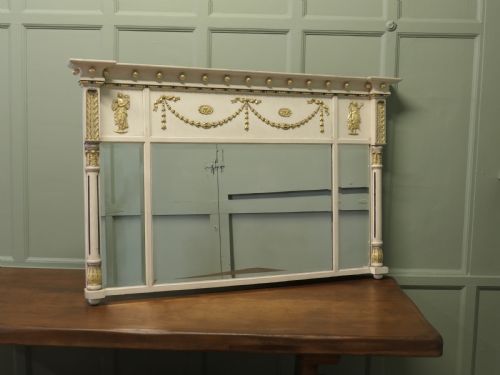
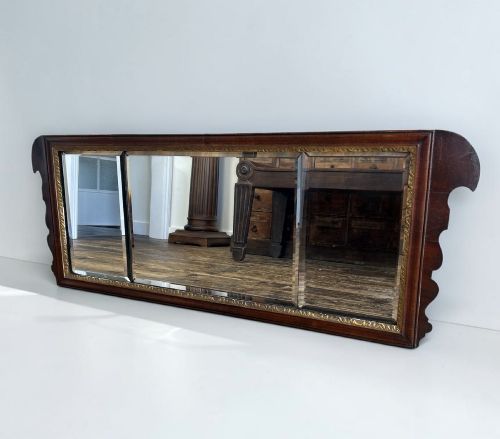
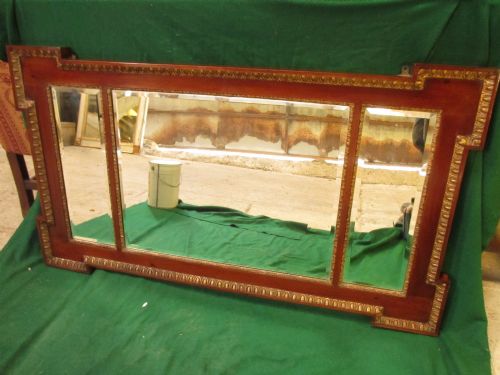
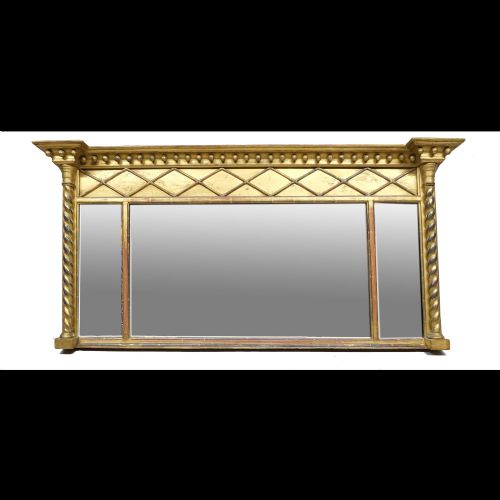
When you search for a gilt triple mirror, you encounter multi-plate looking glasses designed primarily to sit above a fireplace or upon a dressing table. The dominant form on this page is the nineteenth-century overmantel mirror, spanning wide landscape proportions divided into three distinct glass sections.
The evidence shows these pieces stretching from eighteenth-century George I and Georgian walnut examples through to Regency, Victorian, and early twentieth-century interpretations. Styles range from Rococo Revival and French Louis XVI to Grand Regency and Adam, uniting classical friezes with segmented glass plates.
How They Were Made
Frames rely principally on timber foundations of mahogany, walnut, or softer woods built to support heavy glass panels. Carved wooden elements combine with gesso and composition mouldings to build up intricate surface relief before gilding takes place.
Gilding applies fine gold leaf or metallic paint over prepared grounds, while mirror glass is held in triple plate configurations. Secondary materials such as paint and ebonising frequently accent the gilt framework.
Gilt Triple Mirror Retail Price Guide 2026
Typical asking prices for gilt triple mirror among the pieces listed under this phrase on Sellingantiques today, from the lower quarter to the upper quarter. They describe what is for sale here now, not the wider market.
Some nineteenth-century makers snuck miniature chariots and griffins into the wooden friezes, ensuring your reflection comes with an escort.
What Varies in Quality
Quality rests upon the crispness of the carved wood and gesso ornamentation, where hand-carved classical motifs and crisp mouldings outshine mass-produced composition details. The depth and integrity of the original gilding dictate the visual warmth of the frame.
The character of the mirror plates themselves marks another distinction, with bevelled or triple-divided glass retaining genuine age differing significantly from later replacements. Structural joinery and the weight of the timber backing complete the measure of the piece.
The Gilt Triple Mirror Glossary
- Giltwood
- Wood that has been coated with gold leaf or a gold-coloured finish. This technique creates a luminous surface that catches and reflects ambient light.
- Overmantel
- A large mirror or painting designed to be hung specifically above a fireplace mantelpiece. These pieces often feature wide landscape orientations to balance the hearth below.
- Gesso
- A plaster-like mixture applied to wood frames to create a smooth surface for gilding and low-relief moulding. It allows carvers to achieve fine decorative detail.
- Composition
- A moulded mixture of whiting, resin, and oil pressed into decorative shapes. It offered makers a faster alternative to hand-carving intricate frame details.
Gilt Triple Mirror: Frequently Asked Questions
Where should I hang a gilt triple mirror?
These mirrors traditionally anchor themselves above a fireplace mantelpiece, where their wide horizontal format fills the architectural space beneath the chimney breast.
They also function effectively on principal living room walls to bounce daylight across the interior and create an illusion of greater room depth.
How do I date a gilt triple mirror?
Dating relies on stylistic clues within the frame, such as Regency classical friezes, Georgian walnut veneers, or Victorian Rococo Revival scrolls. The construction of the timber backing and the appearance of the mirror glass provide further chronological indicators.
Earlier eighteenth-century pieces often display hand-carved walnut and parcel gilt surfaces, while nineteenth-century versions frequently utilise heavy gesso over pine.
Can I use a dressing table version on the wall?
Folding triple dressing table mirrors are engineered for tabletop use with specific support structures, making them unsuitable for heavy wall hanging without adaptation. Their smaller scale and hinged side panels distinguish them from fixed wall and overmantel formats.
Best practice keeps dressing table mirrors on flat surfaces where their adjustable side plates can be utilised properly.