


Gilt Slip Framed Art
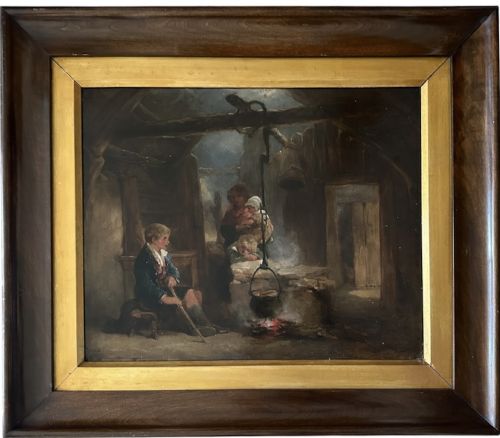
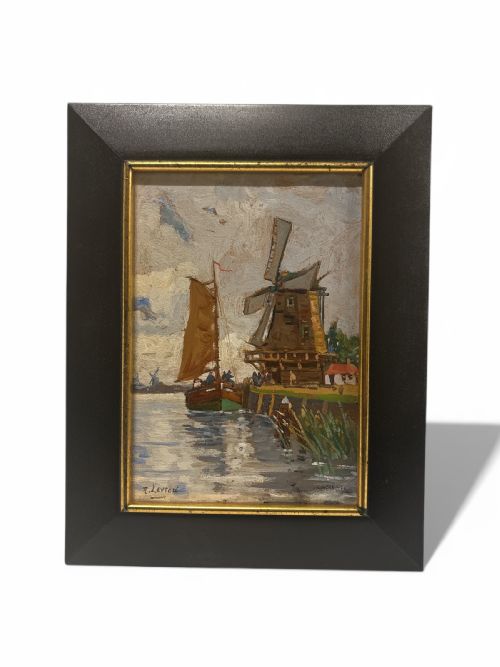
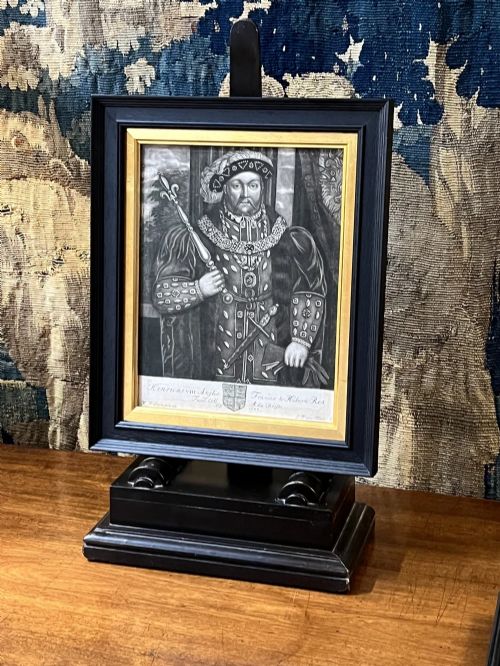
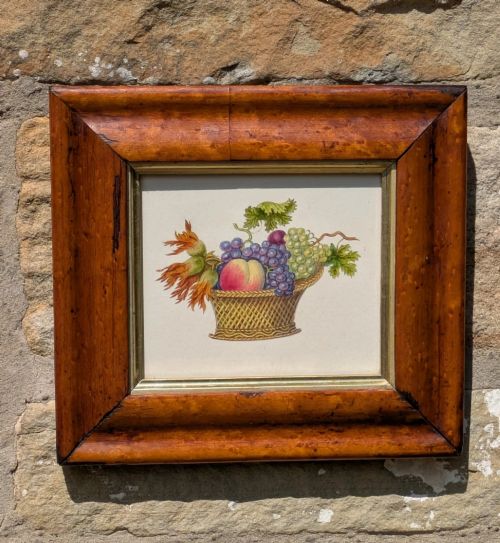
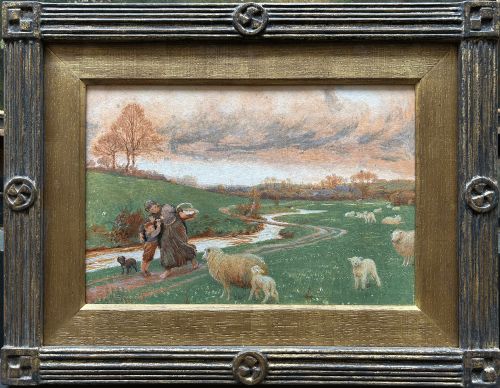
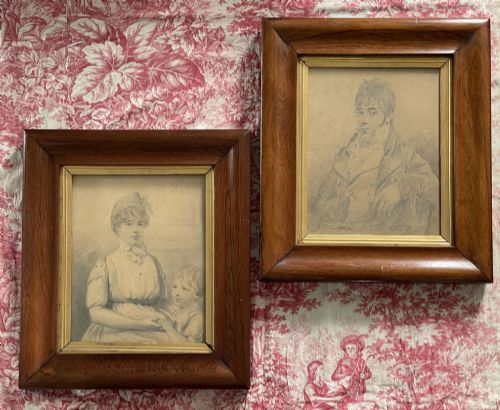
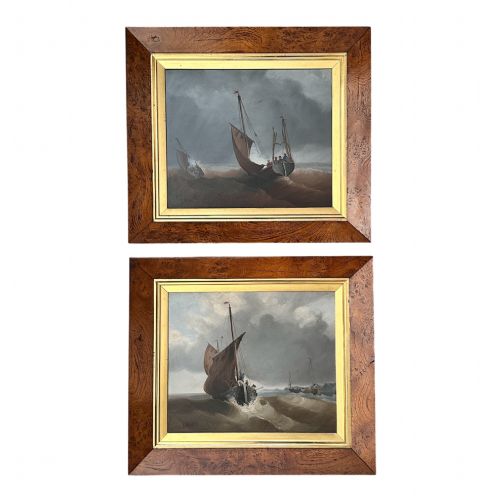
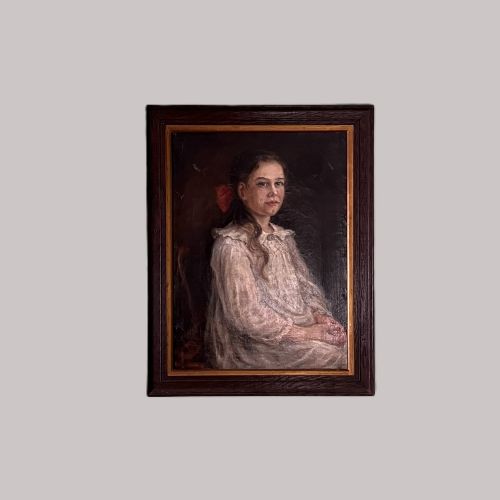
Gilt slip framed art comprises oil paintings, watercolours, and prints set within inner gilded borders that visually separate the image from the outer frame.
Gilt Slip Framed Art
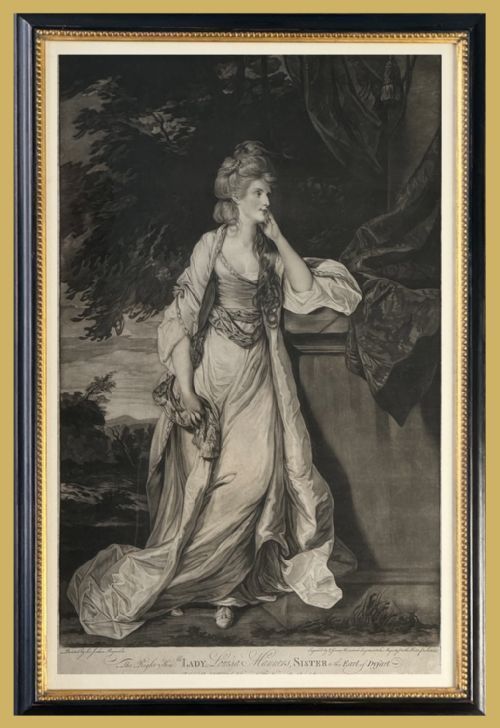
When you search for gilt slip framed art, you encounter a variety of wall art including oil paintings, watercolours, engravings, mezzotints, and silhouettes. These pieces span periods from the eighteenth century through the Regency, Victorian, and Edwardian eras up to the early twentieth century.
The defining characteristic of these works is the inclusion of a gilt slip, which functions as an inner border or liner within the main frame. This framing technique highlights the artwork by creating a transition between the picture plane and the outer moulding.
How they were made
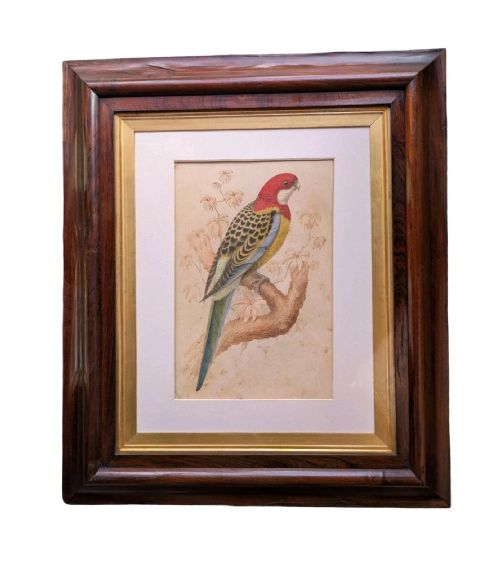
The physical construction of these pieces relies on traditional materials such as wood, glass, paper, canvas, and gold leaf. Frames are constructed from wood, sometimes utilising burr maple or rosewood, while the internal slips are finished with gold leaf or gilt.
Artworks themselves utilise mediums like oil on canvas or board, watercolour, graphite, pencil, and print techniques including mezzotint, engraving, and chromolithography. Needlework textiles and silhouettes also appear within the framed selections, demonstrating diverse period studio and craft practices.
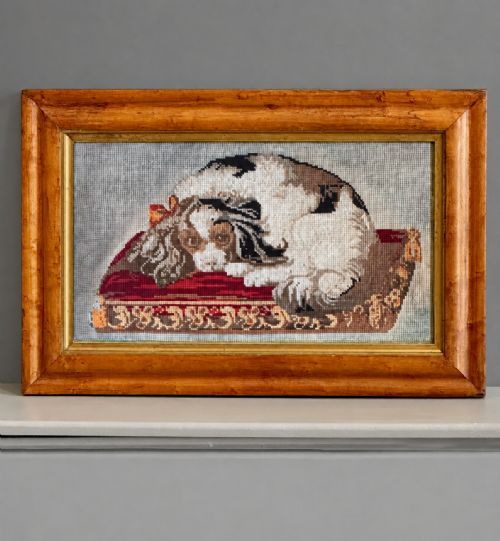
A King Charles Spaniel needlework sits proudly in burr maple, proving that historic dogs commanded artistic attention just as they do today.
What varies in quality
Quality in these framed works is determined by the precision of the artistic execution and the harmony between the art and its framing. Masterful handling of oil paint or watercolour and fine detail in engravings or silhouettes distinguish superior examples.
The condition and integrity of the original framing elements, particularly the gold leaf on the inner slip and the preservation of the underlying wood, contribute significantly to the overall standing of each piece.
George Whitton Johnstone·R Leyton·Valentine Green·Sir Joshua Reynolds·John Faber Snr·Hans Holbein The Younger·R. Hurst·Frederick Walker·John Moore Of Ipswich·David Teniers·Gustave De Bréanski·Edwin Hughes·Gainsborough·W.A. Clark·Arthur H Enock·Charles Burton Barber·Alfred Graham·J. Mitan·Skeolan·John Ferneley Jnr
The Gilt Slip Framed Art Glossary
- Gilt slip
- An inner moulding or liner finished with gold leaf or gilt that sits between the artwork and the outer frame.
- Mezzotint
- A printmaking process of the intaglio family where tones are created by roughening the copper plate with a rocker.
- Chromolithography
- A planographic colour printing technique used to produce multi-coloured lithographic prints.
- Tinsel picture
- A form of nineteenth-century collage art utilising printed figures adorned with foil, tinsel, and fabric.
- Silhouette
- A portrait cut from paper or painted as a solid dark shape, often in profile.
Gilt Slip Framed Art: Frequently Asked Questions
What is a gilt slip?
A gilt slip is the narrow inner frame liner finished in gold leaf that sits directly against the artwork or its mount. It creates a visual buffer that draws the eye inward toward the painted or printed surface.
This technique was widely utilised across Georgian, Regency, and Victorian framing traditions to enhance depth and isolate the image from heavier outer mouldings.
How do I date these frames?
Dating involves examining the wood construction, assembly techniques, and the style of the inner slip and outer moulding. Period frames often utilise specific timbers such as rosewood or burr maple and distinct joinery methods.
Comparing the framing style with the medium and period of the enclosed artwork helps confirm whether the frame is original to the piece.
Are these works hand painted?
The listings include a mix of hand-painted works and period print media. You will find original oil paintings on canvas and board, delicate watercolours, graphite drawings, and silhouettes alongside engravings and mezzotints.
Each listing specifies the exact medium, allowing you to distinguish between unique painted studies and historical printed graphics.
How should I display them?
These framed pieces suit traditional and eclectic interiors alike, functioning effectively as focal points or within gallery arrangements. Ensure they are hung away from direct sunlight to protect sensitive watercolours, paper prints, and gold leaf surfaces.
Maintaining stable indoor humidity levels helps preserve both the wooden frames and the canvas or paper supports inside.