


Antique Sailing Boat Art
Antique sailing boat art captures the enduring appeal of maritime life through painted canvases, watercolours, and detailed dioramas from past centuries.
Antique Sailing Boat Art
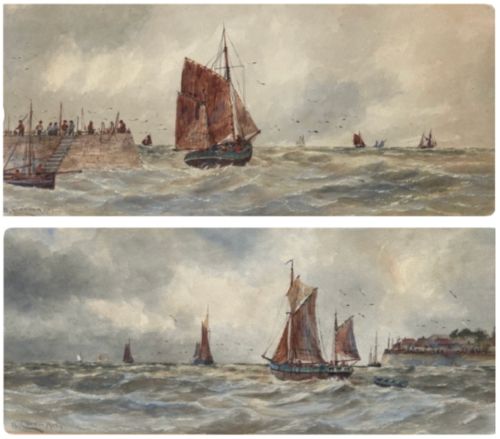
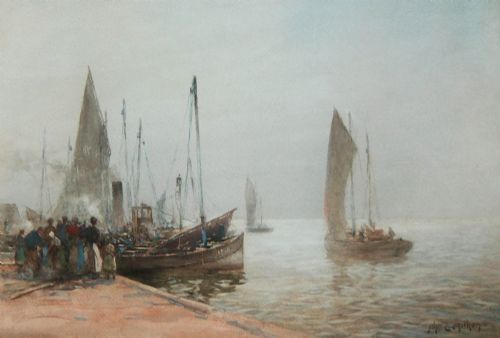
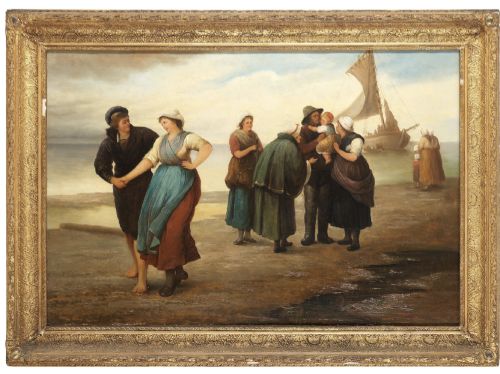
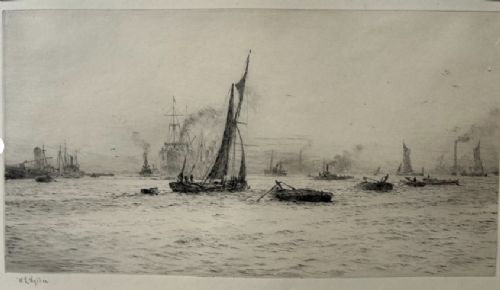
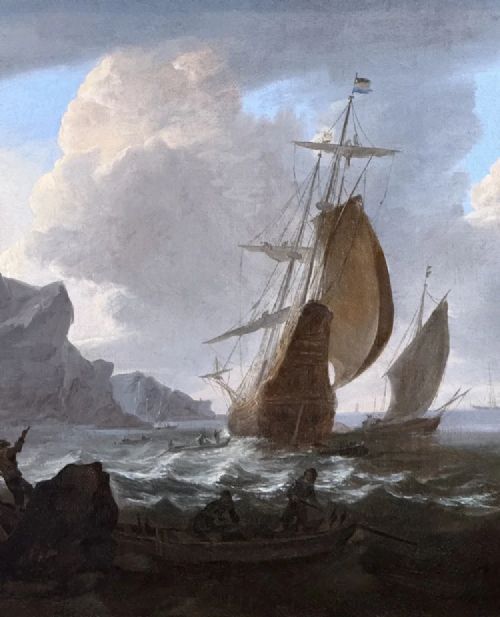
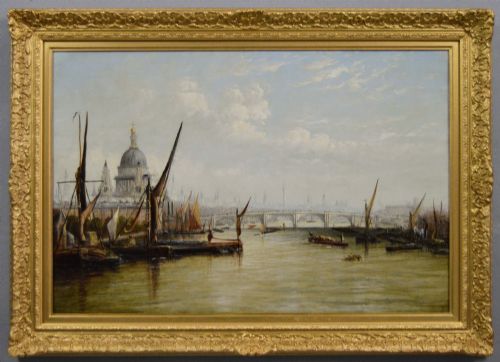
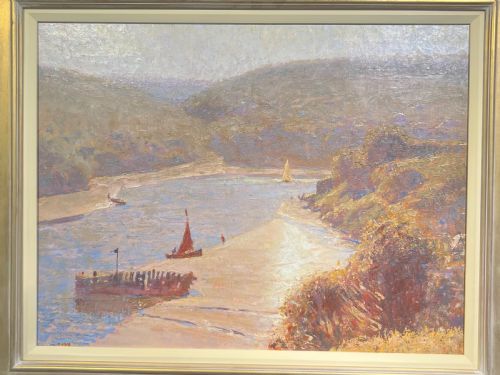
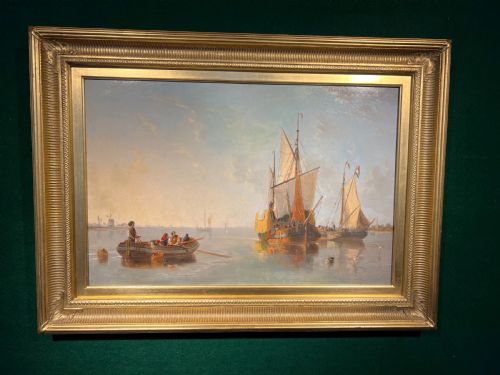
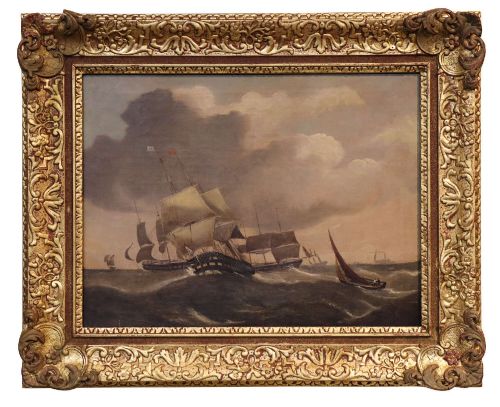
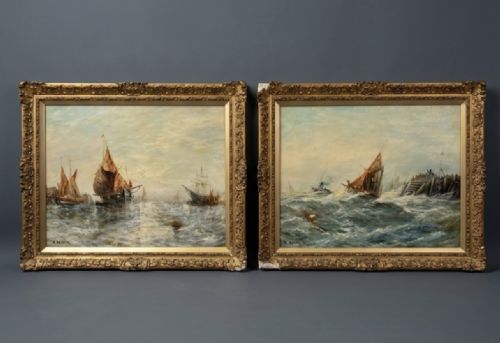
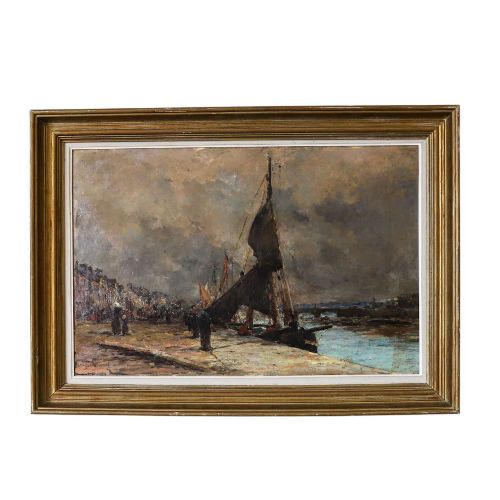
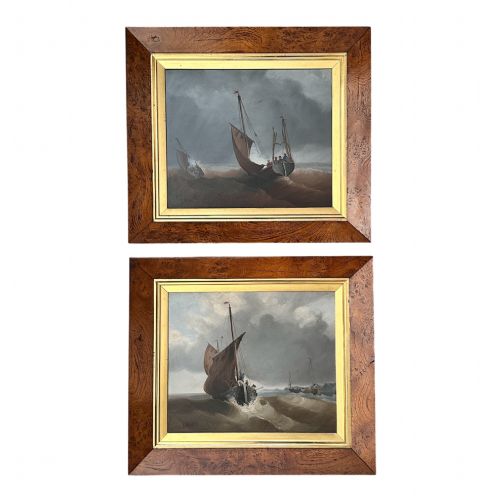
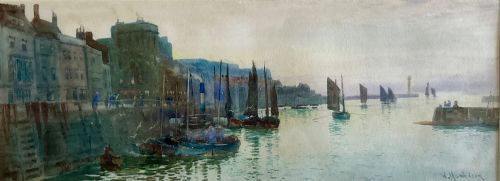
When searching for antique sailing boat art, you encounter a varied selection of watercolours, oil paintings on canvas or board, and handcrafted ship dioramas. These works primarily document coastal scenes, stormy seas, and working harbour vessels from the nineteenth and early twentieth centuries.
The assortment on this page relies heavily on British and European marine art, featuring Victorian maritime styles alongside early twentieth-century interpretations. Painters and makers utilised traditional formats to record commercial shipping, fishing boats, and leisure craft on rivers and open waters.
How they were made
Artists painted these marine subjects using oil on canvas, oil on board, and watercolour on paper, frequently housed within period gilt wood frames. Canvas surfaces allowed for textured applications of pigment to represent heavy seas and atmospheric skies.
Three-dimensional representations such as ship dioramas and models inside glass bottles combine carved wood, canvas sails, and paper details. These constructed pieces required precise scale work to fit enclosed wooden boxes or glass vessels.
Model ships squeezed into glass bottles proved that patience mattered more to sailors than cabin space.
What varies in quality
The handling of light and atmospheric conditions marks the difference between standard decorative marine works and superior artistic achievements. Skilled painters capture the movement of water and the rigorous weather of coastal environments with convincing depth.
Framing and material preservation also influence the standing of a piece, as original gilt wood frames and well-preserved watercolours retain their visual integrity better than those affected by heavy pigment fading or moisture damage.
William Lionel Wyllie·Thomas Bush Hardy·John Wilson Carmichael·Abraham Hulk Snr·George Stanfield Walters
The Antique Sailing Boat Art Glossary
- Seascape
- A work of art depicting the sea, coastal views, or marine vessels. These compositions focus primarily on water and atmospheric weather conditions.
- Diorama
- A three-dimensional model display enclosed in a box or glass bottle. In maritime contexts, these showcase sailing ships constructed from wood and canvas.
- Provenance
- The documented history and ownership lineage of a work of art. This record helps establish the authenticity and origin of nineteenth-century paintings.
- Etching
- A printmaking technique where lines are incised into a metal plate with acid. Artists ink the plate to transfer detailed linear imagery onto paper.
Antique Sailing Boat Art: Frequently Asked Questions
How do I date an antique marine painting?
Dating relies on stylistic clues, framing methods, and artist signatures recorded in historical archives. Clothing styles of figures on the shore or the rigging details of the depicted ships often point to specific decades.
Material analysis of the canvas support and pigments can further narrow down the era of creation. Comparative study with signed works from known nineteenth-century painters provides reliable chronological markers.
How should I care for antique watercolours?
Antique watercolours require protection from direct sunlight to prevent the pigments from fading permanently. Framing them with acid-free mount board and UV-filtering glass guards the delicate paper against environmental deterioration.
Keeping the works away from high humidity areas prevents mould growth and paper cockling. Stable indoor temperatures ensure the conservation of nineteenth-century paper supports.
What distinguishes Victorian marine art?
Victorian marine art often emphasises the drama of coastal weather, commercial shipping, and naval power. Artists during this era focused on accurate vessel architecture alongside romanticised stormy seas.
These paintings frequently use oil on canvas within heavy gilt frames suited to domestic display. The genre reflects Britain's strong economic and cultural reliance on maritime trade.