

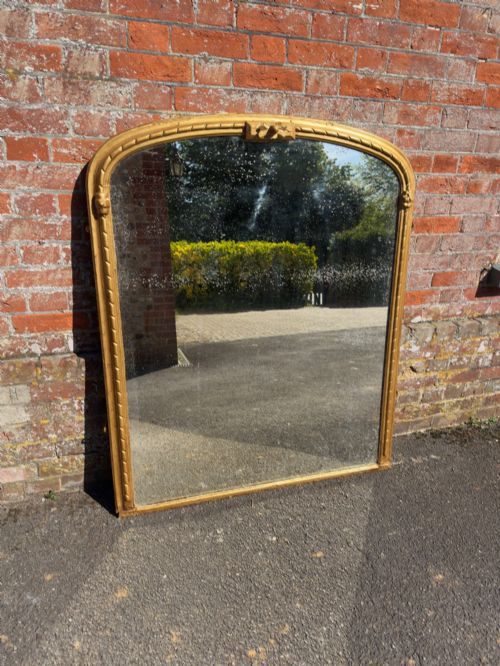


Gilt Rope Frame
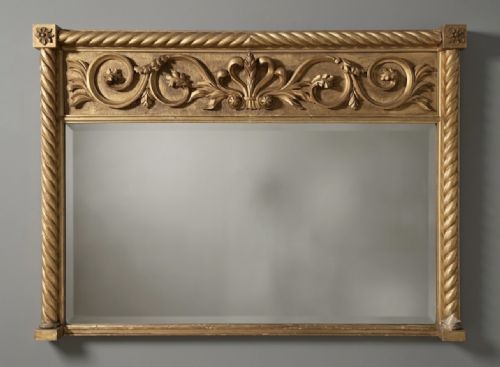
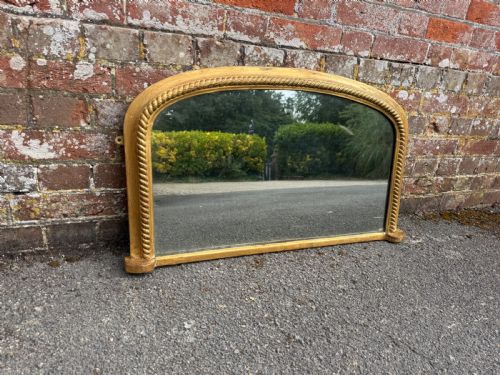
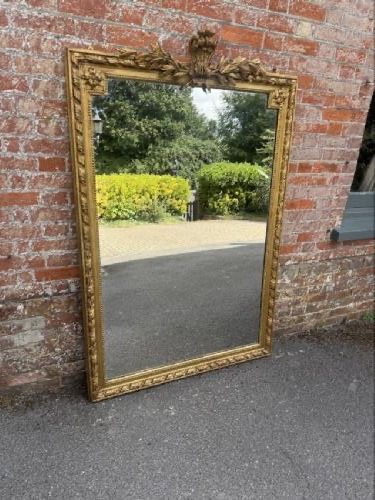
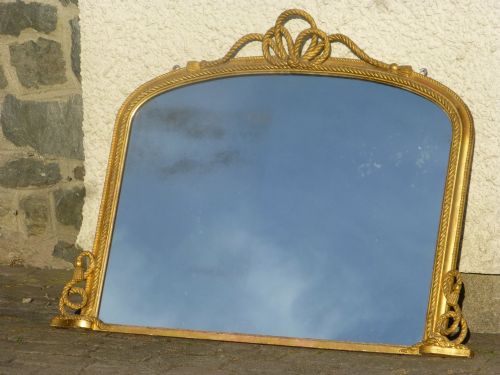
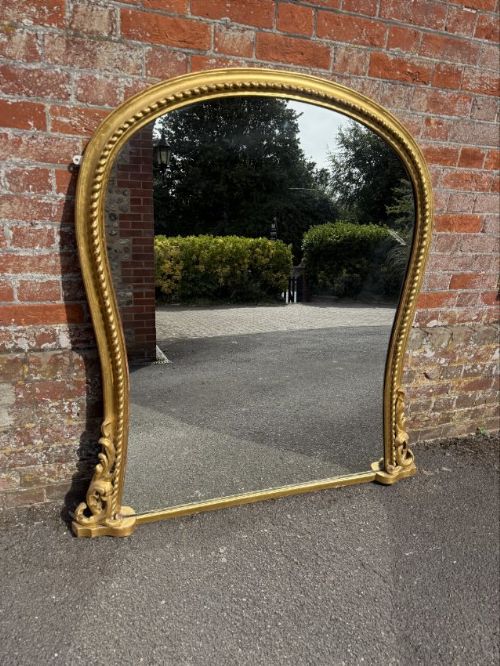
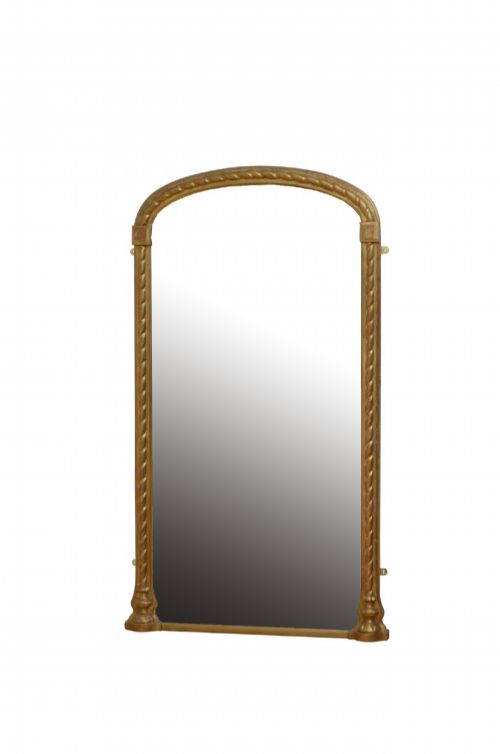
A gilt rope frame surrounds glass with carved twist patterns that mimic maritime cordage, bringing texture and warmth to large wall and overmantel mirrors.
Gilt Rope Frame
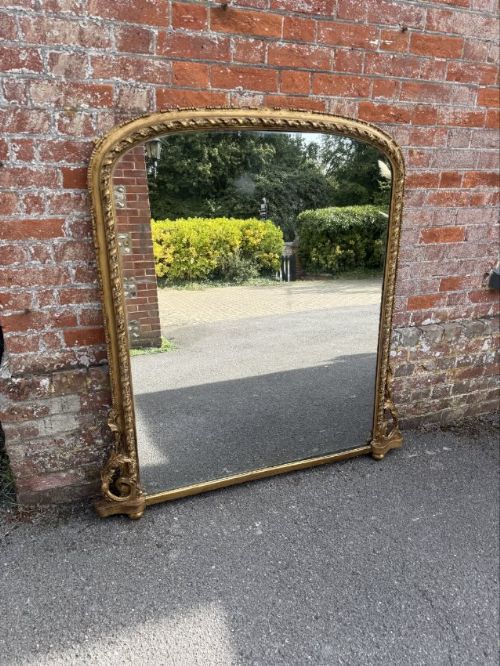
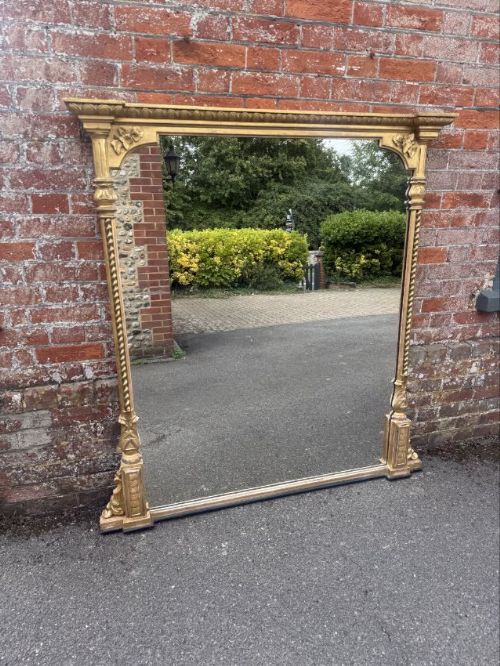
When searching for a gilt rope frame, a buyer encounters large overmantel mirrors and wall mirrors dating predominantly from the nineteenth century, including Regency, Victorian, and Edwardian periods.
The evidence shows these pieces originating from English and French workshops, taking the form of arched top glasses, grand scale circular plates, and tall pier mirrors.
The rope twist carving defines the aesthetic, appearing alongside ribbed framing, beaded moulding, and cushion mirror designs.
Materials and Construction
Carpenters formed the core structures using pine and general wood, applying layers of gesso to build up the rounded contours of the rope twist motif.
Artisans then laid gold leaf or composition over the gesso base, occasionally combining the gilding with ebonised wood or painted finishes to highlight the carved strands.
Maritime inspiration entered interior decor as sailors tied decorative knots, eventually inspiring craftsmen to carve permanent wooden ropes around looking glasses.
Distinctions in Quality
The depth and crispness of the carved wood and gesso twist separate superior examples from softer, flatter moulding where the cordage detail lacks definition.
Original gilding preserved across the gesso holds higher regard than later repainting, while the integrity of the underlying wooden frame ensures structural stability for heavy glass.
The Gilt Rope Frame Glossary
- Gesso
- A plaster-like mixture applied to wood frames to create a smooth surface for carving and gilding. This material allows artisans to achieve deep relief details like rope twists.
- Giltwood
- Timber that has been coated with thin sheets of gold leaf or gold powder. It provides a warm, reflective metallic sheen that ages with a distinct patina.
- Overmantel Mirror
- A large mirror designed specifically to hang above a fireplace mantel. These pieces often feature arched tops to fit architectural spaces.
- Pier Mirror
- A tall, narrow mirror made to hang on the wall between two windows, often placed above a pier table. They frequently incorporate grand proportions and vertical framing.
- Composition
- A moulded material made from whiting, resin, and oil pressed into shape and applied to frames. It speeds up ornamentation while mimicking hand-carved wood.
Gilt Rope Frame: Frequently Asked Questions
How do I hang a heavy overmantel mirror?
These large nineteenth-century frames require secure wall fixings anchored directly into masonry or heavy timber studs. Professional mirror hangers utilise suitable weight-bearing brackets to support the substantial combined mass of the wood and glass.
Positioning the glass at the correct height above a mantelpiece balances the room's proportions while ensuring the frame sits safely against the wall.
What rooms suit a rope twist frame?
Living rooms, hallways, and dining spaces accommodate these large wall and overmantel mirrors effectively. The reflective glass bounces natural light around the room while the textured border adds architectural interest.
Positioning the mirror opposite a window maximises illumination and creates a sense of expanded space in smaller interiors.
How do I clean antique gilt surfaces?
Dusting the carved rope frame gently with a dry, soft brush prevents the accumulation of dirt without disturbing the fragile gold leaf. Moisture and chemical cleaners damage historic gesso and gilding permanently.
Glass panels require a mild glass cleaner applied sparingly to a cloth rather than sprayed directly onto the surface, avoiding contact with the surrounding wood.
How do I distinguish Regency from Victorian mirrors?
Regency pieces often display classical restraint with crisp, architectural lines and specific proportions dating from the early part of the nineteenth century. Victorian examples tend toward larger, heavier scales with more ornate crests and varied moulding.
Examining the construction methods, backboards, and fastener types helps confirm the manufacturing era of the underlying wooden frame.