



Gilt Rimmed Wall Plate
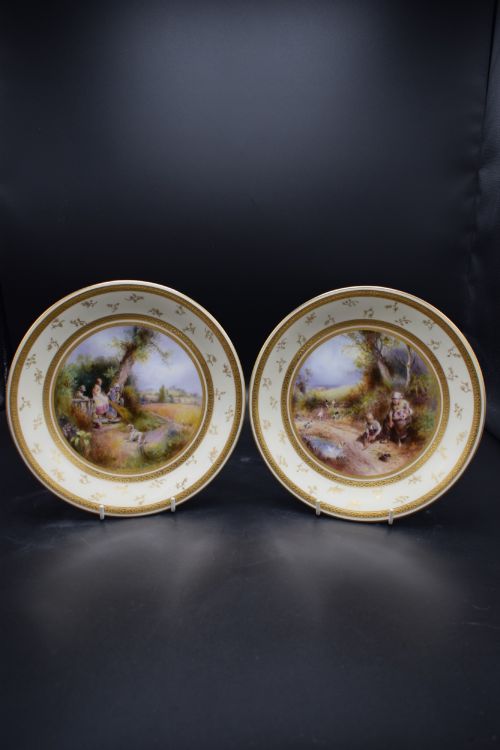
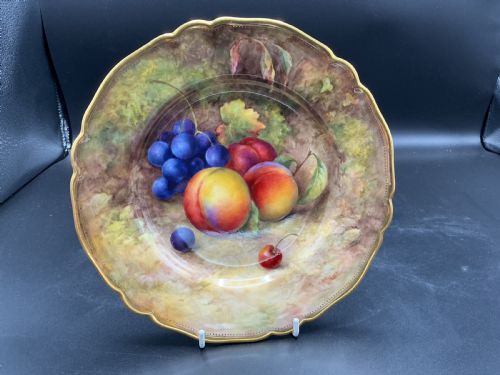
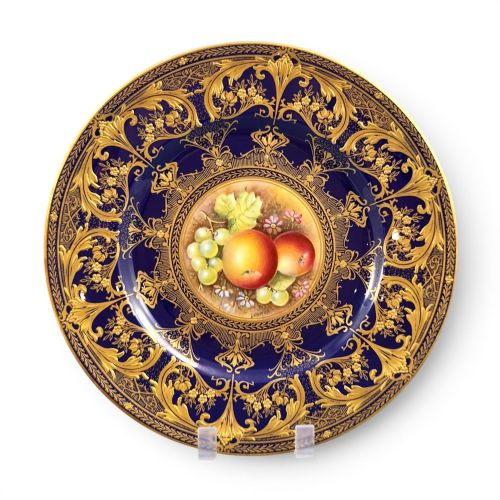
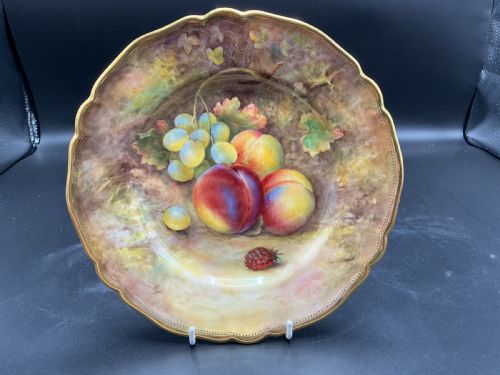
These gilt rimmed wall plate examples bring hand-painted artistry and fine porcelain to the home.
Gilt Rimmed Wall Plate
A gilt rimmed wall plate combines decorative painted scenes with metallic gilding on porcelain, bone china, ironstone or enamel. These pieces serve primarily for display rather than dining.
The selections range from nineteenth century chargers to twentieth century cabinet plates. English factories such as Royal Worcester, Coalport and Royal Doulton dominate the available forms alongside continental and Japanese works.
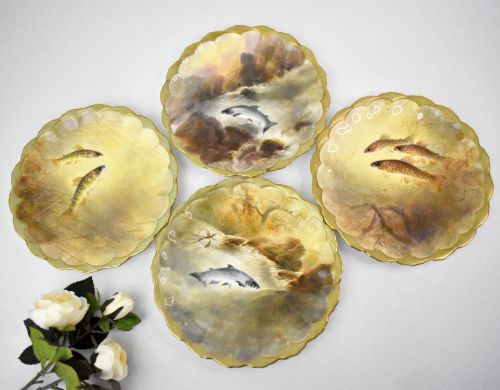
Buyers encounter styles spanning Victorian revival, Edwardian ceramic art and traditional English painting. Many feature hand-painted fruit, birds or mythological scenes framed by gilded borders.
How they were made
Potters shaped porcelain, bone china and ironstone bodies before applying initial glazes and firing the base plates. Artisans then painted detailed subjects by hand using enamel colours.
Gilding and gold leaf were applied to the rims and edges, often requiring additional low-temperature kiln firings to bond the precious metal. Piercing and reticulation appear on specific exhibition or cabinet pieces.
Gilt Rimmed Wall Plate Retail Price Guide 2026
Typical asking prices for gilt rimmed wall plate among the pieces listed under this phrase on Sellingantiques today, from the lower quarter to the upper quarter. They describe what is for sale here now, not the wider market.
Listings span periods from the late nineteenth century through to the 1960s, incorporating porcelain, bone china, ironstone and gold leaf.
What varies in quality
The skill of the individual painter dictates the artistic merit of each plate, with named artists commanding greater attention. Detailed brushwork in fruit, bird or figural subjects separates standard production from exhibition pieces.
The crispness and preservation of the gilding along the rim indicate the grade of craftsmanship and subsequent care. Heavier porcelain bodies and intricate reticulation also mark higher tiers of production.
Royal Worcester·John Davenport of Longport·Royal Doulton·Meissen·Coalport
The Gilt Rimmed Wall Plate Glossary
- Cabinet plate
- A decorative plate intended for display in a glass-fronted cabinet rather than everyday table use. These pieces often feature elaborate hand-painted subjects and gilded borders.
- Ironstone
- A heavy, durable type of earthenware developed in the nineteenth century to imitate porcelain. It provides a robust body for transfer-printed and hand-painted patterns.
- Gilding
- The application of gold leaf or powdered gold to the ceramic surface. This technique highlights rims, edges and decorative borders.
- Reticulation
- An openwork pattern pierced through the rim of a plate before firing. This decorative technique requires high skill to prevent warping in the kiln.
- Charger
- A large decorative plate used as a base setting or hung directly on a wall. These items often feature expansive painted scenes.
Gilt Rimmed Wall Plate: Frequently Asked Questions
How do I hang a wall plate safely?
Use spring-loaded brass plate hangers that grip the rim securely without causing damage to the ceramic body or the gilt edge.
Ensure the wall fixing is anchored properly to support the weight, especially for larger chargers and ironstone pieces.
Were these plates used for dining?
Most pieces catalogued as cabinet plates or chargers were made purely for display. Their painted surfaces and delicate gilding are unsuited to regular dining use.
Dinner plates within the selection, however, were produced for table service alongside their decorative functions.
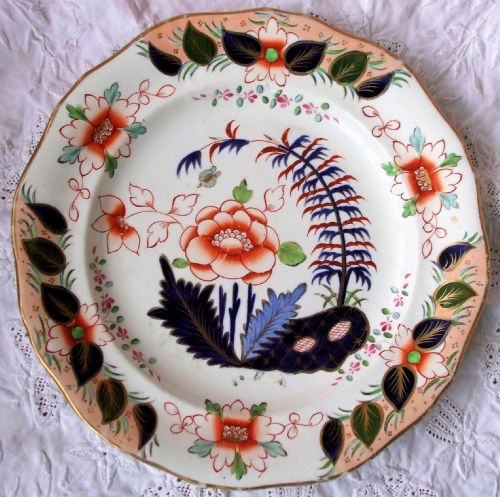
What does the Imari pattern mean?
Imari refers to a style of decoration featuring underglaze blue and iron red, often accented with gold. The aesthetic originates from Japanese export porcelain and was widely copied by European factories.
English makers adapted these bold colourways onto ironstone bodies during the nineteenth century.