


Gilt Rimmed Porcelain Vase
A gilt rimmed porcelain vase brings brilliant metallic edges to fine ceramic bodies, offering the classic contrast of white or painted surfaces against rich gold.
Gilt Rimmed Porcelain Vase
A gilt rimmed porcelain vase combines delicate ceramic vessels with metallic gilding along the upper aperture, ranging from small cabinet pieces to large floor-standing examples. When you search for a gilt rimmed porcelain vase, you encounter items stretching across the nineteenth and twentieth centuries, including British bone china, French porcelain, and Japanese export wares.
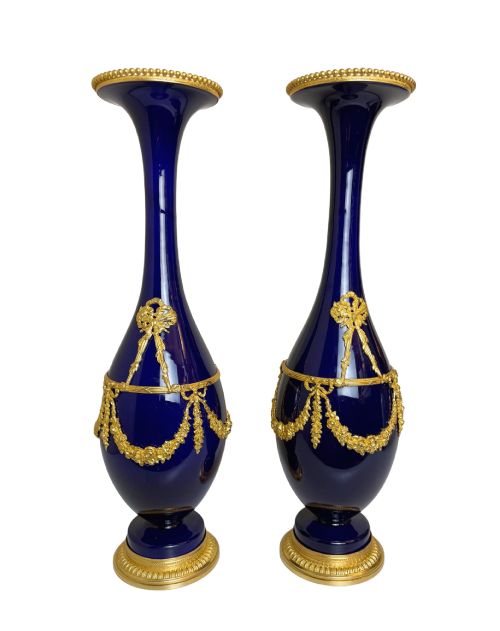
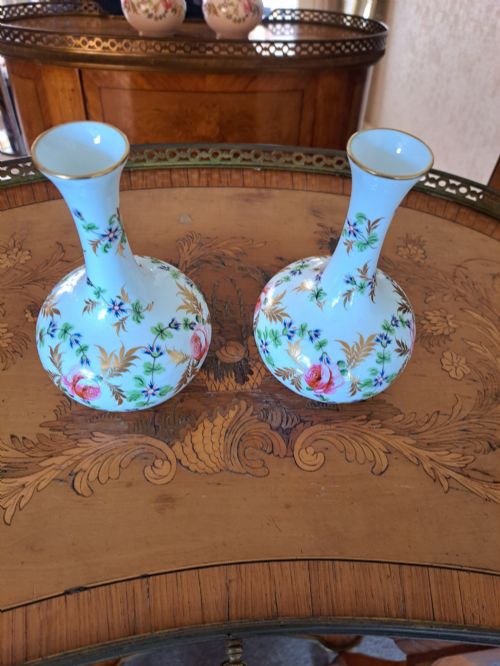
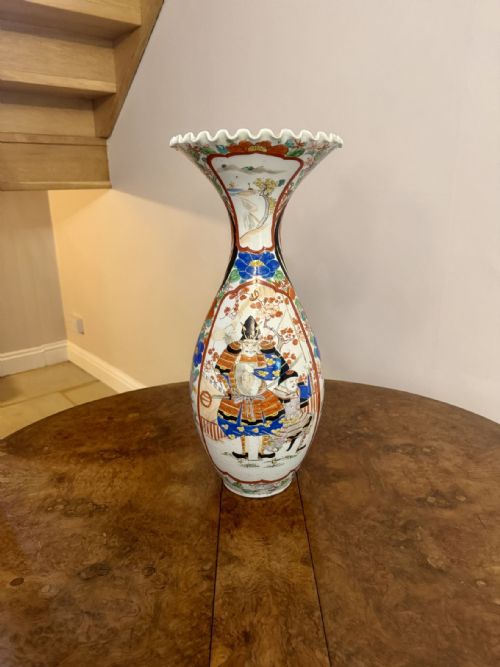
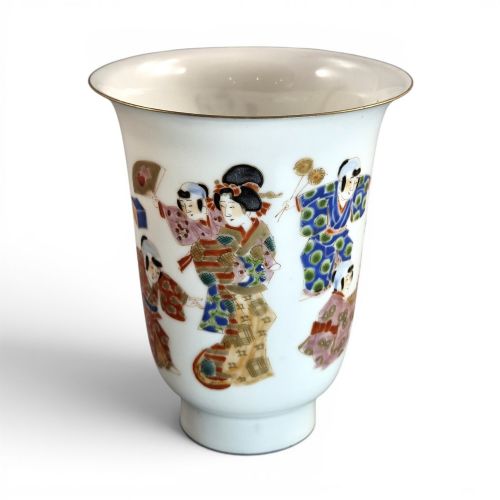
The selection on this page spans distinct decorative traditions, from floral Royal Worcester and French Old Paris porcelain to Japanese Imari, Kutani, and eggshell pieces. Spill vases and bud vases appear frequently alongside grander pairs mounted with gilt bronze trims.
Geographic origins vary widely between European factories and Meiji period Japanese workshops, each applying gold leaf or liquid gilding to frame painted scenes or plain porcelain bodies. Buyers meet everything from cabinet ornaments signed by noted painters to heavy floor vases designed for prominent display.
How they were made
Makers shaped fine porcelain and bone china before applying enamel colours and hand-painted motifs, which included birds, cattle, fruit, and traditional Japanese patterns. Firing in kilns set the base glazes and pigments prior to the addition of gold elements.
Craftsmen applied gold leaf, liquid gold, or ormolu mounts to the upper edges and handles, bonding the metal to the ceramic surface through heat or adhesives. Gilt bronze mounts were frequently cast separately and fitted securely to support heavier nineteenth-century bodies.
Several spill vases were painted by artists who evidently preferred depicting highland cattle over almost any other subject.
What varies in quality
The precision and thickness of the gilding set individual pieces apart, with heavy, burnished gold leaf representing superior craftsmanship compared to thin, rubbed paint. Painted details also drive quality distinctions, especially on signed works featuring detailed birds, Highland cattle, or fruit.
The weight, clarity, and ring of the underlying porcelain or bone china indicate the purity of the materials used in the body. Furthermore, the presence of original cast bronze mounts and maker marks adds significant distinction to the finished object.
Royal Worcester·Crown Derby·Hichozan Shinpo
The Gilt Rimmed Porcelain Vase Glossary
- Gilding
- The application of gold leaf or gold dust to a surface. This technique enhances ceramic rims and highlights raised decorative details.
- Ormolu
- Gilded bronze applied as a decorative mount. Makers used this material to trim European and French porcelain bodies.
- Bone china
- A type of porcelain incorporating animal bone ash. It produces a strong, brilliant white body favoured by British factories.
- Spill vase
- A tall, narrow vessel designed to hold slender tapers. Households used these to transfer flames from a fireplace to candles.
- Eggshell porcelain
- An extremely thin, lightweight ceramic ware. Japanese workshops mastered this technique to create translucent vessels.
Gilt Rimmed Porcelain Vase: Frequently Asked Questions
How are these vases cleaned?
Dust ceramic surfaces gently with a soft, dry brush to prevent accumulating grime in recessed details.
Avoid abrasive cloths and harsh chemical cleaners, as these substances wear away the delicate gold leaf on the rims.
Where should I display them?
Position smaller bud and spill vases on mantelpieces, side tables, or within enclosed cabinets where ambient light catches the gilt rims.
Place larger floor vases in stable corners away from foot traffic to protect their heavy ceramic and bronze bodies from accidental knocks.
How do I identify the maker?
Examine the underside of the ceramic base for factory stamps, painted ciphers, or impressed symbols. British and European pieces often carry distinct backstamps denoting the operating period.
Look for artist signatures written near the base of painted scenes, which indicate individual work by notable factory painters.
What periods are represented?
The pieces span the nineteenth and twentieth centuries, encompassing Georgian, Victorian, and Edwardian eras. Japanese examples frequently date from the Meiji period.
Stylistic cues such as hand-painted naturalism, classical French mounts, and traditional export patterns help distinguish these specific manufacturing eras.