




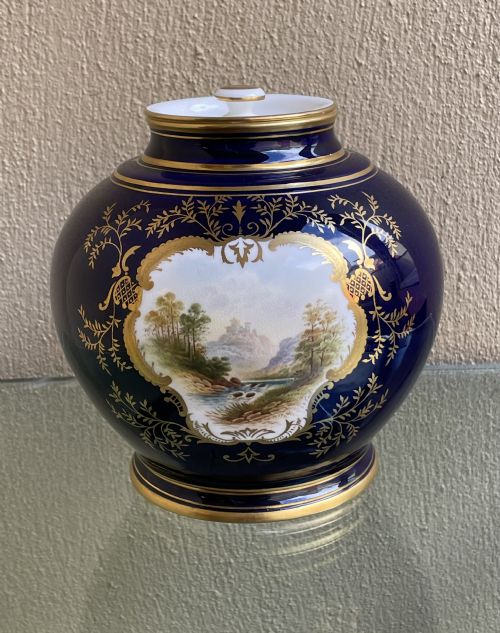


Gilt Porcelain Lidded Vases
These gilt porcelain lidded vases combine ceramic form with gilded ornament, offering both decorative presence and container function.
Gilt Porcelain Lidded Vases
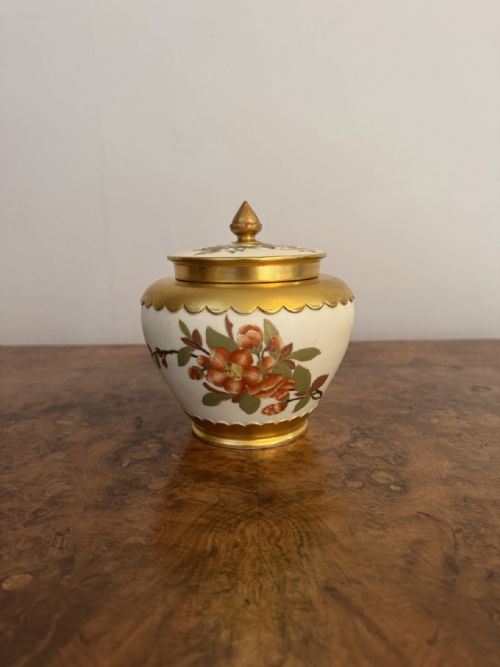
Gilt porcelain lidded vases span the nineteenth century predominantly, drawing on English, French, and Asian ceramic traditions. Buyers encounter potpourri pots, baluster vases, and classical urn forms paired with matching lids.
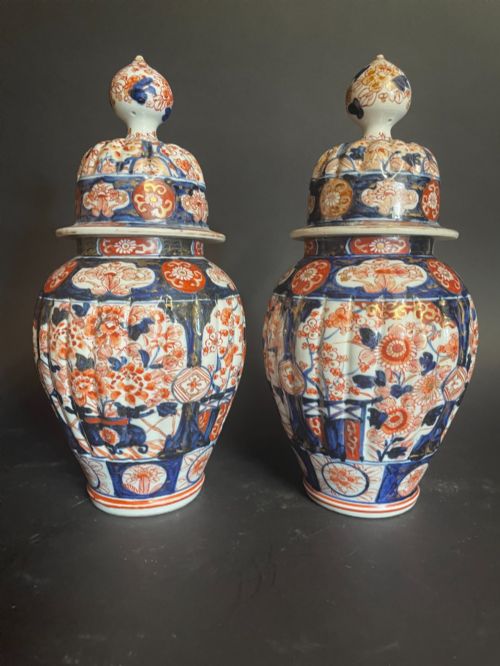
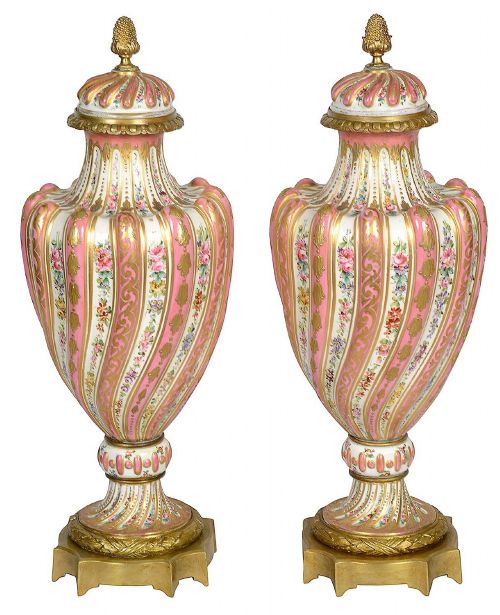
The aesthetic vocabulary encompasses French Rococo Revival, Neoclassical, and Victorian styles, alongside Imari and Satsuma decorations. Many examples originate from factories such as Royal Worcester, Vienna, and Sevres.
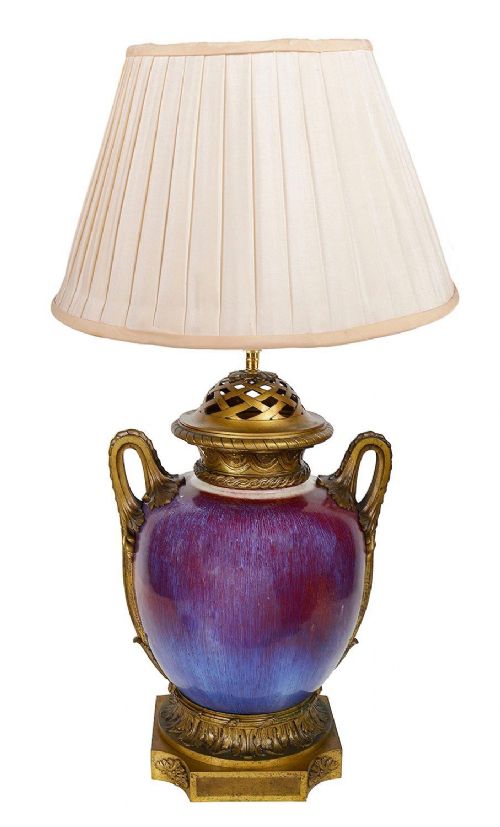
Vessels range from domestic mantelpiece ornaments to monumental exhibition pieces mounted with ormolu or gilt bronze. Formats include pairs as well as individual centrepieces.
How they were made
Makers shaped porcelain bodies on the wheel or in moulds before applying glazes, enamels, and hand-painted details. Gilding was subsequently added using gold leaf, gold paint, or metal leaf.
Mounts in ormolu, gilt metal, or gilt bronze were secured to bodies using pins, screws, or adhesives to complete decorative urns. Lidded elements were turned to fit vessel necks precisely.
Listings feature porcelain from English, French, German, Austrian, and Japanese kilns spanning multiple centuries of decorative production.
What varies in quality
Painting execution separates standard output from superior pieces, with hand-painted fruit, floral panels, and exotic birds indicating higher workshop standards. Gilt application ranges from thin wash to heavy burnished gold leaf.
Mounting hardware contributes to overall calibre, where cast ormolu mounts with chased detail elevate the ceramic body. Factory marks and painter signatures indicate prestige and attribution.
Royal Worcester·Chamberlain Worcester·Coalport·Spode·Masons Ironstone·Royal Vienna·Royal Crown Derby·Wolfsohn Dresden·Samson of Paris
The Gilt Porcelain Lidded Vases Glossary
- Ormolu
- Gilded bronze used for decorative mounts on furniture and ceramics. It provides a metallic accent to porcelain bodies.
- Baluster
- A vase shape with a rounded lower body tapering to a narrower neck. This profile appears frequently among large lidded vessels.
- Potpourri
- A mixture of dried plant material placed inside pierced lidded jars to scent rooms. These vessels feature perforated covers.
- Imari
- A style of Japanese export porcelain featuring blue, iron-red, and gilt decoration. European factories frequently copied these palettes.
- Gilding
- The application of a thin layer of gold to surfaces. Techniques include fire gilding and gold leaf adhesion.
Gilt Porcelain Lidded Vases: Frequently Asked Questions
How do I clean gilt porcelain?
Dust surfaces gently using a soft, dry brush to protect delicate overglaze enamels and gilding. Avoid liquid cleaners entirely, as moisture can lift gold leaf and damage painted details.
Keep pieces away from direct sunlight and humidity fluctuations to preserve the stability of both the ceramic body and metallic mounts.
Were these vases used for flowers?
Many lidded vessels served primarily as decorative garnitures, mantelpiece ornaments, or specialised containers for potpourri rather than water-holding flower vases. Pierced lids on potpourri pots were designed to release fragrance rather than support stems.
Using unglazed interiors or antique potting bodies for water can sometimes cause staining, so liners are recommended if floral arrangements are attempted.
What does ormolu mounting mean?
Ormolu refers to cast bronze components treated with a gold amalgam or gilt finish, fitted around the base, handles, or rim of a porcelain vase. These mounts were added to enhance the grandeur of exhibition pieces.
French workshops utilised these metal additions extensively during the nineteenth century to elevate standard ceramic forms into decorative art objects.
How can I tell a factory mark?
Factories stamped, painted, or incised symbols, ciphers, and shield marks into the base of the porcelain before final firing. These marks identify the producing pottery or studio and occasionally denote specific decorators.
Reference guides help match these ciphers to production decades, though imitation marks also exist on later revival pieces.