
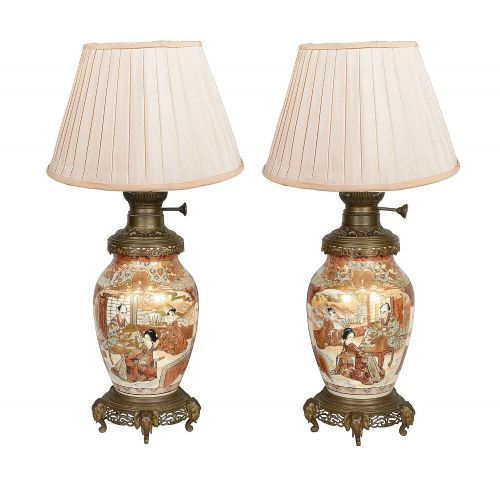
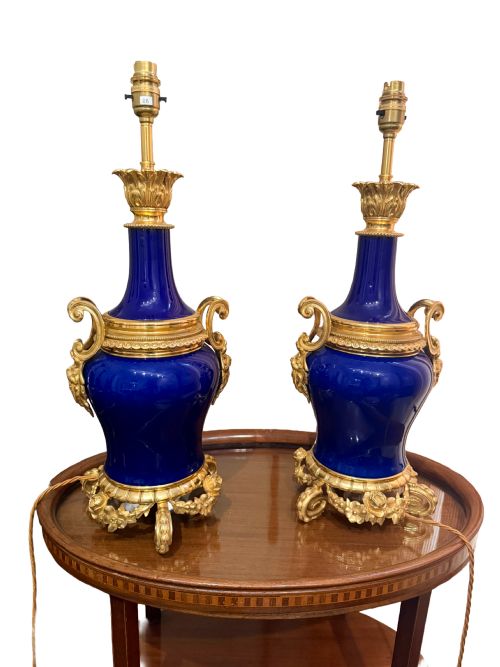
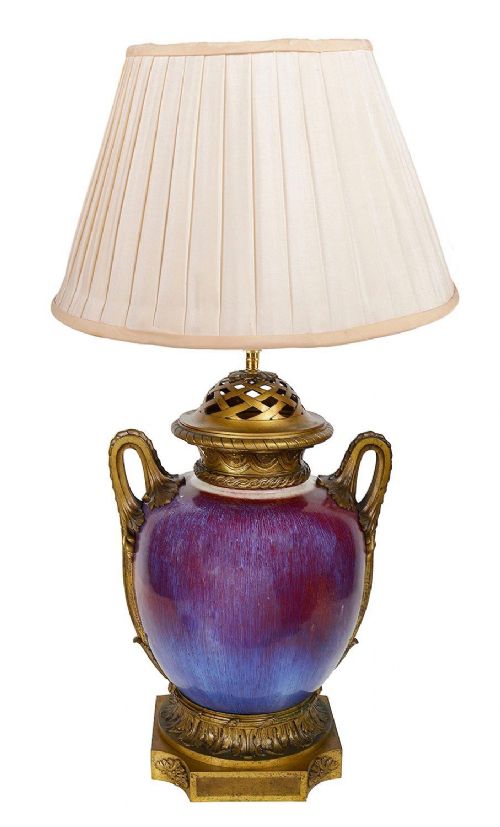


Gilt Porcelain Lamp
A gilt porcelain lamp brings together the lustre of ceramic and the warmth of gilded metal to light a room with historical character.
Gilt Porcelain Lamp
When you search for a gilt porcelain lamp, you encounter pieces formed from ceramic vessels, vases, and oil lights adapted for domestic illumination. These objects span from the eighteenth century through the early twentieth century, originating from European manufactories and Asian export traditions alike.
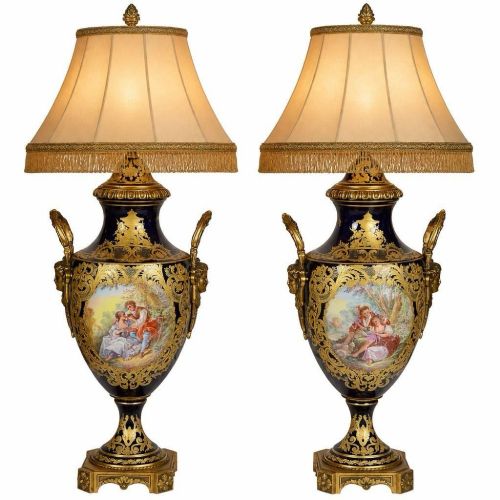
The most frequent examples on this page are nineteenth-century French and Chinese vases mounted with gilt bronze or ormolu. Table lamps predominate, alongside occasional oil lamps and chandeliers that share the same material vocabulary.
Materials and construction
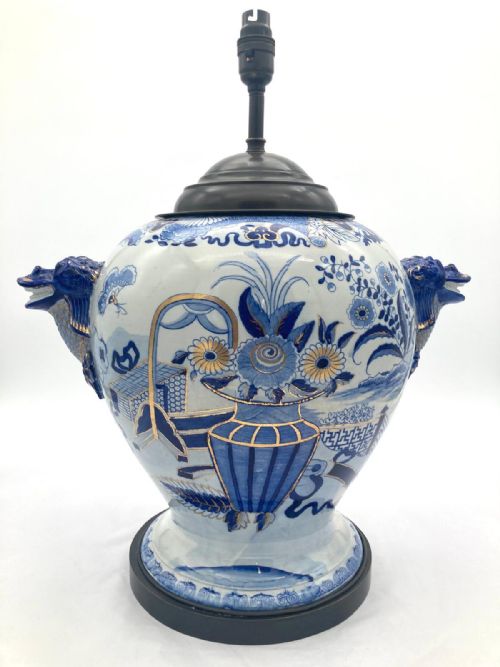
The foundation of each piece is fired ceramic, whether hard-paste porcelain, ironstone, or earthenware, often decorated with hand-painted or glazed surfaces. Potters shaped these bodies into vases and jars before metalworkers added mounts.
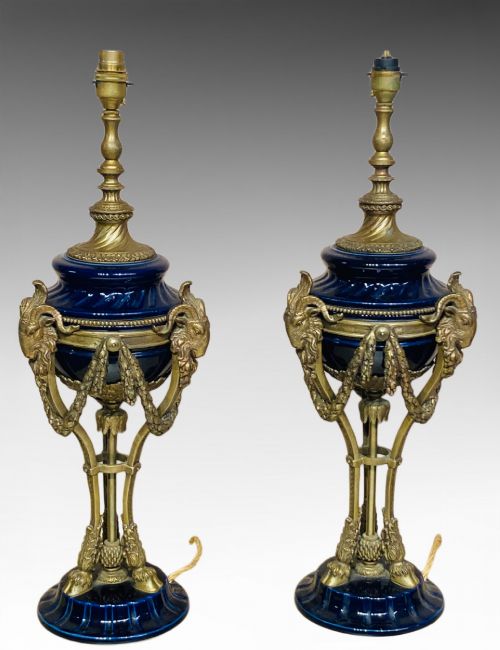
Gilt bronze, ormolu, and gilt brass form the structural mounts, handles, and bases that secure the ceramic body. Fabric elements such as silk and handmade shades complete the assembly.
Listings feature porcelain, gilt bronze, ormolu, and brass across nineteenth-century and earlier periods.
Distinctions in quality
The standard of the metalwork largely determines the distinction across these pieces, particularly the crispness of the chasing on ormolu mounts and gilt bronze. Heavier, finely detailed mounts demonstrate superior craftsmanship compared to thin stamped metal.
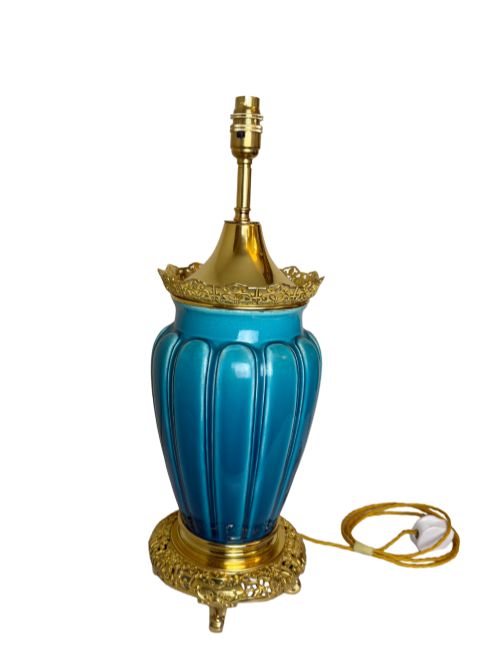
The quality of the porcelain body and the precision of the hand-painted decoration also separate standard items from finer examples. Potteries with established traditions in cobalt blue, famille rose, or turquoise glazes command attention through their depth of colour and finish.
Hicks and Meigh·Samson
The Gilt Porcelain Lamp Glossary
- Ormolu
- Gilded bronze, usually mercury-gilded, used for decorative mounts on furniture and ceramics. It provides a rich, warm golden surface that does not tarnish easily.
- Chinoiserie
- European artistic style reflecting Chinese motifs and techniques, popular in decorative arts. It often appears on porcelain vases and lamps from the eighteenth and nineteenth centuries.
- Satsuma
- Japanese earthenware featuring a crackle glaze and detailed polychrome enamels with gilt highlights. These pieces were frequently converted into table lamps.
- Rose Medallion
- Chinese porcelain pattern characterised by panels of figures, birds, and flowers in pink and green enamels. It is a common finish on nineteenth-century lamp conversions.
- Pâte-sur-pâte
- Ceramic decorating technique where wet white porcelain slip is built up in layers on a coloured clay body to create a low relief cameo effect.
Gilt Porcelain Lamp: Frequently Asked Questions
How do I choose the right lampshade?
Select a shade that complements the proportion of the ceramic body and the period of the mountings. Silk or fabric shades with traditional linings work well with nineteenth-century designs.
Ensure the fitting matches the scale of the vase without overpowering the hand-painted details or the gilt bronze mounts.
Were these originally made as lamps?
Many items started life as vases, jars, or oil lamps before conversion into electrical table lamps later in their history. Manufacturers also produced dedicated lamp bases during the Victorian and Edwardian periods.
Conversion methods vary, with older adaptations preserving the original ceramic body carefully.
How should I clean the gilt mounts?
Dust the ormolu and gilt bronze gently with a soft, dry brush to prevent the accumulation of dirt in the crevices. Avoid chemical polishes that can strip the historic gilding.
Keep moisture away from both the metal mounts and the painted porcelain surfaces during routine maintenance.
How can I date a porcelain lamp?
Examine the style of the ceramic body, the manufacturing marks on the base, and the method of metal mounting. Eighteenth-century pieces typically show different potting techniques compared to Victorian or Edwardian adaptations.
The wiring and interior fittings often reveal later electrical conversions separate from the age of the base.