



Gilt Porcelain Display Urn
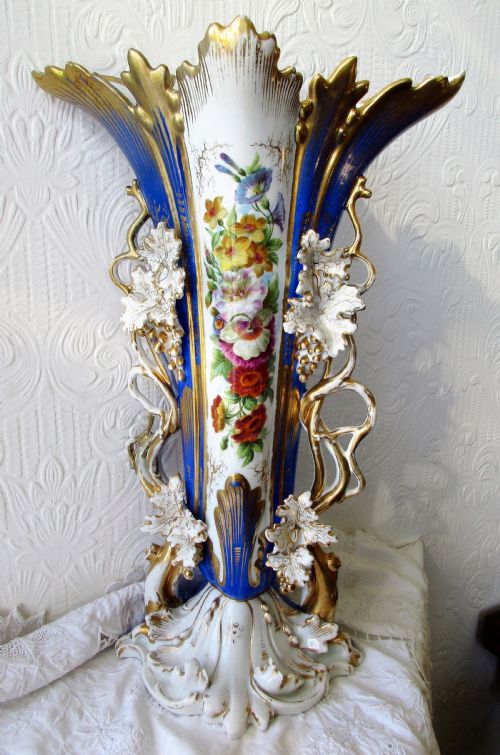
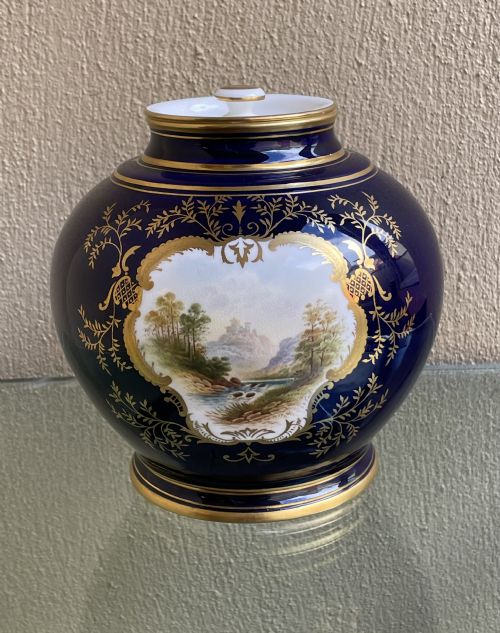
A gilt porcelain display urn brings opulent metallic highlights and ceramic craftsmanship into a room.
Gilt Porcelain Display Urn
When searching for a gilt porcelain display urn, buyers encounter decorative vessels and vases originating from nineteenth century European factories and Japanese kilns. These ornamental pieces frequently combine glazed ceramic bodies with elaborate gilding, enamel work, and ormolu mounts designed purely for visual impact.
The most common versions met on this page span the Victorian and Edwardian eras alongside Meiji period Japanese imports. Forms range from monumental lidded cachepots and amphora shapes down to miniature cabinet pieces, often painted with floral motifs, landscapes, or figural processions.
Materials and production methods
Potters shaped high-fired porcelain and earthenware bodies on the wheel or in moulds before applying opaque glazes, cobalt grounds, and hand-painted enamel details. Artisans then added gold leaf, liquid gold gilt, and ormolu fittings to accentuate handles, rims, and shoulders.
Many Japanese Satsuma pieces utilised raised moriage enamel work to build tactile surfaces, whilst European manufacturers such as Royal Worcester and Coalport relied on intricate brushwork and metallic gilding over white ceramic.
Listings feature nineteenth century pieces spanning Victorian, Edwardian, and Meiji periods in porcelain, earthenware, and gold gilt.
Distinctions in quality
The distinction between standard production wares and exceptional pieces rests upon the precision of the hand-painting and the weight of the gilding. Master decorators working for established potteries achieved finer lines in figural scenes and more complex floral compositions.
Substantial decorative impact also depends on the preservation of the gold leaf and enamel against rubbing, as well as the crispness of moulded details on handles, lids, and bases.
Royal Worcester·Coalport·Kinkozan·Hododa·Vienna
The Gilt Porcelain Display Urn Glossary
- Gilt
- A thin application of gold leaf or gold paint applied to the surface of porcelain or metal. This technique highlights rims, handles, and painted borders.
- Satsuma
- A type of Japanese earthenware featuring a crackle glaze decorated with polychrome enamels and rich gilding. These wares were widely exported during the Meiji period.
- Ormolu
- Cast bronze mounted with a high-karat gold wash used as decorative feet, handles, or collars on ceramic urns. It provides structural contrast to the porcelain body.
- Moriage
- A decorative technique where slip is piped onto Japanese ceramics to create raised patterns and textured details before firing and painting. It adds a tactile dimension to the design.
- Imari
- A traditional Japanese export porcelain style characterised by underglaze blue, iron red, and abundant gold detailing. European factories frequently copied these distinct palettes.
Gilt Porcelain Display Urn: Frequently Asked Questions
Where were these urns displayed?
These decorative urns and vases were primarily designed to sit on mantelpieces, pedestals, or console tables in nineteenth century drawing rooms.
Their rich gilding and painted scenes were intended to catch candlelight and daylight, serving as conversation pieces for visiting guests.
How do I clean a gilt urn?
Dust these decorative ceramics gently using a soft, dry brush to avoid abrading the delicate gold leaf and enamel decoration.
Water and chemical cleaning agents must be avoided, as moisture can lift fragile nineteenth century gilding and painted details from the porcelain surface.
Are lids original to the vases?
Many lidded urns retain their matching covers, which share the same glaze tone, period style, and decorative motifs as the body below.
When examining a lidded vessel, check that the fit rests naturally on the shoulder or collar without rocking or showing mismatched wear.
How do I tell Japanese from European pieces?
Japanese pieces from this selection typically feature distinctive crackle glazes, Satsuma earthenware bodies, or Imari palettes depicting court figures and mon emblems.
European porcelain items from Vienna, Coalport, or Royal Worcester generally display classical transfer-printed or hand-painted botanical and pastoral scenes with heavy burnished gilding.