


Gilt Porcelain Dessert Plates
Gilt porcelain dessert plates bring rich gilding and painted botanical or topographical scenes directly to the table from eighteenth- and nineteenth-century ceramic houses.
Gilt Porcelain Dessert Plates
Gilt porcelain dessert plates encompass service pieces and cabinet items originating from periods spanning the eighteenth century through to the early twentieth century. When exploring this selection, a buyer encounters forms ranging from single decorative dishes to extensive dessert services produced by prominent English and continental potteries.
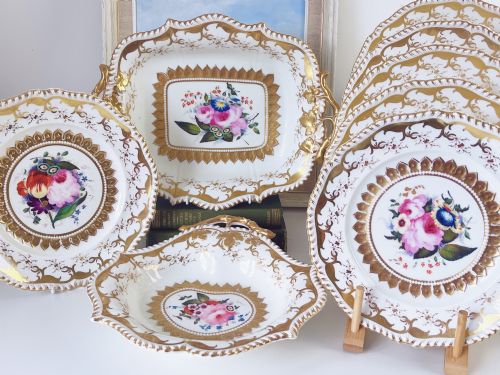
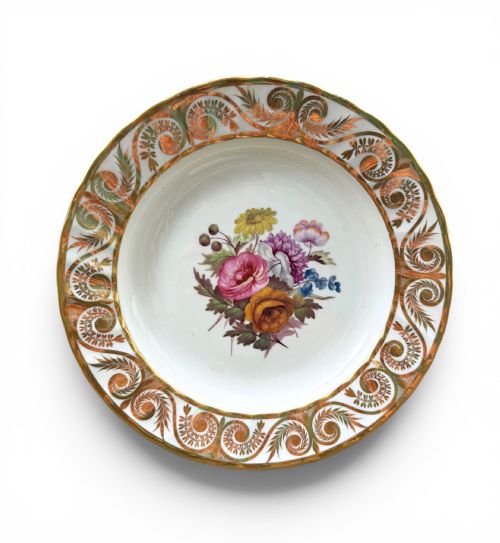
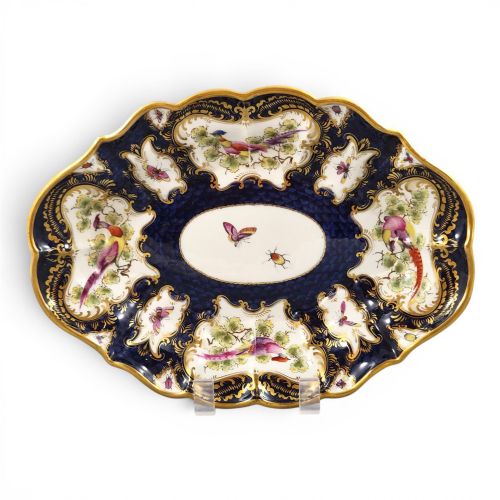
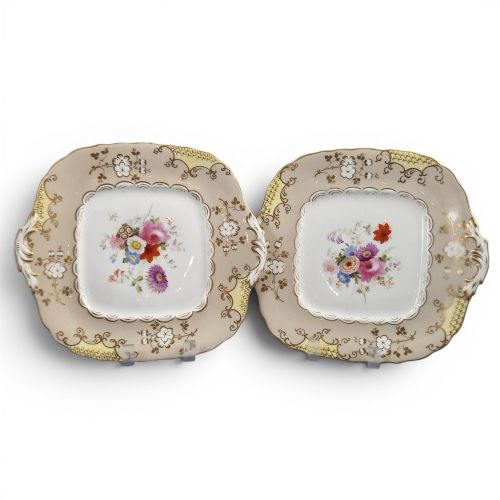
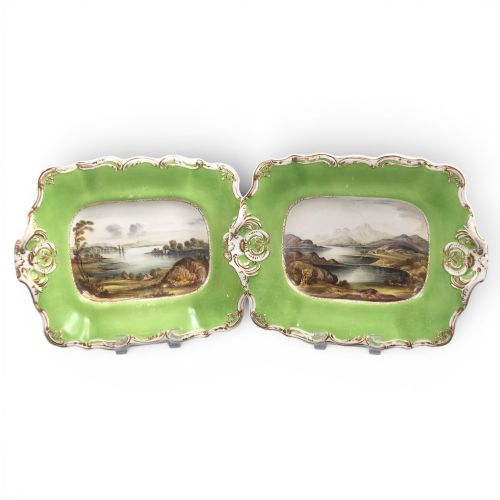
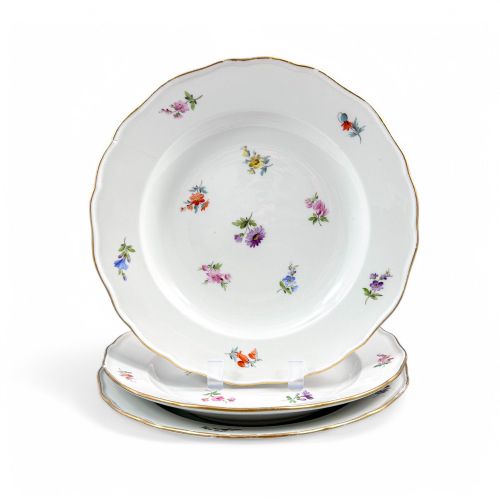
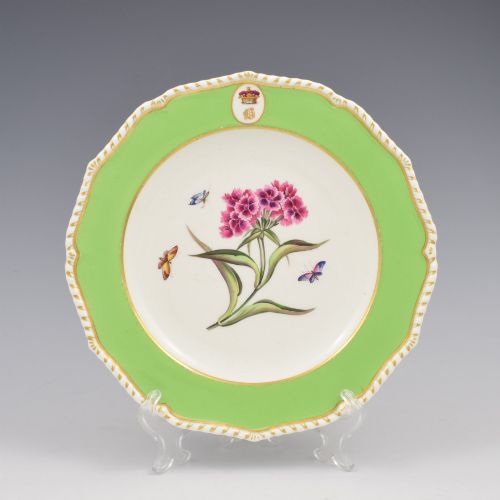
The objects take the shape of plates, shaped dishes, and side plates designed specifically for the final course of a formal meal. Many carry hand-painted motifs including botanical studies, Scottish and English views, heraldic armorials, and Japanese-inspired motifs.
Examples frequently date from the Regency, Victorian, and Georgian eras, reflecting shifts in dining fashions and ceramic body compositions. The most prevalent versions stem from nineteenth-century English manufactories utilising bone china and hard or soft paste porcelain.
How they were made
The manufacture relies on porcelain bodies, including soft paste and bone china, shaped and fired before receiving hand-painted enamel decoration and applied gold leaf or liquid gilding. Artisans applied pigments by hand for botanical studies, topographical landscapes, and armorial crests.
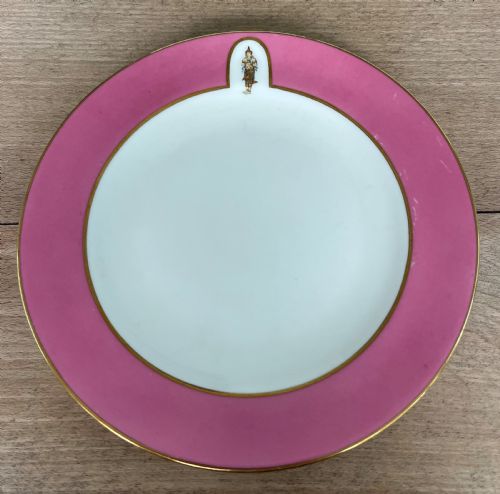
Gilding techniques involved brushing gold preparations onto the porcelain surface, which were then fired in a kiln and hand-burnished to achieve a bright finish. Raised enamel work and pearl jewelling added textural relief to borders and central reserves.
The listings span multiple centuries, capturing Regency, Victorian, and Edwardian aesthetic shifts across bone china, porcelain, and soft paste ceramics.
What varies in quality
Quality separates ordinary production wares from bespoke service plates through the precision of the hand-painted artistry and the execution of the gilding. Hand-painted botanical studies or signed landscape views by known decorators command greater attention than standard transfer-printed or simply bordered designs.
The weight, translucency of the porcelain body, and complexity of the enamel palette dictate the tier of the piece. The crispness of the gilt tooling and the survival of burnished gold highlights against the porcelain ground reveal the original skill of the workshop.
Grainger Lee And Co·Derby Porcelain·Minton Porcelain·Royal Worcester·Coalport·Copeland And Garrett·Cauldon Ltd·Meissen Porcelain·Bloor Derby·Rockingham Pottery·Chantilly·Flight Barr And Barr·Chelsea Derby·James Giles·Chamberlain Worcester·Sevres·Crescent China·Wedgwood·Royal Crown Derby
The Gilt Porcelain Dessert Plates Glossary
- Armorial
- A plate or dish decorated with a coat of arms or crest belonging to a specific family or peerage. These bespoke commissions often formed part of larger aristocratic services.
- Bone china
- A type of soft paste porcelain containing bone ash, developed in England to create a durable, highly translucent white ceramic body. It forms the foundation of many nineteenth-century dessert services.
- Gilding
- The application of gold leaf or powdered gold to the ceramic surface to accent borders, rims, and motifs. Burnishing after firing brings out the metallic lustre.
- Soft paste
- An early ceramic composition fired at lower temperatures than hard paste porcelain, resulting in a warmer, softer glaze appearance. Eighteenth-century French and English factories utilised this body extensively.
- Streublumen
- A scattered floral decoration pattern featuring small, individual painted sprigs across the white porcelain ground. This German style gained popularity across European factories in the eighteenth and nineteenth centuries.
Gilt Porcelain Dessert Plates: Frequently Asked Questions
How do I use antique dessert plates?
These plates suit display in cabinets or decorative placement on sideboards rather than heavy daily dining. Their delicate enamels and gold leaf require careful handling during occasional dessert courses.
Hand washing in lukewarm water with mild soap preserves the delicate gilding and painted surfaces. Avoid dishwashers and harsh abrasives entirely.
What is the difference between cabinet plates and service plates?
Service plates formed part of a larger dining suite intended for table use during the dessert course. Cabinet plates were primarily created for visual display in drawing rooms.
Plates designed for display often feature more elaborate hand-painted scenes and heavier gilding that might be vulnerable to active dining use.
How can I date a gilt porcelain plate?
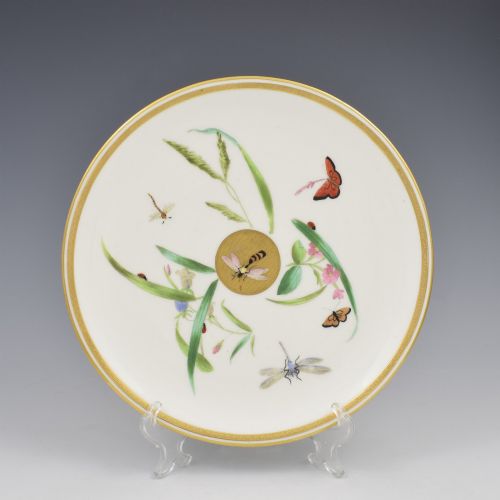
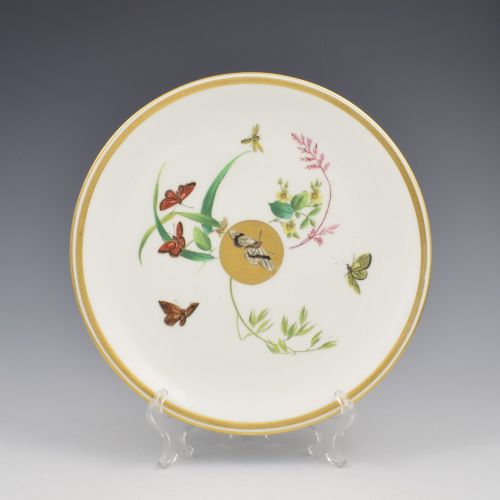
Dating relies on factory backstamps, pattern numbers, and stylistic markers such as Regency botanical painting or Aesthetic movement motifs. Potteries frequently altered their impressed or printed marks by decade.
Examining the ceramic body, glaze characteristics, and the style of the gilt borders helps narrow the period of manufacture alongside any known decorator attributions.
What does armorial mean on a dessert plate?
Armorial pieces feature a painted family crest, coat of arms, or peerage badge commissioned for noble households. These bespoke items mark high-status dining services.
Identifying the heraldry connects the plate to specific historical families and confirms the custom nature of the original commission.
Are these plates dishwasher safe?
Antique porcelain and gold gilding are not compatible with modern dishwashers. The heat, harsh detergents, and water pressure strip away enamel paints and burnished gold.
Hand washing gently in mild soapy water is the only safe method to maintain the condition of the ceramic and its surface decoration.