


Botanical Dessert Plates
Botanical dessert plates bring painted flowers and armorial motifs to the table, offering a glimpse into Regency and Victorian dining.
Botanical Dessert Plates
Botanical dessert plates are specialised porcelain and earthenware dishes designed for the final course of a formal meal. When you search for botanical dessert plates, you encounter pieces spanning the Georgian, Regency, and Victorian periods.
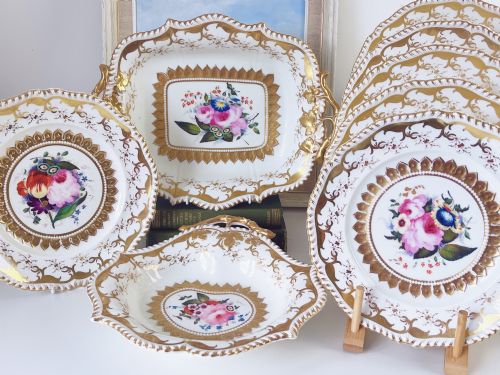
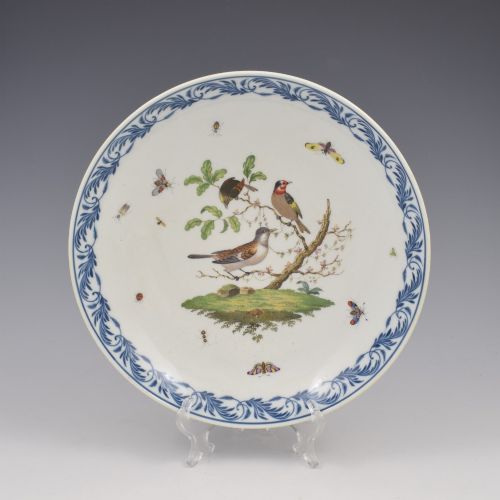
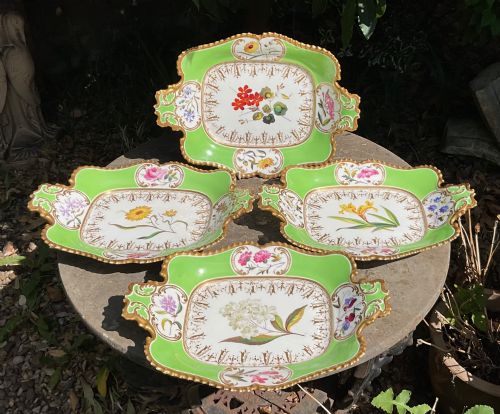
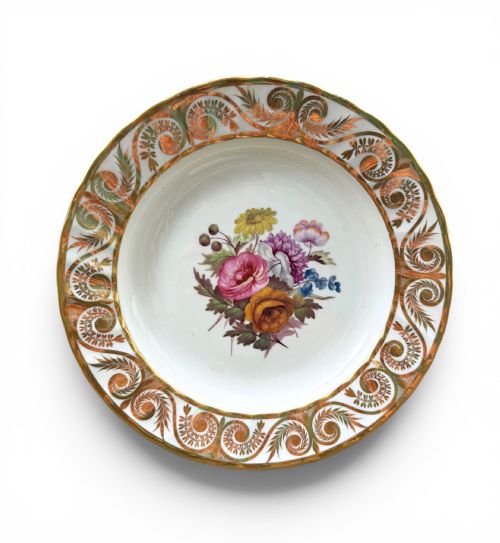
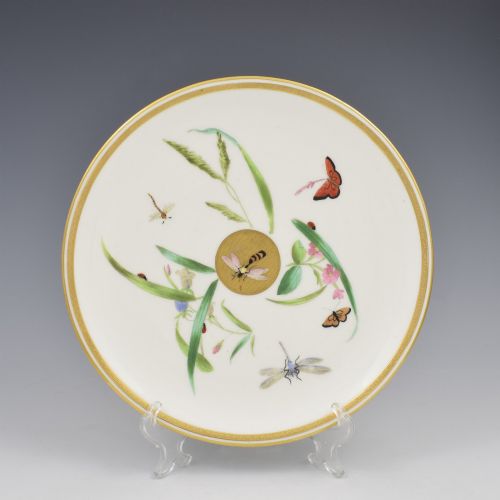
The selections on this page include individual cabinet plates, serving dishes, and part dessert services decorated with handpainted flowers. Examples range from early nineteenth-century English porcelain to continental porcelain dishes.
How they were made
Potters shaped hard-paste porcelain and bone china before applying enamel colours by hand. Glaze seals the surface, providing a smooth base for botanical painting.
Gilding and gold leaf add decorative borders to many pieces, requiring careful kiln firing to bond the metallic details to the ceramic body.
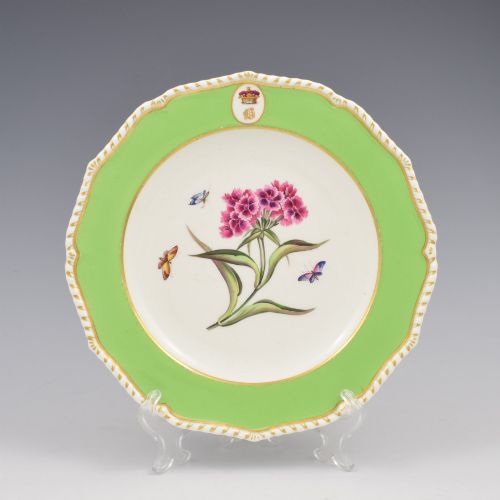
Sweet William and roses appear painted on the porcelain, bringing nineteenth-century gardens straight to the dining table.
What varies in quality
The precision of the handpainted botanical illustration distinguishes standard production from finer work. Skilled painters rendered floral details with botanical accuracy.
The application of gilding and the weight of the porcelain body also mark differences across makers. Armorial crests and named specimens reflect higher workshop standards.
Grainger Lee And Co·Meissen·Chamberlains Worcester·Moses Webster·Minton·Bloor Derby·Spode·Coalport·James Giles·Wedgwood·Rockingham·Royal Crown Derby
The Botanical Dessert Plates Glossary
- Armorial
- Bearing a heraldic coat of arms. These plates often display the crest of the family who commissioned the service.
- Drabware
- A stoneware body with a dull brownish or greyish glaze. Wedgwood produced services in this understated tone during the nineteenth century.
- Hard-paste porcelain
- A dense ceramic material fired at high temperatures. It forms a durable base for detailed enamel painting.
- Gilding
- The application of gold leaf or gold paint to ceramic edges and borders. It provides a reflective contrast to painted floral motifs.
Botanical Dessert Plates: Frequently Asked Questions
What were botanical dessert plates used for?
These plates served fruit, sweetmeats, and confectioneries during the dessert course that followed a formal dinner. Diners used them in matching sets as part of a larger dessert service.
Their decorative floral subjects provided a conversational focal point on the dining table once the heavy savoury dishes had been cleared away.
How do I date an antique dessert plate?
Dating relies on identifying backstamps, ceramic bodies, and stylistic markers such as Regency or Victorian border designs. Painted enamel palettes also shift between the eighteenth and nineteenth centuries.
Reference marks on the underside, such as puce Griffin marks or factory stamps, help narrow the decade of production.
Are these plates safe to use for dining?
Most collectors treat antique porcelain and earthenware as display pieces rather than everyday tableware. Historic glazes and handpainted enamels can wear down with frequent use and modern washing.
Displaying them in cabinets or on plate stands preserves the fragile gilding and delicate ceramic bodies from accidental damage.
What is the difference between porcelain and creamware?
Porcelain is a vitrified ceramic material that is white and hard, often translucent when held to the light. Creamware is a refined earthenware with a warm, cream-coloured glaze developed during the eighteenth century.
Porcelain allowed for finer painted details and gilt borders, while creamware offered a durable and popular alternative for domestic services.