

Gilt Porcelain Decorative Plate
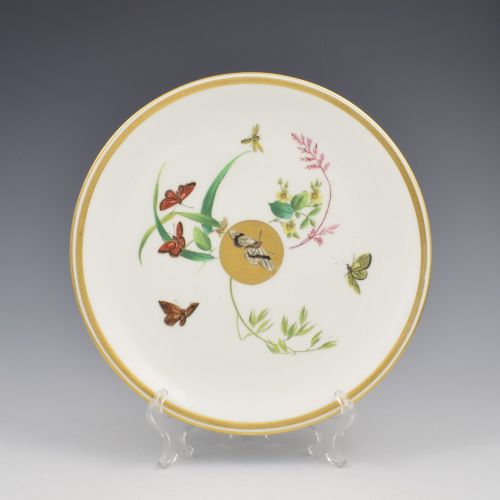
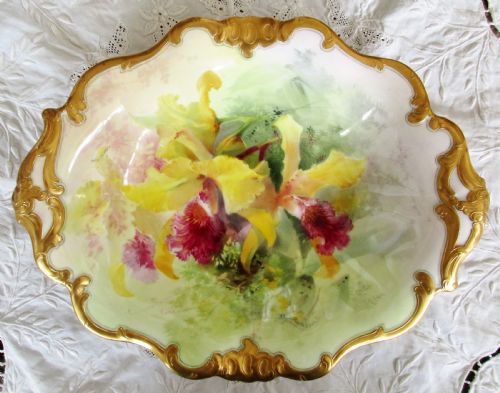
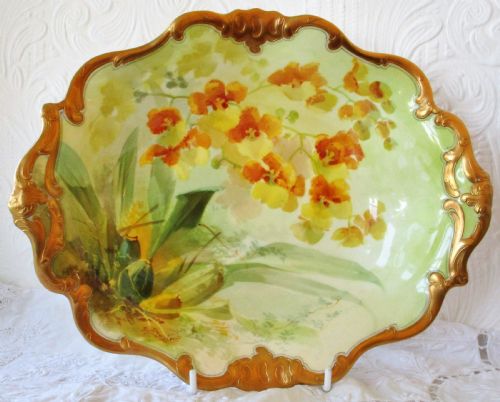
A gilt porcelain decorative plate brings hand-painted colour and metallic leaf together for display in cabinet or on wall.
Gilt Porcelain Decorative Plate
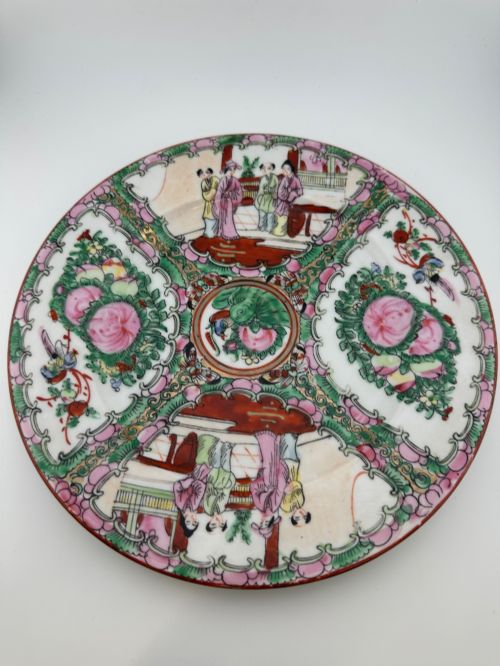
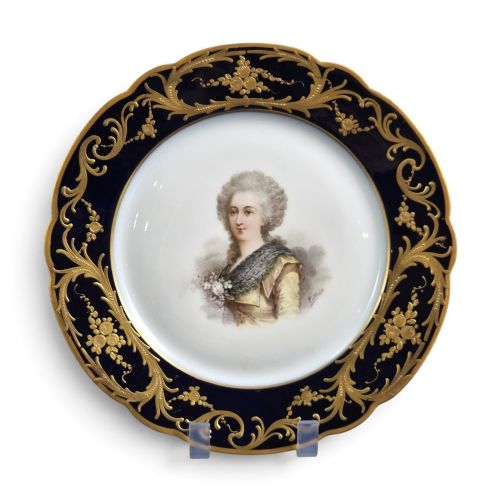
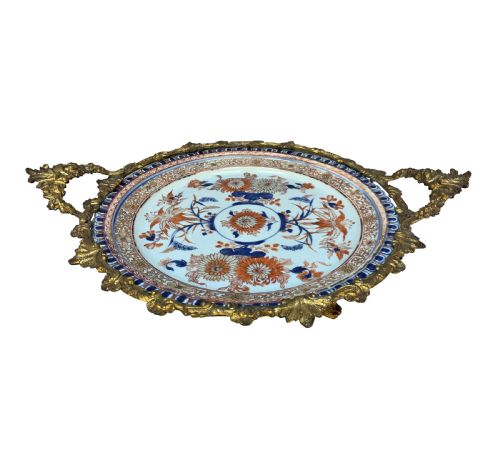
A gilt porcelain decorative plate is typically a cabinet piece, charger or dish created for display rather than dining. The examples found here span the nineteenth century into the twentieth, taking in Victorian and Edwardian British works alongside continental and Japanese items.
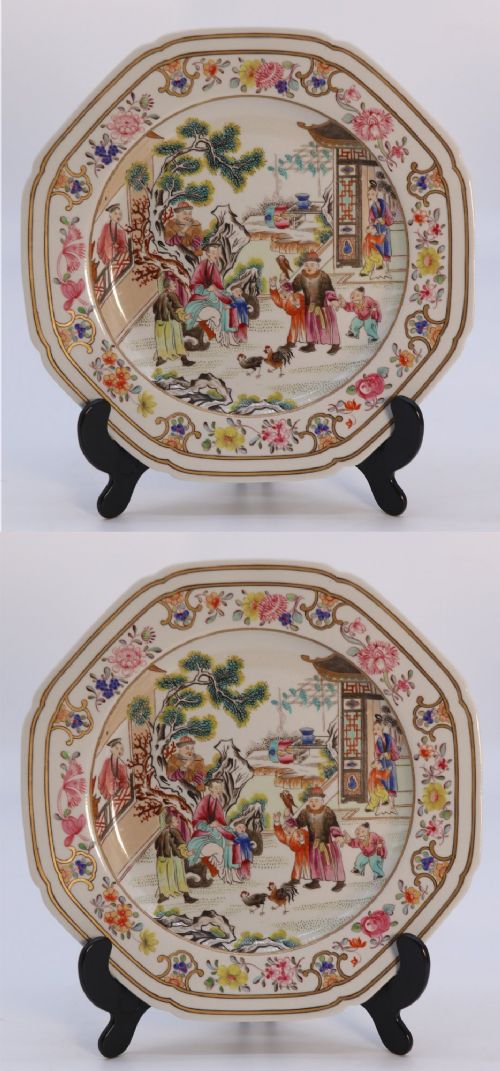
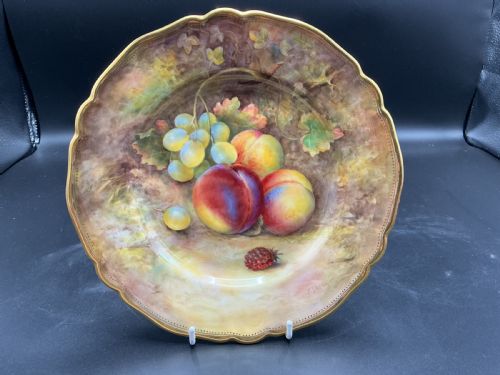
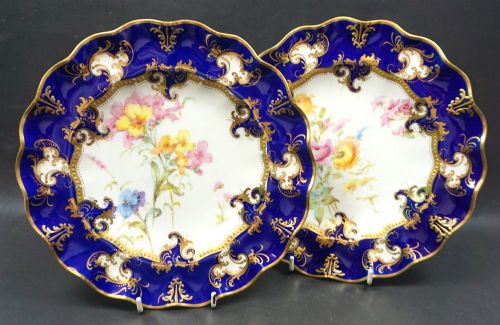
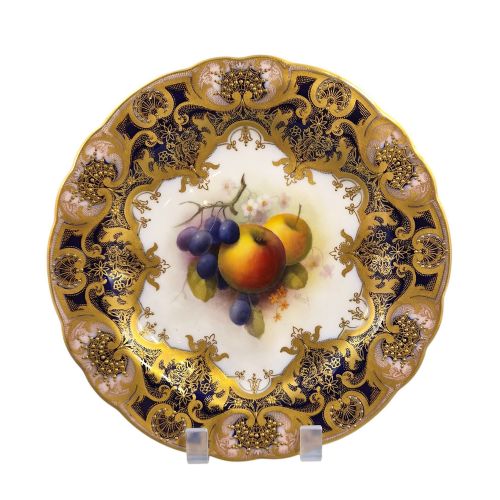
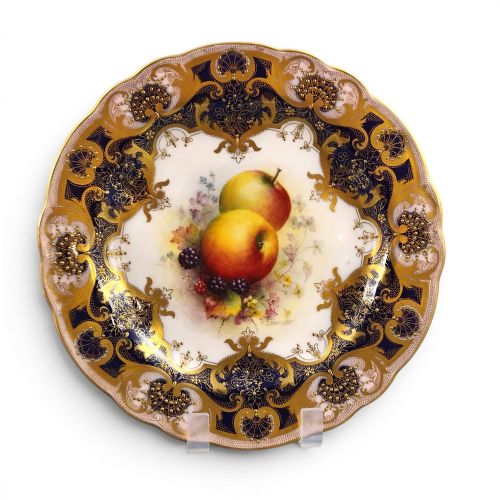
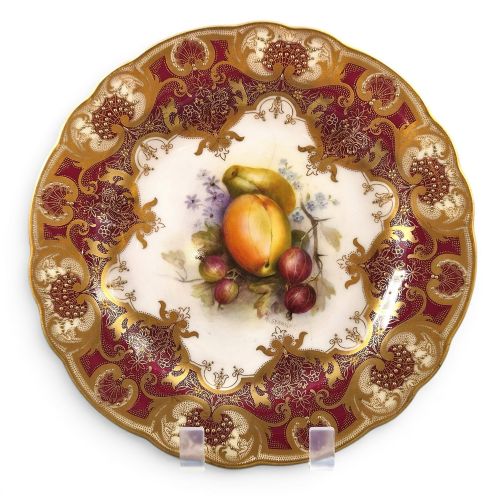
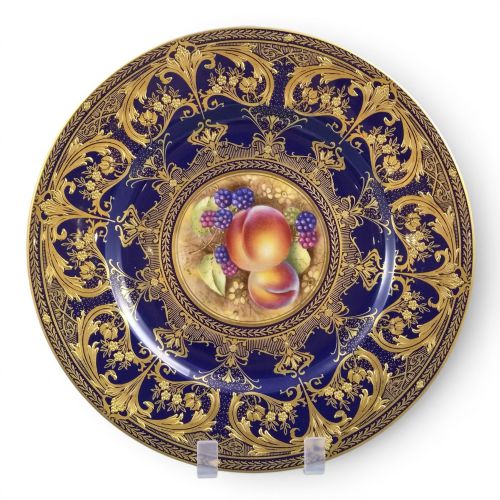
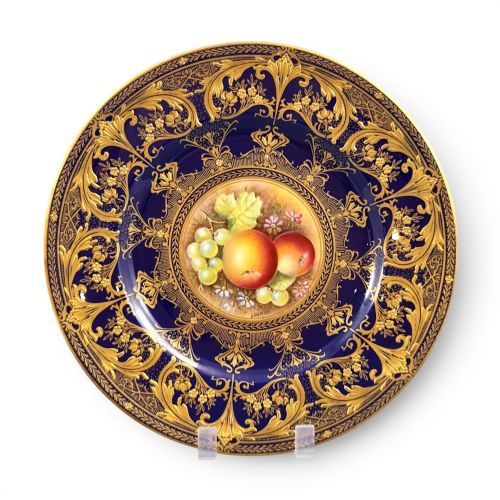
Most pieces display hand-painted elements, ranging from botanical studies and fruit to portraits and scenic views, framed by elaborate gilding. Makers include prominent English potteries like Royal Worcester alongside continental works and Japanese export chargers.
How they were made
The body of each piece consists of hard-paste porcelain, bone china, ironstone or ceramic, shaped and fired before receiving its initial glaze. Hand-painted decoration is then applied using enamels and metallic pigments.
Gold leaf, liquid gilding and heavy tool-gilding provide the metallic finish, often fired multiple times to achieve a raised or burnished effect.
Some Victorian walking sticks conceal porcelain tubes decorated with French gold plating inside their shafts.
What varies in quality
The precision and detail of the hand-painted subject matter largely determine quality, with signed artist work sitting above standard factory output. Botanical panels, topographical scenes and portraiture demand high technical skill in miniature painting.
The application of the gilding also separates standard pieces from the finest works. Hand-tooled and deeply burnished gold leaf requires expert craftsmanship, whereas flat painted bronze paint indicates a lower grade of manufacture.
Royal Worcester·Royal Crown Derby·Royal Doulton·John Davenport of Longport·Darte Brothers
The Gilt Porcelain Decorative Plate Glossary
- Cabinet plate
- A decorative plate intended for display in a glass-fronted cabinet rather than for table use. These items usually feature intricate hand-painted subjects and rich gilding.
- Charger
- A large ornamental dish, substantially wider than a standard dinner plate. They are often hung on walls or displayed on sideboard stands.
- Gilding
- The application of gold leaf or gold powder to the surface of ceramics. This technique creates metallic borders and highlights.
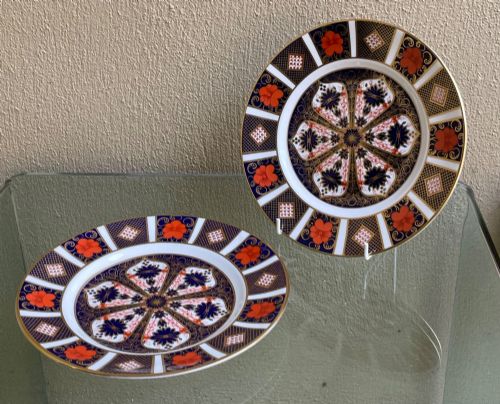
- Imari
- A style of Japanese porcelain featuring a palette of iron red, cobalt blue and gold. European factories frequently copied these patterns.
- Bone china
- A type of soft-paste porcelain incorporating bone ash. It produces a strong, translucent white body ideal for fine painting.
Gilt Porcelain Decorative Plate: Frequently Asked Questions
How were cabinet plates displayed?
Cabinet plates were typically shown inside glass-fronted display furniture or mounted on walls using specialised wire hangers. Their delicate painted surfaces and heavy gilding made them unsuited for practical dining use.
Today, collectors continue to display these items on plate stands or walls, preserving their painted panels and gold borders from heavy handling.
What is an Imari pattern?
The Imari style originates from Japanese export porcelain, characterised by a distinct palette of underglaze blue, iron red and abundant gold highlights. European potteries adopted these decorative schemes during the nineteenth century.
These pieces combine traditional Japanese motifs with Western ceramic shapes, creating a highly decorative appearance that suits cabinet display.
How do I identify a painted fruit plate?
Painted fruit plates feature detailed studies of apples, grapes, peaches or berries against neutral or mossy backgrounds, surrounded by heavy tooled gilding. Many bear the signatures of notable artists on the front or factory marks on the reverse.
Most examples in this tradition originate from English factories active in the late nineteenth and early twentieth centuries.
Are chargers meant for the wall?
Chargers are significantly larger than standard plates, making them ideal for mounting on walls or placing on heavy display stands. Their generous surface area allowed artists to paint complex multi-figure scenes or broad decorative motifs.
These large dishes function primarily as focal points within a room rather than serving pieces.