
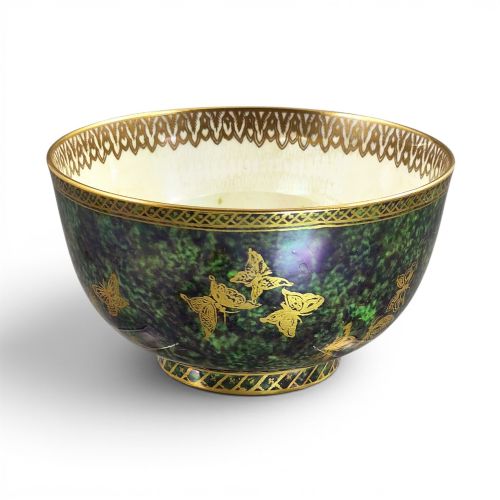
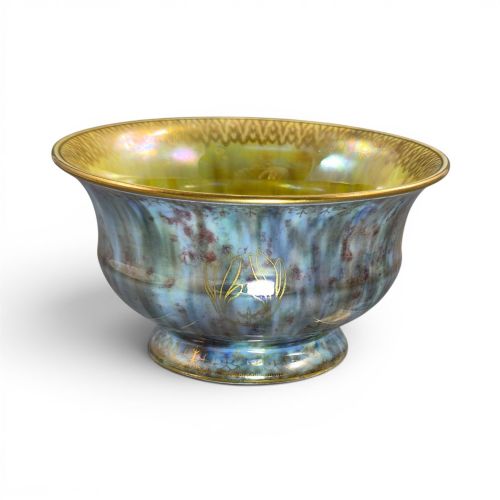


Gilt Porcelain Decorative Bowl
When you search for a gilt porcelain decorative bowl, you find intricate vessels shaped by centuries of kiln craft and embellished with gold leaf.
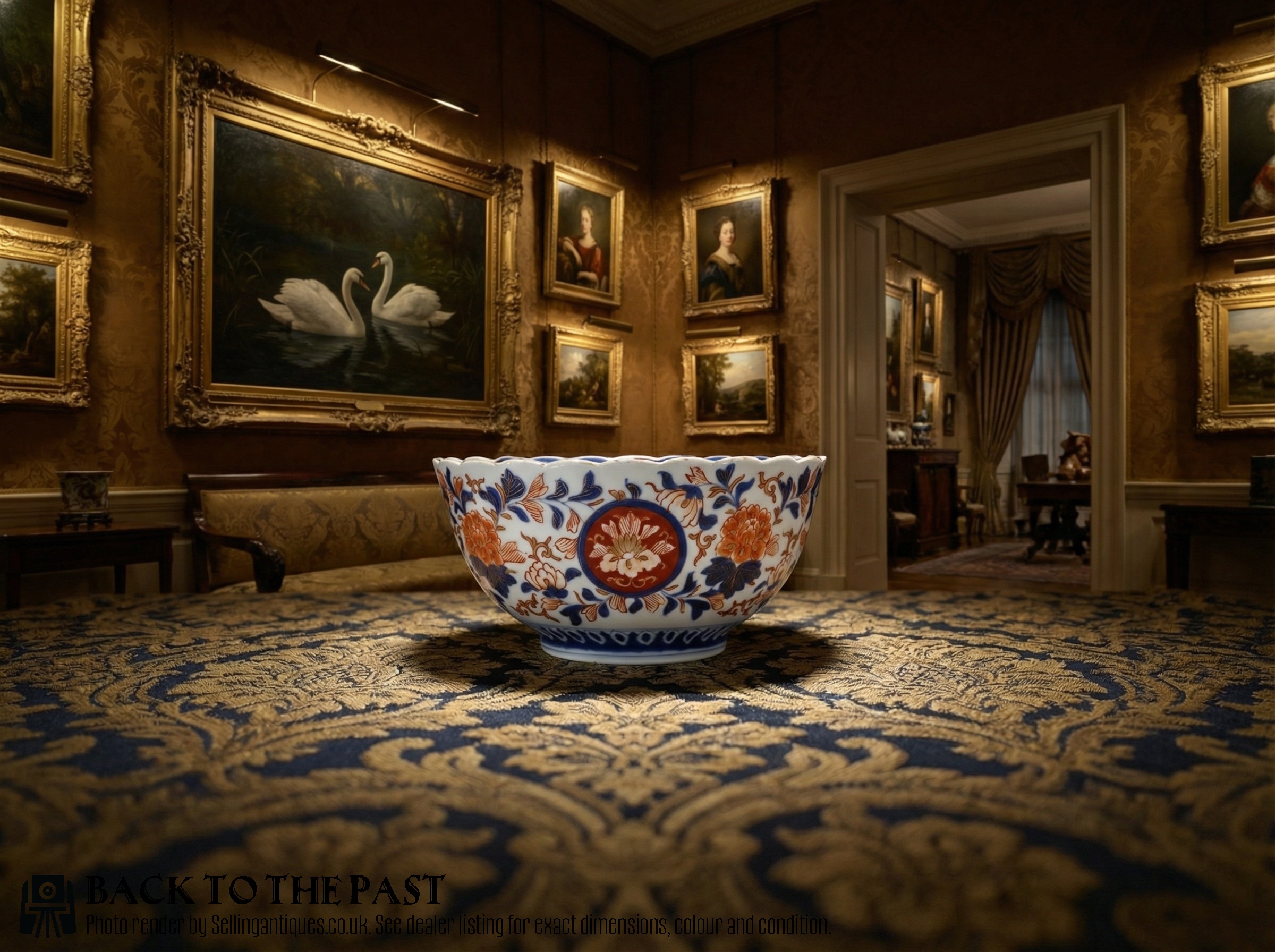
Gilt Porcelain Decorative Bowl
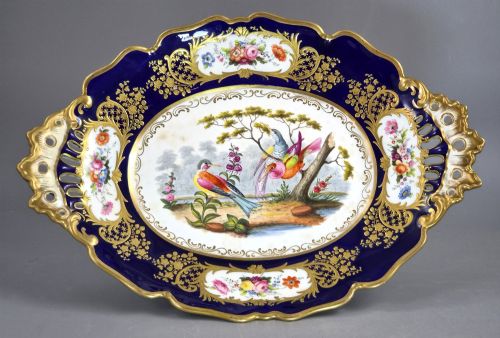
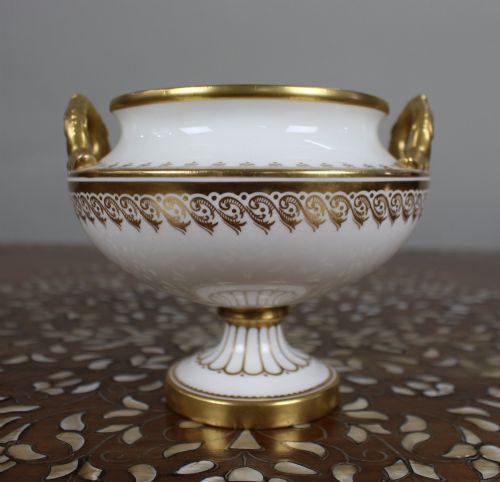
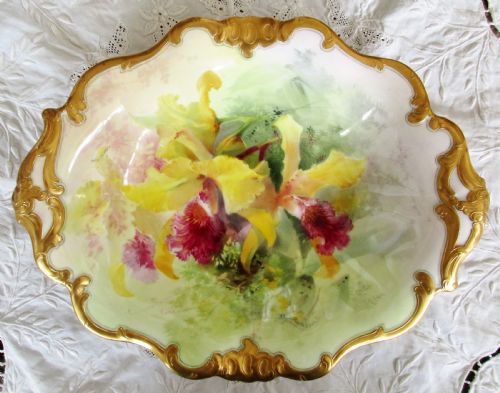
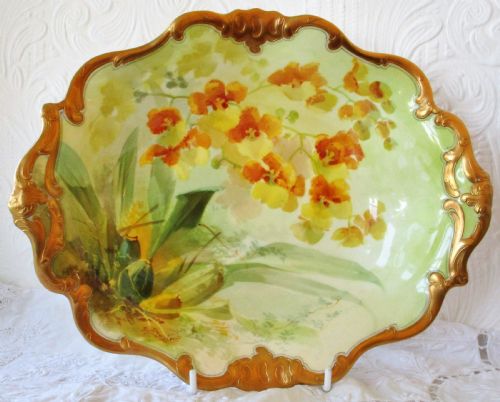
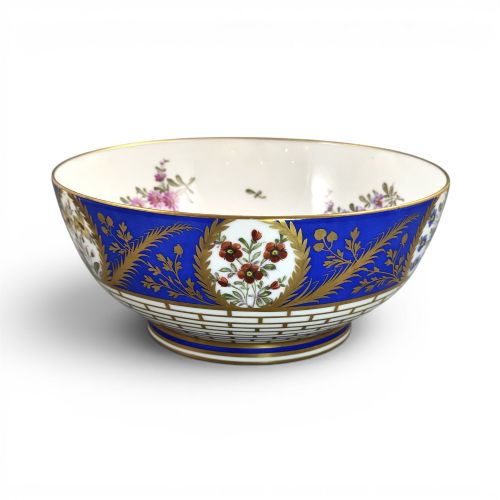
A gilt porcelain decorative bowl brings together fine ceramic moulding and applied gold leaf, serving primarily as a display piece rather than everyday tableware. These vessels appear in forms ranging from traditional round bowls to oval cabinet dishes and large centrepieces.
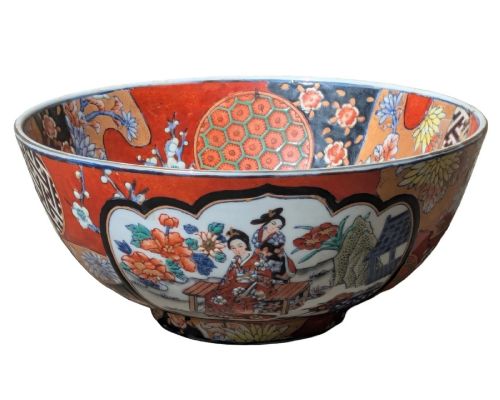
The pieces on this page span the nineteenth century, the Edwardian era, and the early twentieth century, drawing on English, French, Japanese, and Chinese origins. Buyers frequently encounter Japanese Imari wares, English bone china dishes, and vibrant lustre glaze bowls from these periods.
Makers and factories utilised styles such as Art Nouveau, Art Deco, Rococo Revival, and Japanese Meiji designs to decorate the porcelain body. Each form reflects the specific aesthetic priorities of its origin, whether hand-painted floral panels or intricate enamel highlights.
How these pieces were made
Potters shaped the ceramic base using porcelain, bone china, or ironstone before applying glazes, enamels, and mineral pigments. Artisans then brushed or tooled gold leaf and gilding onto the surface to highlight rims, handles, and painted motifs.
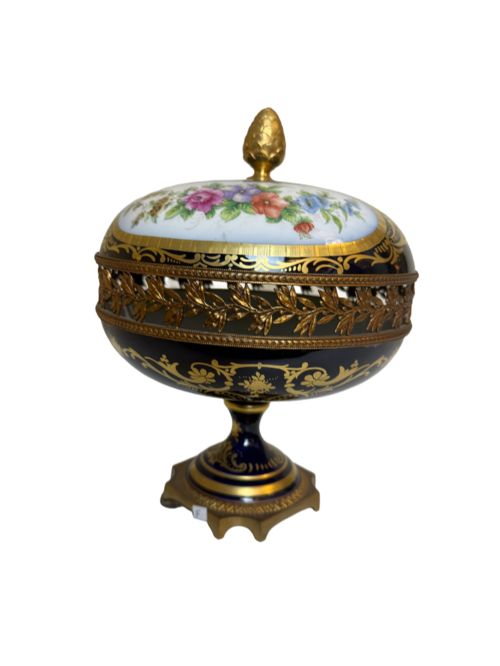
Firing techniques varied by region, with European factories employing complex overglaze painting while Japanese and Chinese kilns mastered cobalt blue underglazes and intricate polychrome enamels. Mounts of champlevé enamel or gilt bronze sometimes secured larger centrepieces and lidded dishes.
Several bowls feature hand-painted hummingbirds and coiling dragons, proving that nineteenth-century artisans loved whimsical creatures just as much as we do.
What varies in quality
Quality rests upon the precision of the hand-painted detail and the thickness and distribution of the gilding across the porcelain body. Finer bowls display crisp brushwork, balanced composition, and securely adhered gold leaf that retains its bright reflection.
The reputation of the pottery or designer heavily influences the standard of execution, from specialised art pottery studios to major commercial manufactories. Superior pieces combine clean ceramic forms with undamaged enamel work and well-preserved lustre glazes.
Coalport·Royal Doulton·Samson·Wedgwood·Spode·Doulton Burslem·Kinkozan·Royal Worcester·Schierholz·Nikko
The Gilt Porcelain Decorative Bowl Glossary
- Gilding
- The application of gold leaf or gold dust to the surface of porcelain. This technique creates metallic highlights that accent painted designs and moulded rims.
- Bone china
- A type of soft-paste porcelain containing bone ash. It produces a strong, translucent ceramic body favoured by many English potteries.
- Lustre glaze
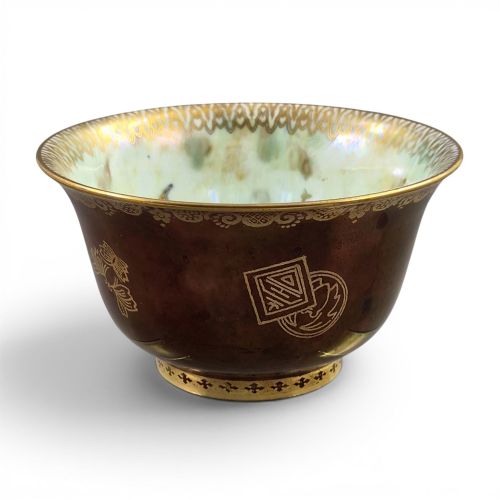
- A type of ceramic glaze containing metallic salts that produce an iridescent sheen upon firing. Wedgwood pieces frequently showcase this colourful optical effect.
- Imari
- A style of Japanese export porcelain characterised by underglaze blue, iron red, and gilt detailing. These wares gained immense popularity across Western drawing rooms.
- Cabinet dish
- A decorative ceramic plate or shallow bowl meant for display in a cabinet or on a stand rather than for dining use.
Gilt Porcelain Decorative Bowl: Frequently Asked Questions
How do I display a gilt porcelain decorative bowl safely?
Place the vessel on a stable surface away from direct sunlight and heavy foot traffic to protect the delicate gold leaf and enamel painting. Using a fitted display stand helps secure larger bowls and cabinet dishes.
Avoid placing these items near heat sources or in damp environments, which can weaken the ceramic body and damage historic gilding over time.
Were these bowls used for food or purely for display?
Most pieces catalogued as cabinet dishes, centrepieces, or decorative bowls were created for visual display in drawing rooms and parlours. Their intricate gilding and hand-painted scenes meant they served as decorative focal points.
While some larger punch bowls and dessert dishes saw occasional dining use, historic wear patterns often indicate they spent much of their existence on tables or in cabinets.
How can I tell the period of a decorated bowl?
Examine the base of the vessel for factory marks, artist signatures, or impressed stamps that correlate with known production dates. Stylistic clues such as Art Nouveau curves or Meiji period motifs also narrow down the era.
Comparing the manufacturing technique, glaze type, and weight of the porcelain helps distinguish nineteenth-century examples from later twentieth-century pieces.