



Gilt Porcelain Compote Bowl
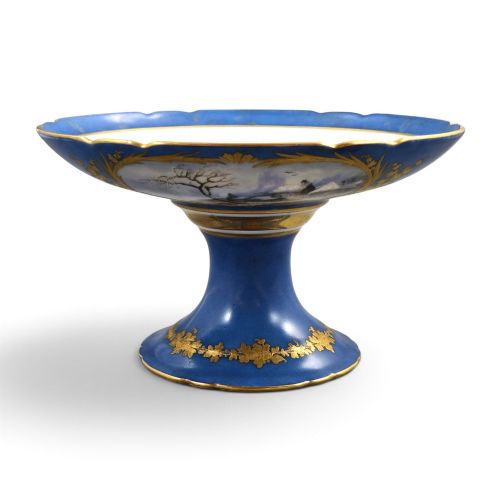
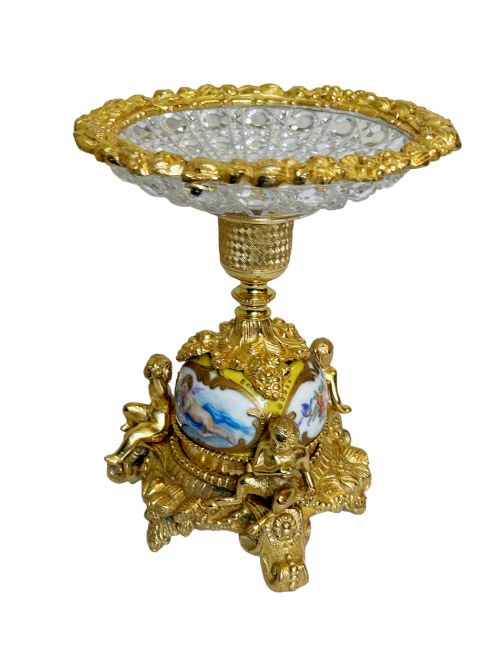
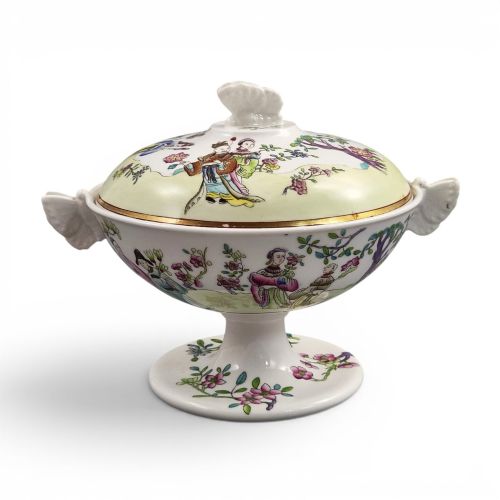
These gilt porcelain compote bowls bring elevated height and brilliant metallic decoration to a table, offering a striking centrepiece for formal rooms.
Gilt Porcelain Compote Bowl
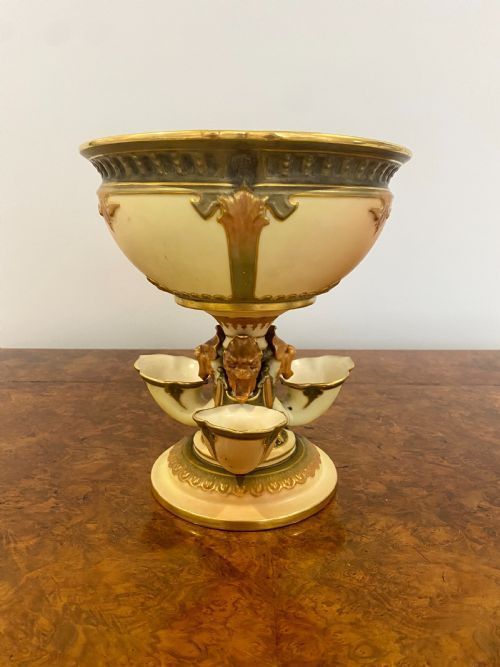
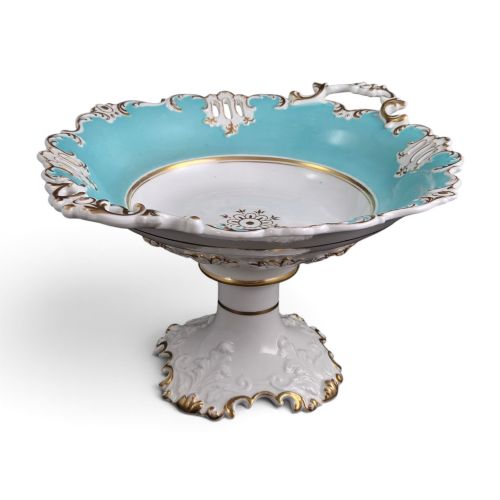
A gilt porcelain compote bowl serves as an elevated serving vessel or decorative centrepiece, combining glazed ceramic bodies with metallic enrichment. When exploring gilt porcelain compote bowl examples, buyers typically encounter pedestal forms, tazzas, and footed dishes designed to sit prominently in the middle of a room.
The pieces appearing on this page span the nineteenth and early twentieth centuries, encompassing Victorian, Edwardian, and Georgian eras. Makers and manufacturers from England, France, and Germany produced these items in styles ranging from Rococo Revival and Neoclassical to Art Deco.
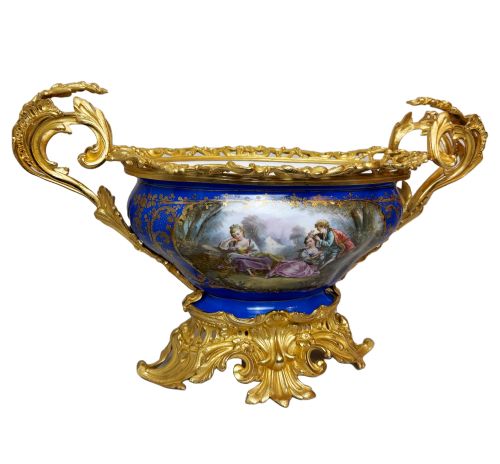
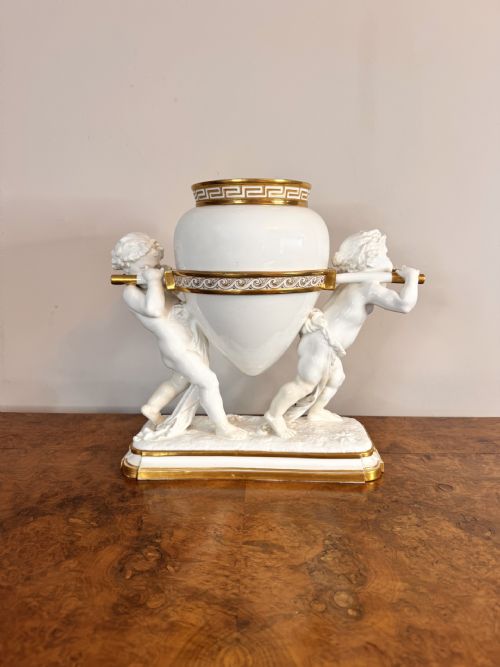
Forms vary from simple footed bowls and basket shapes to elaborate tiered centrepieces featuring applied flowers, putti, and cherubs. Some examples incorporate mounts of ormolu, gilt bronze, or cut crystal alongside the primary ceramic body.
How They Were Made
Makers shaped the central vessels from porcelain, bone china, or felspar porcelain, often applying a smooth white or coloured glaze as a base. Artisans then added hand-painted enamel details, cobalt blue grounds, and intricate transfer prints before firing the pieces in kilns.
The characteristic metallic enrichment involved applying gold leaf, liquid gilding, or fire gilding onto bronze and ormolu mounts. Workshops frequently combined these gilded metal mounts directly with the fired porcelain bowls using secure mechanical pins or adhesives.
Gilt Porcelain Compote Bowl Retail Price Guide 2026
Typical asking prices for gilt porcelain compote bowl among the pieces listed under this phrase on Sellingantiques today, from the lower quarter to the upper quarter. They describe what is for sale here now, not the wider market.
Materials span porcelain, bone china, felspar porcelain, and enamel, combined with gilt bronze, ormolu, and gold leaf.
What Varies In Quality
The fineness of the hand-painted enamels and the precision of the gilding set superior examples apart from standard production. Crisp detailing in modelled elements, such as applied roses and figurative cherubs, indicates a higher level of workshop skill.
The integration of mixed media also dictates distinction, particularly where gilt bronze, ormolu, or cut crystal mounts meet the porcelain body with exact structural harmony. Greater weight, refined potting, and sophisticated glaze colours distinguish the most accomplished output.
Coalport·Sèvres·Spode·Limoges·Schierholz·C.G. Schierholz and Sohn·Wedgwood·Royal Worcester·Samson
The Gilt Porcelain Compote Bowl Glossary
- Compote
- An elevated bowl raised on a stem and foot, traditionally used for serving fruit or sweets at table. It shares many characteristics with a tazza or pedestal bowl.
- Tazza
- A shallow saucer or bowl mounted on a pedestal foot, originating in Renaissance tableware and revived during the nineteenth century. These items often showcase elaborate painted borders and gilt rims.
- Ormolu
- Finely ground high-carat gold applied to a bronze base using a mercury amalgamation technique, popular in French decorative mounts. The term also describes substitute gilt bronze alloys.
- Felspar porcelain
- A dense ceramic body developed in the nineteenth century using felspathic rock to improve durability and whiteness. Manufacturers like Spode utilised this material for robust yet refined tableware.
- Putto
- A plump, naked child motif, frequently depicted as a cherub in Rococo and Victorian decorative sculpture. These figures often support bowls or clamber among applied porcelain flowers.
Gilt Porcelain Compote Bowl: Frequently Asked Questions
What was a compote bowl used for?
These vessels served primarily as formal table centrepieces for presenting fruit, sweetmeats, or nuts during dessert courses. Wealthy households displayed them prominently on dining tables or sideboards to demonstrate taste and hospitality.
Over time, many transitioned into purely decorative objects placed on mantelpieces or console tables. Their elevated height made them effective focal points in nineteenth-century interior schemes.
How do I care for gilt porcelain?
Clean these pieces gently using a soft, dry cloth to remove dust without disturbing delicate surfaces. Avoid abrasive cleaners, harsh chemicals, and water immersion, which can damage fragile enamel and wear away gold leaf.
Keep them out of direct sunlight to prevent fading in coloured grounds and painted floral details. Handle pedestal bowls by the base rather than the rim to protect structural joints.
How do I identify a Victorian piece?
Victorian examples often display exuberant revival styles, including heavy gilding, bright enamel colours, and sculptural additions like cherubs or applied roses. Examination of the foot rim and glaze can also offer clues regarding the firing methods of the period.
Many pieces carry factory marks, registration numbers, or decorator ciphers on the underside. Cross-referencing these marks with historical records helps narrow down the production decade.