




Gilt Plaster Frame
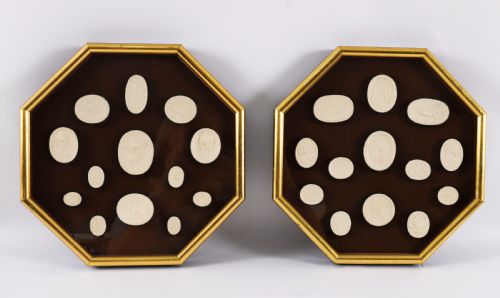
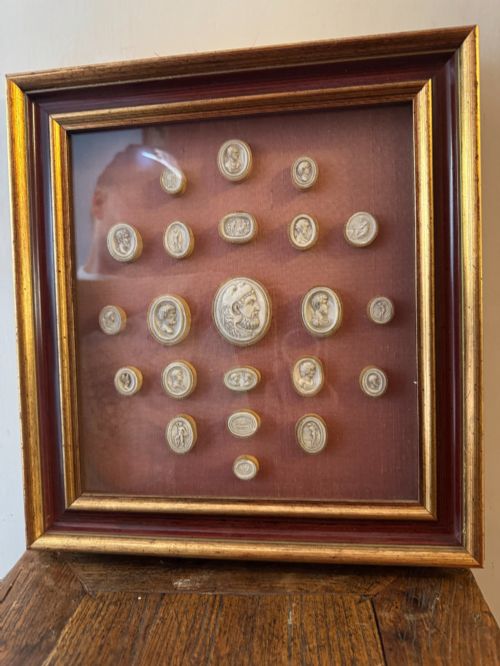
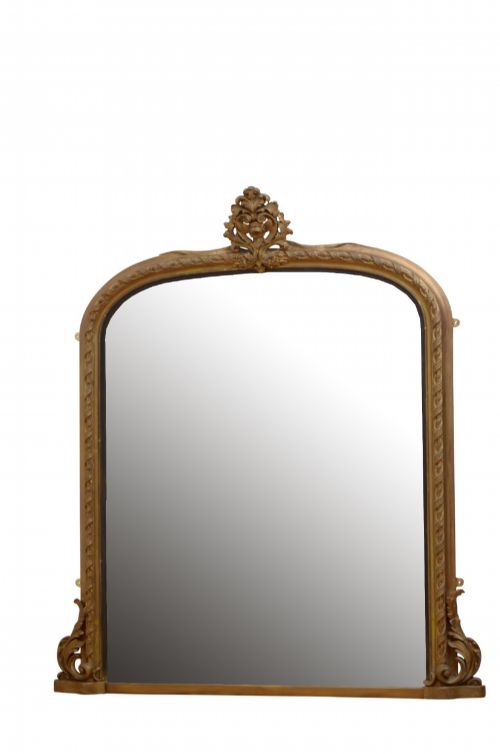
These gilt plaster frame pieces bring reflective depth and classical relief to an interior, whether housing an overmantel mirror or Grand Tour intaglios.
Gilt Plaster Frame
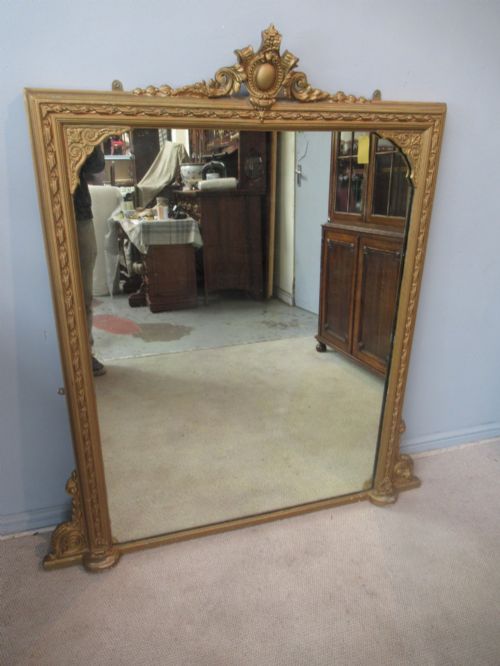
When searching for a gilt plaster frame, a buyer encounters a diverse group of objects spanning wall mirrors, overmantels, and framed intaglio panels. The versions most commonly met on this page date from the nineteenth century, including Victorian and Edwardian examples.
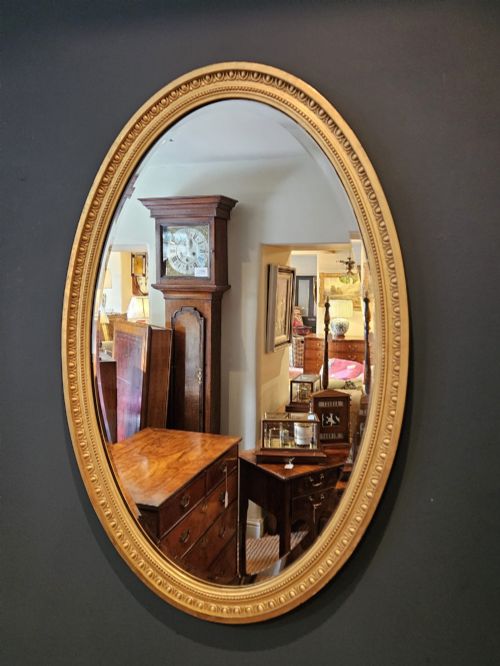
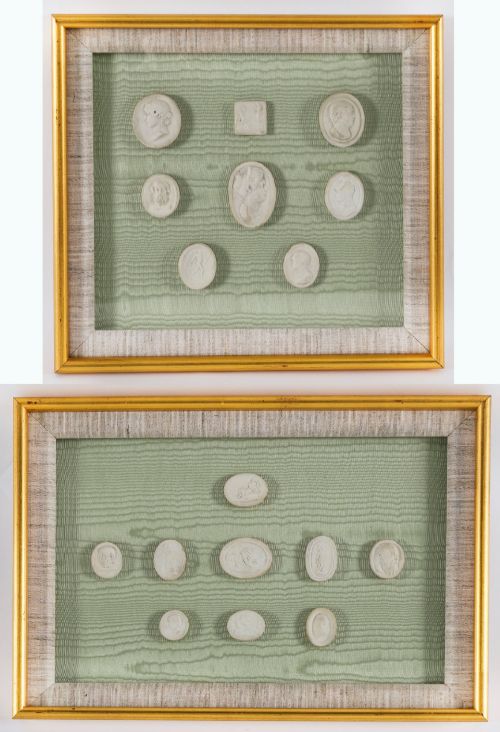
The category encompasses large wall mirrors designed for grand spaces, alongside smaller items such as oval mirrors and framed groupings of plaster cast medallions. Stylistic influences draw heavily on Neoclassical, Rococo Revival, and French Chateau aesthetics.
Origins span British and continental European workshops, with Italian Grand Tour pieces forming a significant portion of the framed relief works. These items function equally as architectural wall ornaments and as repositories for classical miniature art.
Materials and construction
The physical structure relies upon wooden or plaster carcases built to hold glass or collections of small-scale gypsum casts. Plaster and gesso build up the dimensional ornamentation, providing the sculptural relief essential for subsequent gilding.
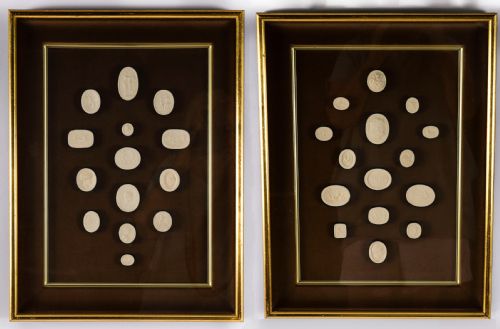
Gold leaf and gilt finishes cover the prepared plaster and wood surfaces, creating the luminous reflective quality characteristic of the period. Velvet often serves as a backing or backing board within glazed frames holding intaglios and cameos.
Gilt Plaster Frame Retail Price Guide 2026
Typical asking prices for gilt plaster frame among the pieces listed under this phrase on Sellingantiques today, from the lower quarter to the upper quarter. They describe what is for sale here now, not the wider market.
Materials recorded across the selection include gold leaf, gesso, plaster, velvet, and glass.
Quality differences
Quality rests in the crispness of the moulded or carved ornament and the depth of the gilding layers. Finer pieces display sharply defined neoclassical motifs or intricate gesso work that retains its structural integrity.
The refinement of the internal contents, such as the precision of Grand Tour plaster intaglios by named modellers, elevates the standing of an individual piece. The integration between the frame moulding and the mirror glass or backing material dictates overall execution.
Giovanni Liberotti·Pietro Bracci·John Miers
The Gilt Plaster Frame Glossary
- Gesso
- A plaster-based mixture applied to wood frames to create a smooth surface for gilding. It allows for deep relief moulding before the application of gold leaf.
- Intaglio
- A gem or medallion carved in incised relief, frequently cast in plaster during the nineteenth century. These were collected on the Grand Tour and mounted in framed sets.
- Overmantel mirror
- A large wall mirror specifically proportioned to hang above a fireplace mantel. These often feature architectural framing and extensive gilt plaster decoration.
- Grand Tour
- A traditional trip through Europe undertaken by upper-class young men in the eighteenth and nineteenth centuries. Travellers collected plaster casts, cameos, and intaglios as souvenirs of classical antiquity.
- Gypsum
- A soft sulphate mineral used to create plaster casts and intaglio medallions. It provides a fine-grained surface capable of holding minute sculptural detail.
Gilt Plaster Frame: Frequently Asked Questions
How do I hang a heavy overmantel mirror?
Large overmantel mirrors require robust wall fixings secured directly into masonry or structural studs. Professional installation is recommended due to the substantial weight of the timber, plaster, and glass.
Position the frame at a height that reflects natural light and balances the proportions of the surrounding room architecture.
What are Grand Tour intaglios?
Grand Tour intaglios are nineteenth-century plaster or gypsum casts reproducing ancient carved gems and cameos. Travellers brought them home as educational and decorative collections.
Framed sets preserve these miniature classical reliefs behind glass, often arranged on velvet backing boards.
How do I clean a gilt plaster frame?
Dust gilt plaster surfaces gently with a soft, dry brush to avoid disturbing fragile gesso or gold leaf. Liquid cleaners and abrasive cloths damage the historic finish.
Keep frames away from direct moisture and extreme temperature fluctuations to preserve the plaster substrate.
How do I date a Victorian gilt mirror?
Victorian mirrors often exhibit characteristic Victorian, Rococo Revival, or Art Nouveau stylistic traits alongside nineteenth-century construction methods. Examining the backing boards, mirror plate bevelling, and joinery helps confirm the period.
Moulded plaster and gesso ornament details align with the specific decades of the nineteenth and early twentieth centuries.