





Victorian Period Mirror
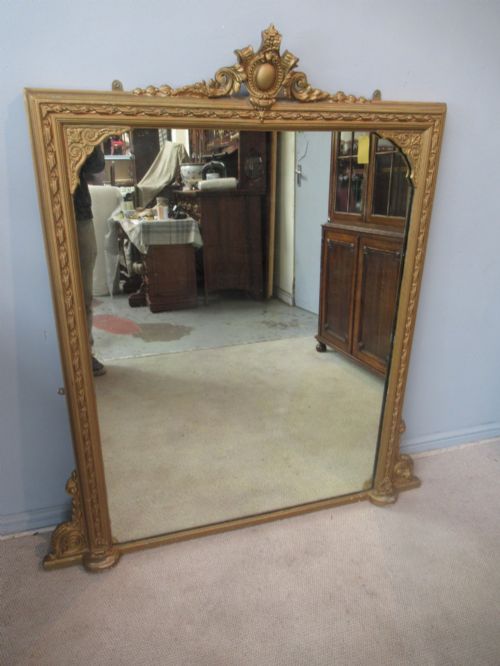
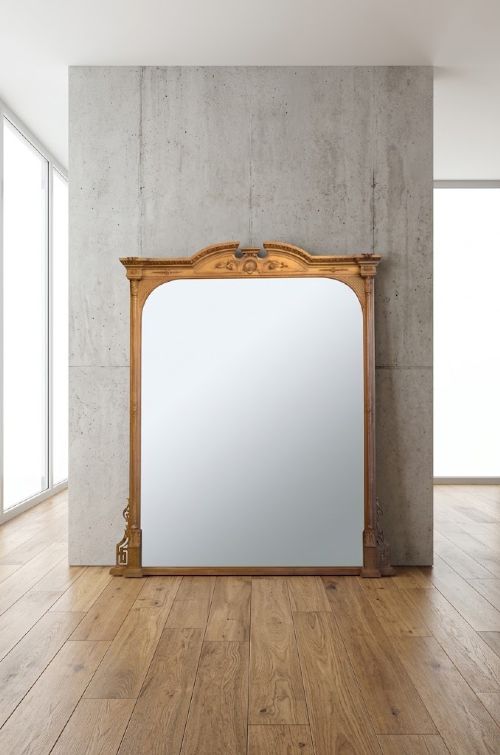
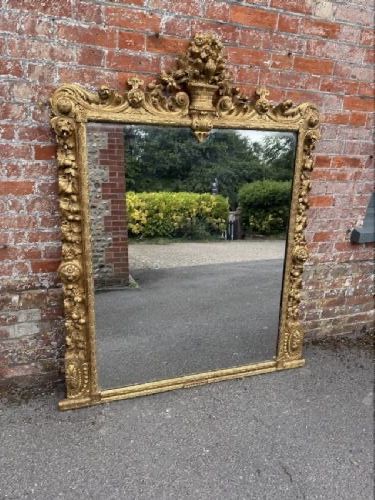
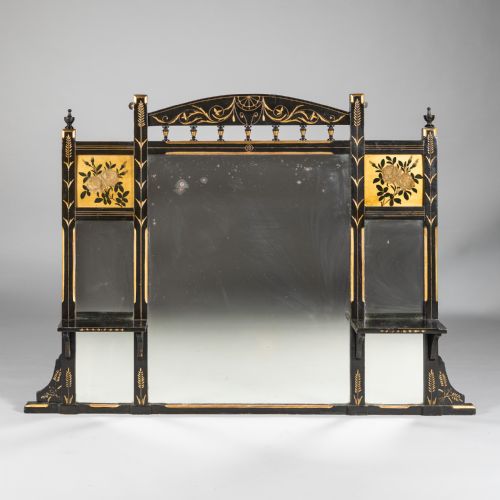
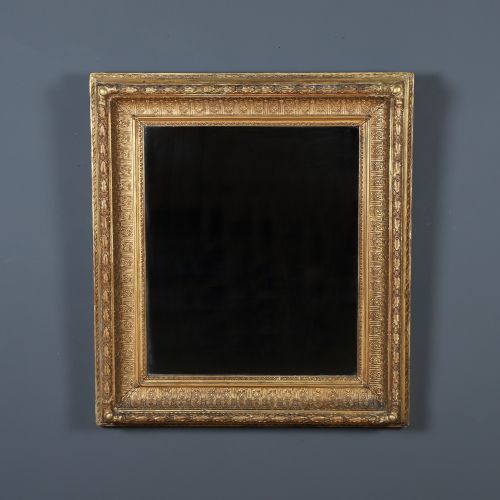
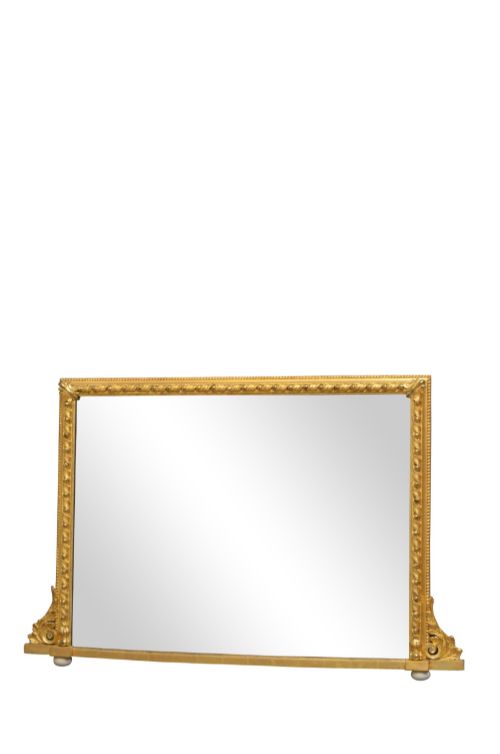
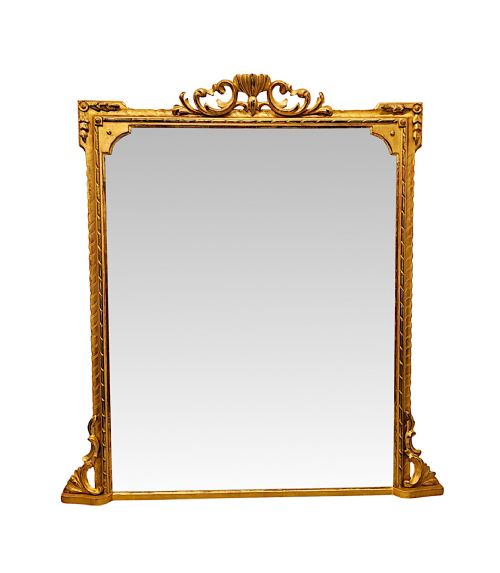
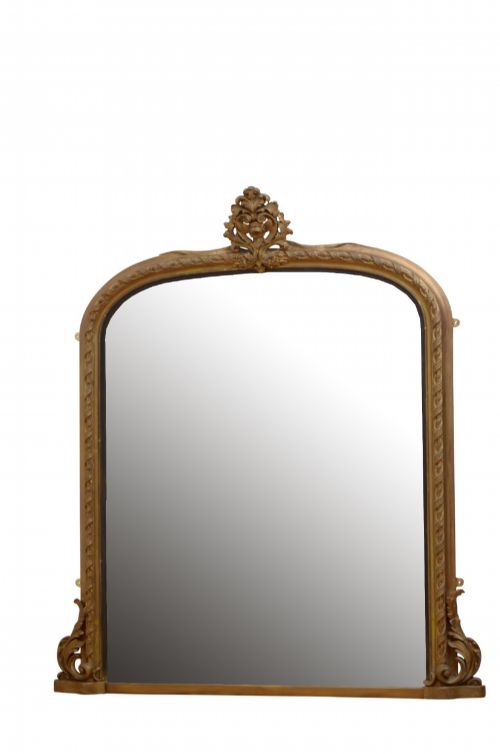
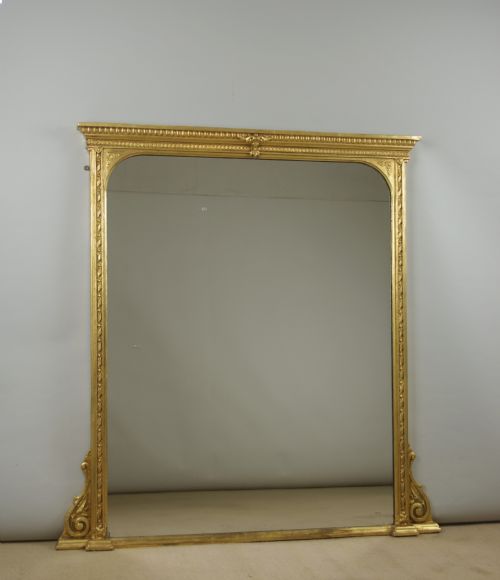
A victorian period mirror brings nineteenth-century presence to a room, most commonly seen here as a large overmantel mirror in carved giltwood.
Victorian Period Mirror
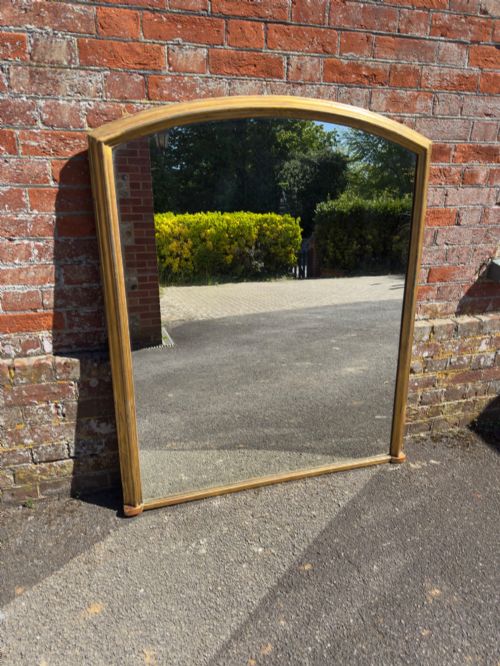
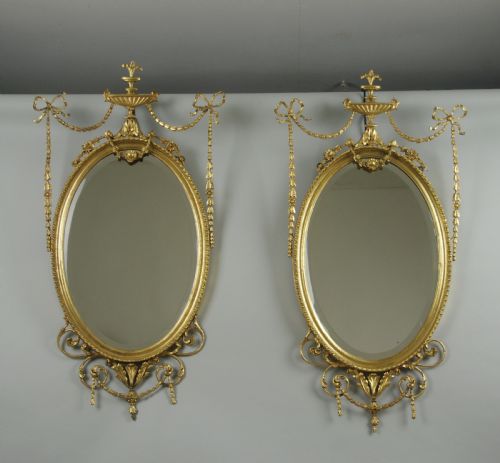
When searching for a victorian period mirror, buyers encounter a selection dominated by large overmantel mirrors and wall mirrors created during the nineteenth century. These pieces reflect the varied domestic interiors of the era, spanning decades from the mid-nineteenth century onwards.
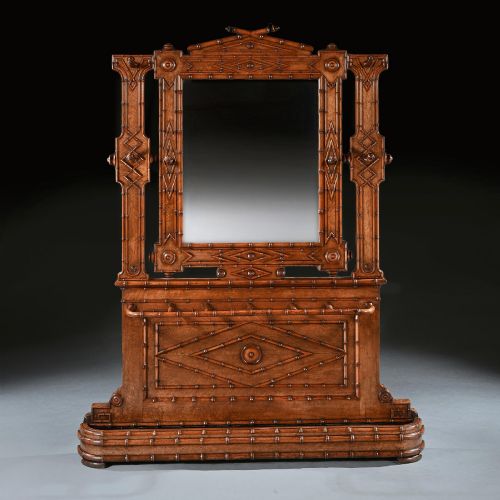
The overmantel form predominates in this selection, designed to sit above a fireplace and command the surrounding wall. Alongside these large scale examples, smaller wall mirrors, dressing mirrors, and cheval mirrors appear across the listings.
Originating largely from English workshops, these mirrors incorporate stylistic influences ranging from straightforward Victorian designs to revivals of earlier periods and Aesthetic Movement expressions. The forms serve both practical and decorative functions within domestic spaces.
How they were made
Makers constructed the frames primarily from timber such as mahogany, oak, and maple, often applying layers of gesso to build up decorative relief details. Wood carving requires skilled hand labour to shape the complex mouldings and architectural elements seen on these frames.
Gilding forms a major part of the technique, using gold leaf applied over bole or direct silvering processes to achieve the reflective metallic surfaces. Mirror glass plates, sometimes exhibiting foxing, sit within these robust wooden and plaster structures.
Victorian Period Mirror Retail Price Guide 2026
Typical asking prices for victorian period mirror among the pieces listed under this phrase on Sellingantiques today, from the lower quarter to the upper quarter. They describe what is for sale here now, not the wider market.
Listings span the nineteenth century, incorporating materials such as giltwood, gesso, mahogany, brass, and copper across wall and overmantel formats.
What varies in quality
Quality rests upon the depth and crispness of the carved woodwork and the complexity of the gesso mouldings applied to the frame. Superior examples demonstrate confident hand modelling rather than mechanical regularity, with ornaments that retain sharp definition.
The integrity of the original materials separates the finest items from standard domestic pieces, particularly the survival of original gilding and early mirror glass plates. Substantial scale combined with balanced proportions distinguishes the best overmantel mirrors in the range.
The Victorian Period Mirror Glossary
- Giltwood
- Timber that has been coated with a thin layer of gold leaf over a prepared ground. This material provides the brilliant reflective warmth characteristic of nineteenth-century reception rooms.
- Gesso
- A plaster mixture applied to wood frames to create a smooth surface for gilding or to build up low relief ornamentation. It allows for intricate decorative mouldings that can be too complex to carve directly into timber.
- Foxed glass
- Mirror plate showing dark spots or a mottled patina caused by the degradation of the silver backing over time. Collectors prize original foxing as evidence of genuine age.
- Parcel-gilt
- A decorative treatment where only specific portions of a frame are highlighted with gold leaf, contrasting with ebonised, painted, or natural wood grounds. This technique creates visual depth and accentuates carved details.
Victorian Period Mirror: Frequently Asked Questions
Where should an overmantel mirror hang?
Traditionally, an overmantel mirror hangs directly above a fireplace mantelpiece to reflect light and anchor the room's proportions.
Buyers also place them on principal walls in reception rooms to create an illusion of greater space.
What is foxed glass?
Foxed glass refers to mirror plates that have developed speckled dark spots and a mottled appearance as the backing ages.
This natural oxidation indicates that the mirror retains its original glass rather than a modern replacement.
How do I identify a Victorian mirror?
Victorian mirrors often feature characteristic proportions, heavy timber construction, and gesso ornament influenced by nineteenth-century revival styles.
Examining the construction methods and the backboards helps confirm the period of manufacture.
Can these mirrors be cleaned safely?
Glass surfaces require gentle cleaning with standard glass cleaner applied to a cloth rather than sprayed directly onto the frame.
Timber and giltwood frames need only careful dusting with a soft brush to protect the delicate metallic leaf.