



Gilt Pedestal Sculpture
A gilt pedestal sculpture brings classical presence into a room, combining metallic surface with solid form to elevate busts and figures.
Gilt Pedestal Sculpture
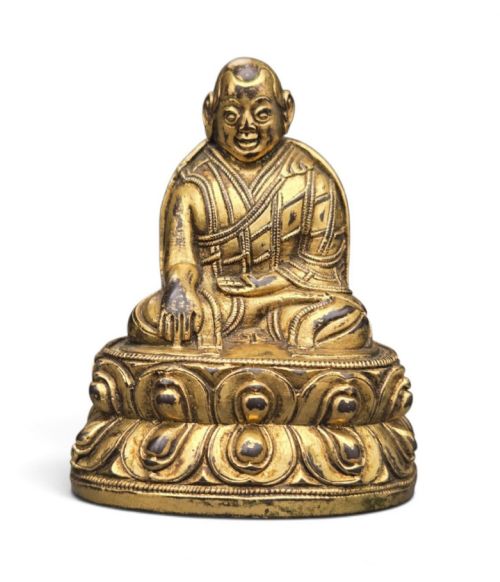
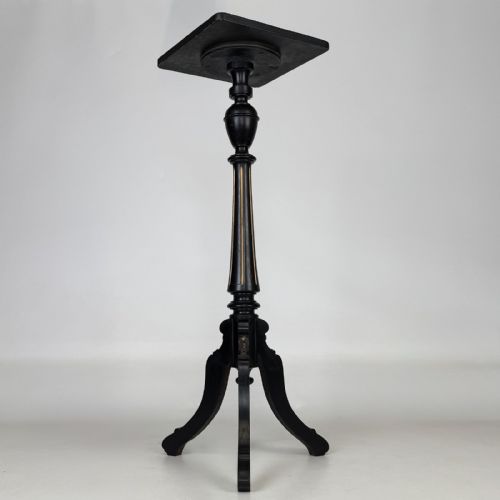
When you search for gilt pedestal sculpture, you encounter a varied group of objects uniting supporting columns, figural stands and mounted figures from the seventeenth century through to the twentieth century. These pieces encompass everything from standalone carved wood columns to bronze figures mounted directly onto marble bases.
You are most likely to meet nineteenth-century examples on this page, often French or Italian in origin, drawing on neoclassical and baroque vocabularies. These works frequently pair gilded metal mounts with natural stone or carved wood to create a strong vertical accent.
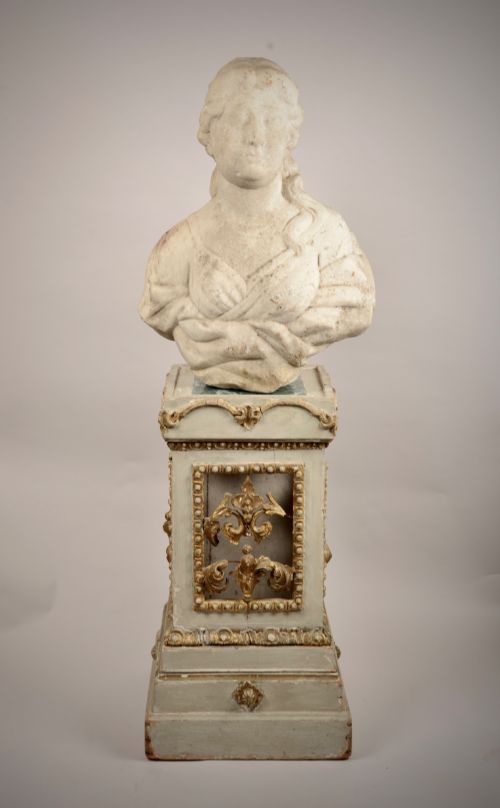
The category bridges furniture and fine art, shifting between architectural columns intended to display other objects and figural sculptures that incorporate their own pedestals. Materials range from humble painted wood surfaces to rich ormolu and malachite assemblies.
Materials and construction methods
Maker workshops utilised traditional casting, carving and gilding techniques to achieve their metallic and wooden finishes. Bronze and brass components underwent careful chasing before receiving layers of gold leaf or ormolu treatment, while wooden carvers shaped walnut, satinwood and giltwood into complex architectural profiles.
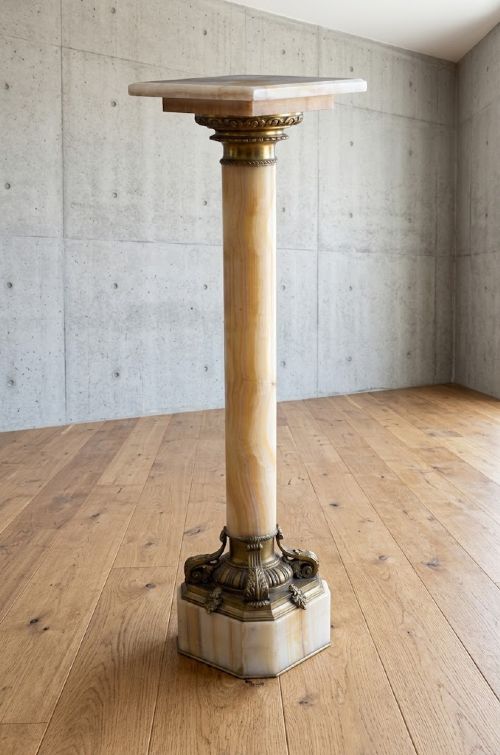
Stone elements such as marble, onyx and malachite were cut, turned and polished to form smooth columns and supporting plinths. Artisans combined these cold mineral surfaces with warm metallic mounts and polychrome paint, securing them with internal pins and threaded fixings.
Gilt Pedestal Sculpture Retail Price Guide 2026
Typical asking prices for gilt pedestal sculpture among the pieces listed under this phrase on Sellingantiques today, from the lower quarter to the upper quarter. They describe what is for sale here now, not the wider market.
The inventory records pieces originating from diverse traditions, including Japanese Edo statues and European furniture.
Markers of distinction and manufacture
The distinction between ordinary and exceptional pieces rests upon the crispness of the chasing in metal mounts and the depth of the carving in wood or stone. Superior examples display fluent articulation in foliate or figural details, whereas lesser pieces rely on mechanical repetition and softer definition.
Integration of materials dictates overall success, where stone columns, gilt bronze mounts and timber carcases align seamlessly without visible gaps or structural compromise. Original surfaces, whether faux marble paint or aged gilding, hold greater weight than later interventions.
Gillow and Co·Ferdinand Preiss·François Christophe Armand Toussaint
The Gilt Pedestal Sculpture Glossary
- Ormolu
- Gilt bronze produced through a mercury amalgamation process common in French decorative arts. This technique yields a deep, matte gold surface that resists tarnishing over centuries.
- Giltwood
- Timber that has been coated in fine gold leaf over a prepared gesso ground. It provides a brilliant reflective quality suited to baroque and neoclassical furniture frames.
- Chryselephantine
- A sculpture combining ivory and bronze elements, frequently seen in figures mounted on decorative bases. This medium gained particular prominence during the art deco period.
- Polychrome
- Decoration employing several colours applied to wood, stone or plaster surfaces. Original pigment layers help preserve the historical integrity of figural stands.
- Neoclassical
- A style drawing inspiration from classical antiquity, marked by symmetry, architectural columns and restrained ornament. It dominates nineteenth-century pedestal designs.
Gilt Pedestal Sculpture: Frequently Asked Questions
How do I place a pedestal in a room?
These vertical pieces suit corners or focal wall spaces where they can support lamps, busts or small art objects without blocking circulation.
Ensure the floor surface is level and consider the weight distribution, particularly with heavy marble and bronze assemblies.
What is the difference between ormolu and gilt bronze?
Ormolu strictly denotes finely chased bronze that has been gilded using a mercury amalgam technique, standard in eighteenth and nineteenth-century French workshops.
Gilt bronze is a broader term that can encompass various application methods for the gold surface over a bronze base.
How do I care for gilded surfaces?
Dust gently using a soft, dry brush to prevent abrasion to the delicate gold leaf or ormolu layer. Avoid chemical cleaners and moisture, which can lift the underlying gesso or varnish.
Maintain stable room humidity to protect wooden carcases and prevent cracking in associated stone elements like onyx and marble.
How do I identify a nineteenth-century piece?
Examine the construction methods, tool marks and material combinations typical of the period, such as machine-turned marble columns paired with cast ormolu collars.
Stylistic cues often mix neoclassical restraint with eclectic nineteenth-century interpretations of earlier baroque or rococo forms.