






Gilt Metal Table Clock
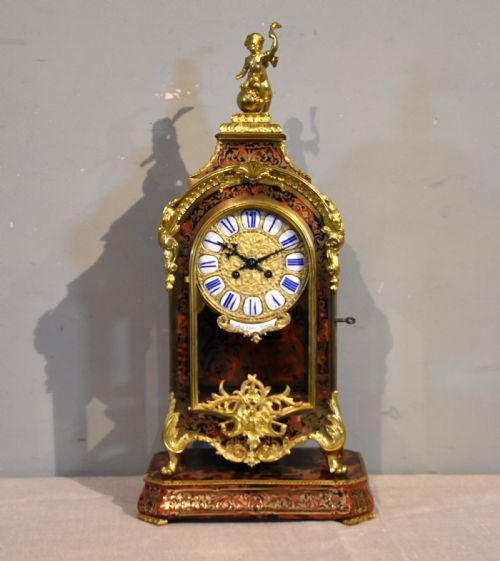
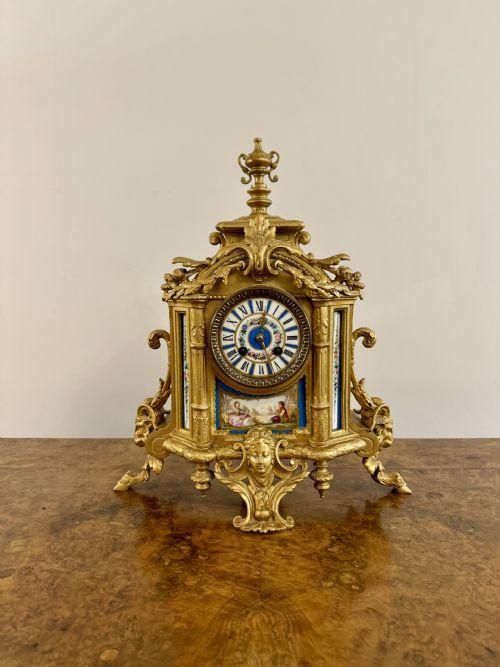
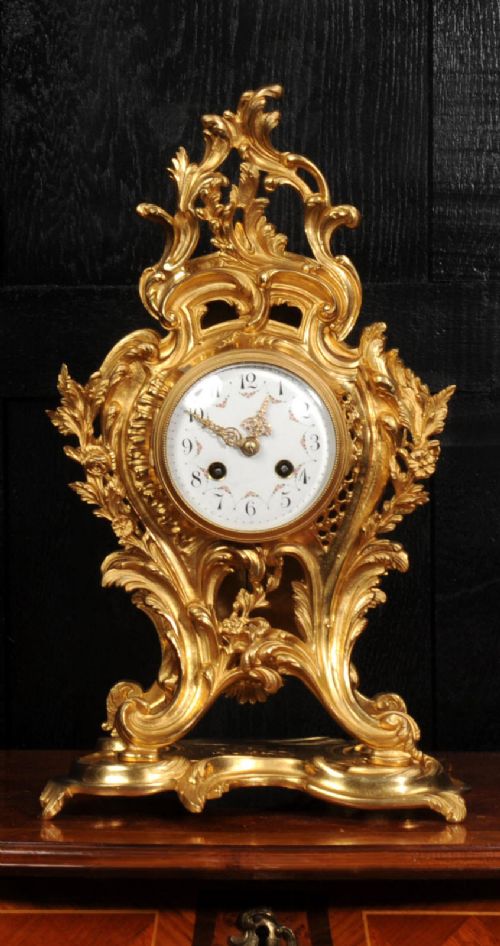
These gilt metal table clock examples bring domestic timekeeping into focus, offering the weight and finish of brass, bronze, and ormolu for the mantel or desk.
What They Are
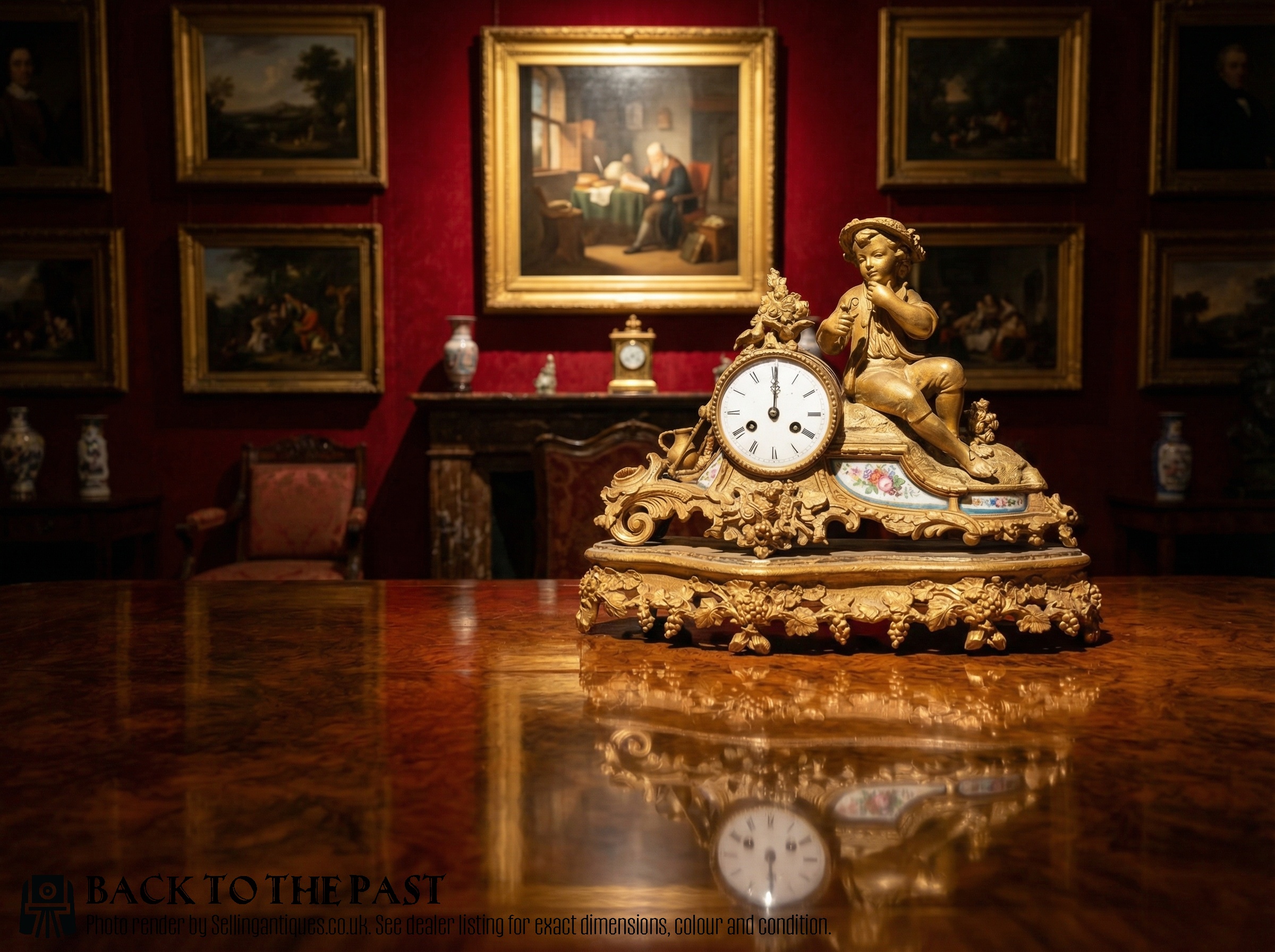
A gilt metal table clock combines metalwork and horology, appearing in forms such as mantel clocks, desk clocks, and strut easel clocks. These pieces span the nineteenth century, Edwardian era, and the mid-twentieth century.
The assortment includes items styled after Louis XVI and the French Second Empire, alongside Art Deco and Mid-Century Modern designs. Buyers frequently encounter French porcelain-accented mantel clocks and smaller Swiss-made travel pieces.
Makers such as Japy Frères and Jaeger LeCoultre represent the horological output found within these categories, utilising gilt bronze, brass, and ormolu housings.
How They Were Made
Craftsmen utilised bronze, brass, and ormolu to form the structural cases of these timepieces, often fire-gilding the metal surfaces to achieve a bright, durable finish. Porcelain plaques and dials were integrated into the metal frames, frequently decorated with painted details.
Enamel techniques, including champlevé and vitreous enamel, added colour and pattern to dials and bezels. Glass protected the clock faces, while specialised movements from makers like Japy Frères and Jaeger LeCoultre drove the internal mechanics.
Retail Price Guide 2026
Typical UK retail prices for gilt metal table clock, calculated from the Sellingantiques database of over a million retail prices indexed since 2003. This retail price guide relies exclusively on Sellingantiques data; no external sources or auction records are used, so the figures do not describe the wider market.
What Varies in Quality
The refinement of the cast metal ornamentation distinguishes the higher tier of these timepieces from simpler productions. Crisp chasing in ormolu and bronze indicates superior workshop skill.
The integration of materials also dictates the standard of the piece, where hand-painted porcelain panels and complex champlevé enamel work elevate the decorative ambition of the clock.
Japy Freres·Jaeger LeCoultre
The Gilt Metal Table Clock Glossary
- Ormolu
- Finely ground high-carat gold applied to a bronze base using a mercury amalgamation technique. This historic process creates a rich, lasting metallic lustre.
- Champlevé enamel
- Enamel technique where troughs or cells are hollowed out of the metal surface and filled with vitreous paste before firing. It creates vibrant patterns flush with the metal dividers.
- Strut clock
- A portable timepiece featuring a hinged prop on the back to support it upright on a desk or table. They are commonly paired with folding easel frames.
- Mantel clock
- A domestic clock designed to sit on the shelf above a fireplace. These items prioritize decorative presence alongside timekeeping.
- Vitreous enamel
- Glass powder fused to a metal substrate at high temperatures. This coating provides a glossy, hard-wearing coloured finish.
Frequently Asked Questions
How do I wind an antique mantel clock?
Use the appropriate key on the winding arbors found on the dial face, turning gently until resistance is felt.
Take care not to overwind the mainspring, as this can damage the internal mechanism.
Where should I place a gilt metal table clock?
Position the clock on a stable, level surface away from direct sunlight and moisture.
Mantelpieces and desks provide traditional settings that showcase the metal and porcelain details.
How do I identify a Louis XVI style clock?
Look for classical architectural motifs, symmetry, and restrained ornamentation derived from eighteenth-century French design.
Ormolu mounts and porcelain plaques often accompany these aesthetic markers.
What is champleve enamel?
Champleve is a technique where metal is gouged to form recesses that hold vitreous enamel paste.
The piece is then fired and polished to create smooth, decorative coloured patterns across the surface.