
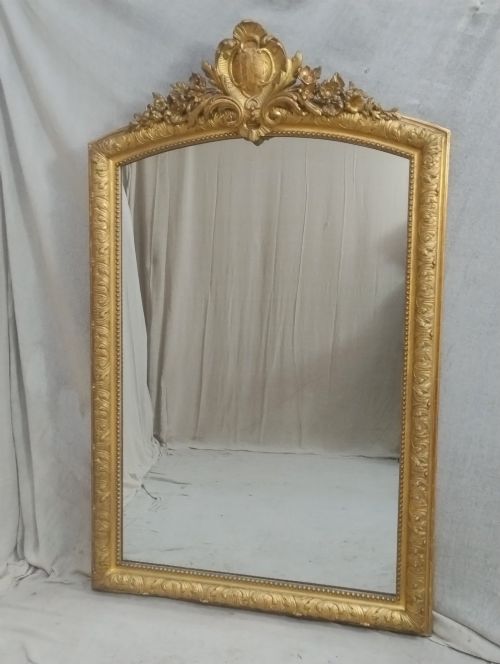


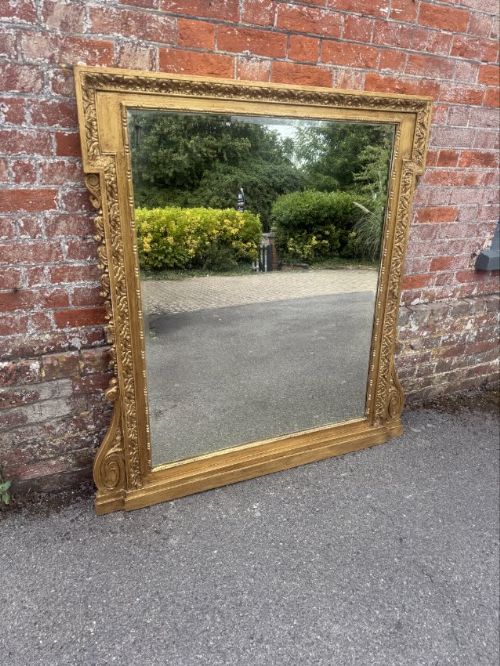
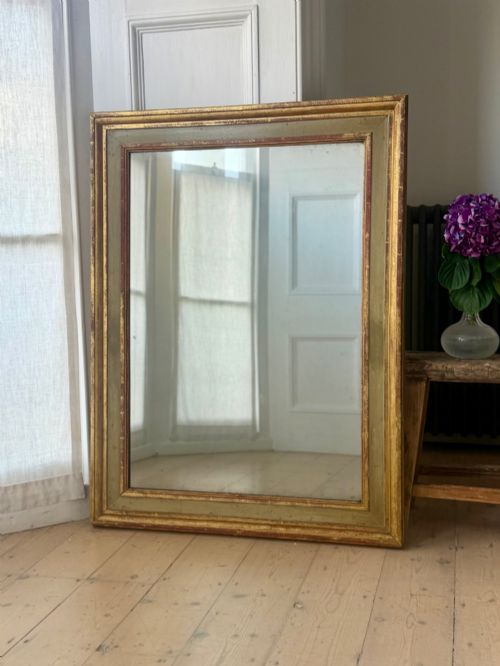
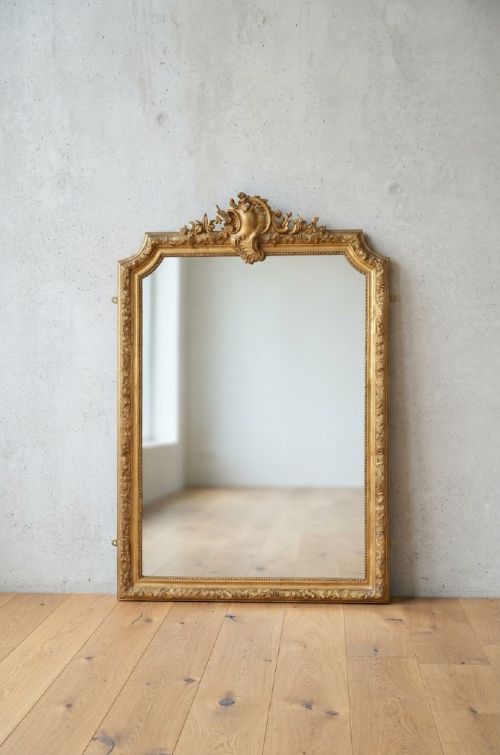
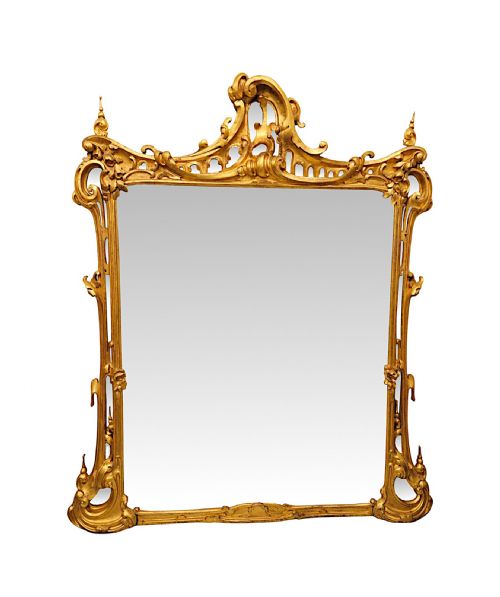
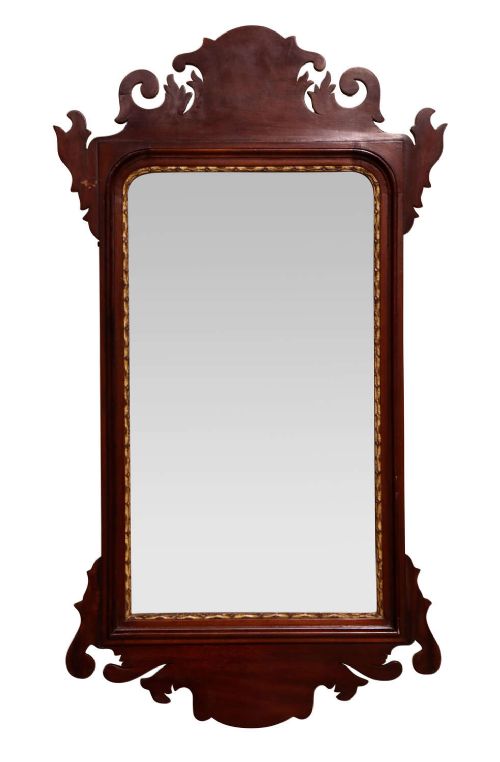
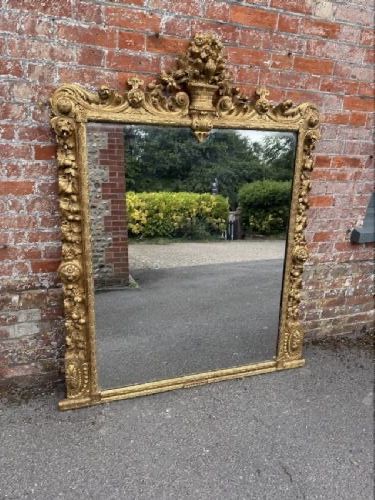
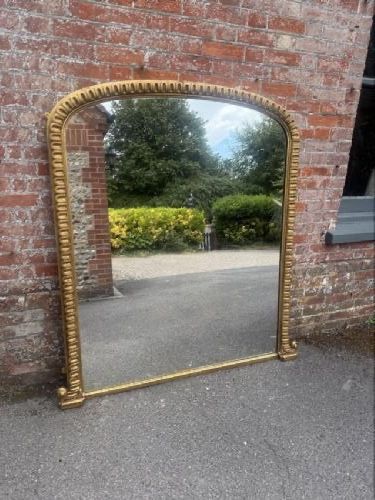
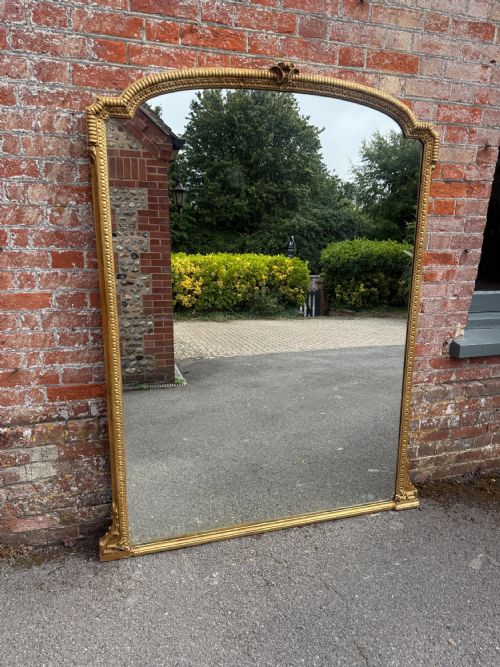
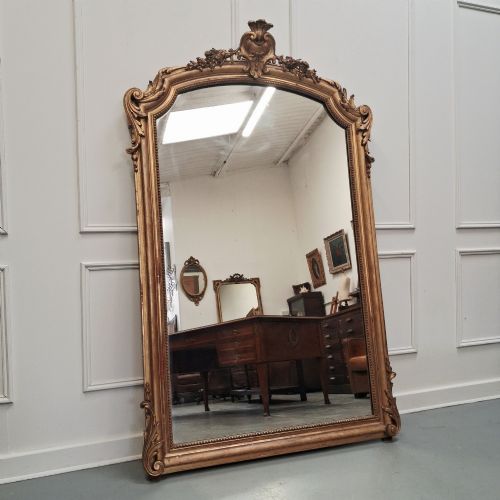
Gilt Mantel Mirror
A gilt mantel mirror brings the scale and reflected light of the nineteenth century directly onto a chimney breast.
Gilt Mantel Mirror
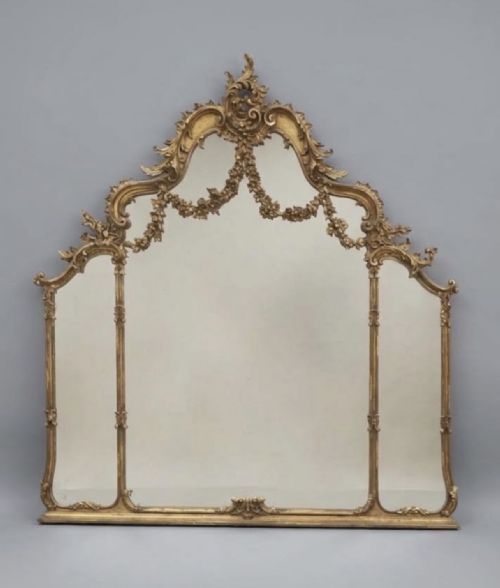
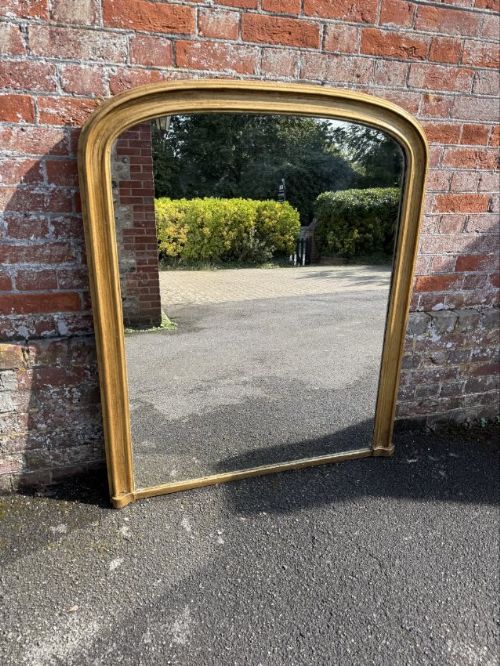
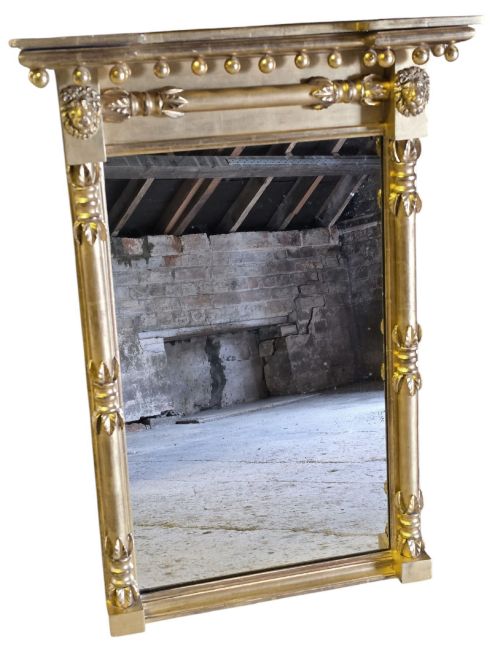
A gilt mantel mirror typically takes the form of an overmantel, designed specifically to hang above a fireplace opening. These pieces span the Georgian, Regency, and Victorian eras, alongside French Chateau and Napoleon III examples.
Origins divide broadly between English workshops and French ateliers, encompassing styles from classical revival to ornate rococo. Buyers encounter everything from simple gilded mouldings to monumental carved wood frames.
Materials and Construction
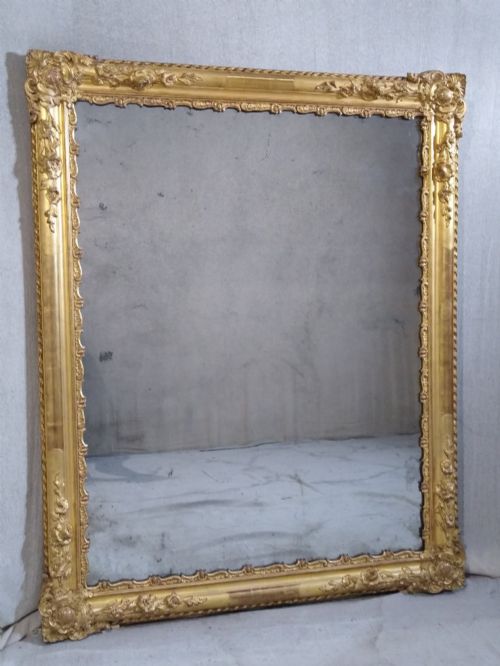
Carved wood and gesso form the structural base of the majority of these frames, providing the malleable surface required for intricate moulding and relief work. Artisans applied gold leaf or liquid gilding over the prepared gesso layers.
Mirror glass plates vary from original mercury silvering to early victorian alternatives, occasionally showing characteristic foxing or ageing spots. Secondary woods such as mahogany or pine support the heavier frames behind the gilt surface.
Several frames feature lively Ho-Ho birds perched atop the cresting, watching silently over the room below.
Craftsmanship and Proportion
Depth and crispness of the carved ornament distinguish finer examples from simpler production. Hand-modelled gesso details and deep relief work indicate skilled workshop execution rather than cast composition ornament.
The preservation of the original gilding and the integrity of the glass plate heavily influence the character of the piece. Balanced proportions and heavy timber construction signal higher workshop standards during the nineteenth century.
S T Townshend Norwich
The Gilt Mantel Mirror Glossary
- Gesso
- A plaster-like mixture applied to wood frames as a base for gilding. It allows carvers to achieve smooth contours and sharp decorative details.
- Giltwood
- Timber that has been coated with gold leaf or metallic powder. This material defines the bright reflective surfaces of nineteenth-century frames.
- Overmantel
- A large mirror or painting designed to be hung specifically above a mantelpiece. These frames often echo the width of the fireplace below.
- Pier Mirror
- A tall, narrow mirror designed to hang on the wall space between windows. They frequently share decorative traits with mantel mirrors.
- Mercury Glass
- An early type of mirror glass created by pouring a mercury amalgam behind the glass plate. It produces a distinctive mottled reflection over time.
- Foxing
- Age-related brown spots and speckles that develop within the silvering of antique mirror glass. Collectors value this patination as evidence of genuine age.
Gilt Mantel Mirror: Frequently Asked Questions
Can I clean the original mirror glass?
Original mirror glass requires gentle cleaning with a soft, dry microfibre cloth to remove surface dust. Avoid liquid cleaners, ammonia, or commercial glass sprays that can seep behind the plate and damage fragile silvering.
Older mercury glass and foxed surfaces are particularly sensitive to moisture. Careful maintenance preserves the historic patination accumulated over the centuries.
How do I date a nineteenth-century gilt mirror?
Dating relies on examining the construction methods visible on the reverse of the frame, including timber types and screw heads. Frame styles, such as Regency classical motifs or Victorian rococo revival, offer further chronological clues.
Inscriptions, maker labels, or the specific characteristics of the glass plate help narrow the decade of manufacture. Comparing the gesso relief work to documented pieces confirms the period.
Will an overmantel mirror fit my fireplace?
Measuring both the width of the mantelpiece shelf and the available wall height above it ensures correct visual balance. Overmantel mirrors traditionally match or sit slightly narrower than the shelf below them.
Ceiling height dictates whether an arched top or a monumental rectangular frame will suit the room. Leaving space between the frame and the ceiling prevents the piece from appearing cramped.