



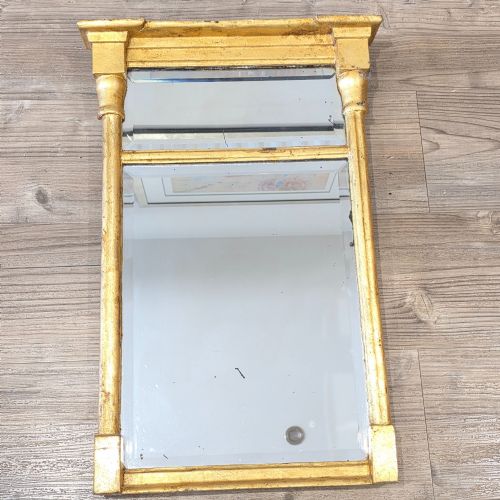
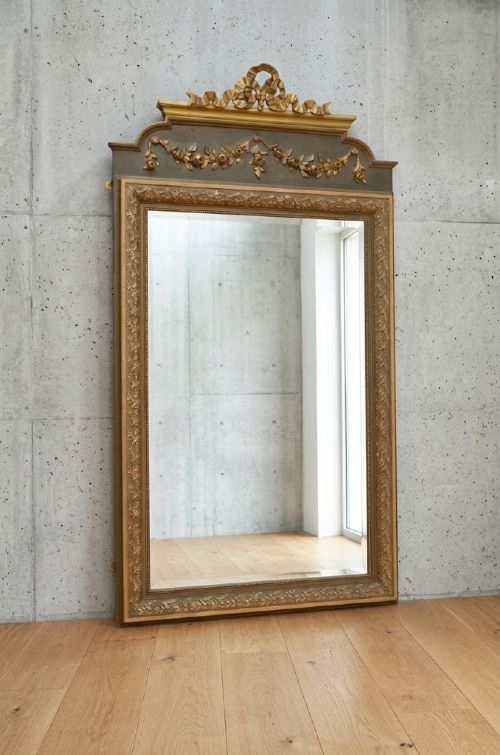
Gilt Framed Pier Mirror
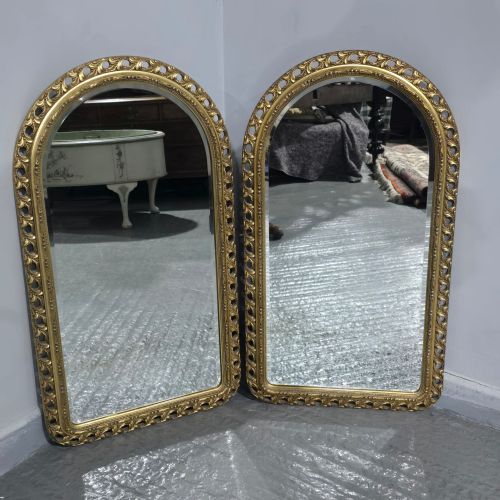
A gilt framed pier mirror brings vertical light and architectural focus to a room, hung traditionally between windows.
Gilt Framed Pier Mirror
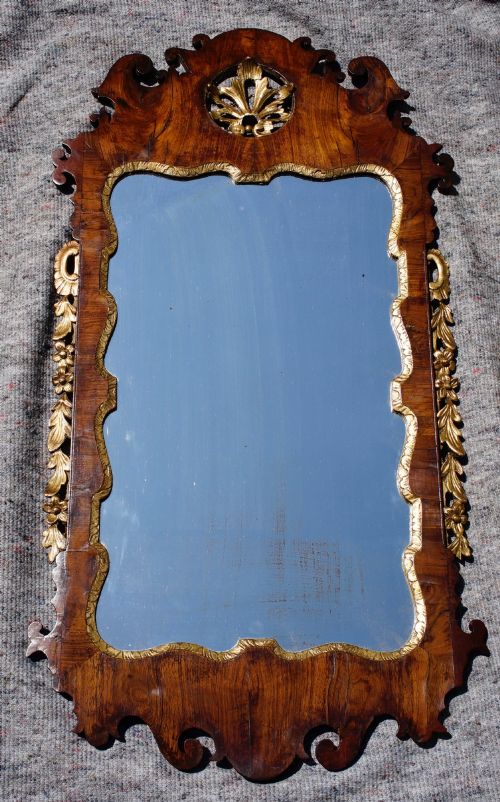
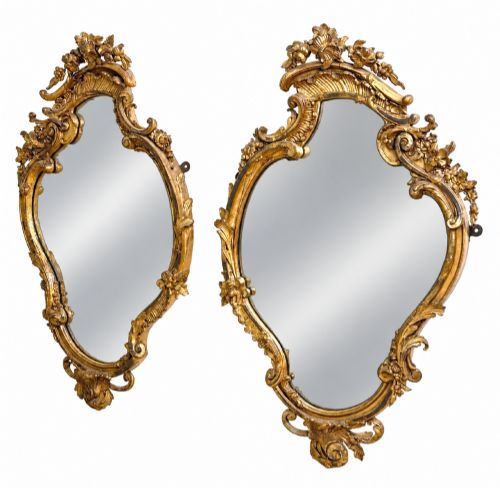
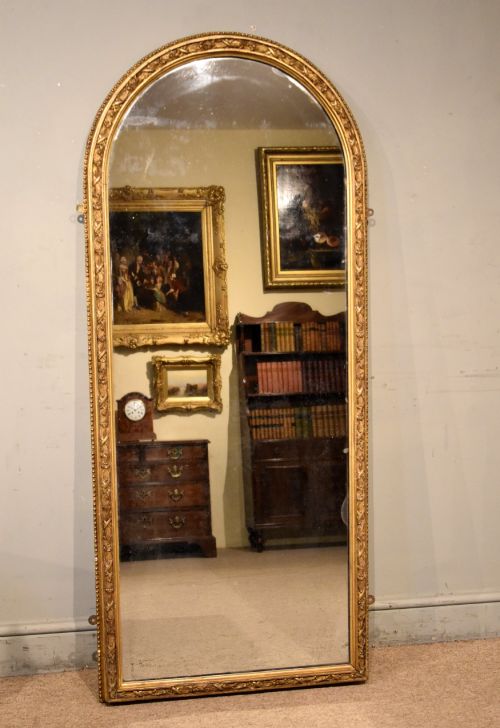
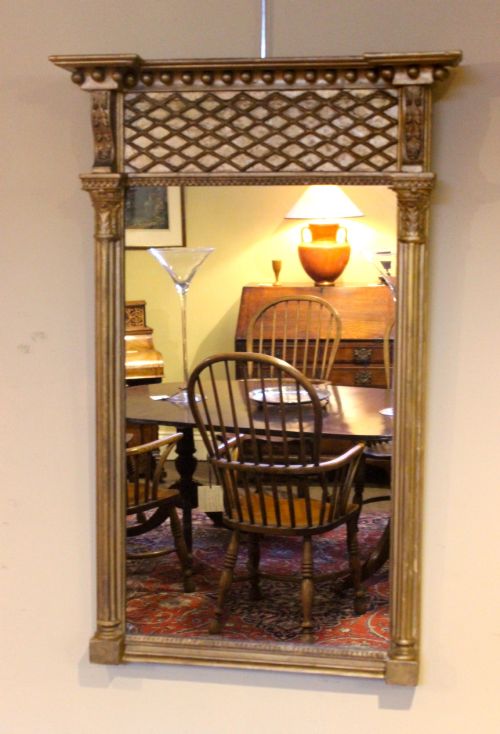
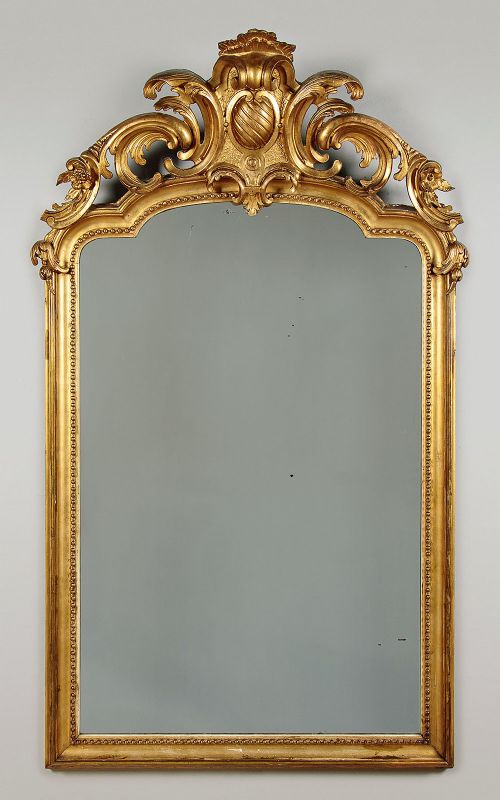
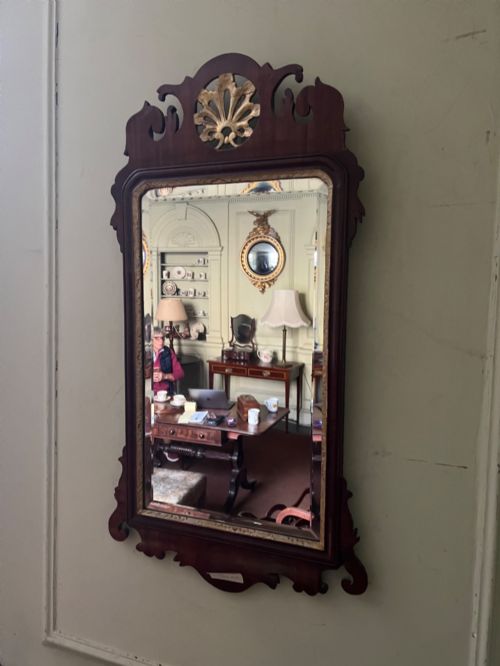
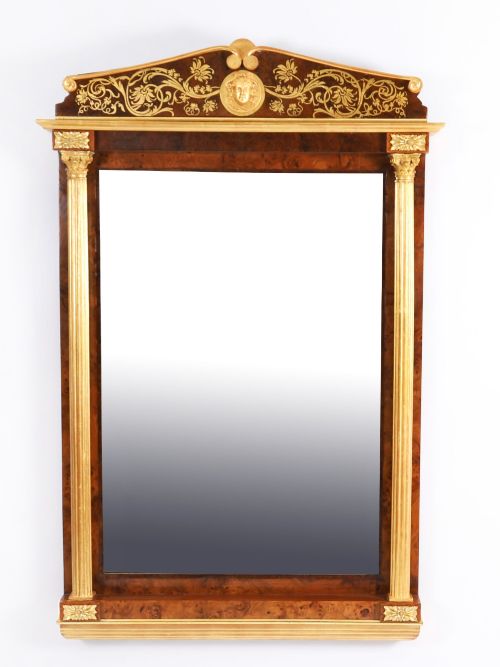
A gilt framed pier mirror is a tall, vertical looking glass designed to hang on the narrow wall space between windows, reflecting natural light deeper into a room. These pieces appear frequently in eighteenth-century walnut, nineteenth-century giltwood, and Regency styles, often incorporating distinct architectural proportions.
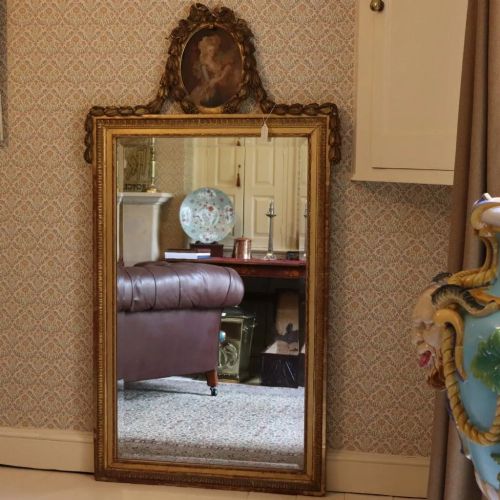
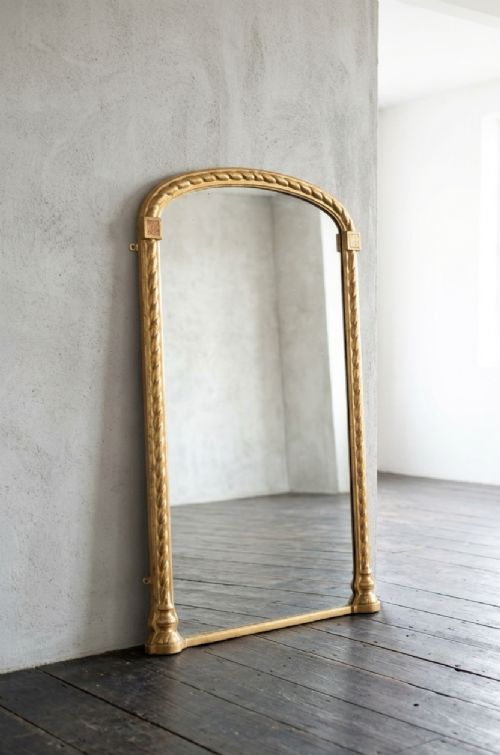
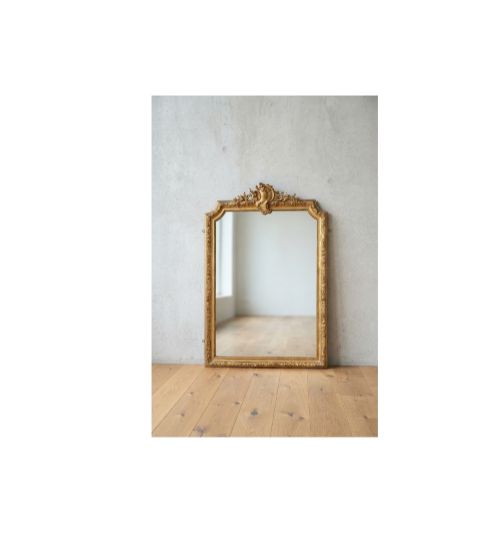
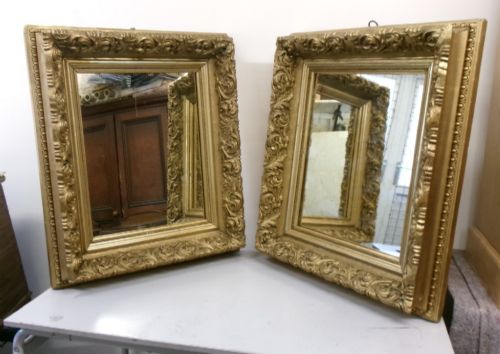
The selection ranges from George III parcel-gilt designs and ornate French Rococo pieces to later nineteenth-century Italian and English interpretations. Many examples feature original mercury glass plates, trumeau panels with oil paintings, or classical rope carvings and gesso detailing.
Buyers encounter everything from compact marriage mirrors and dressing glasses to large architectural leaner mirrors spanning over a metre in height. Wall mirrors and pier glasses share overlapping forms, yet the true pier mirror retains its specific verticality suited for narrow wall piers.
How they were made
Makers built the foundational structures from timber such as mahogany, walnut, and painted wood, applying layers of gesso to create smooth surfaces for subsequent gilding with gold leaf. Carved wooden ornaments and applied composition details provided the intricate foliage, scrolls, and crests seen on Regency and Rococo frames.
Early glass plates relied on mercury backing techniques, producing a characteristic soft, mottled reflection that differs significantly from modern silvered glass. Frames frequently utilised pine or softwoods for the main carcass, combined with hardwood elements where structural strength or fine carving depth was required.
Gilt Framed Pier Mirror Retail Price Guide 2026
Typical asking prices for gilt framed pier mirror among the pieces listed under this phrase on Sellingantiques today, from the lower quarter to the upper quarter. They describe what is for sale here now, not the wider market.
Listings span from the 18th century through the Regency and Victorian eras, incorporating materials such as gesso, giltwood, walnut, and mercury glass.
What varies in quality
The depth and crispness of the hand-carving dictate the visual standard of the frame, distinguishing sharp architectural moulding and undercut foliage from soft, moulded composition ornaments. Originality plays a primary role, particularly whether the mirror plate, backboards, and gilding remain undisturbed from the period of manufacture.
Proportion and scale govern the architectural success of the piece, with superior examples exhibiting balanced sightlines and harmonious integration between the glass plate and the surrounding frame. The survival of mercury glass plates with natural foxing adds historical depth to eighteenth and nineteenth-century items.
The Gilt Framed Pier Mirror Glossary
- Gesso
- A mixture of chalk, gypsum, and size applied to wooden frames as a prepared base for gilding or painting. This smooth layer allowed artisans to carve and stamp fine ornamental details before applying gold leaf.
- Parcel-gilt
- A decorative treatment where parts of a wooden or painted object are highlighted with gold leaf while other areas reveal the natural wood grain. It creates contrast between polished walnut or mahogany and gilded highlights.
- Mercury glass
- A type of mirror plate made by pouring a mercury-tin amalgam behind glass, producing a deep, undulating reflection with dark spots known as foxing. This technique was largely superseded by silver nitrate methods in the mid-nineteenth century.
- Trumeau
- An interior architectural panel or mirror placed between windows, frequently incorporating an oil painting above the glass plate. The painted section often depicts pastoral, romantic, or maritime scenes.
- Pier glass
- A large mirror specifically proportioned to hang on the narrow pier of wall between two windows. It frequently pairs with a pier table placed directly beneath it.
- Verre églomisé
- A historic technique of cold painting and gilding on the reverse side of glass to create decorative borders or panels. Collectors prize this method for its metallic lustre and fine detail.
Gilt Framed Pier Mirror: Frequently Asked Questions
How do I hang a heavy pier mirror?
Heavy giltwood and gesso mirrors require secure wall fixings anchored directly into masonry or substantial timber studs using appropriate heavy-duty brackets. The substantial weight of antique frames demands professional installation to distribute the load safely.
Position the mirror at a height that reflects eye level or catches natural light from adjacent windows, mirroring its original historical placement between architectural openings.
What is the difference between a pier glass and a wall mirror?
A pier glass is specifically proportioned with a tall, narrow vertical format designed to fit the specific wall space between windows. Standard wall mirrors lack this strict architectural constraint and appear in square, horizontal, or oval shapes.
Historical pier mirrors often integrated with console tables positioned underneath, completing a coordinated interior scheme.
How should I clean antique mirror glass?
Clean antique mirror glass gently using a soft microfibre cloth and a mild, ammonia-free glass cleaner sprayed onto the cloth rather than directly onto the glass. Avoid harsh chemical agents that can seep behind the edges and damage fragile mercury backings or original framing.
Take care around the edges of the plate where historical silvering or mercury backing is often thinnest and most vulnerable to moisture.
Are original mirror plates common?
Original mirror plates survive in many eighteenth and nineteenth-century examples, identifiable by slight distortions, minor surface bubbles, and natural ageing marks known as foxing. Replacing a glass plate was common during historical updates, so surviving original plates significantly interest collectors.
Examining the backing boards and fixings helps determine whether the glass plate has remained undisturbed since its manufacture.