

Gilt Framed Harbour Artwork
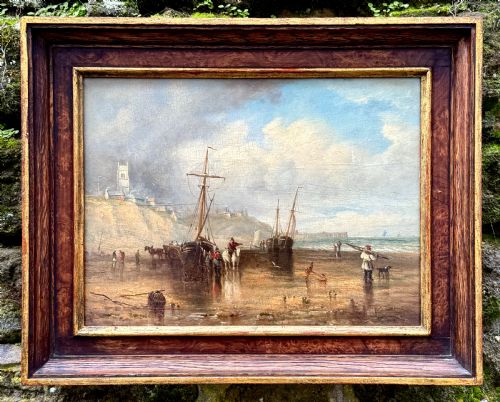
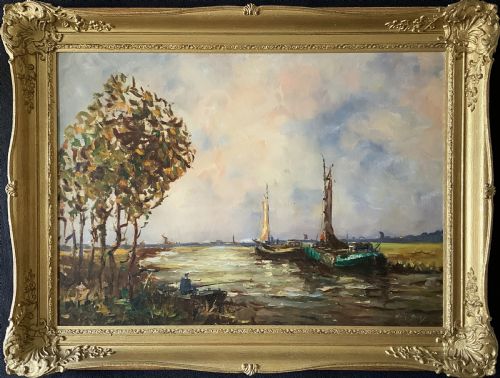
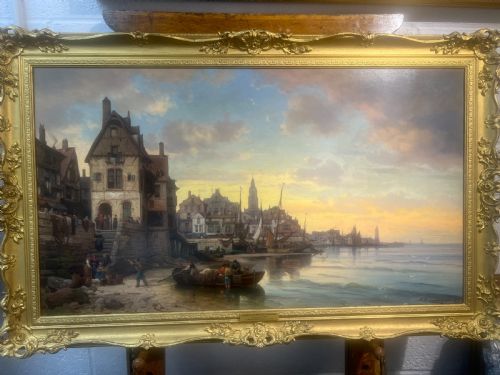
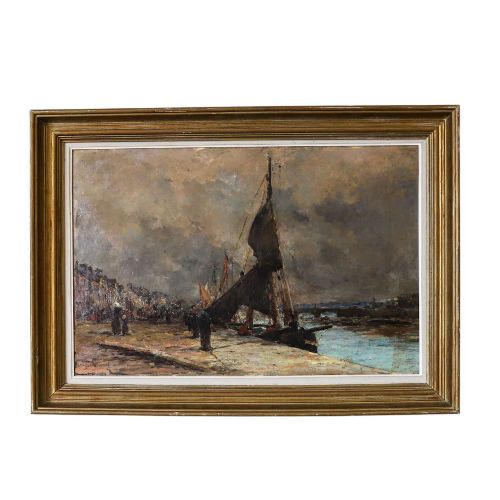
Gilt framed harbour artwork brings together maritime history and decorative framing, capturing coastal scenes from bustling ports to quiet fishing villages.
Gilt Framed Harbour Artwork
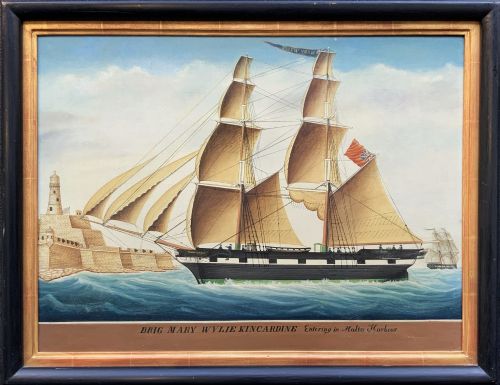
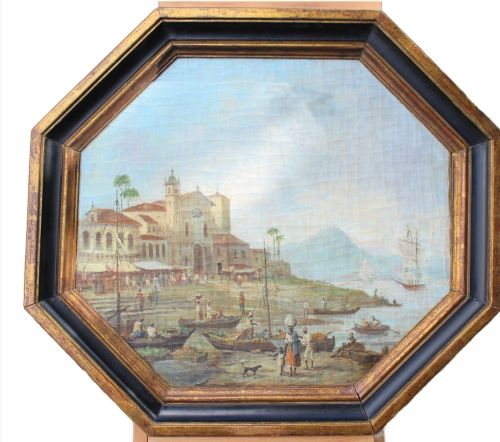
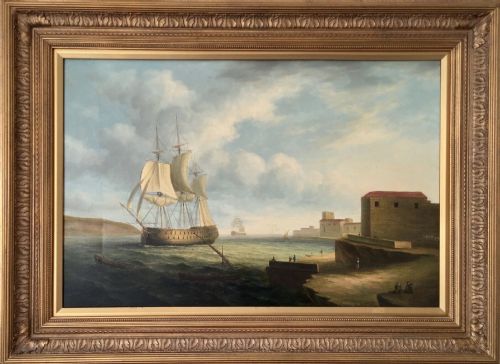
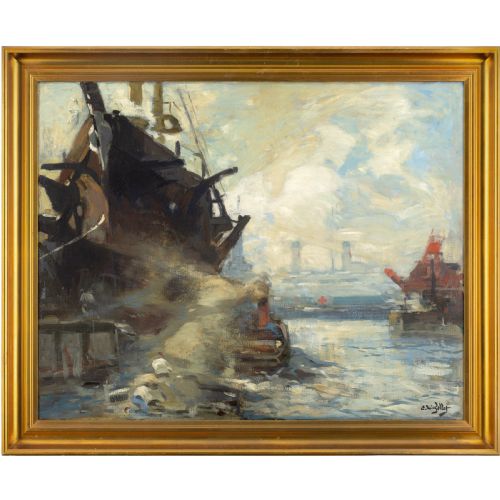
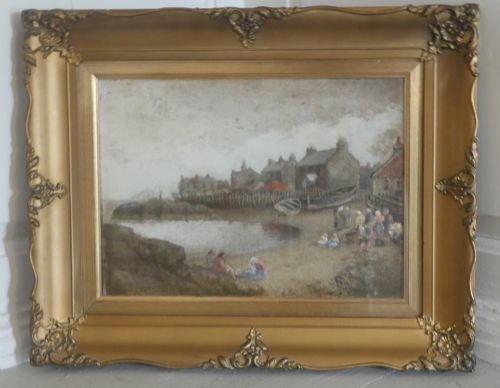
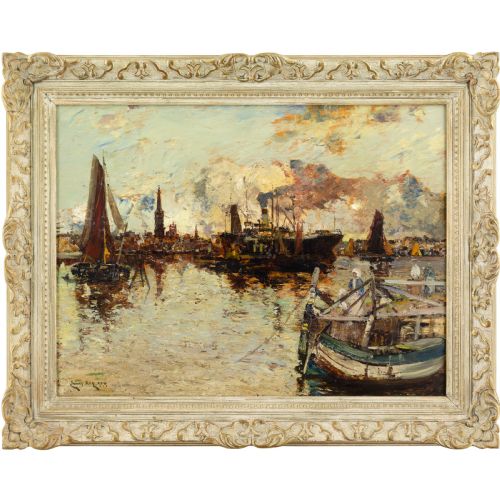
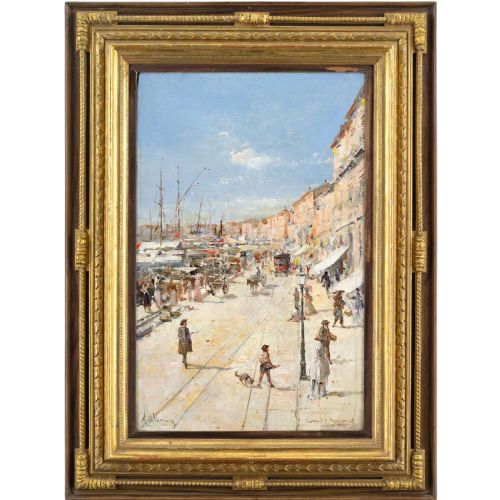
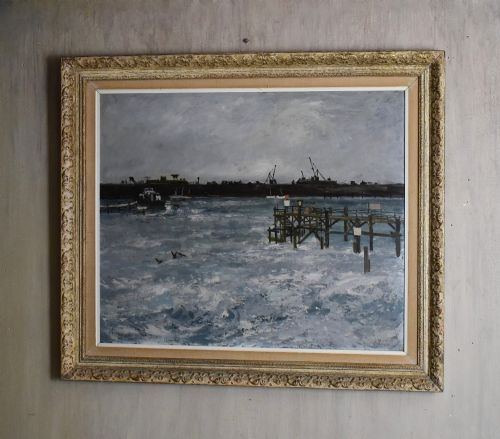
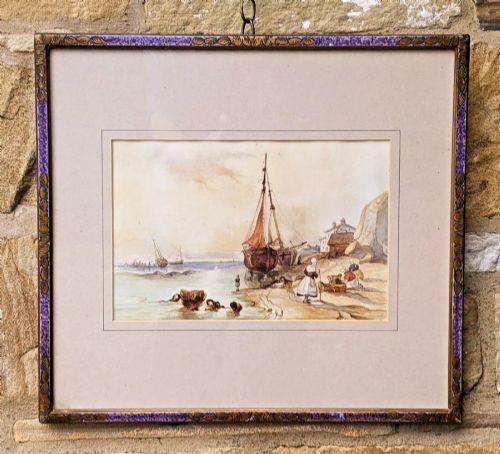
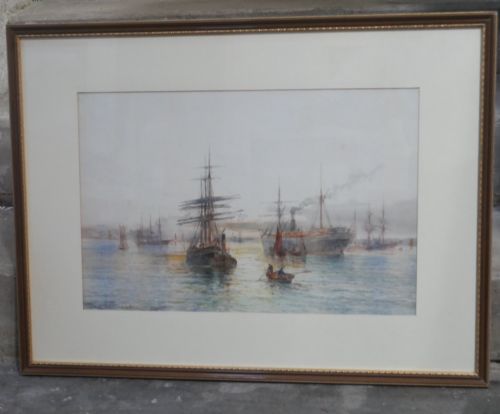
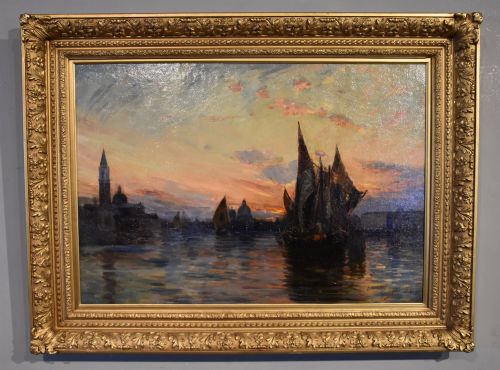
When you search for gilt framed harbour artwork, you encounter maritime scenes depicting ports, ships, and coastal towns housed within gilded surrounds. These pieces range from 19th century seascapes to mid 20th century impressions, reflecting diverse European and British coastal locations.
The selections on this page lean heavily towards oil paintings on canvas or panel and watercolours, capturing locations such as St Ives, Rotterdam, and the River Thames. Such works document historical maritime activity, trading vessels, and local fishing fleets in traditional settings.
Buyers meet works spanning Victorian marine art to Post-Impressionism, often signed by listed artists or attributed to specific regional schools. The common thread across these objects is the marine subject matter paired with a period gilt frame.
How They Were Made
Painters used oil paint and watercolour on supports such as canvas, paper, panel, and board to build these coastal scenes. Brushwork varies from tight Victorian detail to looser Impressionist application of pigment.
Frames are constructed from wood, finished with gold leaf or gilt layers to create the characteristic metallic sheen around the painting. Mouldings often incorporate gesso ornament to achieve decorative relief patterns.
Among the bustling merchant ships and quiet fishing boats, a stray dog portrait sneaks into the maritime lineup.
What Varies in Quality
The skill of the brushwork and the precision of perspective in depicting vessels and architecture separate standard topographical records from accomplished artistic expressions. Master painters handle light, water movement, and atmospheric haze with greater subtlety.
Frame construction and originality also define the piece, as period frames matching the age of the canvas hold more integrity than later replacements. The richness of the gilding and the preservation of the underlying gesso ornamentation contribute to the overall visual impact.
James Hardy·Eugène-Louis Gillot·Edward Mills·William Banks Fortescue·James Kay·Augusto Alberici·Peter Brannan·Thomas Creswick·Willem Bos·Charles Euphraisie Kuasseg·Thomas Hodgson Liddell·Charles William Wyllie·William Edward Webb·George Turland Goosey·Adrian Van Porten·Claude Lorrain·William Tuck·Fred Waugh·T.S. Wallis·John Bell·Sir Edwin Landseer·Antonio Godoy·Edward Henry Holder
The Gilt Framed Harbour Artwork Glossary
- Gilt
- Covered thinly with gold leaf or gold paint. This finish provides the characteristic reflective border that enhances the colours within the marine painting.
- Seascape
- A type of artwork depicting the sea, ships, or coastal views. These subjects formed a major category of 19th and early 20th century fine art.
- Panel
- A flat piece of wood used as a support for painting instead of canvas. Artists frequently utilised wooden panels for smaller, detailed coastal works.
- Impressionism
- An art style characterised by relatively small, thin yet visible brush strokes and an open composition. Works in this style focus on accurate depiction of light in changing qualities.
- Watercolour
- Paint consisting of water-soluble pigments used with water on paper. Artists employed this medium for transparent, luminous harbour studies.
Gilt Framed Harbour Artwork: Frequently Asked Questions
What periods do these artworks cover?
The listings span from the mid 18th century through the Victorian era and into the mid 20th century.
You will find works reflecting 19th century maritime traditions alongside Edwardian and later Impressionist interpretations.
Are the frames original to the paintings?
Many pieces retain their period gilt wood frames, which complement the age of the canvas.
Matching the frame style to the painting period helps confirm the historical context of the artwork.
Where do these harbour scenes originate?
The collection includes depictions of British ports like St Ives and Whitby, alongside European locations such as Venice, Antwerp, and Rotterdam.
Artists travelled extensively to capture local shipping, fishing boats, and coastal architecture.
What mediums were used for these pieces?
Oil paint on canvas or panel forms the majority of the works, supplemented by watercolours and pastel drawings on paper.
Each medium offers a distinct texture, from the heavy impasto of oil to the delicate transparency of watercolour.