
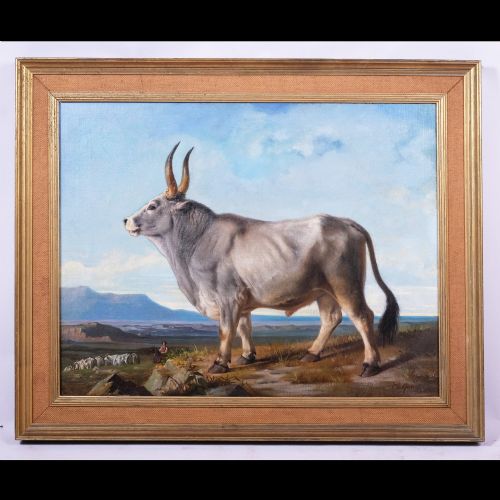
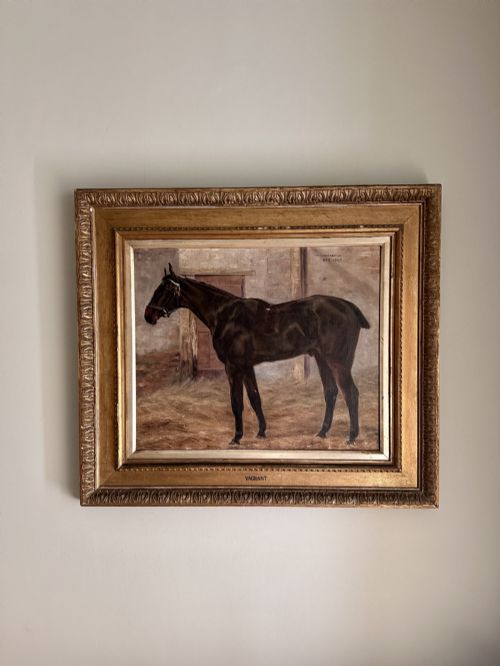
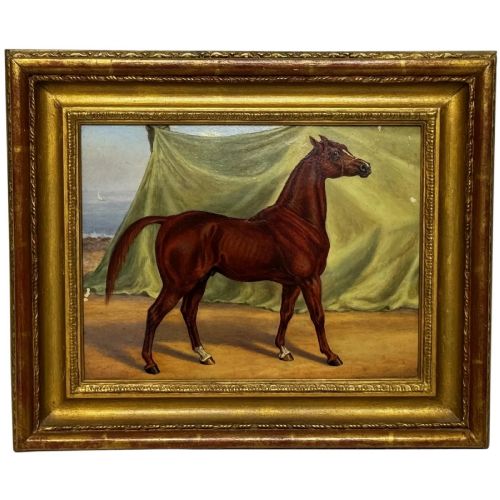
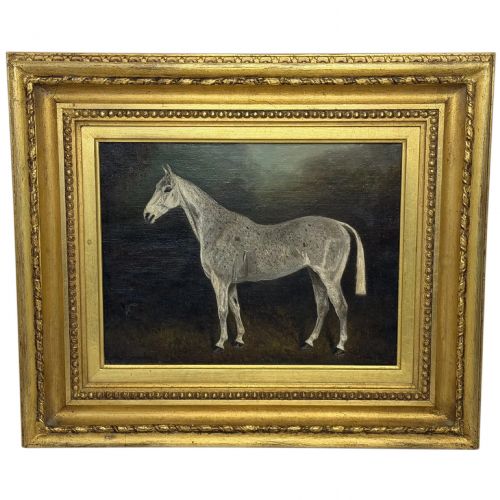
Gilt Framed Animal Portrait
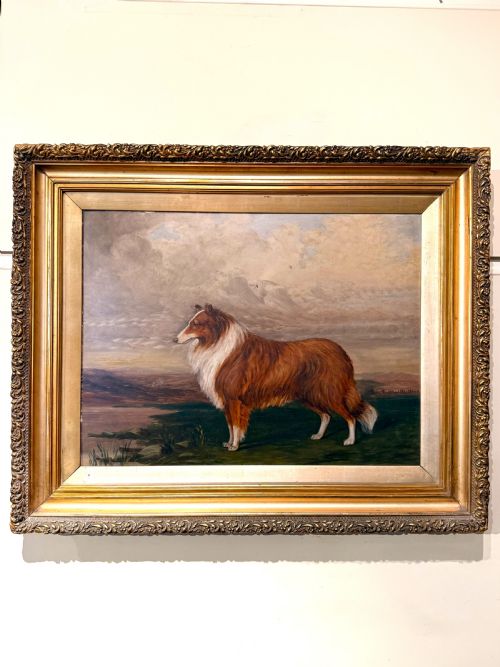
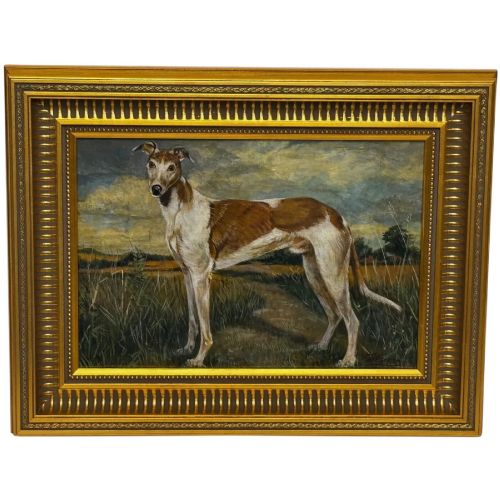
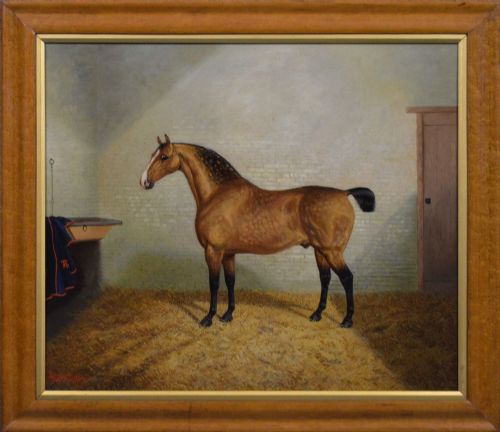
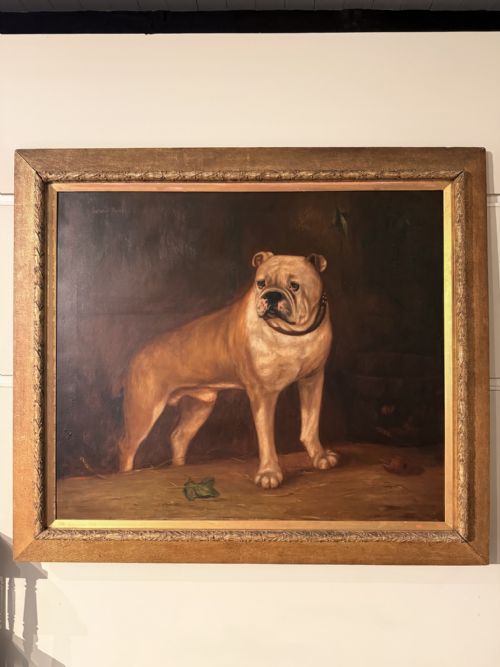
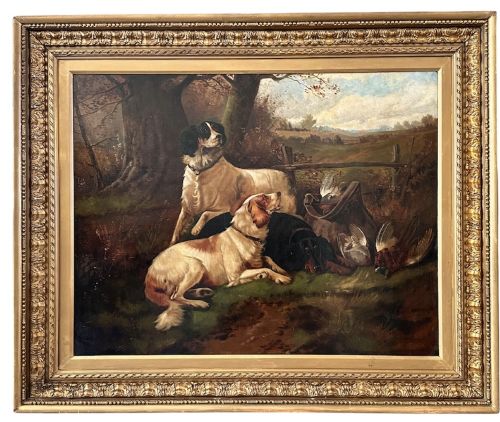
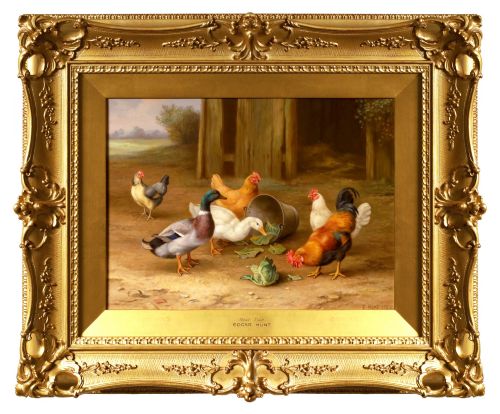
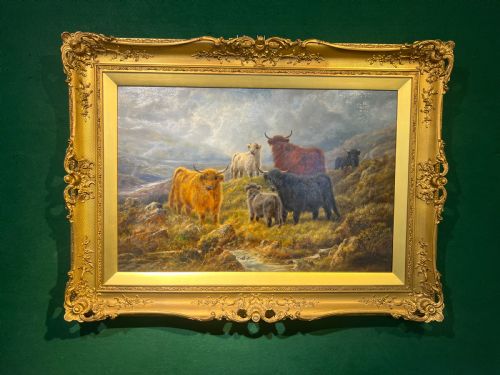
When you search for a gilt framed animal portrait, you are looking at works that capture horses, hounds and livestock within period surrounds.
Gilt Framed Animal Portrait
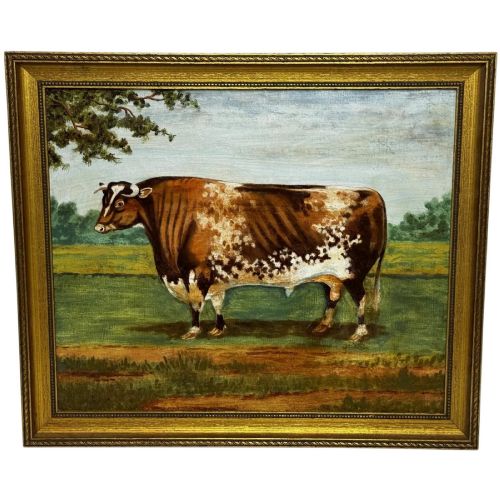
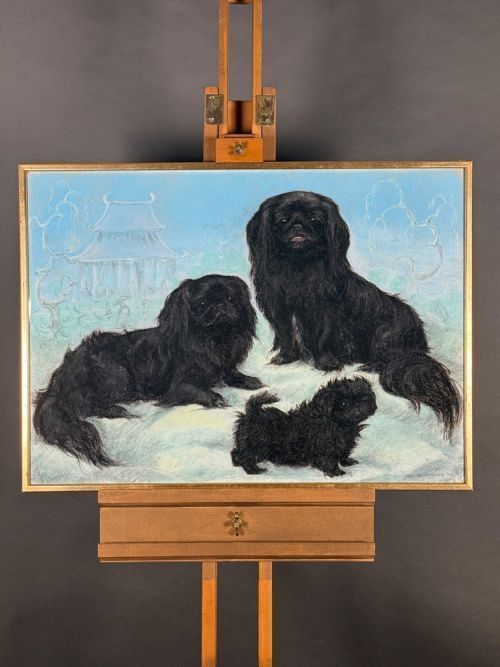
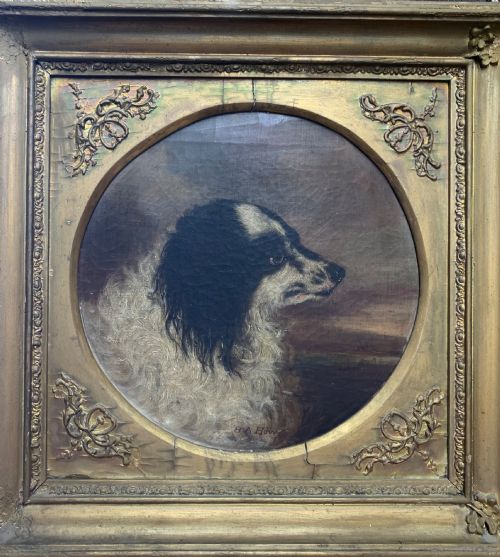
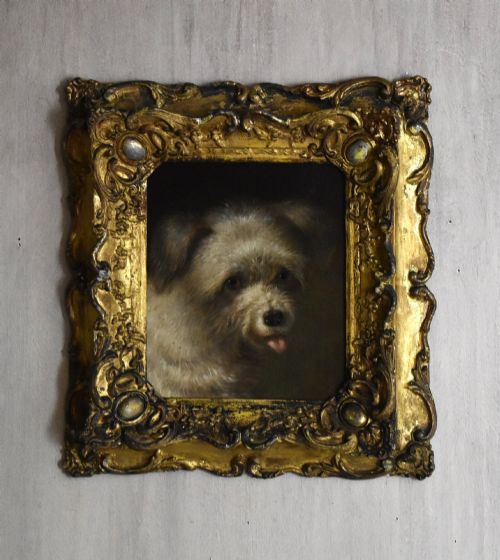
A gilt framed animal portrait captures domestic and working creatures, from prized shorthorn bulls and working lurchers to thoroughbred horses and spaniels, rendered with careful observation. These works frequently emerge from the nineteenth century and the early decades of the twentieth century, reflecting a period when equine and canine subjects held high status in British and European homes.
Most pieces you encounter on this page take the form of oil paintings on canvas or board, complemented by nineteenth-century moulding and leaf. The subjects range from individual canine studies to rural scenes with cattle and sheep, maintaining a traditional realism that prioritises the exact anatomy and character of the animal.
Materials and construction
The foundation of these works relies upon oil paint applied to stretched canvas, wooden board or occasionally paper, capturing fine details in fur, hide and expression. Artists used layered pigments to build depth and texture, allowing the natural light of the room to animate the subject.
Surrounding these canvases are period surrounds fashioned from wood, finished with gold leaf or gilt wood, which provide a warm boundary that complements the rich tones of the oil painting. The joinery and moulding of the frames follow traditional joinery techniques appropriate to the Victorian era and adjacent periods.
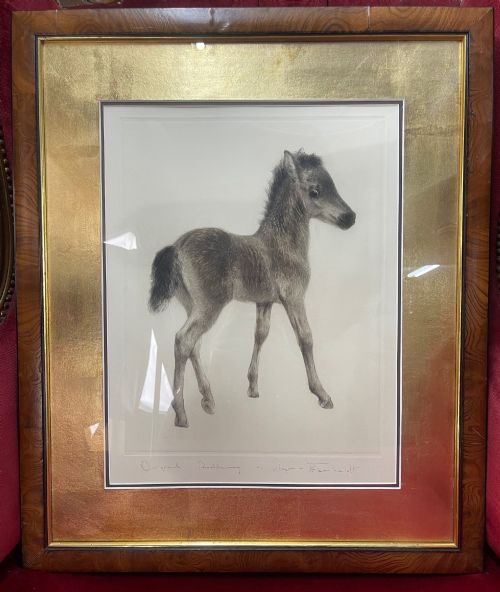
Listings feature oil paintings on canvas and board alongside drawings and prints from the nineteenth and early twentieth centuries.
Distinguishing the works
The distinction between standard works and finer examples lies in the precision of the animal's anatomy, the expressive depth in the eye and the natural integration of the subject within its landscape. Skilled artists capture the specific musculature of a horse or the exact texture of a dog coat with anatomical accuracy rather than generic rendering.
The quality of the surround also differentiates the piece, with original gilt wood mouldings that retain their depth and original leaf displaying greater harmony with the painting than later replacements. The handling of light and background detail further separates mass-produced decorative pieces from accomplished fine art.
Kurt Meyer-Eberhardt·Albert Clark·Martin Theodore Ward·John Sargent Noble·Edgar Hunt·Fred Fitzpatrick·Alfred Arthur Brunel de Neuville·John Emms·LM Webb·Arthur Wardle·William Henry Mander·Thomas Sidney Cooper·E H Windred·William Barraud·Sir Edwin Landseer·Colin Graeme Roe·Valentine Thomas Garland·Agnes Augusta Talboys·John Trivett Nettleship·Samuel Spode
The Gilt Framed Animal Portrait Glossary
- Giltwood
- Wood that has been coated with a thin layer of gold leaf or metallic powder to create a bright, reflective surface. This finish is typical of nineteenth-century framing.
- Oil on Canvas
- Pigment mixed with drying oil, applied to a woven fabric stretched across a wooden frame. It provides a flexible and durable medium for detailed portraiture.
- Sporting Art
- A genre of painting dedicated to horses, hounds, shooting dogs and rural pursuits. These works record prized animals and field sports.
- Traditional Realism
- An artistic approach focused on depicting subjects with visual accuracy, avoiding stylisation. In animal portraits, this ensures correct proportions and lifelike textures.
Gilt Framed Animal Portrait: Frequently Asked Questions
What periods do these portraits come from?
The pieces span the nineteenth century and early decades of the twentieth century, reflecting the Victorian and Edwardian enthusiasm for animal painting.
During this time, artists recorded individual pets, working dogs and prize livestock with distinct regional styles.
How should I hang a gilt frame?
Ensure the wall fixings match the weight of the timber and plaster construction, as period surrounds can be heavy.
Keep them away from direct sunlight and damp walls to protect both the oil paint and the gilded surface.
What is the difference between canvas and board?
Canvas involves fabric stretched over a wooden frame, which offers slight give and a textured surface for the oil paint.
Board provides a rigid flat panel, often found in smaller nineteenth-century studies and sketches of animals.
How do I identify a Victorian sporting work?
Look for subjects involving horses, hounds, shooting dogs or livestock set within a natural British or European landscape.
These compositions emphasise the specific breed characteristics and the working partnership between animals and humans.