
Gilt Frame Sporting Art
Gilt frame sporting art brings the energy of the nineteenth-century field and stable directly onto the wall in heavy, shimmering surrounds.
Gilt Frame Sporting Art
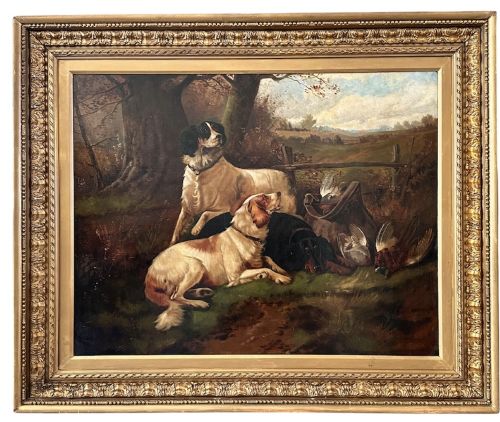
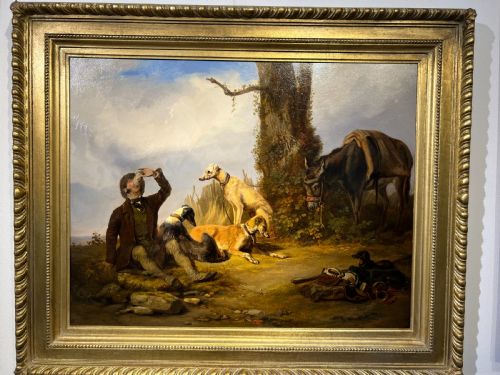
When you search for gilt frame sporting art, you encounter oil paintings, watercolours, and prints dedicated to horses, hounds, game birds, and country pursuits. These works record the pivotal animals and events of rural British life across the nineteenth and twentieth centuries.
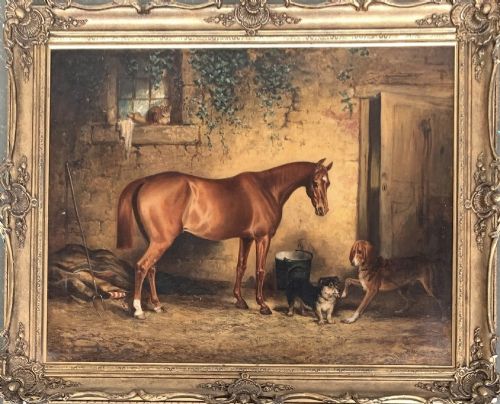
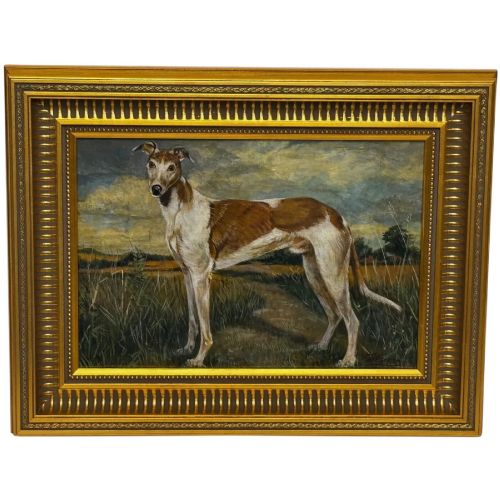
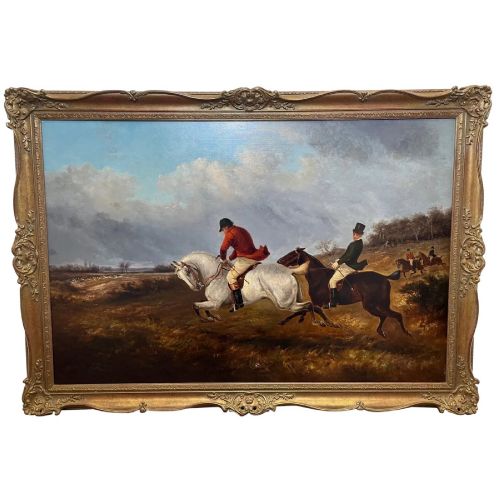
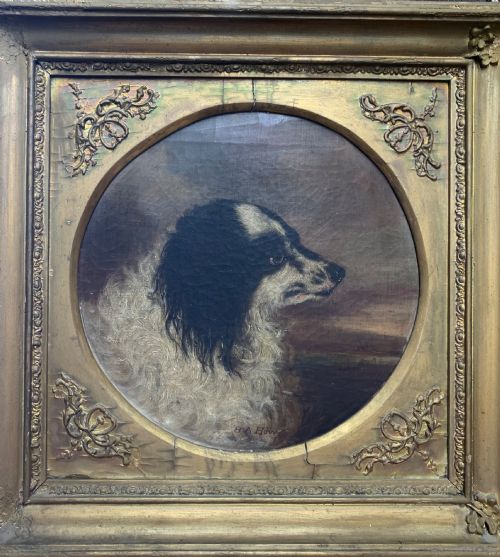
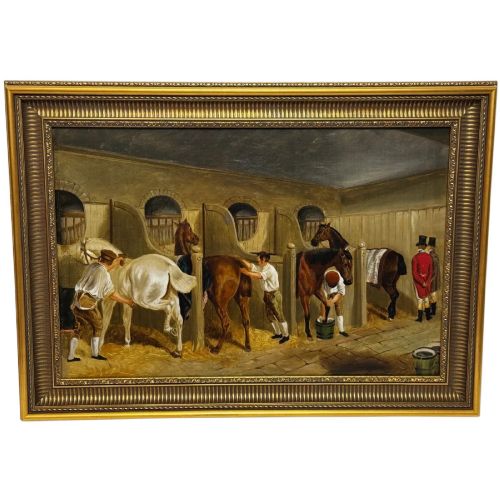
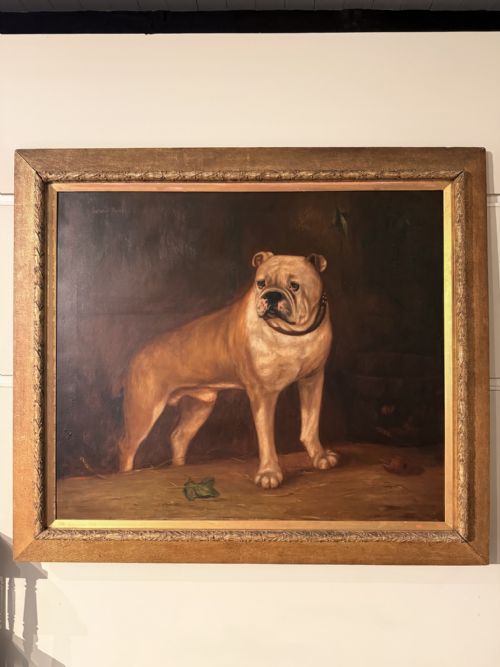
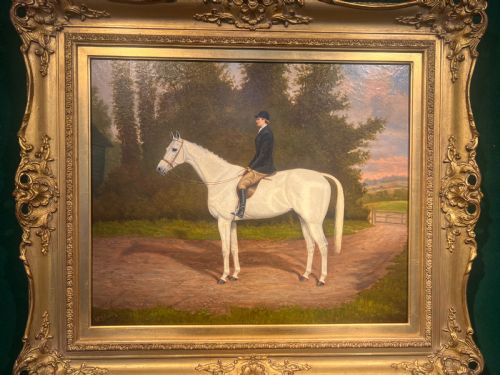
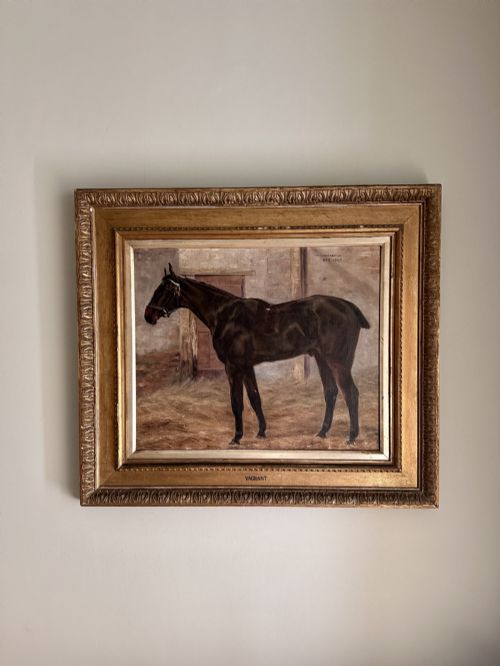
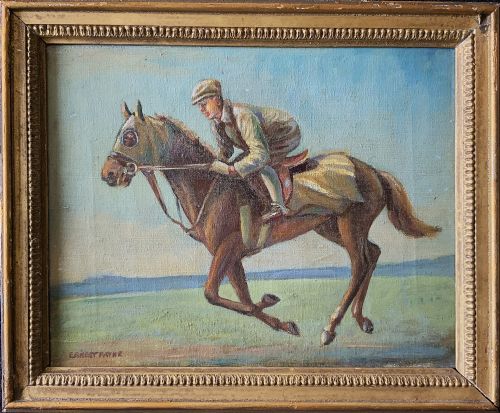
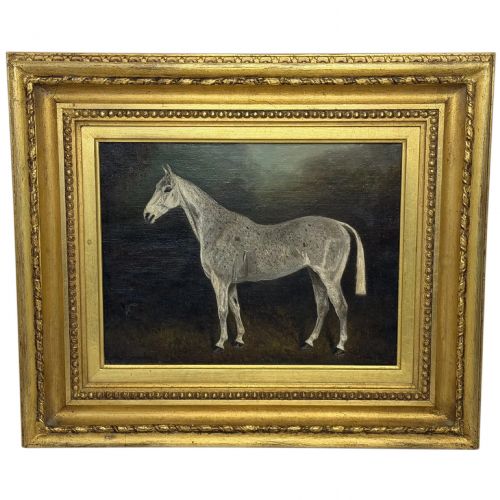
The version most commonly met on this page is the oil painting on canvas, housed within its original moulded wood and gold leaf frame. These pieces capture individual hunters, racehorses, and working dogs with careful attention to anatomy and expression.
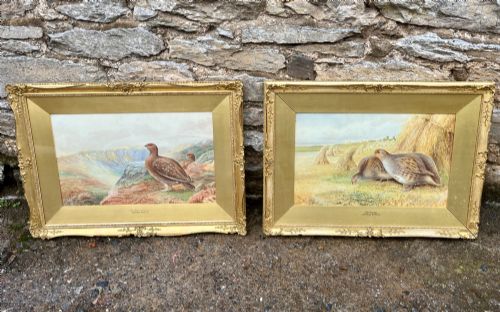
Works range from intimate watercolours of game birds to large-scale canvasses depicting fox hunts, coaching scenes, and racehorse portraits. Each item carries the visual language of Victorian and Edwardian sporting culture into contemporary interiors.
How they were made
Artists built these compositions using oil paint on stretched canvas or paper, applying thin glazes to render the glossy coats of horses and the textured fur of dogs. Watercolours and lithographs also appear, offering alternative graphic records of the field sports era.
The surrounds are constructed from wood, finished with layers of gold leaf or giltwood mouldings to catch the light around the image. These frames often match the period of the painting, utilising traditional gilding techniques to create deep, reflective borders.
Listings feature works spanning from the Georgian period through the nineteenth century, the Victorian era, and into the mid-twentieth century.
What varies in quality
Quality rests in the precision of the animal's anatomy and the artist's ability to render movement, whether a horse in mid-gallop or a hound alert in the landscape. Finer works display meticulous brushwork in the rendering of fur, harness leather, and facial expression.
The integrity of the frame also defines the piece, with original giltwood surrounds retaining their crisp moulding and deep leaf application rather than later replacements. The harmony between the artwork and its heavy gold border elevates the overall presence of the object.
Henry Barraud·George Armfield·Thomas Smythe·John Sargent Noble·Fred Fitzpatrick·Ernest Payne·George Rankin·Philip Rideout·John Frederick Herring Senior·John Emms·Benjamin Blake·Arthur Wardle·George Wright·Basil Nightingale·William Barraud
The Gilt Frame Sporting Art Glossary
- Giltwood
- Wood carved and covered with a thin layer of gold leaf or metal powder. This material forms the heavy, reflective borders characteristic of nineteenth-century picture frames.
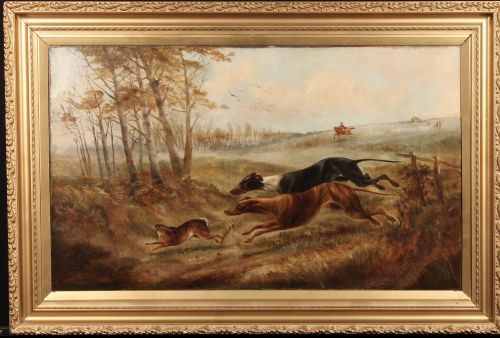
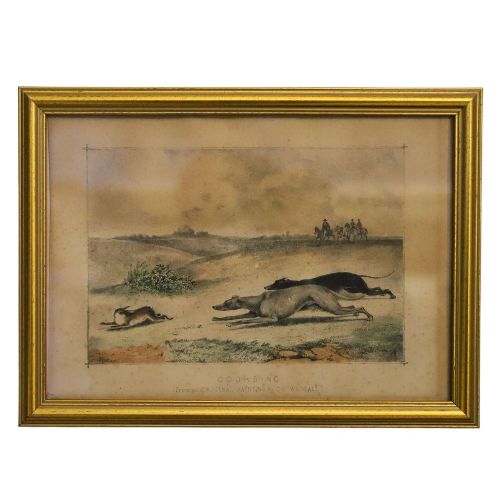
- Hare coursing
- The competitive sport of hunting hares with greyhounds or other sighthounds. This pursuit appears frequently as a subject in early nineteenth-century prints and paintings.
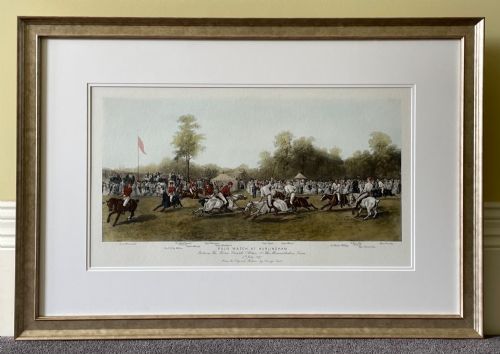
- Lithograph
- A print made from a flat stone or metal plate treated to retain ink only in desired areas. This technique allowed popular sporting scenes to be reproduced widely during the Victorian era.
- Equine portrait
- A painting or drawing focused specifically on the likeness of a horse, often commissioned by owners to record a prize racehorse or hunter.
- Fox hunting
- A traditional mounted chase of a fox using a pack of hounds. This activity dominates the narrative subjects found across Victorian and Edwardian sporting canvasses.
Gilt Frame Sporting Art: Frequently Asked Questions
How do I date a sporting painting?
Dating relies on the style of the clothing, the cut of the horse's mane, and the construction of the wooden frame. Details recorded in the titles, such as specific race winners or known artist working dates, provide reliable chronological anchors.
Signatures, exhibition labels, and stencils on the reverse of the canvas also help pinpoint the decade of creation. Comparing the subject matter to known sporting events of the nineteenth and twentieth centuries narrows the window further.
Where should I hang a large gilt framed artwork?
These substantial pieces require a wall with enough physical space to support their visual weight and heavy gold surrounds. Placing them away from direct sunlight protects the oil pigments and the delicate leaf of the frame.
They sit comfortably in studies, dining rooms, or above mantelpieces where traditional country house aesthetics apply. Ensure the hanging fixings are rated for the combined weight of the canvas and the solid wood frame.
What is the difference between an oil painting and a lithograph here?
Oil paintings are unique works created by hand with pigmented paint on canvas, showing visible brushstrokes and rich texture. Lithographs are printed reproductions on paper, designed to distribute popular sporting imagery more widely.
While both feature gilt frames, oils represent original primary art, whereas lithographs function as period prints of the same subjects.
How do I care for antique gilt frames?
Dust the mouldings gently with a soft, dry brush to prevent accumulation in the crevices of the carved decoration. Avoid all moisture and chemical cleaners, which can strip or dull the gold leaf.
Stable room temperatures prevent the underlying wood from warping and protect the gesso from cracking over time.