



Gilt Frame Fine Art
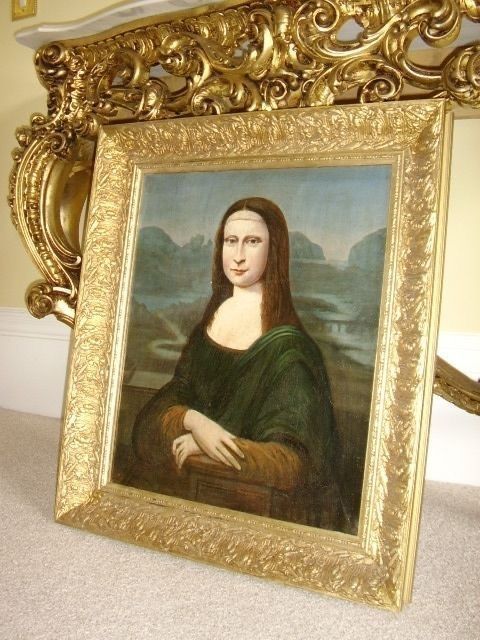
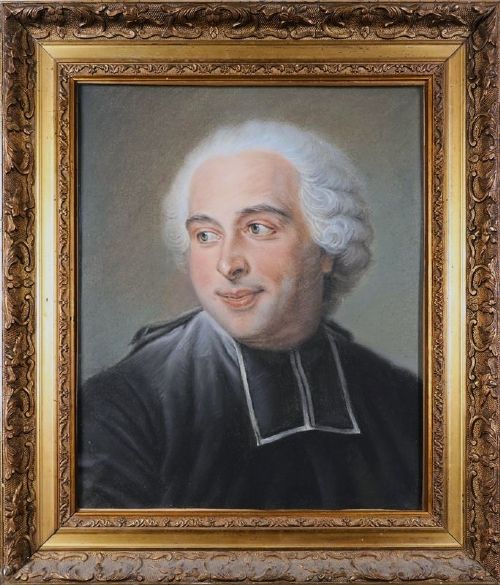
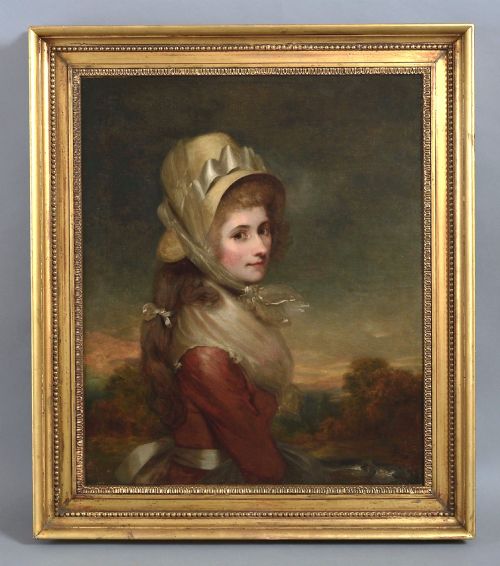
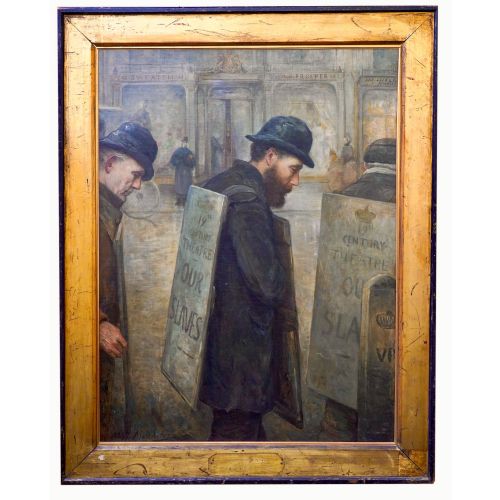
Selecting gilt frame fine art brings centuries of portraiture and landscape into a room within ornamented wooden surrounds.
Gilt Frame Fine Art
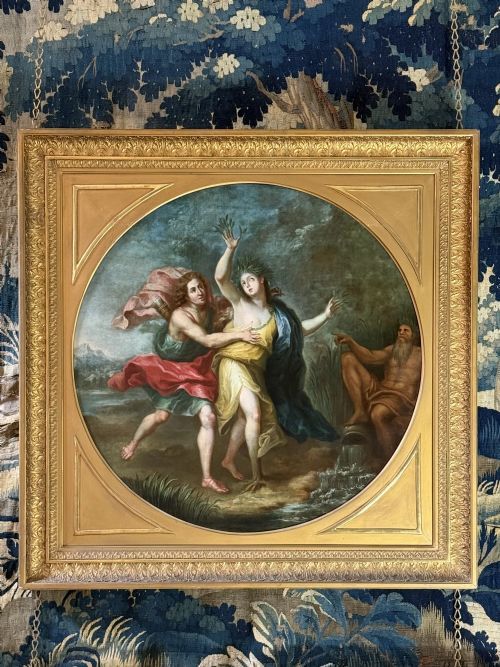
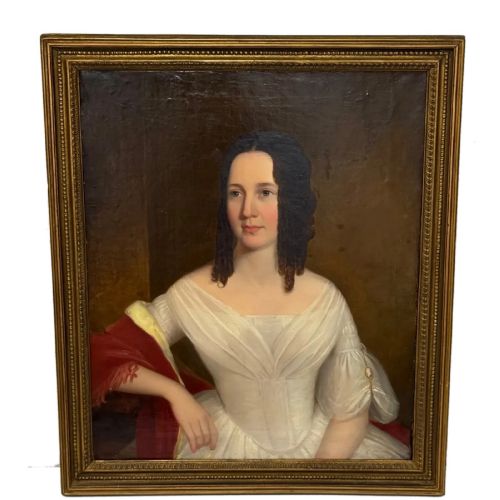
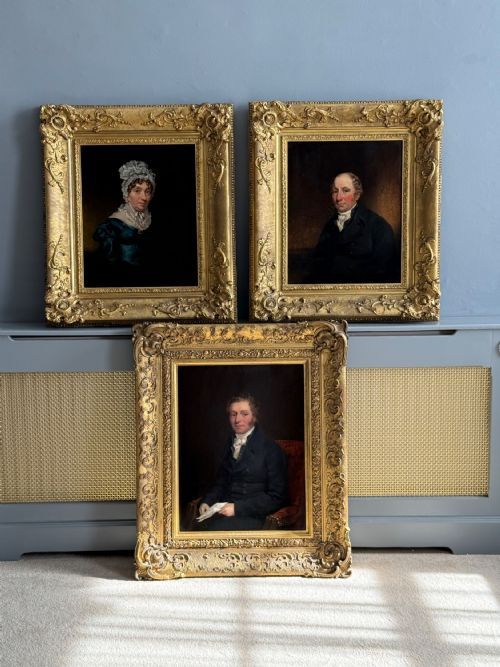
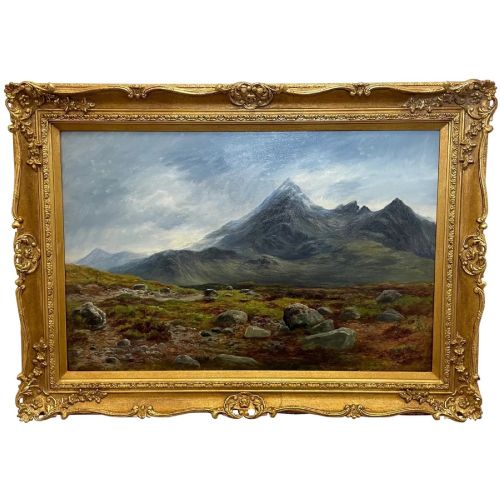
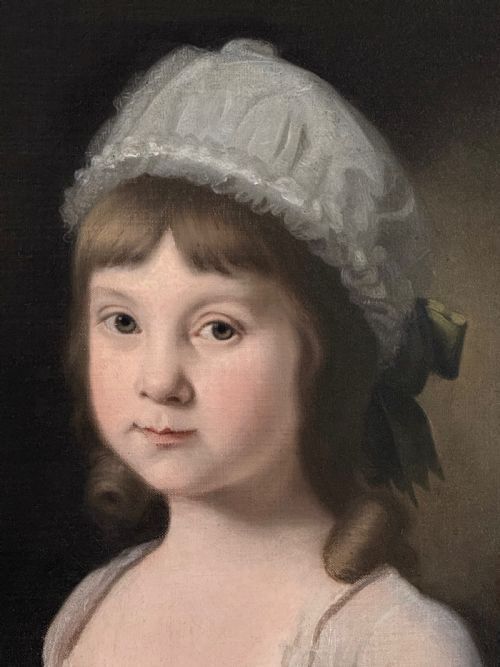
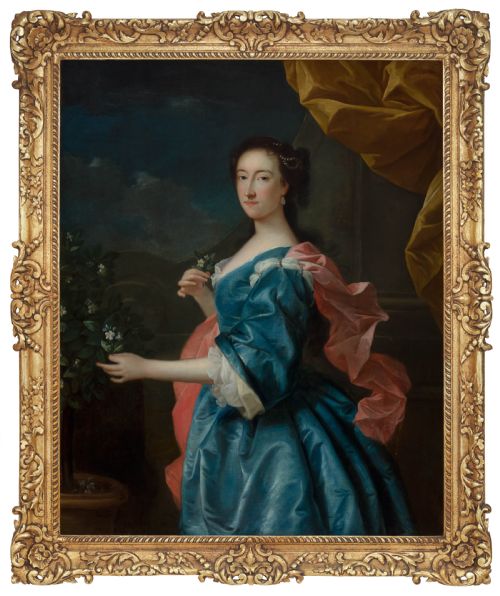
A buyer seeking gilt frame fine art encounters oil paintings, pastel drawings, and portrait miniatures originating from the seventeenth century through to the twentieth century. These works encompass formal portraits of nobility, pastoral landscapes, and intimate domestic scenes housed within period enclosures.
The objects available span distinct eras including the Georgian, Regency, and Victorian periods alongside French Rococo and Baroque styles. Portraits dominate the selection, ranging from seventeenth-century depictions in armour to nineteenth-century social history works.
Many items reflect the influence of major European art movements, featuring original canvases, panels, and boards secured within decorative wooden housings. Collectors select these pieces to display historical subjects and traditional techniques within domestic interiors.
Materials and Construction
Works are predominantly executed in oil on canvas, wood panel, or board, utilising traditional pigments applied by brush. Pastel on paper and portrait miniatures on specialised supports also appear among the listed works.
Enclosing surrounds are constructed from wood, giltwood, and gesso, often embellished with cast plaster ornamentation. Gold leaf is applied to the wooden moulding to provide a reflective metallic finish.
Frames are frequently carved by hand or moulded in plaster to create swept decorative patterns that complement the period aesthetic of the paintings they contain.
Canine subjects make a charming appearance, including a study of three black Pekingese dogs drawn in pastel.
Variations in Quality
The execution of the enclosing surround contributes significantly to the overall merit, with hand-carved wooden mouldings and detailed plaster cast ornamentation representing superior craftsmanship compared to simpler profiles.
The integrity of the original surface, the preservation of the paint layer, and the harmonious pairing of the artwork with its period frame determine the standing of an individual piece within the field.
Charles Antoine Coypel·Jean Baptiste Van Loo·Sir Joshua Reynolds·Sir Anthony van Dyck·Sir Peter Lely
The Gilt Frame Fine Art Glossary
- Giltwood
- Wood that has been coated with gold leaf or gilt. This material forms the structural base for many decorative antique surrounds.
- Gesso
- A plaster mixture applied to wood mouldings as a smooth base before gilding. It allows craftsmen to carve intricate relief patterns.
- Oil on Canvas
- Pigment mixed with drying oil applied to a stretched woven fabric support. This technique permits subtle blending of tone and colour.
- Portrait Miniature
- A small, highly detailed painting executed on a small scale. These intimate works frequently depict identifiable historical sitters.
- Pastel on Paper
- A dry medium composed of powdered pigment and a binder applied directly to a paper surface. It offers a soft matte texture favoured in eighteenth-century portraiture.
Gilt Frame Fine Art: Frequently Asked Questions
What periods do these paintings represent?
The selections span from the seventeenth century through the Victorian era and into the early twentieth century. Examples include seventeenth-century aristocratic portraits and nineteenth-century landscapes.
Each era brings distinct clothing styles, painting techniques, and framing fashions that help identify the date of creation.
How do I identify the framing style?
Surrounds feature materials like giltwood, carved wood, and moulded plaster with applied gold leaf. Decorative elements range from simple Regency profiles to elaborate Victorian swept plaster cast designs.
The ornamentation often reflects the artistic conventions of the period in which the artwork was produced.
What subjects are most common?
Human subjects dominate the selection, including formal aristocratic portraits, military figures in armour, and children. Landscapes, seascapes, and still life arrangements of fruit also appear.
Many works include historical attributions or follow the composition of earlier master painters.