
Gilt Console Table
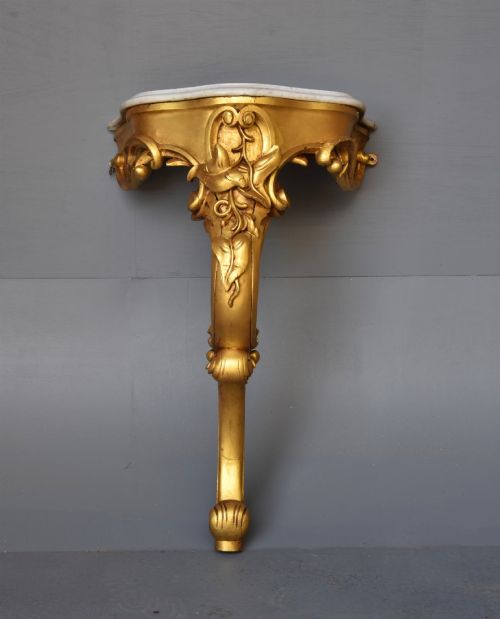
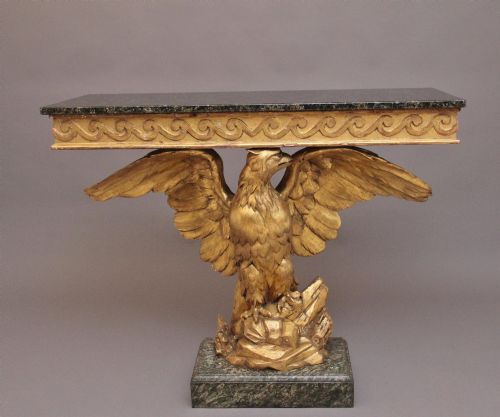
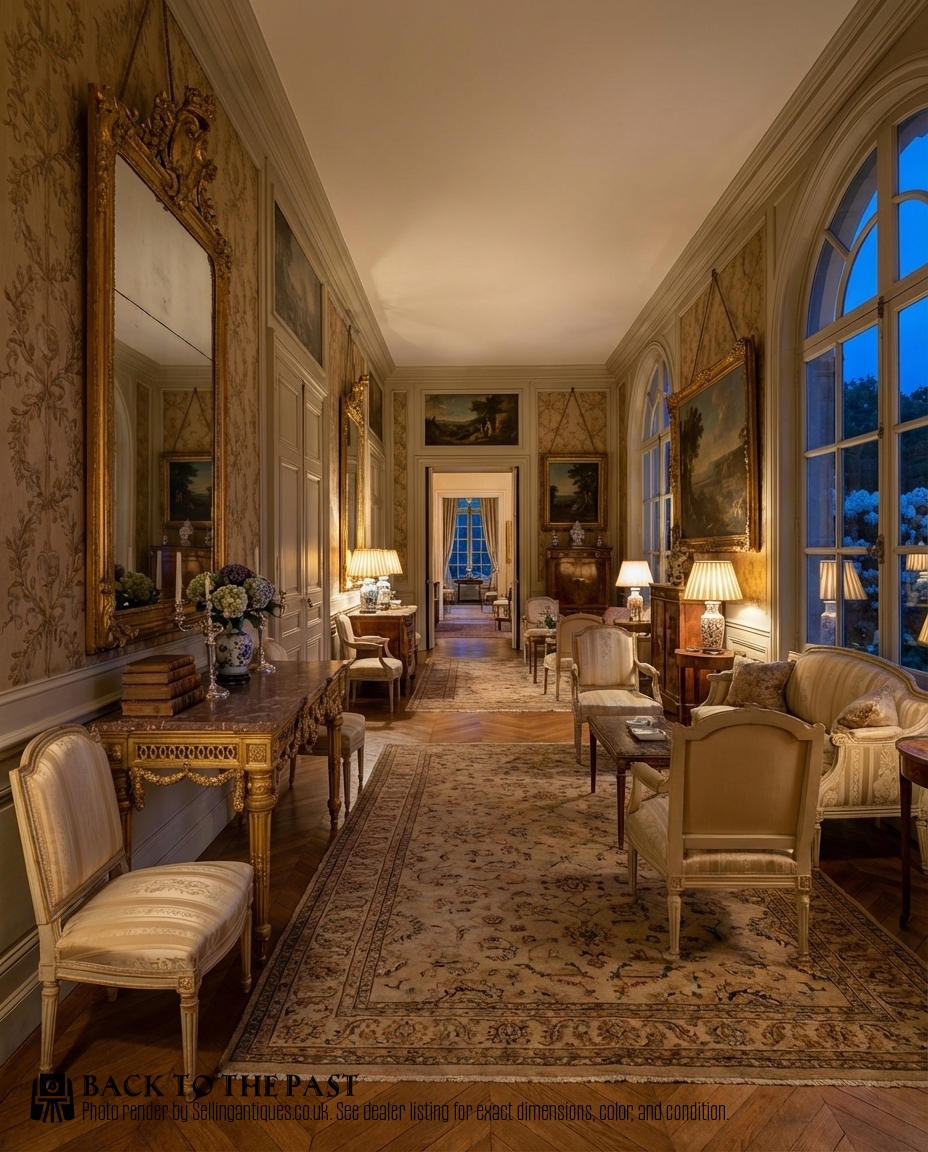
A gilt console table brings architectural presence to an interior through gilded carved wood and heavy marble tops.
Gilt Console Table
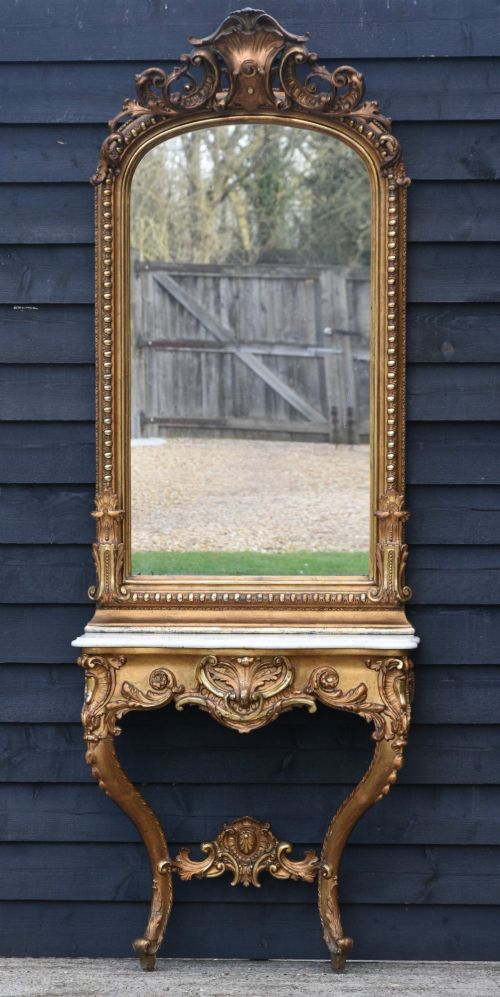
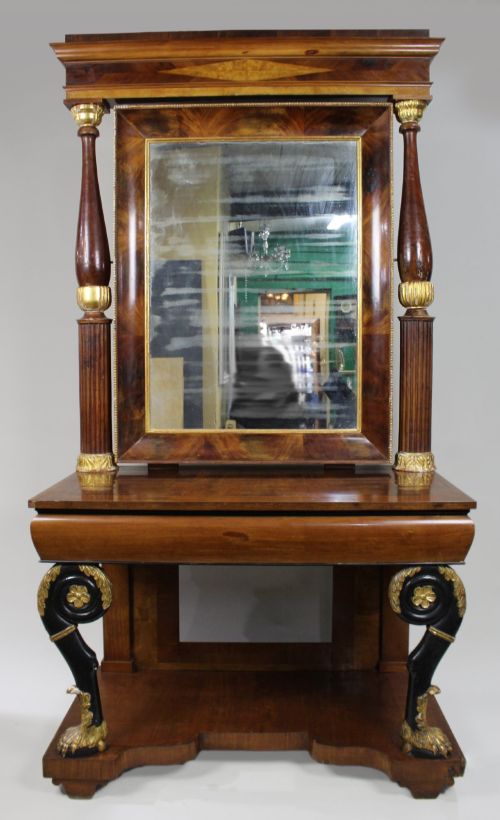
A gilt console table is a wall-fixed or standing decorative surface designed to sit flush against a wall, frequently accompanied by a matching pier mirror. When exploring this phrase, buyers encounter numerous eighteenth and nineteenth-century examples spanning Italian, French, and English workshops.
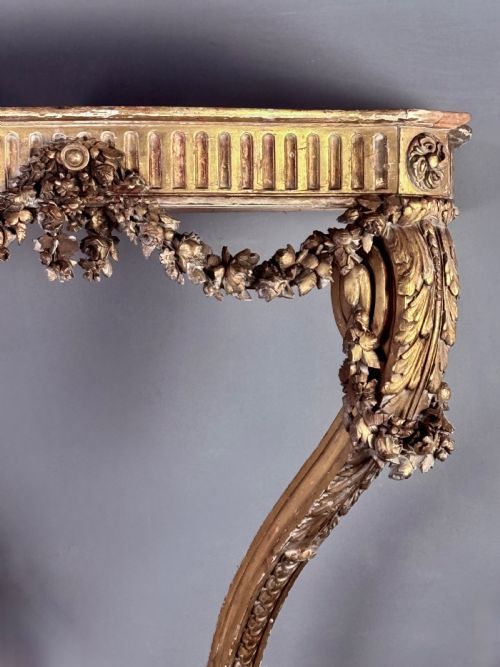
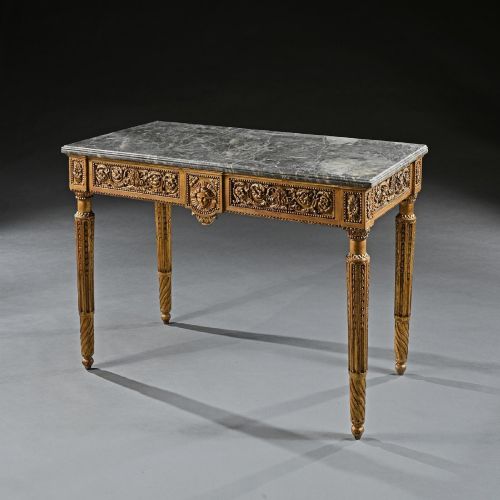
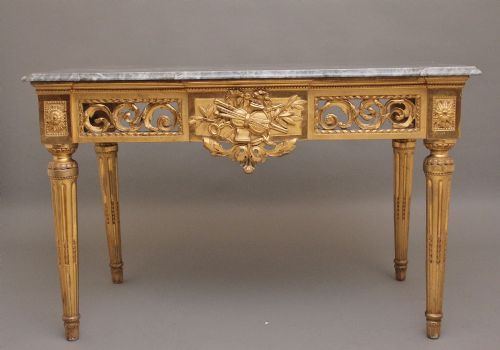
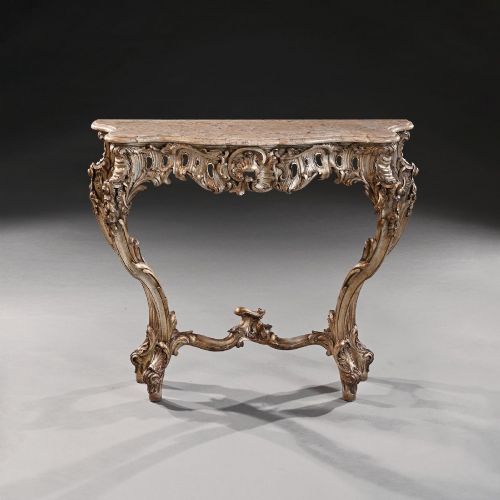
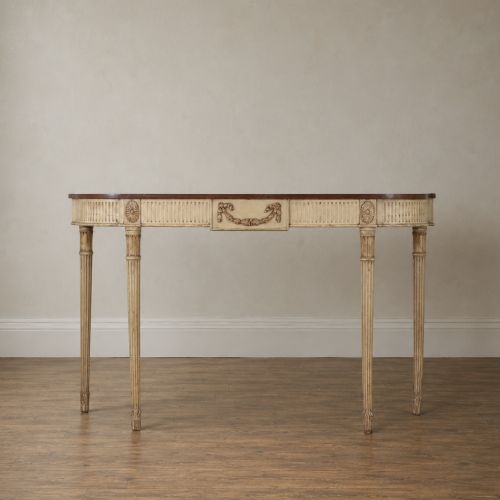
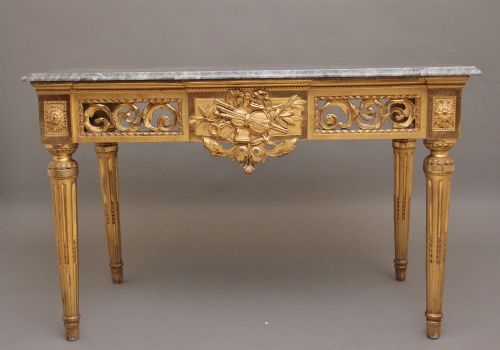
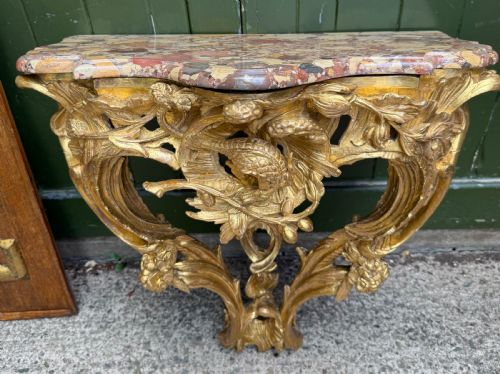
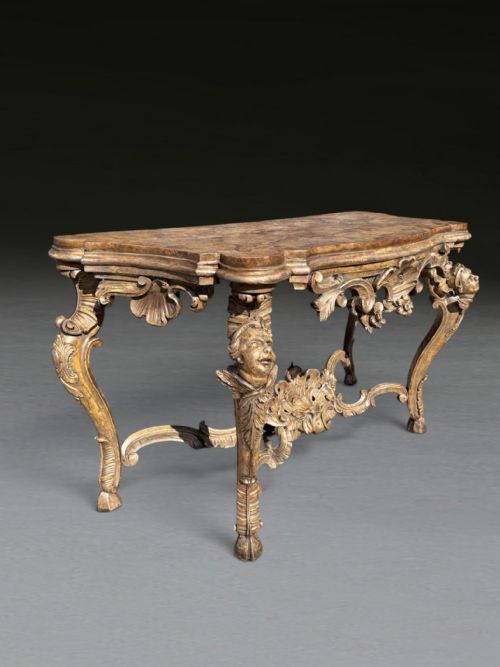
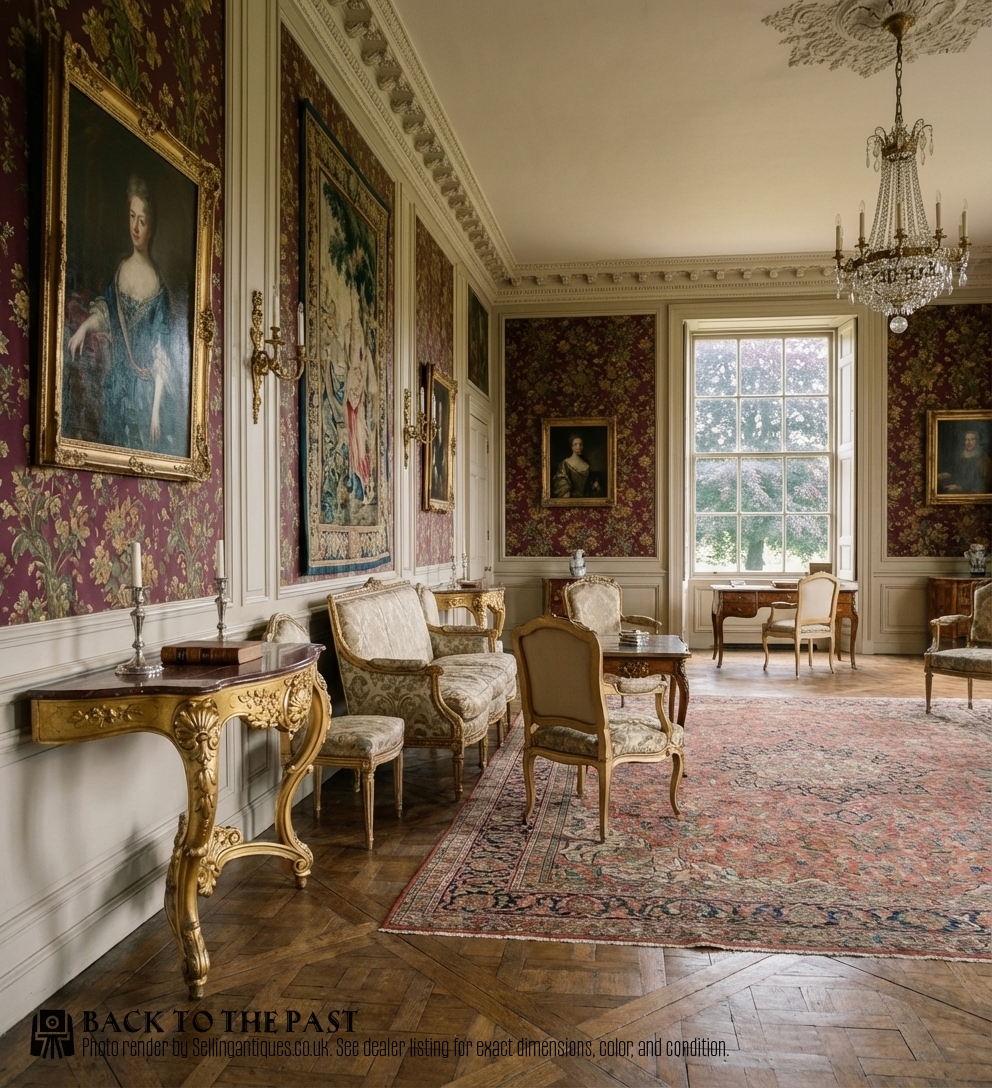
The dominant form on this page pairs a shaped or rectangular marble top with a richly carved wooden base coated in gold leaf or gesso. These pieces emerge in revival styles such as Louis XV, Louis XVI, and Rococo, alongside neoclassical iterations featuring straight fluted legs and symmetrical mounts.
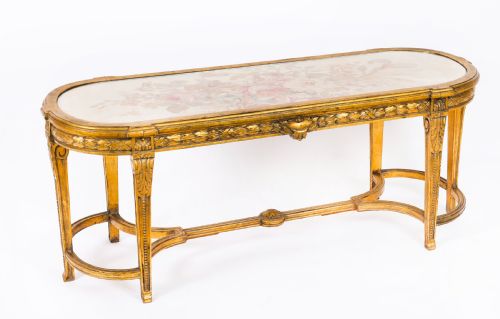
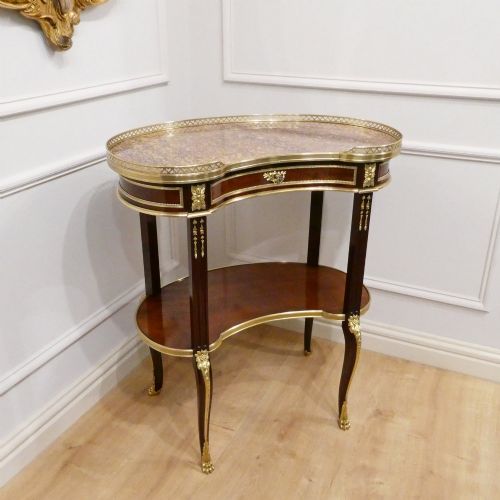
While primarily recorded as console tables, related forms in the inventory include side tables, pier tables, and demilune variations designed for hallways and drawing rooms. The scale ranges from small wall-mounted brackets to monumental pairs intended for grand reception spaces.
Materials and Construction Methods
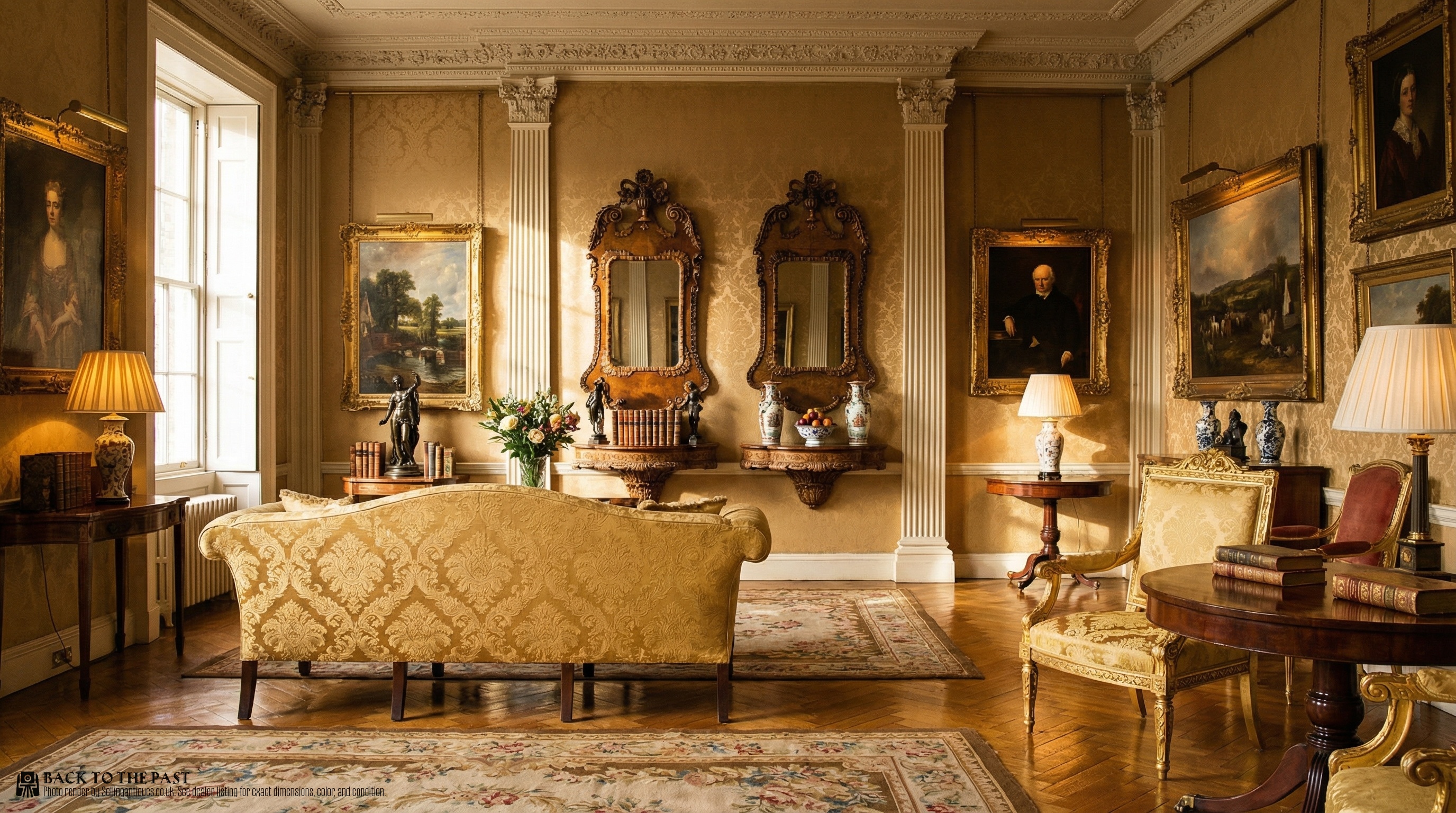
The structural framework relies predominantly on carved timber such as oak, pine, or mahogany, which receives a layer of gesso to create a smooth bed for gilding. Artisans applied thin sheets of gold leaf or silver gilt over this prepared surface, often burnishing portions to contrast matte finishes.
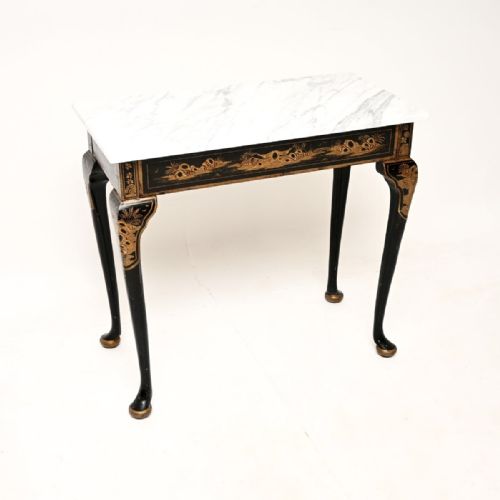
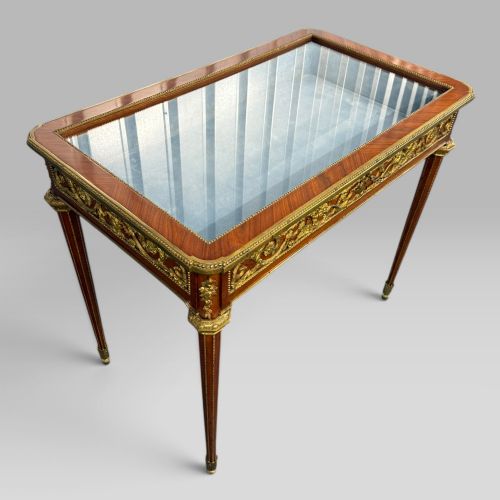
Heavy stone tops define the category, with listings recording figured marbles, breccia, and white varieties cut to follow serpentine or straight contours. Ormolu mounts, cast bronze, and brass details frequently accent the wood structures, particularly on pieces originating from French cabinet makers.
Gilt Console Table Retail Price Guide 2026
Typical asking prices for gilt console table among the pieces listed under this phrase on Sellingantiques today, from the lower quarter to the upper quarter. They describe what is for sale here now, not the wider market.
Neoclassical and Rococo revival styles dominate the decorative vocabulary of these tables.
Determinants of Quality
Depth and crispness of the wood carving distinguish superior examples from standard production, as master carvers achieved fluid asymmetry in rococo scrolls and sharp definition in neoclassical foliage. The quality of the gilding itself, visible in the layering and the preservation of the underlying gesso work, dictates visual impact.
The selection and thickness of the marble top also separate tiers of craftsmanship, with figured breccia or specifically shaped slabs indicating higher status. Attribution to known makers or documented workshops adds historical weight to the physical execution of the frame.
Maison Millet·François Linke·Felix Alfred Ternisien·Krieger Paris
The Gilt Console Table Glossary
- Giltwood
- Timber that has been coated with gold leaf over a prepared gesso base. This technique creates a luminous, reflective surface characteristic of formal antique furniture.
- Gesso
- A mixture of gypsum, chalk, and glue applied to wood to create a smooth surface for gilding and carving. It allows artisans to render intricate relief details before applying gold leaf.
- Ormolu
- Gilded bronze mounts and decorative elements applied to furniture. This French technique requires mercury gilding on cast bronze to achieve a rich golden finish.
- Demilune
- A half-moon or semicircular shape. Console tables built in this profile sit flush against a wall while projecting outward with curved perimeters.
- Pier Table
- A table designed to stand against the wall space between two windows, frequently placed beneath a matching vertical mirror. They share the structural format of standard console tables.
- Breccia Marble
- A multicoloured stone composed of angular fragments embedded in a fine-grained matrix. It appears frequently as the top surface on Italian and French gilt furniture.
Gilt Console Table: Frequently Asked Questions
Are gilt console tables freestanding?
Traditional console tables require physical support from a wall because their front legs alone cannot sustain the heavy marble top without tipping.
Many period examples include rear brackets or fixing points designed to secure the frame directly to architectural plaster.
How do I clean a marble top?
Polished stone surfaces tolerate warm water and mild neutral soap applied with a soft cloth. Acidic liquids like citrus or vinegar etch marble instantly and must be avoided.
Dry the surface thoroughly after washing to preserve the natural sheen of the stone.
What is parcel gilt?
Parcel gilding describes an object where only specific carved details, mouldings, or motifs receive a gold leaf finish while the base wood remains visible.
This technique creates contrast against painted timber, mahogany, or ebonised surfaces.
How can I identify a reproduction?
Examination of the construction joints, the backing timber, and the wear patterns on the gesso layer reveals the age of the piece. Hand-carved details and period-appropriate joinery distinguish eighteenth and nineteenth-century work from later manufacturing.
The ageing of the gold leaf and the natural patination of the underlying materials provide further clues to authenticity.