



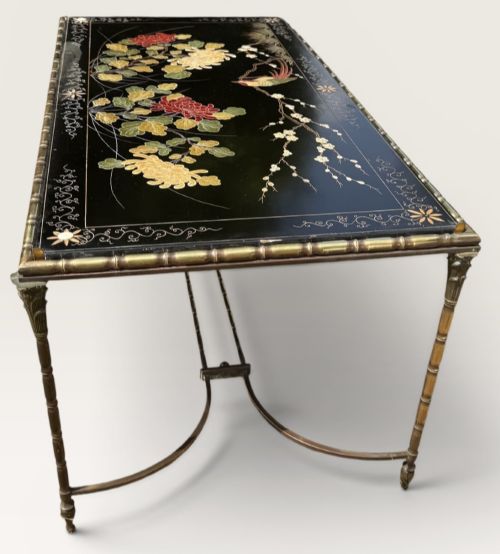

Gilt Coffee Table
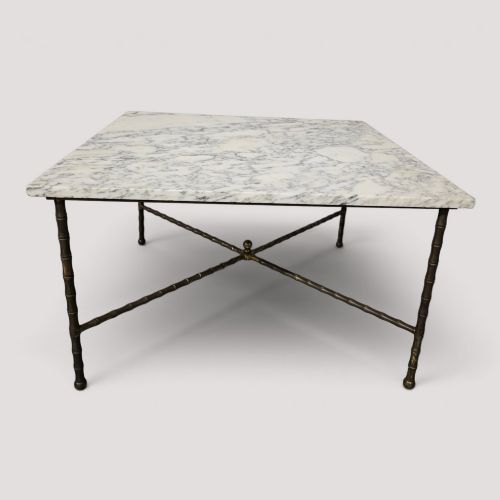
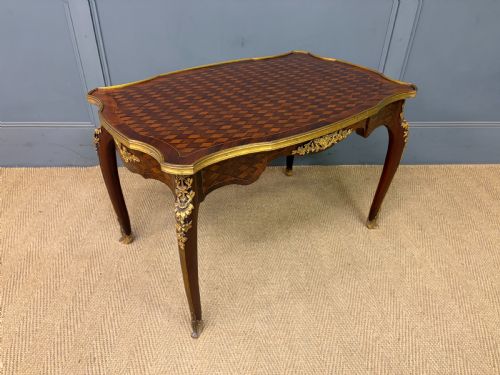
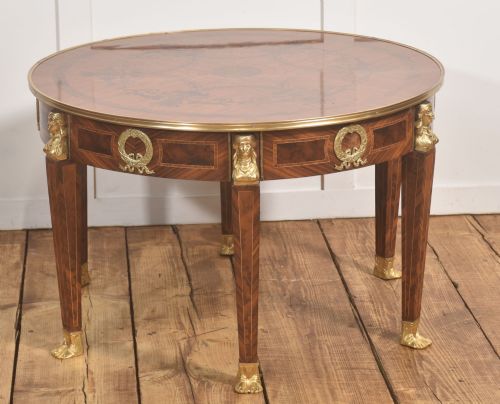
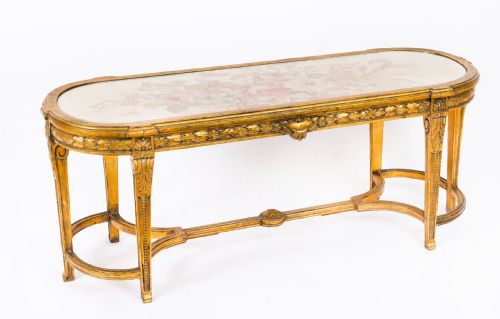
A gilt coffee table brings warmth and reflected light to a room through gilded wood, brass or ormolu mounts.
Gilt Coffee Table
A gilt coffee table brings decorative presence to a reception room through gilded wood, brass mounts or metallic paint finishes. When you search for a gilt coffee table, you encounter forms ranging from low French revival tables to English tray tables on stands.
The pieces appearing here span the nineteenth century through the mid twentieth century, with notable representation from Edwardian and 1920s workshops. Many examples adopt continental styling, specifically Louis XVI and Louis XV revival patterns, alongside Regency and Chinoiserie aesthetics.
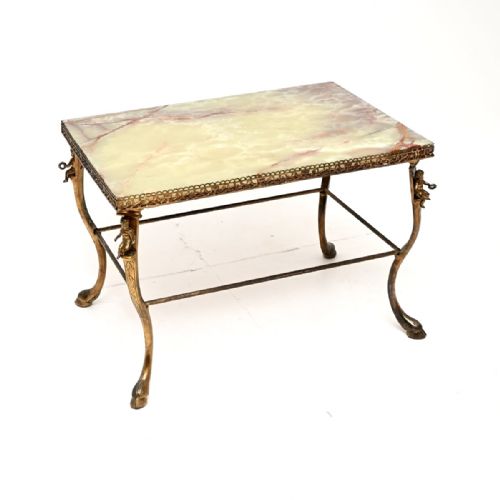
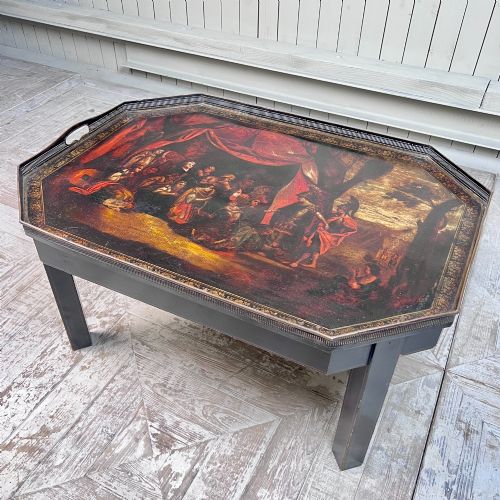
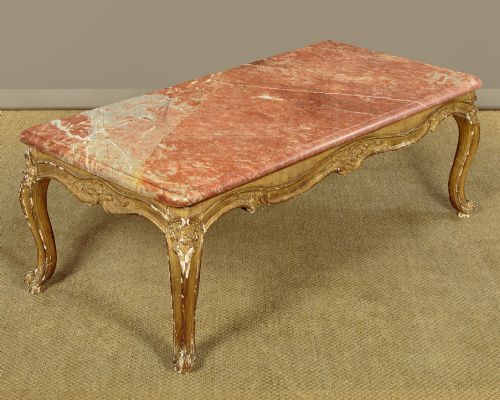
Tray tables and nesting tables provide adaptable surface space while maintaining a gilded or lacquered profile. These low tables frequently combine metal frames or wooden bases with inset marble, onyx or painted papier-mâché surfaces.
Materials and construction
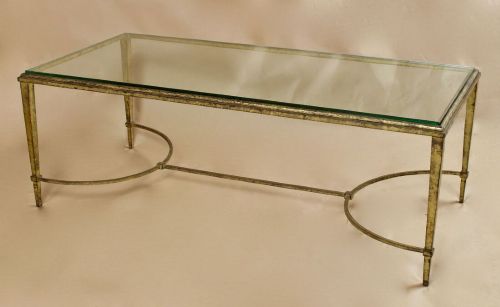
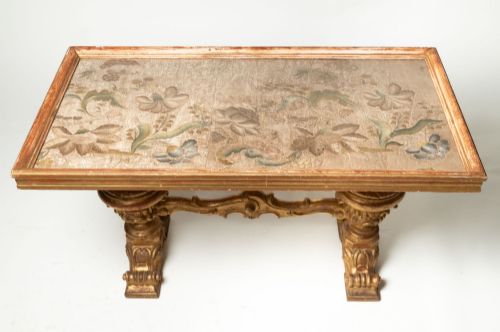
Giltwood, brass, ormolu and gold leaf provide the metallic character across these tables, often applied to underlying structures of walnut, kingwood or wrought iron. Gilding techniques involve the application of thin gold leaf or metallic paint to carved wooden frames and decorative mounts.
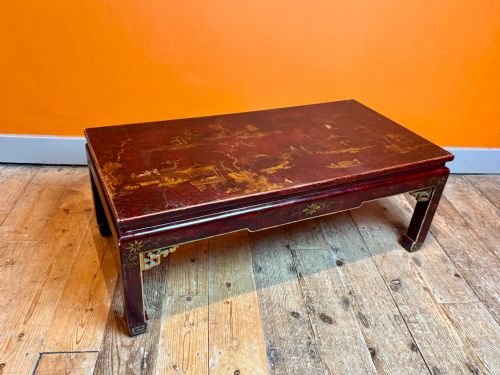
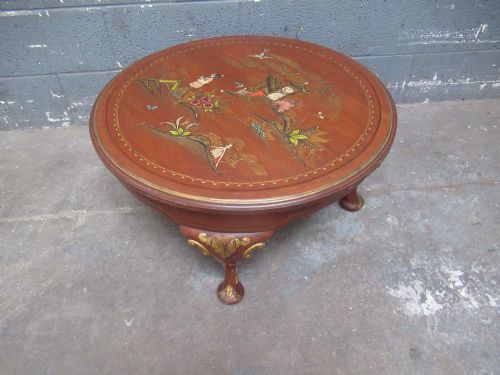
Inset tops utilise white or veined marble, onyx, lacquered papier-mâché and hand-painted toleware trays. Papier-mâché trays often feature raised relief detail and Chinoiserie decoration, mounted securely onto collapsible or fixed wooden stands.
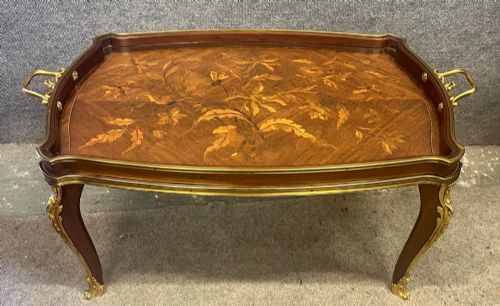
Cabinetmakers employed marquetry and parquetry inlay in woods like walnut and kingwood to create geometric surface patterns. Ormolu mounts and cast brass elements are secured with traditional fixings to accentuate the structural lines of French and Italian designs.
Gilt Coffee Table Retail Price Guide 2026
Typical asking prices for gilt coffee table among the pieces listed under this phrase on Sellingantiques today, from the lower quarter to the upper quarter. They describe what is for sale here now, not the wider market.
A gilt dolphin base supports one marble top, proving that nineteenth-century furniture designers took aquatic themes very seriously.
Judgments of quality
The refinement of the surface decoration and the crispness of the carving or casting distinguish the finest pieces. Hand-chiselled ormolu mounts and finely applied gold leaf exhibit depth and precision that distinguish master workshops from standard commercial production.
Materials selection plays a primary role in the standing of a piece, particularly the weight and figuring of inset marble, onyx, or hardstone tops. Superior tables utilise dense timbers such as kingwood and walnut for their carcases, complemented by intricate marquetry rather than simpler painted alternatives.
Maison Ramsay·Maison Bagues·Mallets·Jennens & Bettridge·Zwiener
The Gilt Coffee Table Glossary
- Ormolu
- Gilded bronze or brass mounts applied to furniture. This technique was widely utilised by French cabinetmakers during the eighteenth and nineteenth centuries to enrich furniture corners and legs.
- Papier-mache
- A composite material made from paper pulp or sheets of paper mixed with glue, pressed and dried. It forms a sturdy base for lacquer and Chinoiserie decoration on tray tables.
- Chinoiserie
- European theatrical interpretation of Chinese and East Asian artistic styles. It appears frequently in lacquered finishes and painted motifs on Edwardian and nineteenth-century tables.
- Marquetry
- Decorative veneer work where small pieces of wood, shell or ivory are fitted into a design on a wooden background. This technique decorates the tabletops of many period pieces.
- Giltwood
- Wood that has been treated with gesso and covered with fine gold leaf or metal leaf. It provides a luminous finish on carved frames and low tables.
Gilt Coffee Table: Frequently Asked Questions
What is a gilt coffee table?
A gilt coffee table is a low surface featuring gilded wood, brass, or ormolu decoration, designed for use in a sitting room.
These pieces combine decorative metalwork with timber frames, marble tops, or lacquered trays.
How were tray tables used?
Tray tables served as portable serving surfaces that could be lifted from their folding or fixed stands.
In period interiors, they functioned as drinks tables or low occasional surfaces for entertaining.
How do I identify French revival styles?
French revival tables display Louis XV or Louis XVI characteristics such as cabriole legs, parquetry, and cast ormolu mounts.
Maker influence from this tradition emphasises symmetry, classical detailing, and gilt finishes.
Where do Chinoiserie tables originate?
Chinoiserie tables reflect European interpretations of Asian design popular during the nineteenth and early twentieth centuries.
They are characterised by lacquered surfaces, painted figural scenes, and raised relief detailing.