


Gilt Cobalt Wall Plates
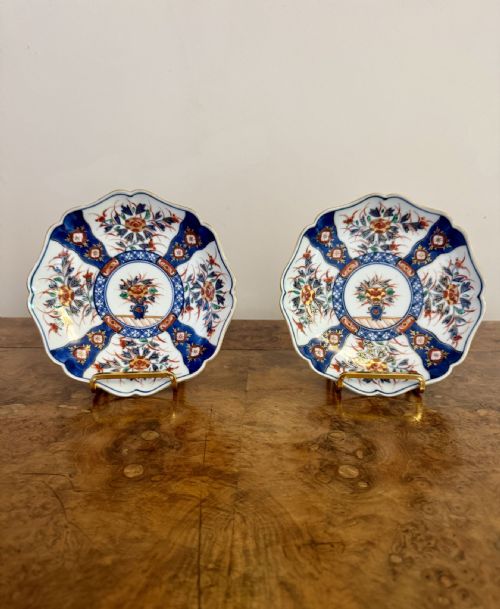
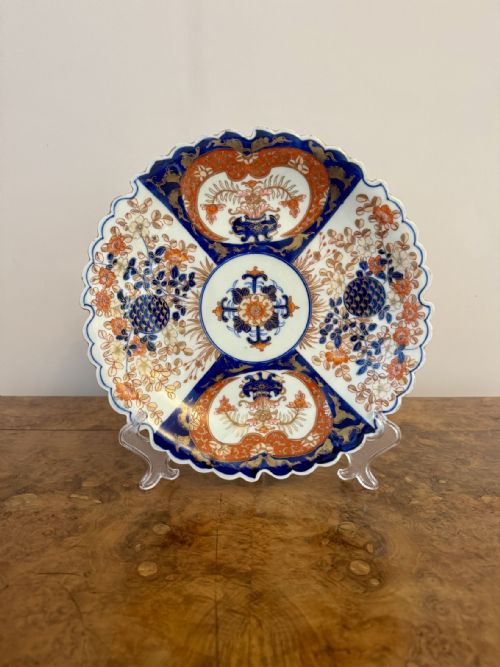
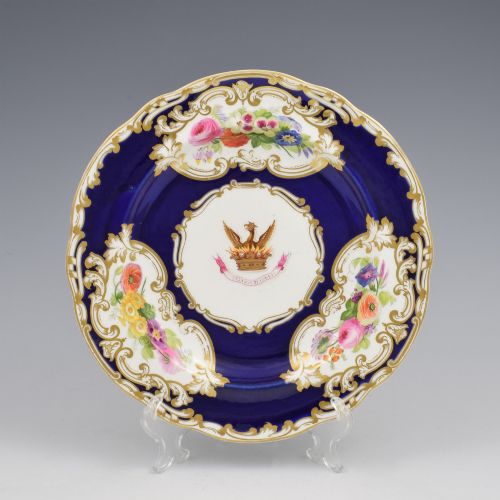
Gilt cobalt wall plates combine deep blue ceramic grounds with rich gold leaf ornamentation, offering a striking display for any interior.
Gilt Cobalt Wall Plates
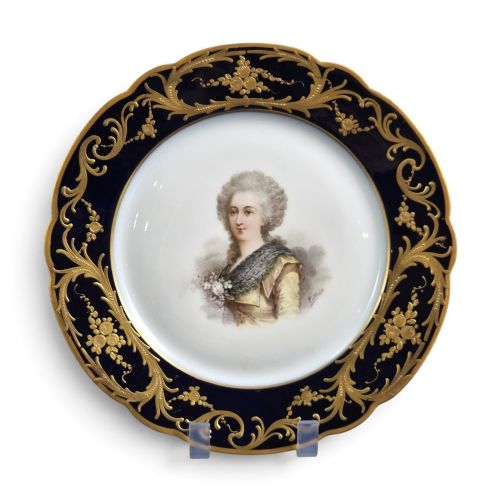
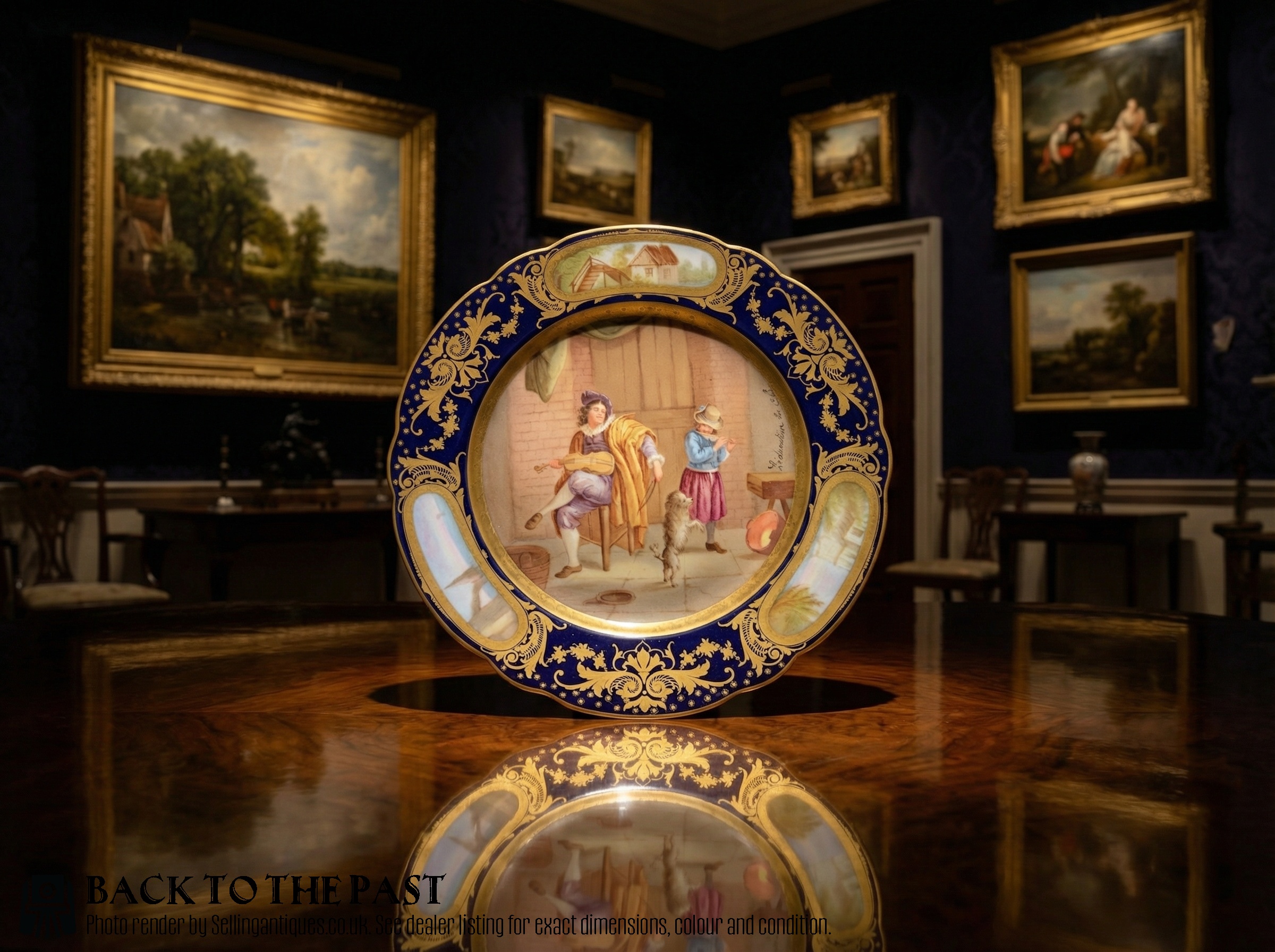
Gilt cobalt wall plates span several centuries of ceramic production, featuring heavily in nineteenth-century European factories and Japanese export wares. A buyer searching this phrase encounters decorative chargers, cabinet plates, and wide-rimmed dishes designed primarily for display rather than dining.
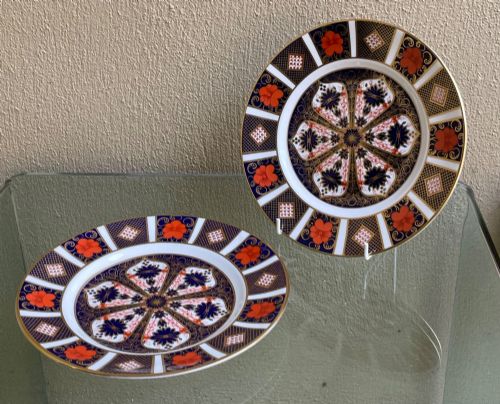
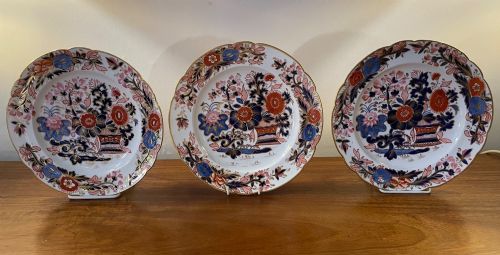
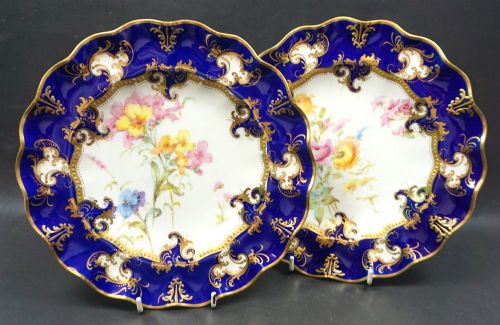
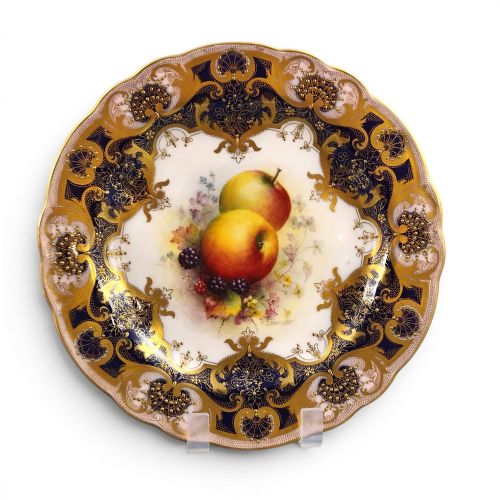
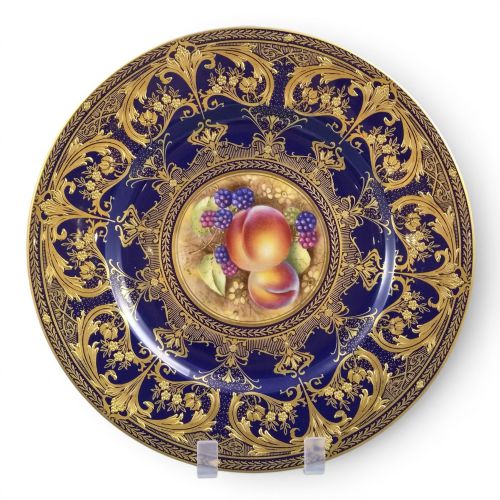
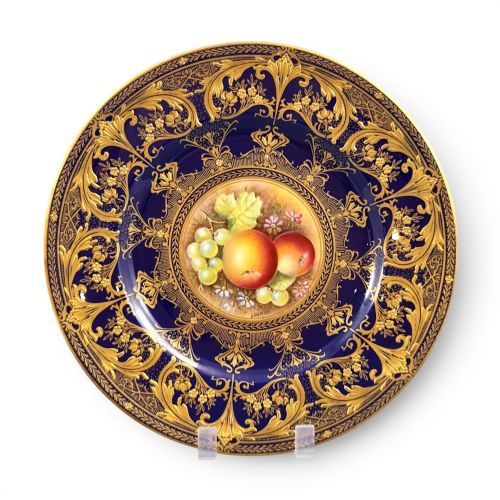
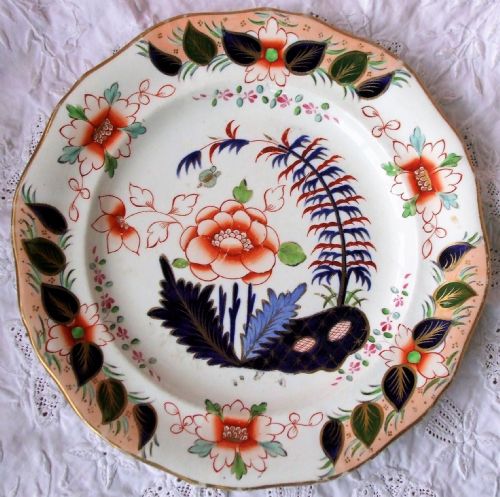
The selection ranges from French Sèvres-style portrait pieces and Royal Vienna mythological scenes to English bone china from Royal Worcester and traditional Japanese Imari patterns. These objects utilise rich cobalt blue pigments beneath or alongside intricate gilding to create high-contrast visual depth.
Most examples originate from the nineteenth and early twentieth centuries, drawing on Neoclassical, Regency, and Louis XVI revival aesthetics. Collectors often find matching pairs or large decorative chargers measuring significant diameters for wall mounting.
How They Were Made
Potters shaped these objects using ceramic, bone china, ironstone, or porcelain, applying cobalt blue pigments directly to the body before glazing and firing. This deep blue underglaze forms the dark canvas characteristic of the group.
Makers applied gold leaf and gold gilt by hand, often tool-engraving the dried metal surface to catch the light from different angles. Hand-painted central reserves depicting portraits, fruit, or florals required multiple kiln firings to set the enamel colours permanently.
Listings feature porcelain, ironstone, and bone china decorated with gold leaf, enamel, and cobalt across nineteenth and twentieth-century periods.
What Varies in Quality
The precision of the hand-painted details separates standard factory output from master painter works, particularly in portraiture and botanical illustration. Skilled artists produced finely rendered facial expressions and botanical accuracy that lesser hands missed.
The depth and weight of the tooling in the gold leaf dictate the textural richness of the border work. Heavier, burnished gilding maintains its brilliance better over time than thin, flat gold washes.
Royal Crown Derby·Royal Worcester·John Davenport of Longport·Darte Brothers·Pucher Deroche
The Gilt Cobalt Wall Plates Glossary
- Cobalt
- A deep blue metallic oxide pigment used under the glaze to colour porcelain and ceramic bodies. It withstands high kiln temperatures without losing intensity.
- Gilt
- A thin layer of gold applied to the surface of ceramic or porcelain plates. This metallic finish creates the bright borders seen on cabinet pieces.
- Cabinet Plate
- A decorative ceramic dish intended for display in a glass-fronted cabinet or on a wall rather than for practical table use. These pieces often feature elaborate hand-painted scenes.
- Imari Style
- A decorative ceramic pattern originating in Japan and later copied in Europe, typically employing cobalt blue, iron red, and extensive gold. The designs heavily influence nineteenth-century export and revival wares.
- Charger
- A large decorative plate utilised primarily as a base setting or wall hanging. Their generous surface area accommodates complex painted scenes and wide gilt borders.
Gilt Cobalt Wall Plates: Frequently Asked Questions
How do I hang these plates?
Most wall plates require spring-loaded brass wire hangers that grip the rim securely without causing damage to the ceramic body.
Ensure the wall fixing uses a proper anchor to support the combined weight of the porcelain and its mounting hardware.
Can I use them for food?
These decorative items serve primarily as display pieces rather than practical tableware.
Historic gold leaf and enamel paints can degrade or contain metallic traces unsuited for daily dining use.
What is Imari style?
Imari style refers to Japanese export ceramics featuring cobalt blue underglaze and iron red highlights enriched with gold.
European factories frequently copied these distinct palettes during the nineteenth century.
How do I clean gilt surfaces?
Dust the surface gently with a soft, dry ostrich feather duster or microfiber cloth.
Avoid all water, abrasive cloths, and chemical cleaners, which lift fragile gold leaf from the glaze.