


Gilt Chinoiserie Cupboard
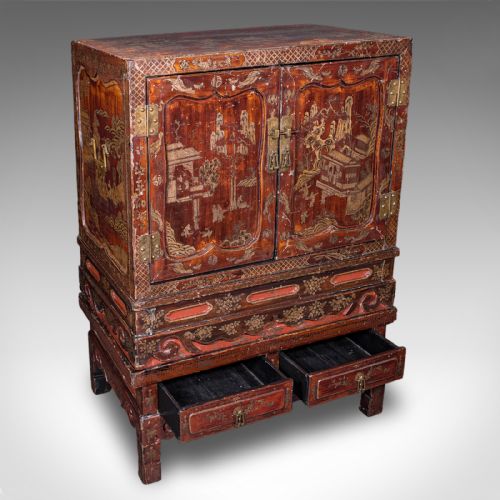
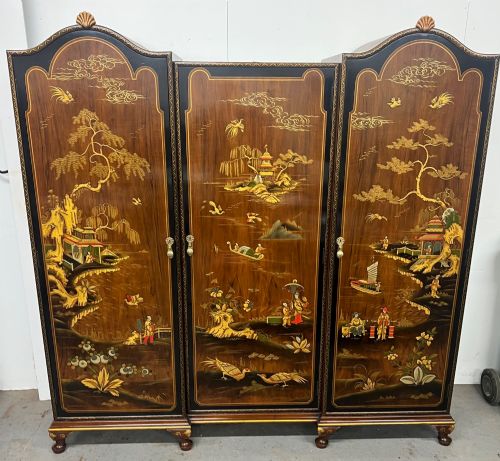
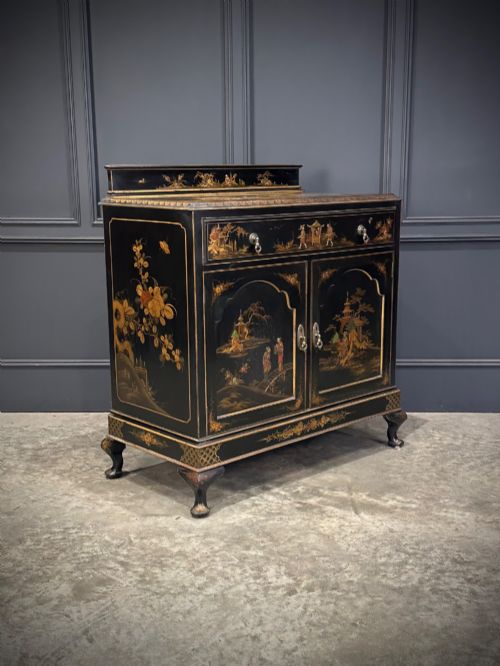
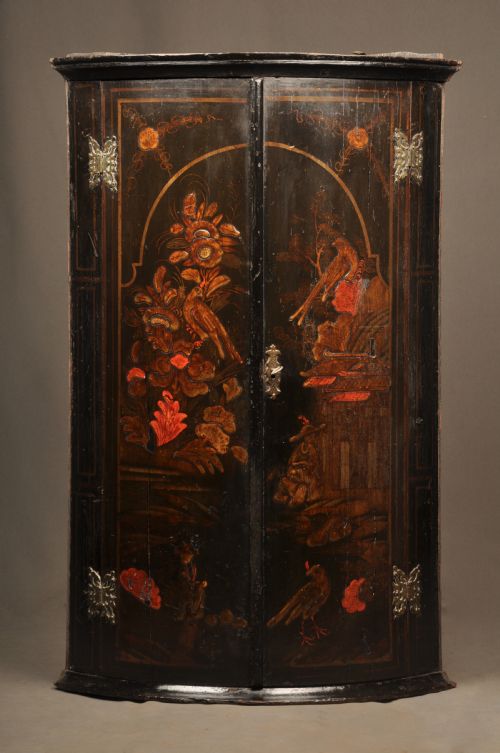
A gilt chinoiserie cupboard brings hand-painted figures, pagodas, and landscapes in gold leaf onto rich lacquer surfaces.
Gilt Chinoiserie Cupboard
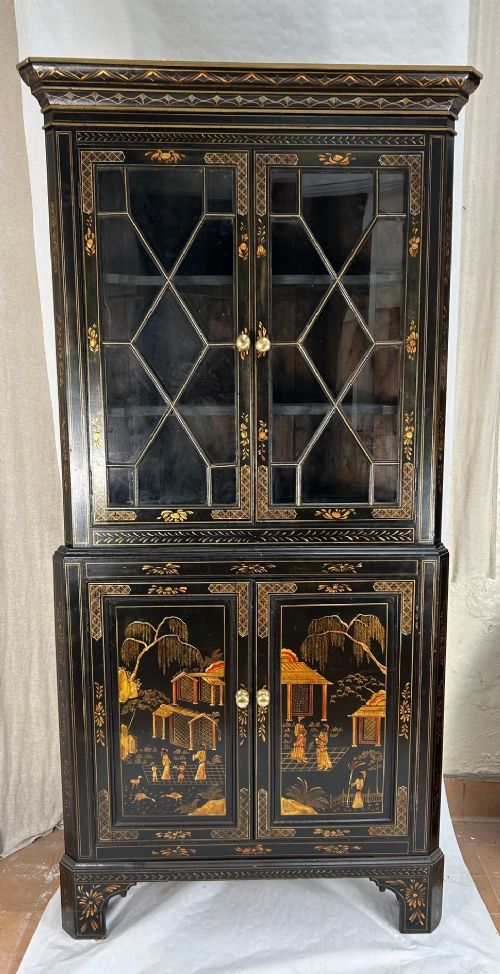
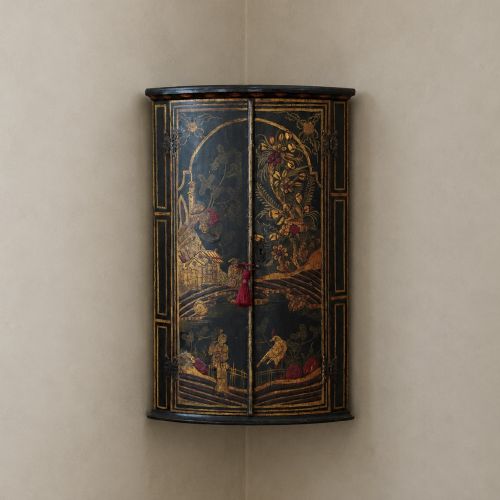
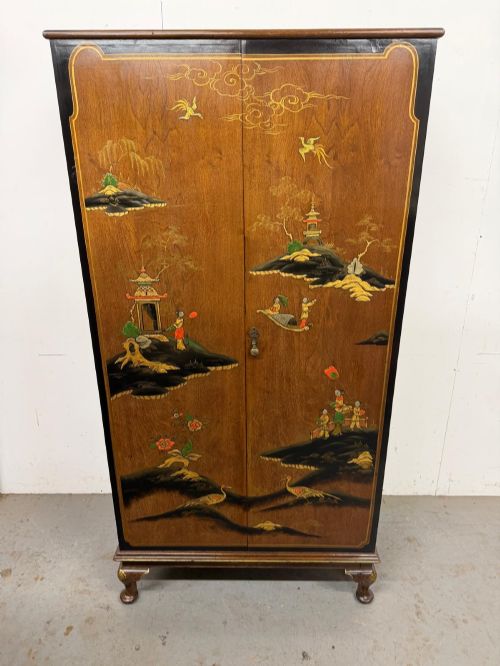
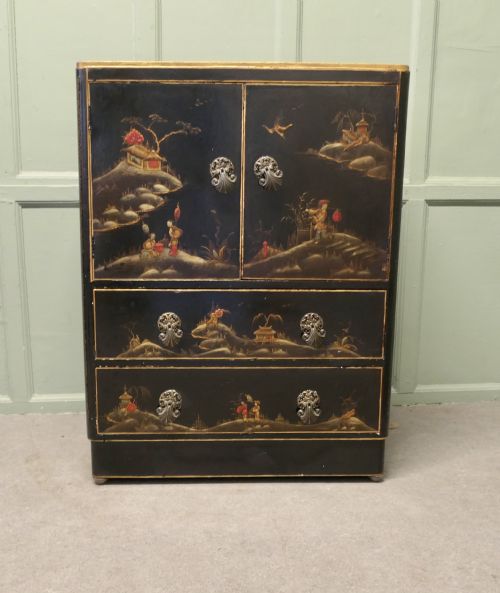
A gilt chinoiserie cupboard is an enclosed storage piece decorated with oriental motifs executed in gold and coloured pigments. When you search for a gilt chinoiserie cupboard, you encounter a variety of forms including corner cupboards, side cabinets, and cocktail cabinets.
The selection ranges from eighteenth-century originals and Regency pieces to Edwardian revivals and later twentieth-century interpretations. Corner cupboards and side cabinets on stands appear frequently across multiple periods.
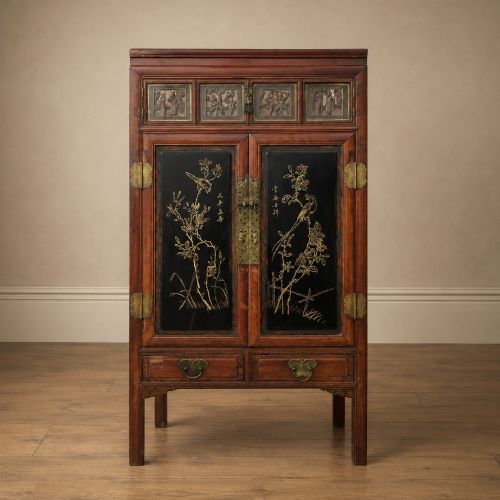
Origins span English workshops producing japanned furniture as well as Chinese export pieces and Qing Dynasty cabinets. This mixture demonstrates how European cabinetmakers emulated Asian lacquerwork over three centuries.
How they were made
Craftsmen built these pieces using wood such as mahogany or pine as a foundation for multiple layers of lacquer. Artisans applied gold leaf and gilt decoration by hand to depict traditional Chinese scenes upon black, red, green, or blue backgrounds.
Hardware typically includes brass hinges, escutcheons, and locks that complement the ornate painted surfaces. Glass panels occasionally feature in upper doors or display sections of cocktail and corner cabinets.
Listings feature woods including mahogany and glass alongside brass hardware, spanning periods from the eighteenth century through the nineteen-thirties.
What varies in quality
Depth and execution of the hand-painted gilt decoration separate exceptional pieces from simpler versions. Fine examples display intricate detailing in figures, architecture, and foliage rather than flat or stencilled patterns.
The condition and age of the lacquer surface dictate much of the character. Original eighteenth-century japanning carries a different patina and depth of crackleur compared to twentieth-century revival lacquer.
Maples and Co·Harrods
The Gilt Chinoiserie Cupboard Glossary
- Chinoiserie
- European decorative style in the Chinese taste, popular during the eighteenth and early twentieth centuries. It reinterprets Asian motifs through Western aesthetic traditions.
- Japanning
- European imitation of East Asian lacquerwork developed in the seventeenth century. Artisans built up layers of varnish and decorated the surface with raised gilt figures.
- Lacquer
- Natural resin applied in numerous coats to create a durable, glossy finish on wooden furniture. It provides the dark background typical of Asian and European decorated cabinets.
- Compactum
- A large wardrobe designed with internal divisions for multiple types of clothing. These tall storage units often feature hanging space alongside drawers and shelves.
- Penwork
- Decorative technique using ink or paint applied with a pen nib to create fine linear designs. This meticulous method appears on select Regency collectors cabinets.
Gilt Chinoiserie Cupboard: Frequently Asked Questions
How do I date a lacquered cabinet?
Dating relies upon construction methods, timber types, and the style of the gilt decoration. Eighteenth-century pieces exhibit different carcass construction and hand-mixed lacquers compared to Edwardian or 1930s revivals.
Hinge types, drawer linings, and the specific iconography of the painted scenes also provide clear indicators of period manufacture.
Where should I place a corner cupboard?
Corner cupboards utilise awkward wall junctions in dining rooms, living areas, or hallways. Hanging versions mount directly to walls while floor-standing models anchor securely into the corner angle.
They offer display and storage capacity without protruding far into the floor space of smaller rooms.
How do I care for lacquer furniture?
Lacquer surfaces require dusting with a soft, dry cloth and protection from direct sunlight and excessive heat. Avoid chemical polishes and moisture, which can damage the delicate gilt decoration.
Maintaining stable room humidity prevents the timber beneath from expanding and causing cracks in the lacquer layers.
What is a cabinet on stand?
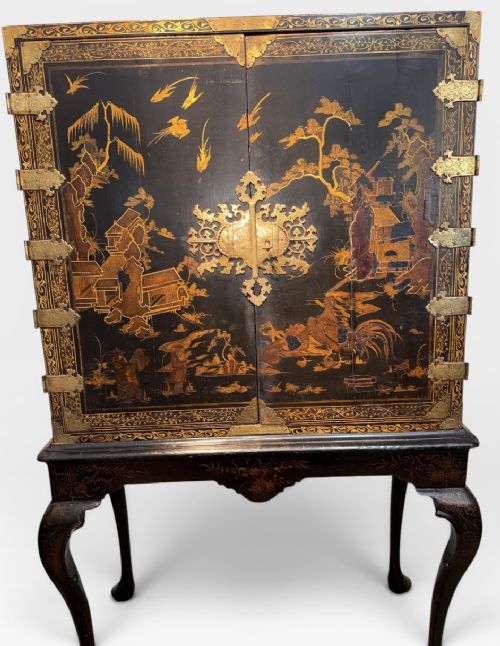
A cabinet on stand consists of an enclosed upper storage section resting upon a separate supporting base with legs. This form elevates the decorated surface to eye level and lightens the visual weight of the piece.
Stands often feature cabriole legs, square section supports, or elaborate stretcher rails reflecting the prevailing style of their period.