

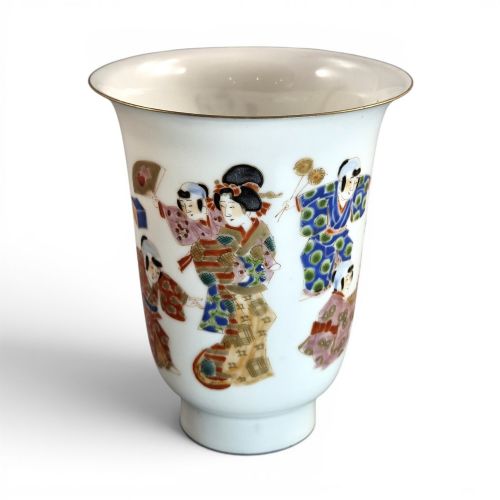


Gilt Ceramic Figures
Gilt ceramic figures bring together lustrous metal leaf and modelled clay, offering collectors dramatic presence and intricate detail across centuries of craft.
Gilt Ceramic Figures
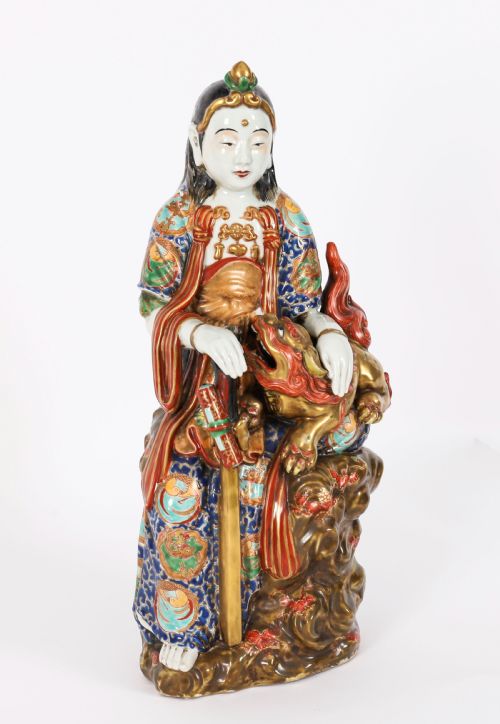
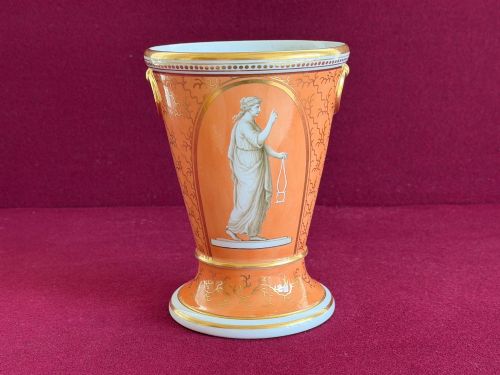
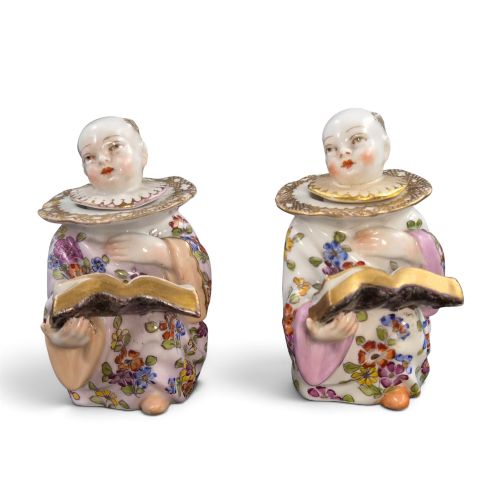
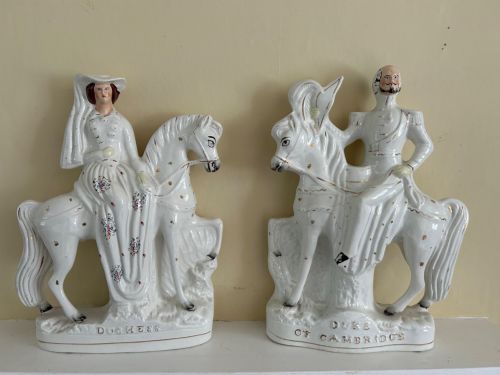
Gilt ceramic figures encompass a diverse range of objects, from eighteenth-century European porcelain deities and cherubs to nineteenth-century Japanese Satsuma and Kutani wares decorated with gold. When searching for gilt ceramic figures, buyers encounter everything from modelled human subjects and animals to functional vessels embellished with figures.
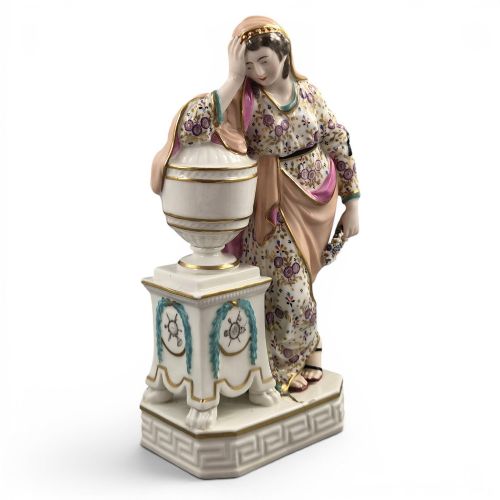
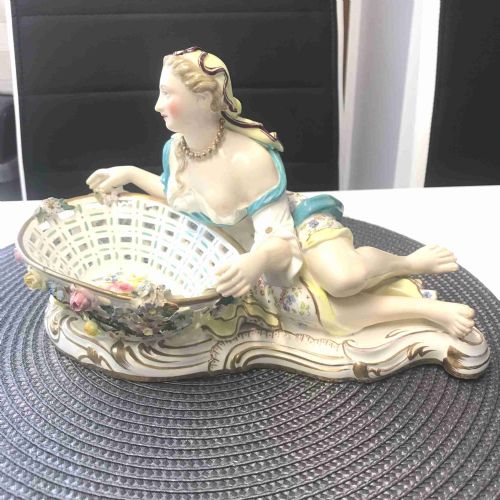
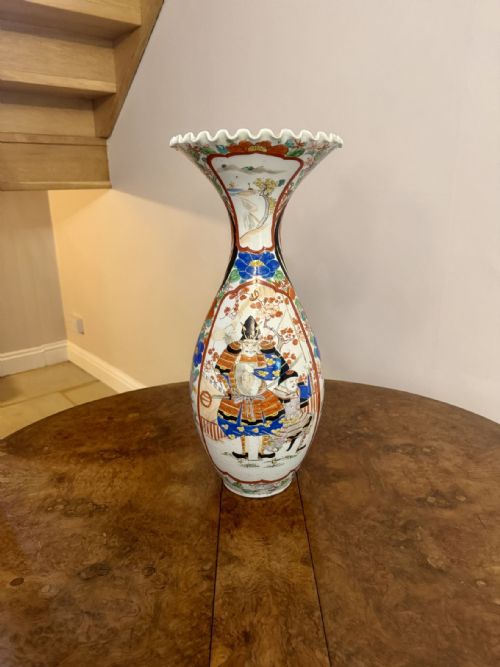
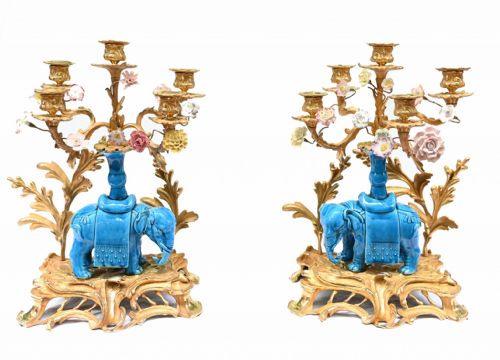
The pieces represented in these records span the Georgian, Victorian, and Meiji periods, reflecting both European modelling traditions and Japanese ceramic artistry. Figurines, vases, candelabras, and sweetmeat dishes all appear, showing how gold leaf and gilding were applied across many different decorative forms.
European porcelain factories such as Meissen, Derby, and Bow produced modelled figures alongside French workshops like Edmé Samson. Alongside these stand Japanese Satsuma, Kutani, and Arita pieces, which frequently incorporate human figures and detailed moriage work accented with gold.
Materials and methods
The creation of these objects relies on hard-paste porcelain, earthenware, and soft-paste ceramic bodies shaped by hand or cast in moulds. Artisans then applied glazes, enamels, and mineral colours before adding fine details in gold leaf or liquid gilding.
Firing processes varied according to the ceramic body, with earthenware requiring lower temperatures than hard-paste porcelain. Gilding was typically applied as a final layer and fixed by a secondary low-temperature firing or polished mechanically to achieve a bright finish.
Listings feature hard-paste porcelain, earthenware, and enamel, spanning Georgian, Victorian, and Meiji production periods.
Markers of quality
The preservation of the gold leaf or gilding dictates much of the visual impact. Finer items retain their burnished highlights without heavy rubbing, and porcelain forms show smooth glazes free from major firing distortions.
Flight And Barr Worcester·Edme Samson·Royal Worcester·Kinkozan Kyoto·Richard Eckert
The Gilt Ceramic Figures Glossary
- Gilding
- The application of gold leaf or gold dust to the surface of ceramic bodies or glazes. This technique was used extensively to highlight robes, borders, and architectural details on figures and vases.
- Moriage
- A Japanese ceramic technique using slip trailing to build up raised decorative patterns before glazing and gilding. It creates a textured surface often seen on Satsuma wares.
- Hard-paste porcelain
- A dense, vitrified ceramic composed of kaolin and petuntse fired at very high temperatures. It formed the durable base for many eighteenth and nineteenth-century European figures.
- Enamel
- Opaque or translucent glass-like substance fused to the ceramic surface during firing. It provided the vibrant palette of colours seen on robes, flowers, and backgrounds.
Gilt Ceramic Figures: Frequently Asked Questions
How do I care for gilt ceramic figures?
Display these objects away from direct sunlight and sources of extreme heat to protect the underlying ceramic body and any enamel colours.
Dust them gently with a dry, soft brush rather than using wet cloths, which can damage delicate gold leaf or painted surfaces over time.
Were these figures meant for display or use?
Most figural porcelain and pottery pieces were created purely for decorative display on mantelpieces, brackets, and cabinet shelves.
Some forms, such as sweetmeat dishes, inkwells, and candelabras, served functional roles on dining and writing tables while retaining ornamental sculptural qualities.
How can I tell eighteenth-century figures apart from later copies?
Eighteenth-century pieces typically exhibit softer paste bodies, hand-modelled nuances, and specific glaze characteristics associated with early factory output.
Nineteenth-century revival pieces often display sharper mould lines, different potting weights, and distinct factory marks that identify their later production dates.
What is the difference between Satsuma and Kutani ceramics?
Satsuma wares generally feature a characteristic ivory-coloured, crackled earthenware body heavily decorated with polychrome enamels and raised gold work.
Kutani ceramics are typically porcelain or stoneware characterised by bold, painterly palettes dominated by iron red and deep greens alongside gold accents.