

Gilt Bronze Timepiece
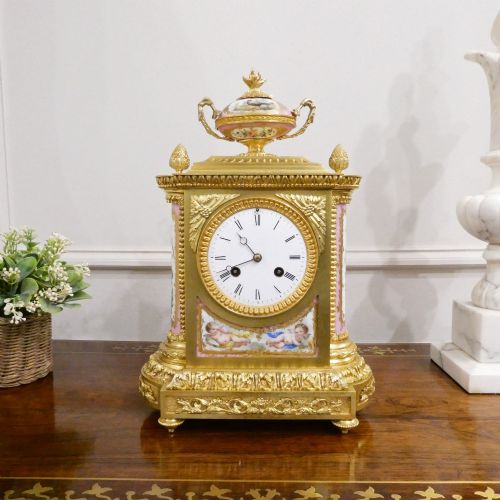
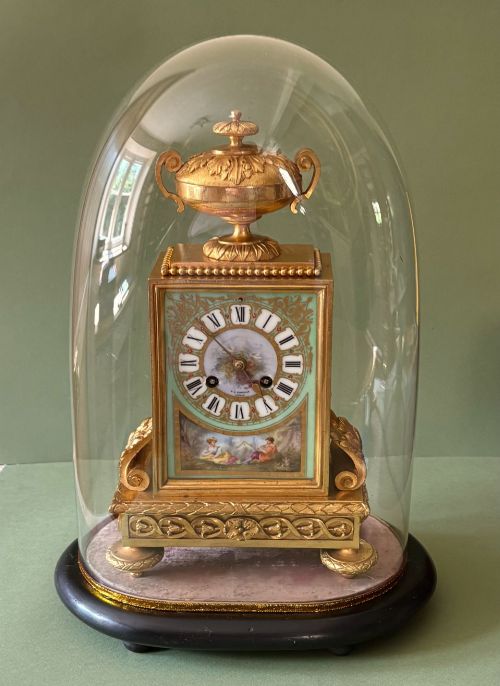
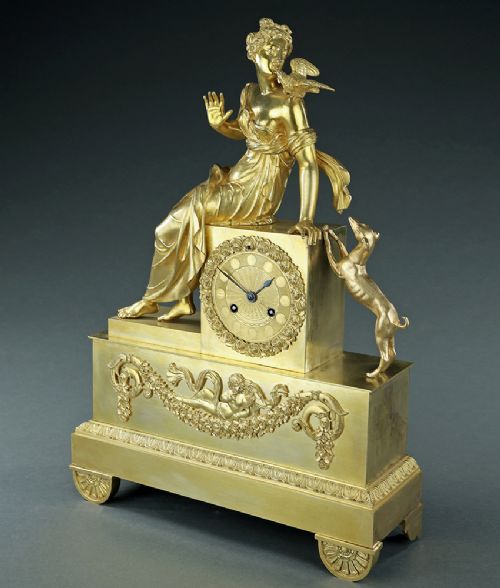
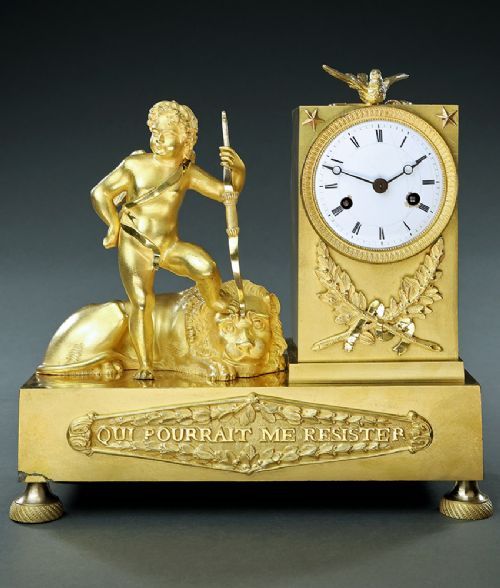
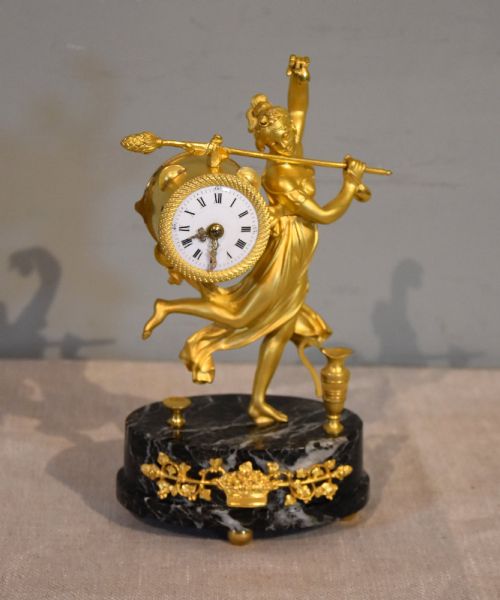
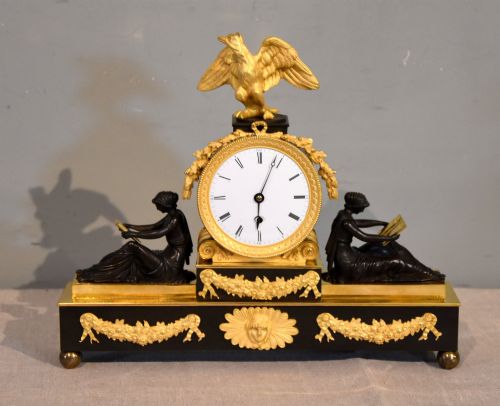
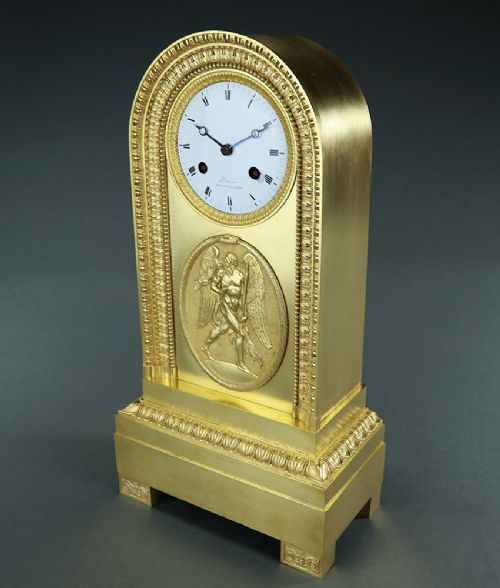
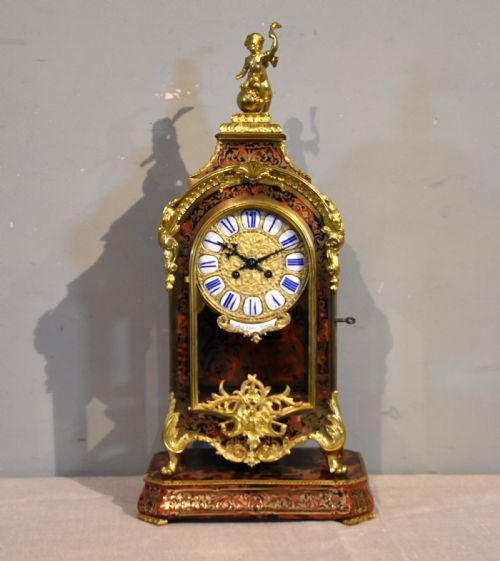
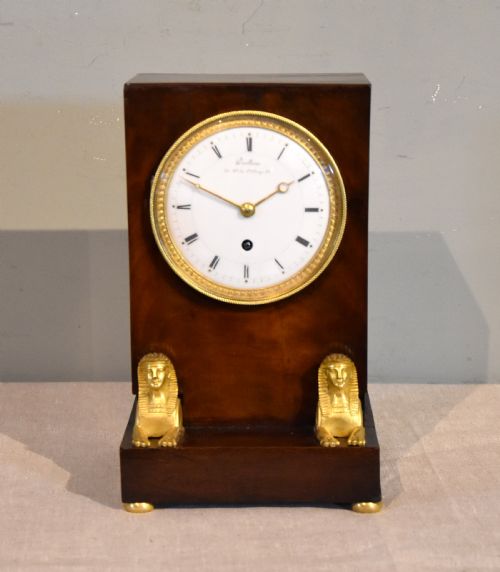
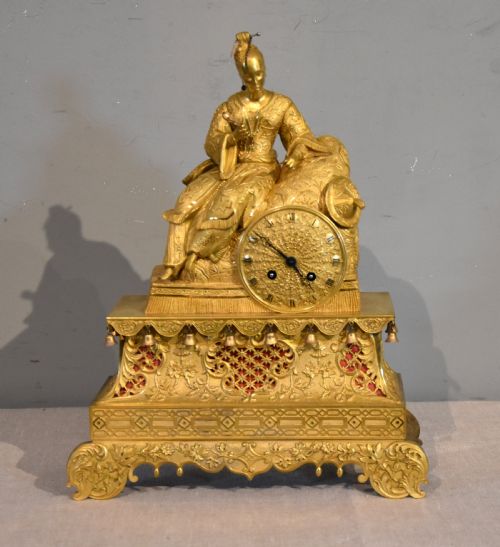
These gilt bronze timepieces bring together polished metal and precise movement, offering both sculptural weight and functional design for the mantel or desk.

Gilt Bronze Timepiece
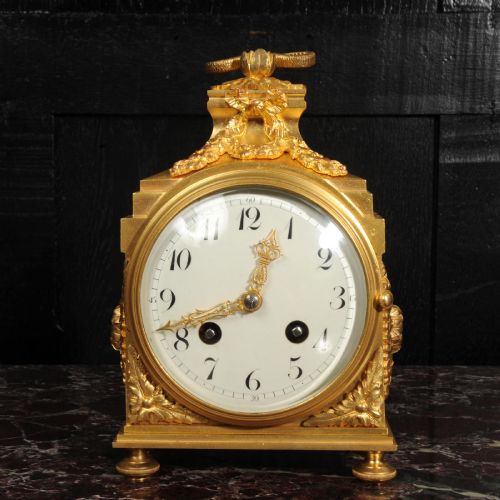
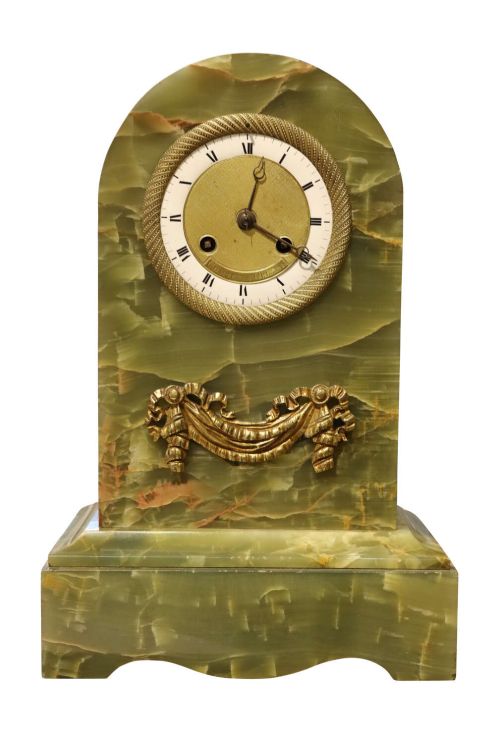
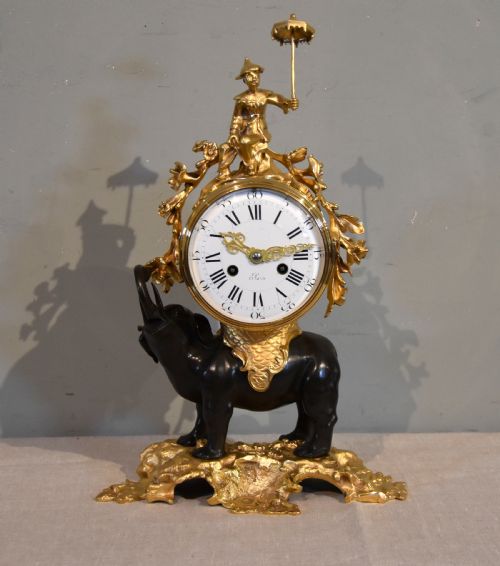
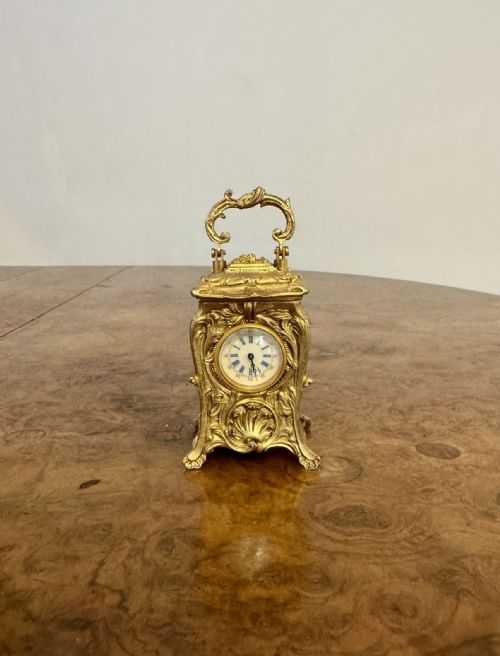
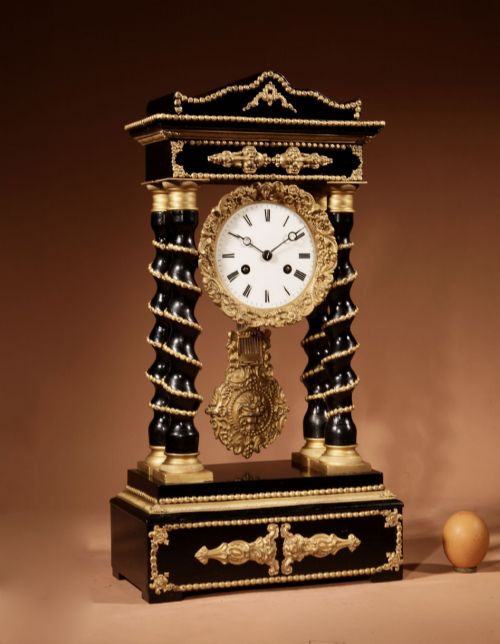
The most common forms on this page are mantel clocks and smaller carriage or table clocks. These objects range from architectural portico models and figural compositions to simpler marble-based timepieces mounted in ormolu and brass.
Origin points lean heavily toward French workshops in Paris alongside English makers working during the Regency and Victorian eras. Stylistic influences span French Empire, Louis XVI Revival, and Rococo designs.
How They Were Made
Metalworkers formed the primary cases using cast bronze, brass, and copper alloys finished with fire gilding or mercury plating to create the signature ormolu surface. Many pieces combine this gilded metal with contrasting natural materials such as white marble, green onyx, tortoiseshell, and ebonised wood.
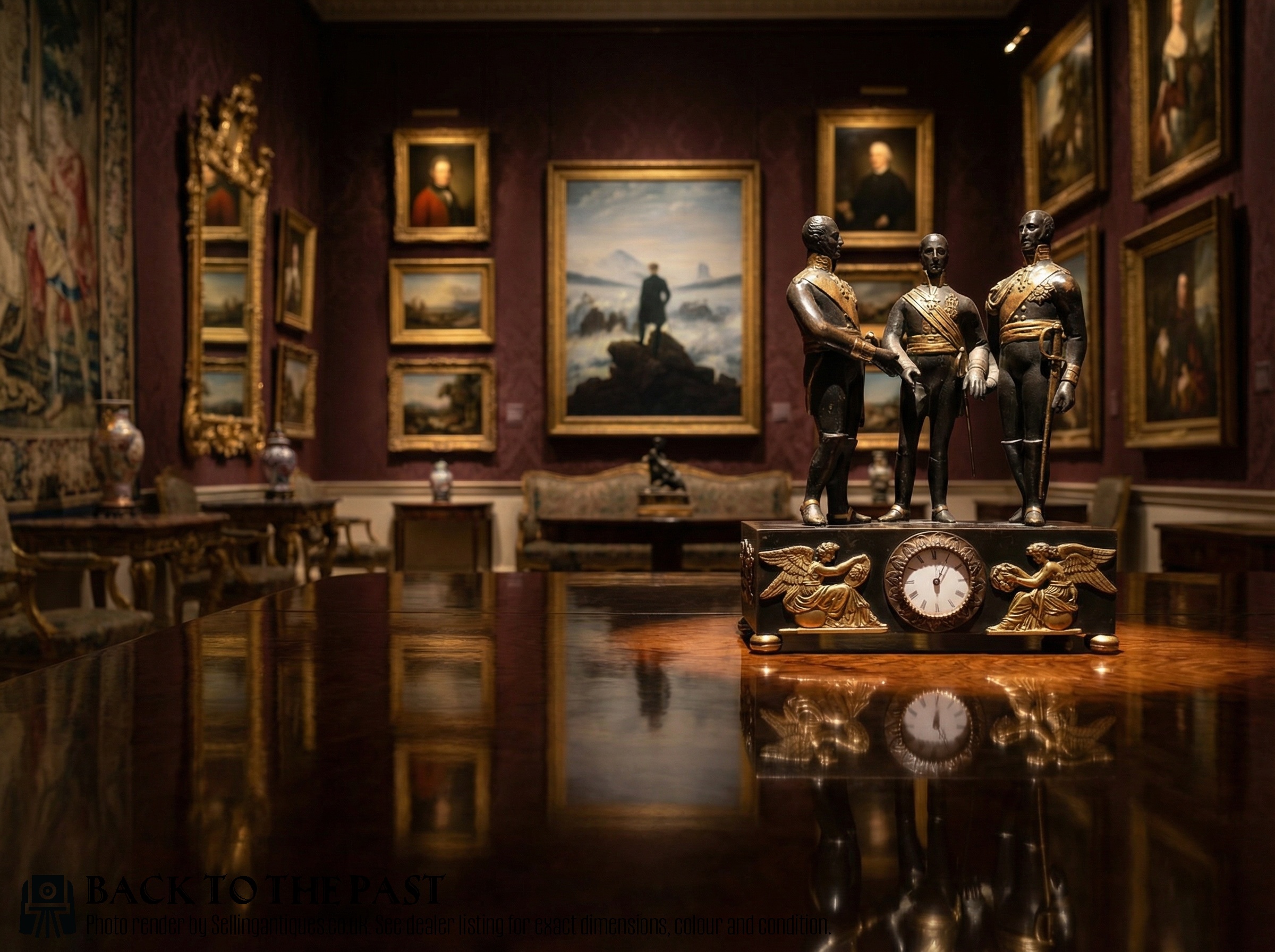
Clockmakers fitted these housings with mechanical movements driven by springs or fuses, often integrating enamel dials with painted numerals and delicate hands. Secondary elements include hand-painted porcelain plaques, champleve enamel panels, and patinated bronze figures depicting classical or allegorical scenes.
Gilt Bronze Timepiece Retail Price Guide 2026
Typical asking prices for gilt bronze timepiece among the pieces listed under this phrase on Sellingantiques today, from the lower quarter to the upper quarter. They describe what is for sale here now, not the wider market.
What Varies in Quality
The crispness of the bronze casting determines the visual depth of the ornament, separating sharp, hand-chased acanthus leaves and figures from soft, indistinct factory output. Superior examples retain their original mercury gilding, which exhibits a warm, buttery lustre rather than the flat brassy shine of later chemical plating.
Movement sophistication also dictates standard, separating standard timepieces from models featuring calendar complications, mystery dials, or signed escapements by known Parisian and London makers. The integration of the case materials, such as tight joints in marble mounts and undamaged enamel dials, completes the distinction.
Jean Baptiste Delettrez·Charles a Orleans·Le Roy Paris·Viner London·Philippes Paris·Louis Goret Paris·Leon Message·Jollet et Cie·Samuel Marti·Cleret
The Gilt Bronze Timepiece Glossary
- Ormolu
- Gilt bronze created by applying an amalgam of gold and mercury to a bronze base and heating it until the mercury vaporised. This historic technique produced a durable and luminous golden finish.
- Portico clock
- A mantel clock housed within a architectural frame supported by four or more columns. This style gained popularity during the neoclassical periods of the nineteenth century.
- Champleve
- An enamelling technique where troughs are gouged into the metal surface and filled with coloured vitreous paste before firing. The resulting panel displays patterns flush with the metal dividers.
- Fusee
- A conical pulley used in mechanical clocks to maintain an even tension on the gear train as the mainspring unwinds. This mechanism improves the timekeeping accuracy of the movement.
- Pendule d'Officier
- A portable military or travelling bracket clock originating in France. These compact timepieces often feature distinct carrying handles and robust movements.
Gilt Bronze Timepiece: Frequently Asked Questions
How do I wind a mechanical timepiece?
Most of these clocks use a key inserted into holes on the enamel dial to tension the mainspring barrels. Turn the key gently until you feel resistance, taking care not to overwind the mechanism.
Keep a matching winding key stored safely nearby because replacement keys require precise fitting to the square arbors of each individual movement.
Where should I place a heavy marble clock?
Position the clock on a stable, level surface such as a heavy mantelpiece, sideboard, or low table that can support the substantial weight of stone and bronze. Avoid placing the piece in areas prone to direct sunlight or dampness, which can degrade wood cases and discolour marble.
Ensure the surface is flat so the pendulum hangs plumb and the escapement beats evenly without stopping.
How can I tell an Empire clock from a Rococo one?
Empire clocks rely on strict symmetry, classical military motifs, and architectural forms inspired by ancient Rome and Greece. You will often see patinated bronze figures paired with formal ormolu mounts.
Rococo timepieces feature asymmetric curves, naturalistic shell motifs, and scrolling foliage that break away from classical geometry. The gilt surfaces curve organically around floral and animal forms.