




Gilt Bronze Statuette
Gilt bronze statuettes bring classical figures and animal studies into focus through cast metal and rich surface gilding.
Gilt Bronze Statuette
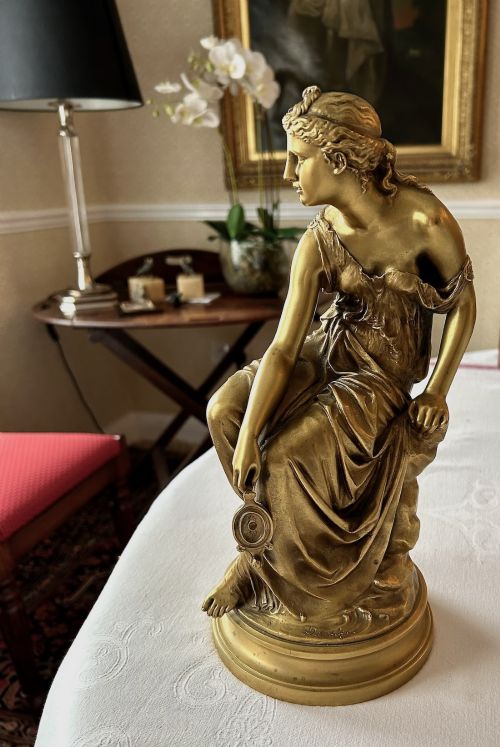
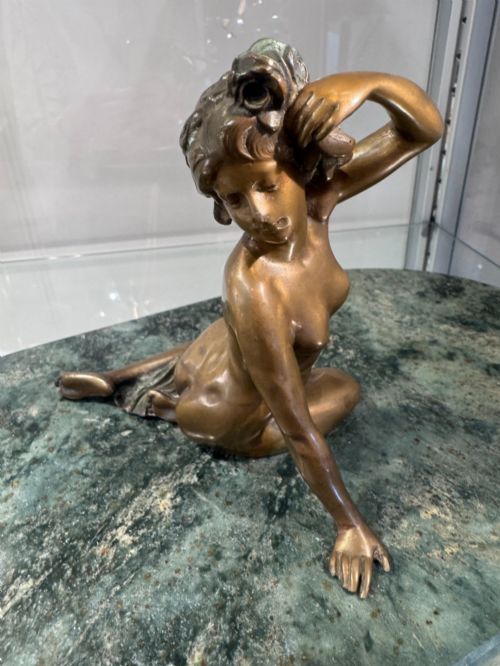
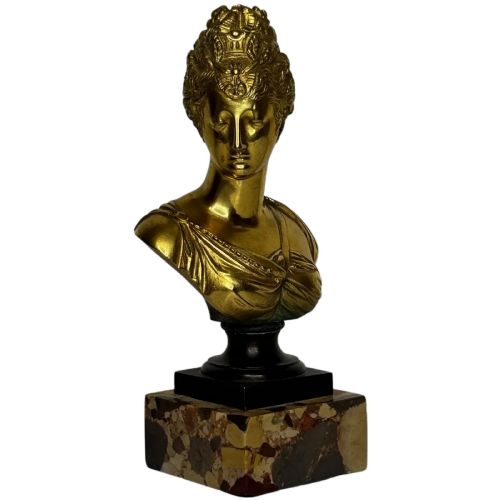
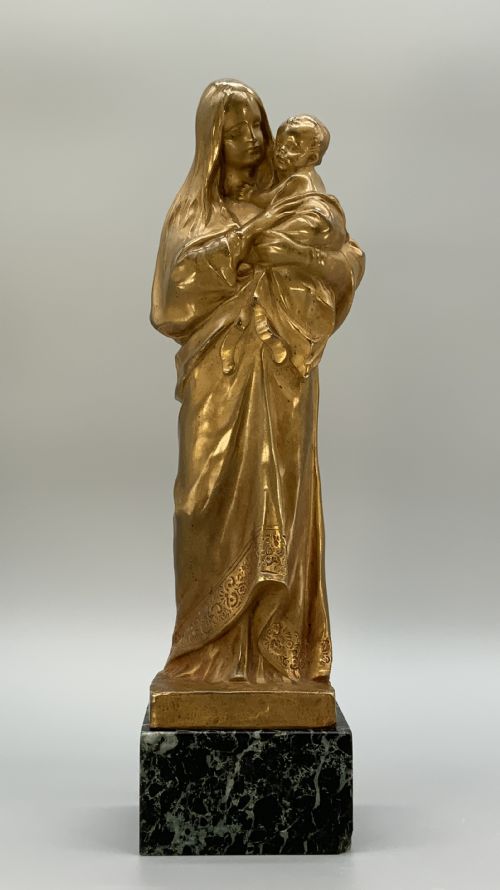
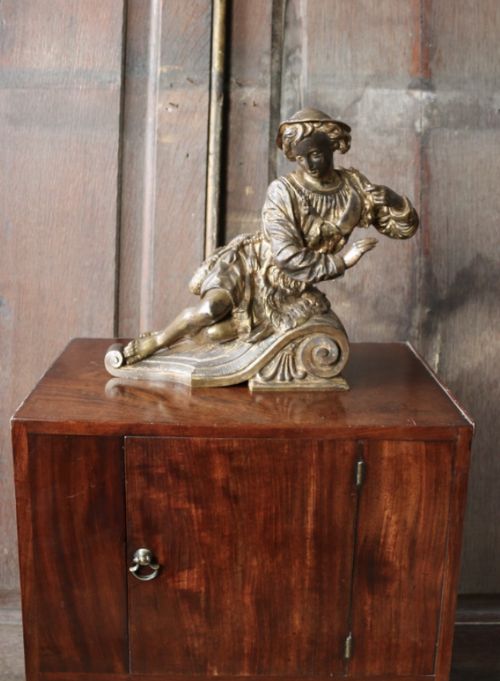
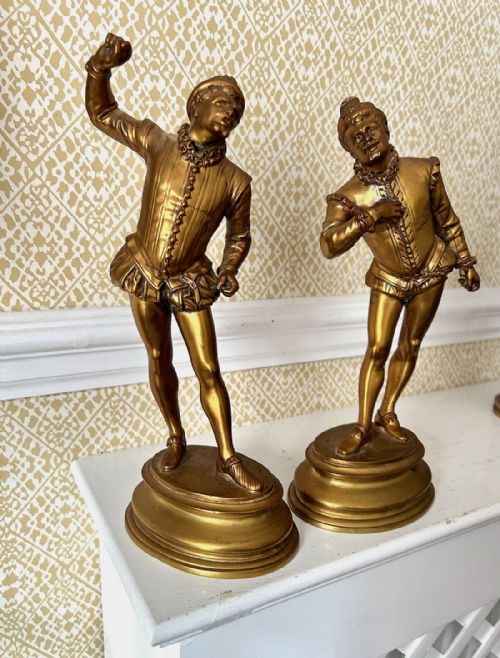
A gilt bronze statuette represents sculpted human, animal or allegorical subjects rendered in cast metal with a gilded finish. These figures draw from 18th century, 19th century, and early 20th century periods, spanning French Neoclassical, Art Nouveau, and Art Deco styles.
Buyers regularly encounter French foundry works depicting classical maidens, cherubs, and historical subjects alongside Austrian cold-painted animal studies and orientalist figures. The selection includes standalone sculptures, lamp bases, and architectural mounts.
Origins stretch across European workshops, notably French and Austrian foundries, alongside Tibetan and Chinese pieces that utilise traditional casting methods. Forms range from provincial farm girls to Grand Tour souvenirs of classical deities.
How they were made
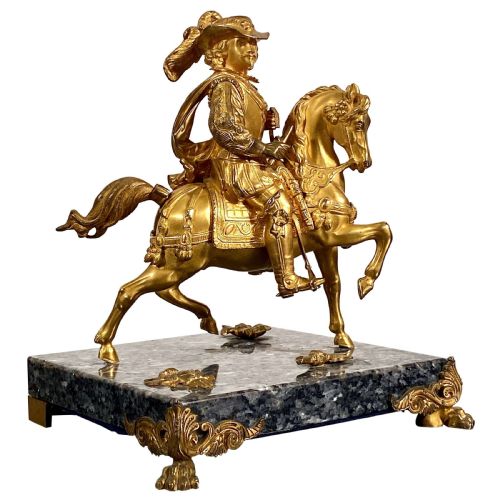
Gilding techniques applied a layer of gold or ormolu to the metal substrate, often through mercury amalgamation or electroplating, creating a luminous surface finish. Statuettes frequently incorporate secondary materials such as marble, malachite, onyx, or olive wood as integral plinths and bases.
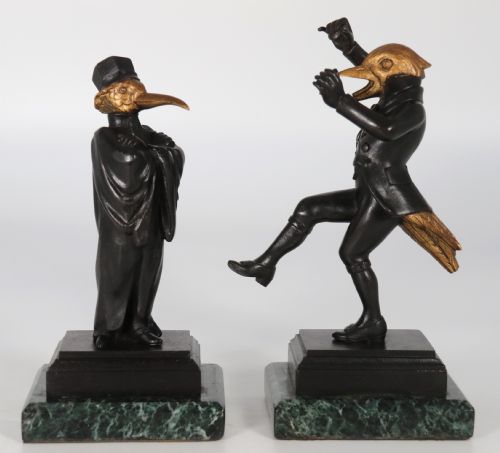
Animals in these collections range from theatrical birds and galloping horses to a dedicated dentist bear tending to a patient.
What varies in quality
The integrity and preservation of the original gilt surface dictate the visual impact of a piece, as worn or scrubbed gilding diminishes the intended brilliance. Furthermore, the selection of supporting stones like marble or malachite influences the overall weight and balance.
Etienne-Henri Dumaige·Hans Müller·Franz Bergman·Emile-Coriolan Guillemin·Christophe Fratin·Josef Lorenzl·Charlotte Monginot·Albert Ernest Carrier-Belleuse
The Gilt Bronze Statuette Glossary
- Gilt Bronze
- Bronze metal coated with a thin layer of gold, providing a bright golden appearance. This finish protects the underlying metal while offering decorative brilliance.
- Ormolu
- Finely ground high-carat gold mercury-gilded onto a copper-alloy bronze base. This historic French technique produces a distinctive warm yellow lustre.
- Cold-Painted
- Paint applied directly to an unheated bronze surface, typically associated with Austrian animal and human figures. This decorative method allows for vibrant polychrome details.
- Grand Tour
- Souvenirs collected by affluent travellers visiting cultural sites in Europe during the 18th and 19th centuries. These reductions mirror classical antiquities and Renaissance sculptures.
- Chasing
- The manual refinement of a cast metal surface using hammers and punches to sharpen details. This skilled finishing stage gives depth and texture to the sculpture.
Gilt Bronze Statuette: Frequently Asked Questions
How do you clean gilt bronze safely?
Gilt bronze requires gentle dusting with a soft, dry cloth to prevent the accumulation of abrasive particles. Avoid chemical polishes, water, and vigorous rubbing, which can strip or thin the delicate gold layer.
Professional conservation is recommended for pieces showing heavy tarnish or structural grime to preserve the original surface integrity.
How can you tell periods apart?
Stylistic cues and casting marks generally indicate the period, moving from the strict proportions of Neoclassical and Empire works to the flowing organic lines of Art Nouveau. Art Deco pieces introduce geometric abstraction and stylised human forms typical of the 1930s.
Foundry stamps, signatures, and the choice of secondary mounting materials like marble or wood also help contextualise the date of manufacture.
Were these figures used as lamps?
Certain statuettes were adapted into table lamps during the 19th and 20th centuries by drilling bases or adding electrical fittings to figures like cherubs and classical maidens. This conversion allowed decorative sculptures to serve a functional household purpose.
Collectors often evaluate whether such alterations were contemporary to the piece or added later in its history.