




Gilt Bronze Mantel Sculptures
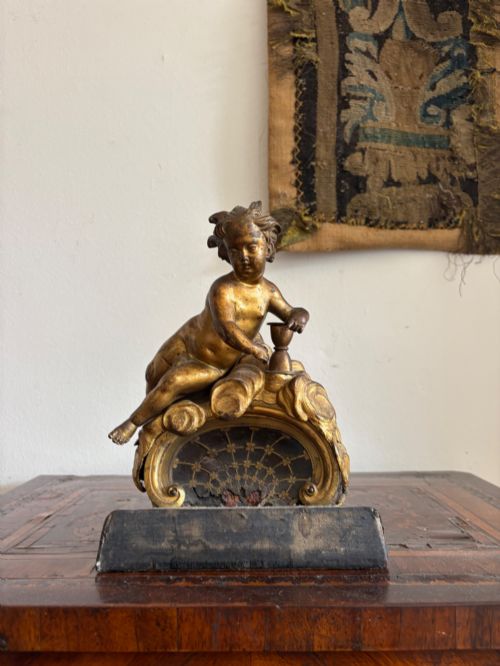
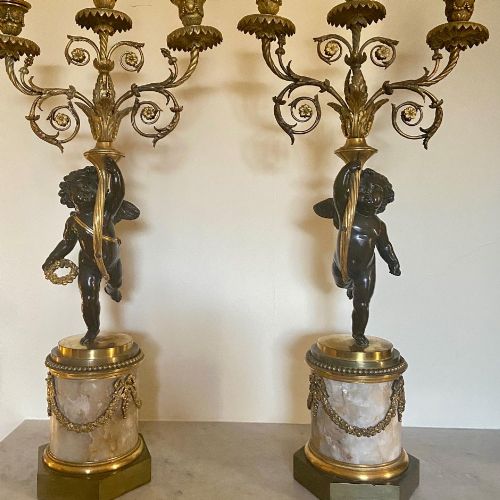
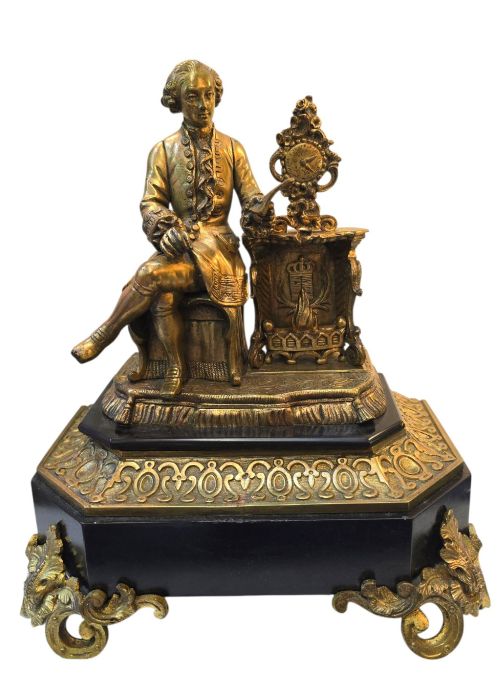
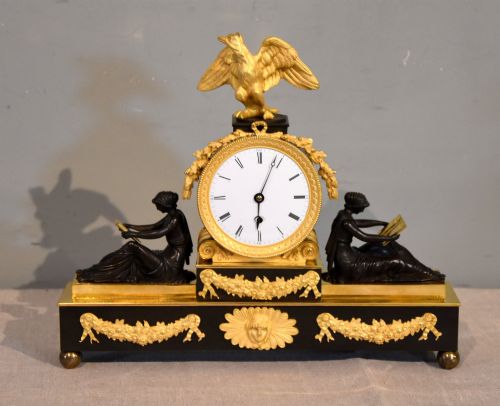
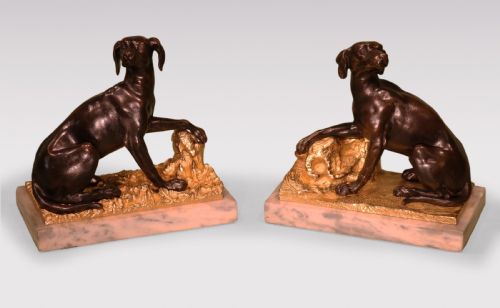
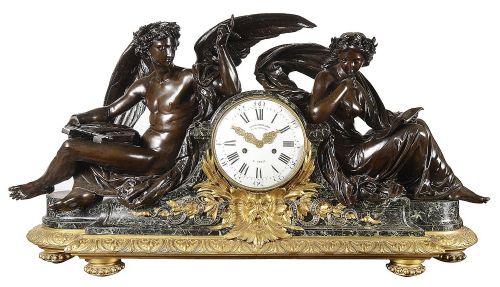
These gilt bronze mantel sculptures bring together patinated metal and bright gilding to sit upon a chimney piece or side table.

Gilt Bronze Mantel Sculptures
When you search for gilt bronze mantel sculptures, you encounter heavy decorative works designed for interior placement, most frequently taking the form of mantel clocks, figural groups, and garniture pieces. The selections here span the eighteenth century through to the early twentieth century, with nineteenth-century French production forming a large share of the available objects.
Many of these pieces combine cast bronze with applied mercury gilding, known as ormolu, often paired with marble plinths or enamel dials. You will find items influenced by Louis XVI, French Empire, and Egyptian Revival styles alongside later Art Deco examples.
The objects serve primarily as decorative centerpieces or timekeeping devices, displaying subjects from classical mythology and animal studies to historical figures and architectural ornaments.
How they were made
Makers produced these works using traditional lost-wax or sand-casting methods to shape the bronze components, followed by meticulous chugging and file work to sharpen details on hair, drapery, and foliage. Craftsmen applied layers of gold amalgam to the bronze surface before heating the piece to vaporise the mercury, leaving a durable golden finish called ormolu.
Artisans combined the gilt elements with patinated dark bronze, natural stone bases such as marble and fluorspar, and occasionally silver plating or ivory elements as seen in later chryselephantine works. Clock movements integrated within these sculptures required precision gear-cutting and enamel dial painting by specialist horologists.
Golden pheasants and fierce lions share the mantelpiece with Napoleon Bonaparte, proving that nineteenth-century sculptors had eclectic tastes in domestic company.
What varies in quality
The integration of the sculptural components with the functional elements, such as clock movements or marble plinths, determines the overall integrity of the piece. Makers who employed signed mechanisms and substantial cast mounts achieved a standard of weight and balance that simpler decorative items lack.
Pierre-Augustin Caron de Beaumarchais·Paul Philippe·Paul-Édouard Delabrièrre·Charpentier Paris·Victor Paillard·Deniere and Cailleaux·Japy Freres·Charles Korschann
The Gilt Bronze Mantel Sculptures Glossary
- Ormolu
- Finely chopped gold amalgamated with mercury and applied to bronze through heat gilding. This technique produced a rich yellow lustre that resists tarnishing over centuries.
- Patinated bronze
- Metal treated with chemical solutions to darken the surface and create contrast against the bright gilt portions. This finish highlights the sculptural contours.
- Garniture
- A set of matched decorative objects, usually comprising a mantel clock flanked by matching candelabra or vases. These items created a symmetrical arrangement on a fireplace mantel.
- Chryselephantine
- A term describing sculptures combining bronze with carved ivory. This technique gained prominence during the Art Deco period.
- Finial
- A decorative ornament placed at the apex of a clock case, lid, or mount. These elements completed the vertical silhouette of the object.
Gilt Bronze Mantel Sculptures: Frequently Asked Questions
What is the difference between ormolu and gilt bronze?
Ormolu specifically denotes bronze objects gilded using a mercury-gilding process that leaves a deep, matte gold finish.
General gilt bronze can encompass various modern or historical electroplating methods that produce a different surface reflection.
How should I clean gilt bronze mantel sculptures?
Dusting with a soft, dry brush prevents the accumulation of particulate matter in the recessed chased details of the metal.
Harsh chemical polishes must be avoided entirely, as they strip the delicate historic gold layer from the bronze substrate.
Are these clock movements original?
Many nineteenth-century mantel clocks retain their original brass wheel movements, often stamped by makers like Japy Freres.
Over the lifespan of these objects, some gear trains underwent repairs or replacement while retaining the outer decorative bronze case.
How do I identify an Egyptian Revival piece?
Egyptian Revival items incorporate distinct motifs such as sphinxes, shabti figures, and hieroglyphic borders popularised after nineteenth-century archaeological discoveries.
These designs merge classical European casting techniques with pharaonic iconography on marble or bronze plinths.