
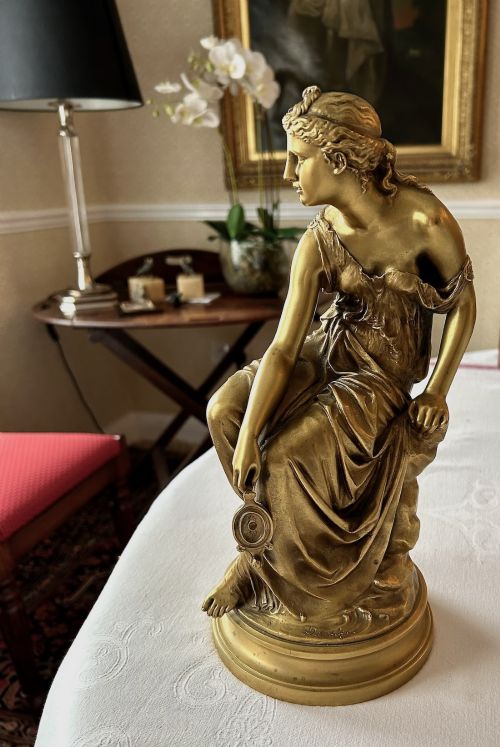
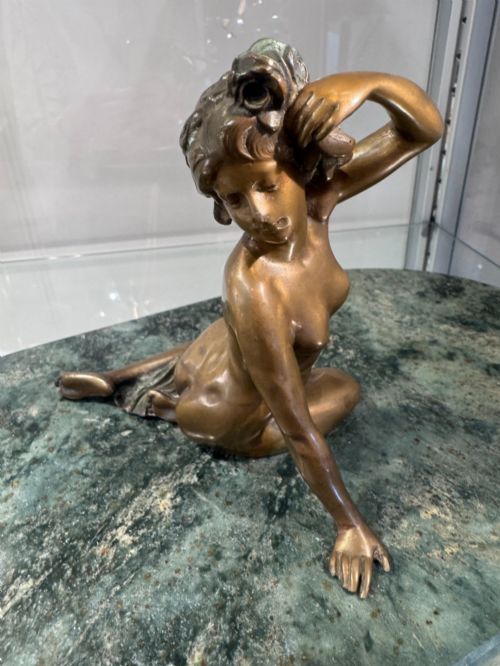
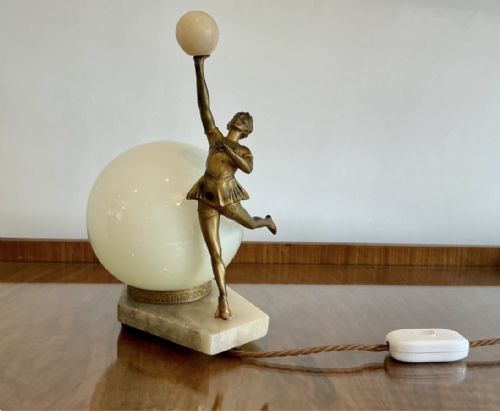
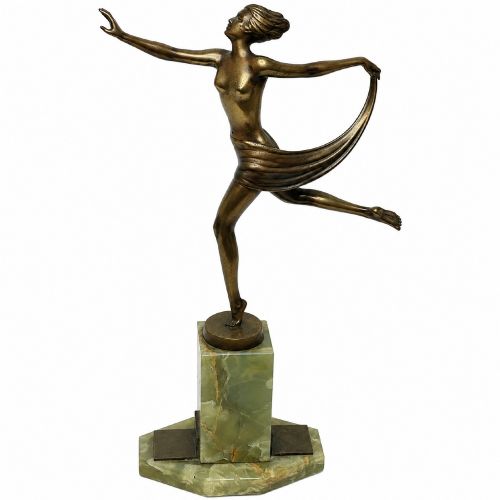
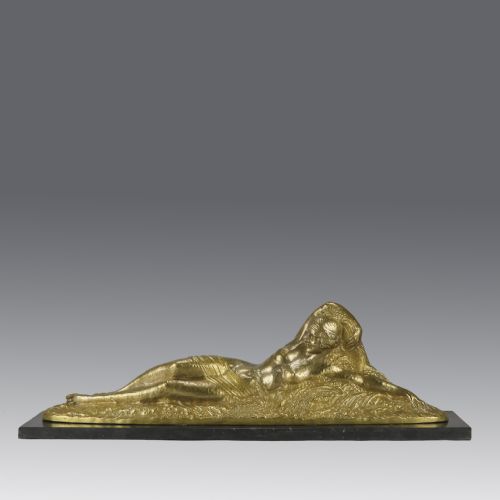


Gilt Bronze Female Figure
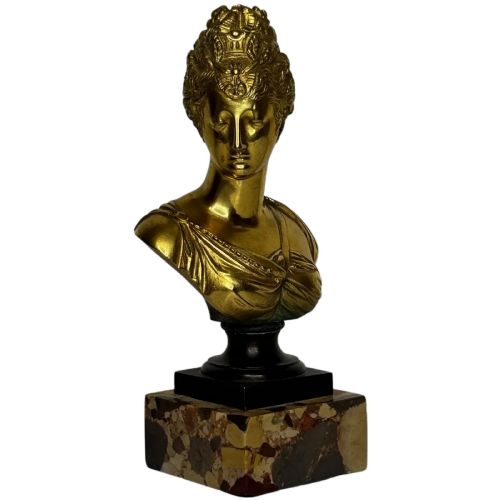
These gilt bronze female figure works unite classical and modern design, bringing sculptural presence and refined metalwork into an interior.
Gilt Bronze Female Figure
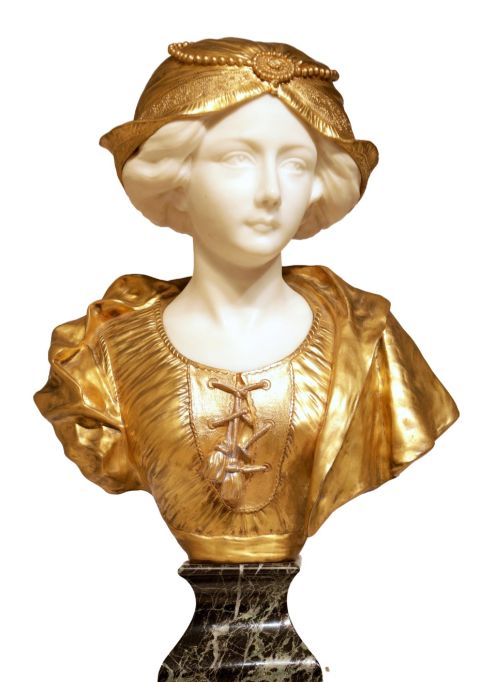
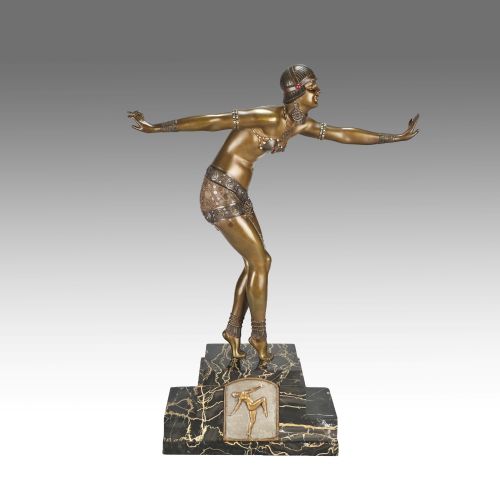
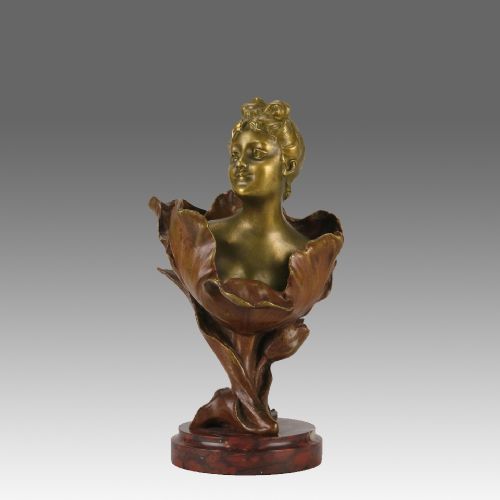
A gilt bronze female figure represents classical maidens, dancers, or allegorical subjects cast in metal and highlighted with gold tones. These works take the form of freestanding sculptures, busts, table lamps, and architectural light brackets.
The pieces on this page span the nineteenth century through the art deco era, moving from neoclassical and french renaissance revival styles into streamlined twentieth century aesthetics. Buyers encounter subjects ranging from mythological figures to dancers and musicians.
Many sculptures incorporate contrasting materials such as marble, onyx, or portoro bases to elevate the bronze work. Others function as practical objects like candlesticks, mantel clocks, and torcheres while retaining their figural focus.
Materials and Casting Techniques
The foundational metalwork relies on bronze or spelter cast into detailed moulds, which artisans then surface-finish with fire gilding, ormolu, parcel-gilt, or cold-painted pigments. These treatments create the luminous golden or polychrome surfaces characteristic of the better pieces.
Many figures are paired with carved marble, onyx, or portoro stone bases that provide structural stability and visual contrast to the metallic lustre. Some twentieth century examples combine metal with carved ivory in chryselephantine compositions.
Listings feature works across the nineteenth century, the regency period, and the art nouveau and art deco movements.
Distinctions in Quality and Execution
Quality rests primarily in the crispness of the metal chasing and the sensitivity of the modelling in the female form. Skilled chiselling after casting restores fine details in hair, drapery, and facial expressions that lesser production work loses.
The integrity of the gilding or surface finish dictates much of the visual success, with even application and well-preserved fire gilding marking superior execution. The harmony between the bronze subject and its marble or onyx base also distinguishes finer studio output.
Etienne-Henri Dumaige·Josef Lorenzl·Affortunato Gory·Demetre Chiparus·Henri Godet·Carrier-Belleuse·Barbedienne·Paul Philippe·Ernst Barrias·Eurotrope Bouret·Claire Colinet·Jean Jacques Pradier·Coutan·Charlotte Monginot·G.V. Vaerenbergh·E. Laurent
The Gilt Bronze Female Figure Glossary
- Gilt bronze
- Metal alloy treated with a gold layer or gold-coloured finish to create a bright, reflective surface. It provides both protection against oxidation and a decorative sheen.
- Ormolu
- Finely ground high-carat gold applied to a bronze base using a mercury amalgamation technique, common in nineteenth century French pieces. This historical method yields a deep, lasting lustre.
- Spelter
- A zinc-based alloy used as a cost-effective alternative to bronze in certain figural castings. It is softer and lighter than genuine bronze.
- Chryselephantine
- A term describing sculptures combining metal and ivory. This technique gained prominence during the art deco period.
- Portoro
- A distinctive black Italian marble featuring bold golden veins. It frequently appears as a contrasting plinth for bronze figures.
Gilt Bronze Female Figure: Frequently Asked Questions
How do I clean gilt bronze?
Dust the surface gently with a soft, dry cloth to remove accumulated particles without abrading the delicate metal or gilding.
Avoid chemical polishes, water, and abrasive cleaners, as these substances strip the historic gold layers and damage the underlying bronze.
Are these pieces solid bronze?
Most works consist of cast bronze, though some examples utilise spelter or incorporate contrasting stone bases like marble and onyx.
Each listing specifies the primary metal and any secondary materials used in the construction of the figure and its plinth.
How do I identify art deco pieces?
Art deco figures typically feature stylized, dynamic forms, streamlined clothing, and modern subjects such as dancers, athletes, or cabaret performers.
They frequently date from the 1920s and 1930s and often sit upon geometric marble or onyx bases.
Where were these sculptures made?
The pieces originate primarily from European workshops, with a strong representation of nineteenth century and early twentieth century French and Austrian production.
Many bear signatures or foundry marks on the bronze casting or the stone base indicating the artist or maker.