


Gilt Blue White Ceramic
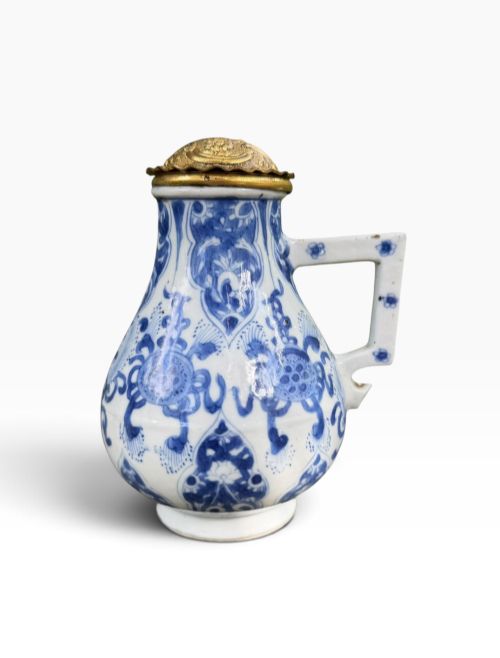
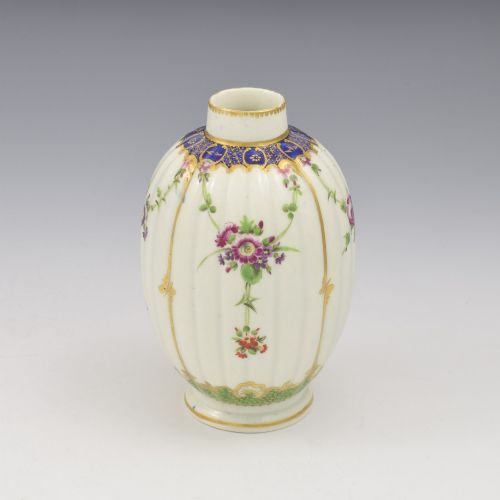
Gilt blue white ceramic pieces combine painted cobalt pigments, gleaming metallic leaf, and fired clay forms across centuries of international kilns.
Gilt Blue White Ceramic
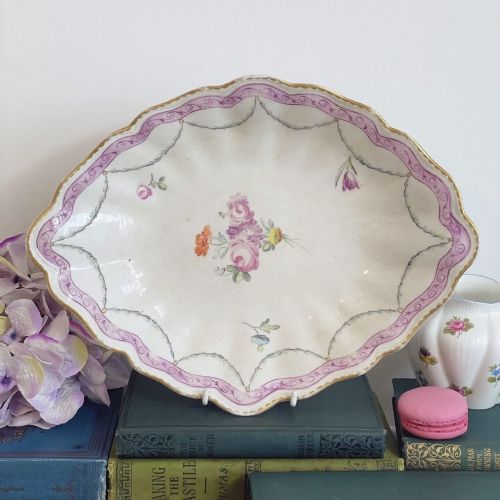
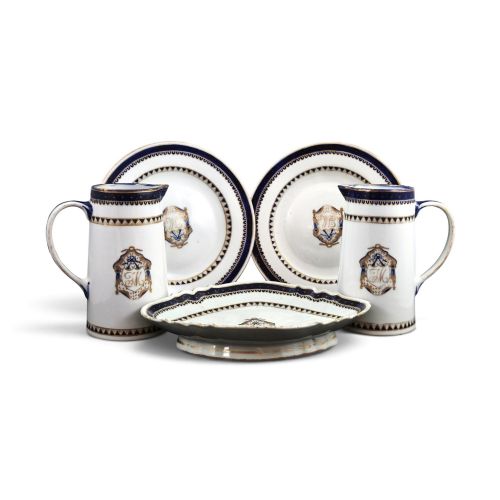
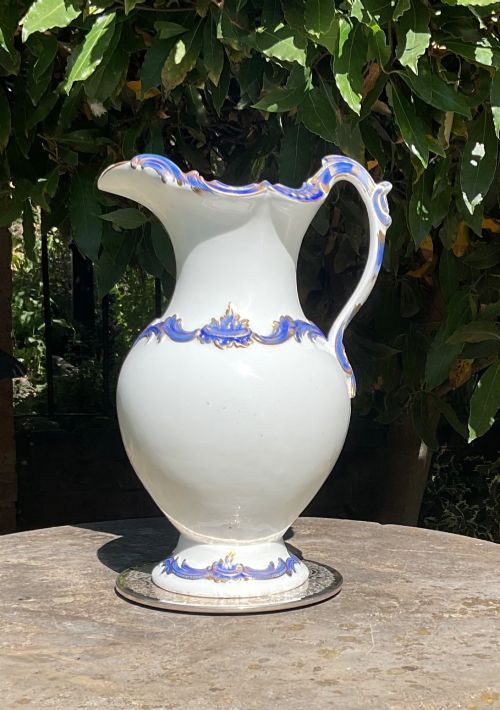
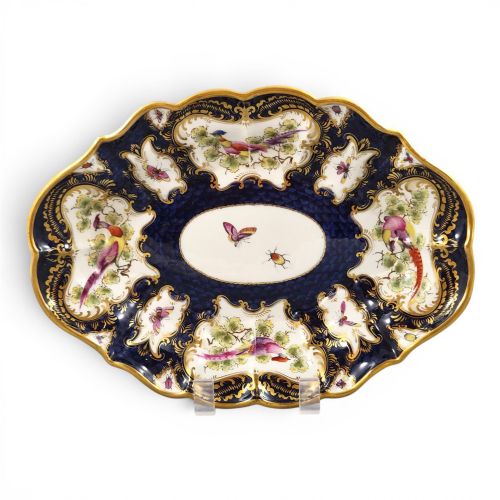
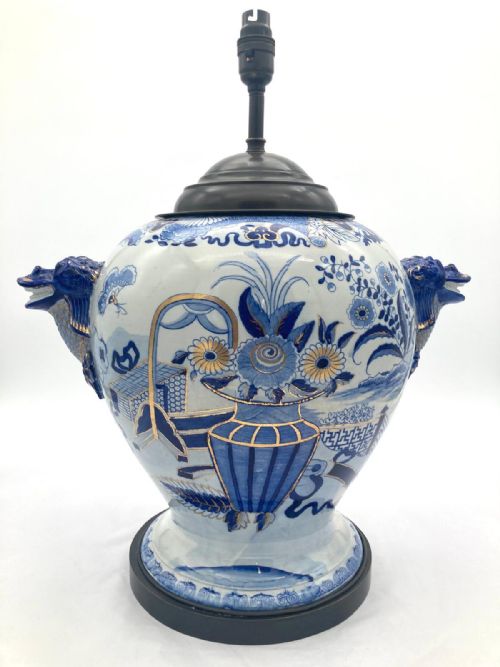
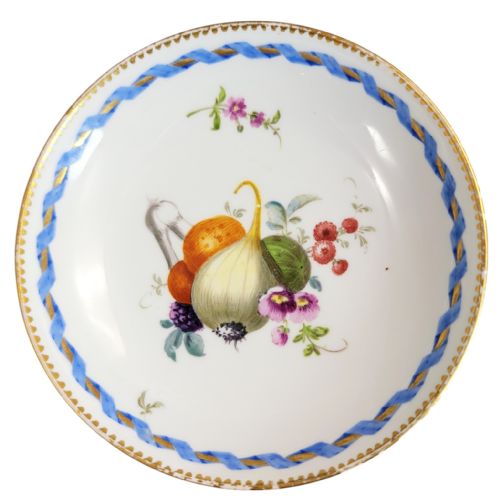
When hunting for gilt blue white ceramic, buyers encounter a diverse array of utilitarian and decorative objects spanning the eighteenth, nineteenth, and early twentieth centuries. These pieces encompass table lamps, vases, teacups, serving dishes, and teacups originating from English factories, Chinese export kilns, and Japanese workshops.
The selection on this page relies heavily on nineteenth-century examples alongside eighteenth-century wares and early twentieth-century productions. Domestic English ironstone and porcelain sit alongside Asian export porcelain and earthenware, reflecting global trade and aesthetic exchanges.
Forms range from large mantle clocks and stick stands to modest saucers and sauceboats. Many items integrate metal mounts, brass fittings, or wooden and gilt bases to support their transformation into functional household furnishings.
Materials and production techniques
Makers utilised porcelain, earthenware, and ironstone as the foundational ceramic bodies, shaping them into vessels, tableware, and sculptural items. Cobalt oxide provided the deep blue underglaze decoration, applied by hand or via transfer printing before the high-temperature firing.
Gold leaf, gilding, and enamel were subsequently added over the glaze and fixed with a lower-temperature secondary firing. Brass and ormolu mounts frequently secured these ceramic bodies, enhancing structural stability and visual contrast.
Listings feature periods spanning from the late 17th century through to the Edwardian era, incorporating porcelain, earthenware, and gold leaf.
Distinctions in standard and execution
The refinement of the ceramic body and the precision of the hand-painted cobalt underglaze separate standard production items from exceptional works. Finer pieces demonstrate crisp detail in the cobalt painting and smooth, unblemished glazing across complex moulded surfaces.
The application of gold leaf and gilding dictates much of the visual impact, where hand-tooled highlights and thick gold layers indicate superior craftsmanship compared to flat, rubbed metallic paint. Furthermore, the integration of bronze or ormolu mounts reveals the original expense and ambition of the commission.
Hicks and Meigh·Minton·Doulton Burslem·Masons·Spode·Adams·Yates·Royal Worcester·Moorcroft Macintyre·Fukagawa·Yokohama
The Gilt Blue White Ceramic Glossary
- Porcelain
- A hard, vitreous ceramic material fired at high temperatures until translucent. It forms the crisp white base for intricate blue and gilt decoration.
- Ironstone
- A heavy, durable type of earthenware patented in the nineteenth century. It offered a resilient alternative to imported porcelain for large tableware.
- Chinoiserie
- European artistic style reflecting Chinese motifs and landscapes. Artisans applied these imaginative interpretations across various ceramic forms.
- Imari
- Japanese export style characterised by underglaze blue, iron red, and abundant gold highlights. Factories in Europe frequently copied these vibrant patterns.
- Ormolu
- Sub-divided gilt bronze mounts used to decorate or support ceramic vessels. This technique adds architectural weight to luxury objects.
Gilt Blue White Ceramic: Frequently Asked Questions
How do I date these ceramics?
Dating relies upon factory marks, stylistic traits, and the composition of the ceramic body itself. Potters altered their cobalt recipes and backstamps across successive decades.
Examining the wear on the gilding and the manufacturing technique helps distinguish eighteenth-century wares from later nineteenth-century revivals.
Were these pieces used daily?
Many items, such as teacups, punch bowls, and serving dishes, served active roles in formal dining and tea service. Others, like vases and wall brackets, functioned purely as interior ornamentation.
Utility determined the thickness of the ironstone or porcelain body, with sturdier pastes chosen for heavy kitchen and dining environments.
How should I clean gilded surfaces?
Gilding requires gentle maintenance because the gold leaf rests over the fired glaze and can wear away with abrasive cleaning. Dusting with a dry, soft cloth preserves the metallic highlights.
Harsh chemical detergents must be avoided to prevent lifting the fragile enamel and gold details from the ceramic body.
What indicates an export piece?
Export wares frequently display hybrid stylistic elements tailored for Western tastes while retaining traditional Asian potting techniques. Chinese and Japanese workshops produced specific motifs for European markets.
Documentation, monograms, and shipping forms often provide clues regarding the intended destination of these traded items.